

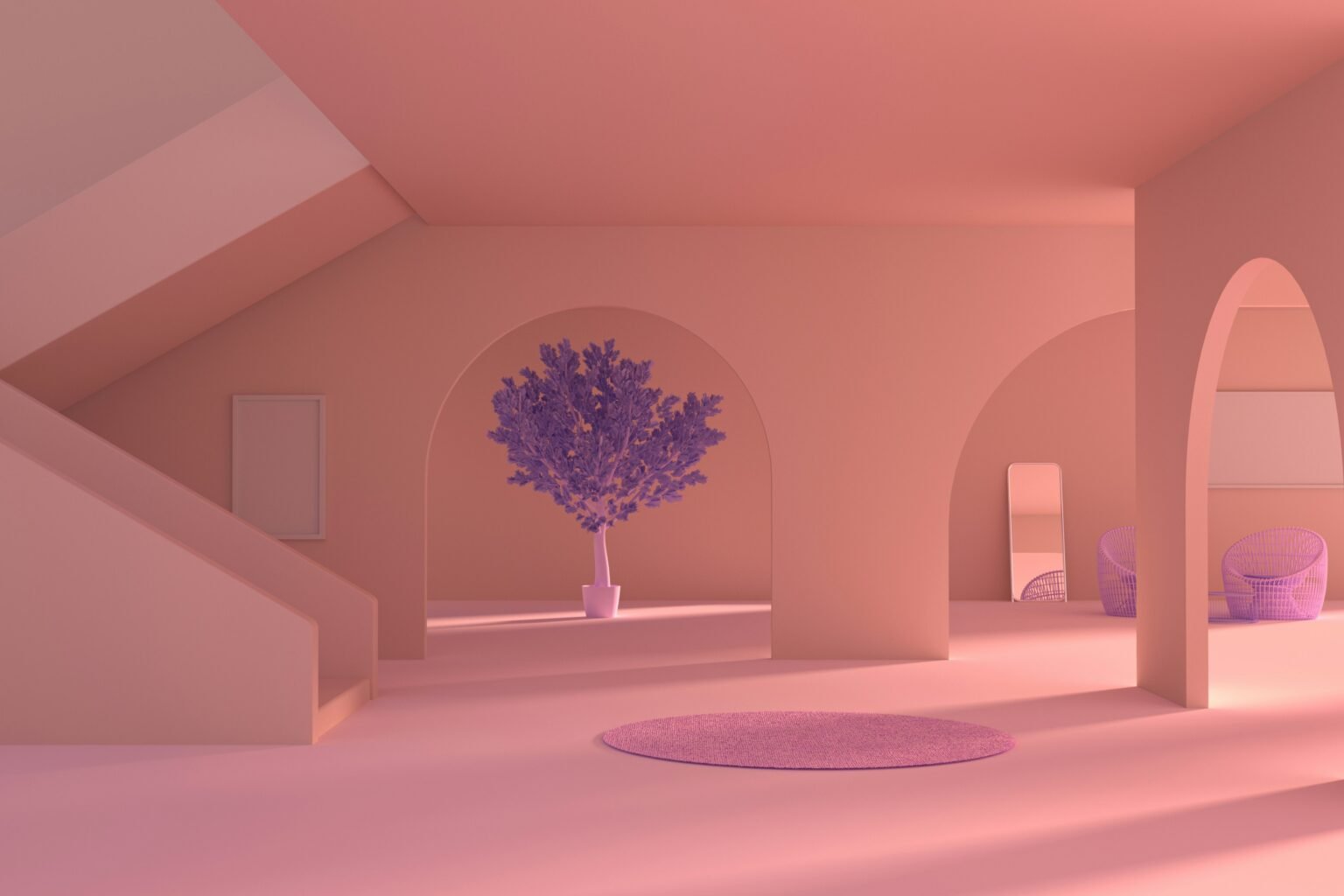

Understanding Interior Design Trends
Staying updated with interior design trends is essential for homeowners, designers, and architecture enthusiasts alike. These trends are not merely about aesthetics; they reflect broader cultural shifts and evolving consumer preferences that encompass various aspects of our daily lives. For instance, the rise of minimalism may symbolize a collective shift towards simplicity and functionality in a highly complex, often overwhelming world. Conversely, the increasing popularity of eco-friendly designs indicates a growing awareness of environmental sustainability and resource conservation among consumers.
Incorporating contemporary trends into interior design can significantly elevate not only the visual appeal of a space but also its functionality. Adopting new styles and innovative design elements can transform a home into a more comfortable and efficient living environment. Trends often introduce practical solutions to common challenges, such as maximizing small spaces or enhancing lighting, ultimately resulting in improved wellbeing for inhabitants.
Moreover, embracing current design trends can offer a competitive edge in the real estate market. Homes that reflect modern aesthetics and align with consumer expectations tend to attract more interest from potential buyers. As society moves increasingly towards technology-driven lifestyles, incorporating smart home features and multifunctional furniture can resonate strongly with the needs of today’s audience.
In conclusion, being attuned to interior design trends is not just about following fads; it is an opportunity to enhance living spaces, embrace cultural narratives, and cater to evolving needs and tastes. By investing time in understanding these trends, one can create environments that are both stylish and practical, ultimately enriching the quality of everyday life.
Sustainable and Eco-Friendly Design
In today’s interior design landscape, the emphasis on sustainability has become increasingly prominent. As awareness of environmental issues grows, designers are shifting their focus towards eco-friendly practices and materials in order to create spaces that are both aesthetically pleasing and environmentally conscious. Utilizing sustainable materials is one of the key aspects of this trend. Designers are opting for materials that are renewable, recycled, and locally sourced, thereby reducing the carbon footprint associated with transportation and manufacturing.
For instance, bamboo, reclaimed wood, and recycled metal have emerged as popular choices due to their minimal environmental impact. These materials not only add unique character to a space but also promote a more sustainable lifestyle. The integration of energy-efficient appliances is another crucial component of eco-friendly design. By choosing Energy Star-rated appliances, homeowners can significantly reduce energy consumption, which leads to lower utility bills and a smaller environmental footprint.
Moreover, sustainable interior design encourages the use of natural light and ventilation, which not only enhances the aesthetic quality of a space but also provides health benefits. Incorporating large windows, skylights, and strategically placed openings fosters a connection between indoor and outdoor environments, promoting well-being and reducing reliance on artificial lighting and air conditioning.
Another important aspect to consider is the implementation of eco-friendly practices throughout the design process. This includes sustainable construction practices such as reducing waste, utilizing non-toxic finishes, and selecting low-VOC (volatile organic compounds) paints, which help improve indoor air quality. Ultimately, these eco-friendly approaches contribute to healthier living spaces and align with a growing consumer demand for sustainable options in interior design.
Maximalism: Saying Goodbye to Minimalism
In recent years, the interior design community has witnessed a significant shift from the minimalist ethos, characterized by simplicity and restraint, towards the vibrant and expressive approach known as maximalism. This transition highlights a growing desire among homeowners and designers to infuse spaces with personality, warmth, and individuality, transforming traditional concepts of decor. Maximalism celebrates complexity through layers of color, texture, and pattern, allowing each space to tell a unique story.
Bold colors have emerged as a defining feature of maximalist interiors. Unlike the subdued palettes of minimalist design, maximalism invites a cacophony of tones, from rich jewel hues to daring primary colors. This vibrant approach encourages the combination of contrasting shades, creating a dynamic and visually stimulating environment. Furthermore, this trend extends beyond mere wall colors; upholstery, artwork, and decorative elements are utilized as canvases on which to express one’s personal style.
The use of varying textures plays a critical role in maximalist design, contributing to a layered aesthetic that evokes depth and dimension. Fabrics with intricate patterns, such as floral prints, geometric designs, and animal motifs, can typically be found competing for attention in this style. Natural materials, such as wood and stone, often mingle seamlessly with synthetic options to enhance the richness and tactile appeal of space. This diversity not only elevates the overall design but also fosters a sense of coziness and comfort.
Patterns are equally significant in maximalism, often appearing in unexpected pairings that challenge conventional design rules. This daring approach allows homeowners to mix and match wallpaper, textiles, and art, facilitating a playful atmosphere within spaces. By embracing the unexpected and daring to experiment, maximalism empowers individuals to reflect their personalities and creative flair in their home decor.
Biophilic Design: Connecting with Nature
Biophilic design is an innovative approach that seeks to enhance the connection between indoor environments and the natural world. As urbanization increases, the desire for a more nature-infused living experience has sparked interest in this trend. This design philosophy incorporates elements such as indoor plants, natural light, and organic materials to create spaces that promote tranquility and well-being.
One of the key components of biophilic design involves the integration of indoor plants. These living elements not only purify the air but also introduce vibrant color and texture to spaces. From strategically placed potted plants to vertical gardens, the inclusion of greenery supports a calming environment that fosters a sense of peace. Moreover, studies have shown that such natural elements can reduce stress levels and improve focus, making them an invaluable addition to both residential and commercial spaces.
Natural light is another important aspect of biophilic design. Maximizing sunlight within interiors helps to create a warm and inviting atmosphere. Large windows, skylights, and open layouts allow natural light to flow through spaces, enhancing mood and providing a connection with the outside world. This emphasis on daylight not only positively impacts aesthetics but also contributes to overall mental health and productivity.
In addition to plants and light, the use of organic materials plays a crucial role in biophilic design. Incorporating elements like wood, stone, and natural fibers creates a tactile environment that resonates with our innate connection to nature. These materials add depth, warmth, and an earthy feel to interiors, promoting relaxation and comfort.
Ultimately, biophilic design represents a shift towards more mindful living spaces that nurture human connections to nature. By embracing this trend, individuals can transform their homes and workplaces into serene sanctuaries that enhance both physical and emotional well-being.
Smart Home Integration
As technology continues to evolve, the integration of smart devices in interior design is becoming increasingly prevalent. Smart home technology enhances the convenience, security, and efficiency of living spaces, allowing homeowners to manage various aspects of their environments more efficiently. This trend is marked by the rise of user-friendly gadgets that not only simplify day-to-day tasks but also contribute to a streamlined aesthetic in modern homes.
The implementation of smart lighting systems represents a significant trend. Homeowners can now control the ambiance of their spaces via smartphone applications or voice commands. This not only enhances the mood of any room but also facilitates energy savings. For example, smart bulbs can be programmed to dim or turn off at specific times, ensuring that electricity is not wasted in vacant rooms.
In terms of security, smart locks and surveillance systems have gained traction. These devices offer enhanced security measures, allowing homeowners to monitor their properties remotely. The integration of such technology plays a pivotal role in allowing individuals to feel safer in their environments. Features such as alerts for unusual activity or the ability to lock doors via a smartphone app contribute to an overall sense of security.
Efficient climate control is another area where smart technology is making a notable impact. Smart thermostats learn users’ preferences and adjust settings accordingly, which can lead to significant energy savings over time. Homeowners can also control their heating and cooling systems from anywhere, providing increased flexibility and control.
In conclusion, the trend toward smart home integration in interior design reflects a broader shift towards technology-driven living. By incorporating these devices, homeowners can enhance the functionality and charm of their living spaces while embracing the conveniences offered by contemporary innovations.
Vintage and Retro Influences
In recent years, there has been a notable resurgence in vintage and retro styles within the realm of interior design. This trend capitalizes on the nostalgia for previous decades, particularly mid-century modern aesthetics, which emphasize clean lines, organic shapes, and functional forms. Homeowners and designers alike are increasingly drawn to the charm and character of vintage elements, integrating them into contemporary spaces to create a unique juxtaposition of old and new.
One of the most prominent aspects of this trend is the revival of mid-century modern furniture. Pieces from this period, characterized by their minimalist yet stylish appeal, are being sought after for both their aesthetic and their functional properties. Designers are sourcing authentic vintage pieces from thrift shops, estate sales, or specialty vintage stores, while many furniture manufacturers are producing contemporary replicas. This blend of authentic vintage finds and new designs allows individuals to embrace the nostalgia associated with the past while maintaining modern sensibilities.
Additionally, vintage color palettes are gaining popularity, with soft pastels and earthy tones reminiscent of the 1960s and 1970s making a prominent comeback. These colors can evoke feelings of warmth and comfort, creating a cozy atmosphere in the home. The integration of vintage textiles and patterns, such as floral prints and geometric designs, further enhances the retro vibe, allowing residents to showcase their personality and style through chosen decor.
This resurgence in vintage and retro influences reflects a broader societal desire for connection to the past, often associated with sentiments of comfort and familiarity. As such, designers are embracing these styles to create spaces that not only look good but also resonate emotionally with those who inhabit them.
Open Concept Living Spaces
In recent years, open concept living spaces have become a hallmark of modern interior design, celebrated for their ability to foster a sense of spaciousness, connectivity, and fluidity among different areas of a home. These floor plans typically merge the living room, dining area, and kitchen into a single, expansive environment, eliminating physical barriers and fostering interaction among family members and guests.
One of the primary benefits of open concept living is the enhanced natural light that can flow freely throughout the space. By removing walls, homeowners can create a brighter atmosphere, reducing the need for artificial lighting during the day. Furthermore, the open layout often embodies a modern aesthetic that appeals to various design preferences, from minimalist to industrial styles.
Open concept spaces also cater to the growing trend in home life that values connectivity and community, particularly in larger families or social households. This layout encourages engagement, allowing those in the kitchen to converse with those in the living area, thereby uniting household members and reinforcing familial bonds.
However, this design choice is not without its challenges. The absence of physical boundaries can lead to a lack of privacy, making it difficult to find quiet moments within the home. Additionally, noise can become an issue, particularly in busy households where simultaneous activities occur in adjacent areas. Proper zoning through the use of furniture placement, rugs, and color schemes can help mitigate these concerns while still preserving the spacious feel that open concept layouts provide.
Ultimately, open concept living spaces represent a significant shift towards modern lifestyle preferences, prioritizing interaction and openness. By carefully considering both the advantages and challenges associated with this design, homeowners can create harmonious environments that reflect their values and enhance daily living.
Personalization and Customized Spaces
In recent years, the demand for personalized interior design has emerged as a prominent trend, characterized by an increasing desire for unique and customized living environments. Homeowners are increasingly shifting away from conventional, cookie-cutter designs and are opting for solutions that better align with their individual tastes and lifestyles. This movement toward personalization reflects a broader cultural shift toward individual expression and the recognition that our living spaces significantly impact our daily well-being.
With the rise of social media and home improvement platforms, homeowners have greater access to inspiration and innovative ideas that encourage them to incorporate personalized elements into their designs. Customized interiors allow individuals to not only showcase their personalities but also create spaces that serve their functional needs. For instance, a family may choose to design a game room that fosters interaction and bonding, while a remote worker may prioritize creating an efficient home office that enhances productivity.
This trend is also evident in the increasing popularity of bespoke furniture and decor items that cater to specific individual preferences. Artisans and designers are now creating tailor-made solutions, offering everything from customizable furniture pieces to personalized wall art that speaks to the homeowner’s journey, interests, and cultural heritage. Such pieces often serve as focal points, contributing to the intentionality behind the overall design.
Moreover, advancements in technology and manufacturing techniques are facilitating this movement, making it easier for homeowners to integrate personalized elements within their spaces. This might include utilizing 3D printing for unique decor items or employing virtual reality to visualize design choices before implementation. As personalization becomes central to the design process, it heralds a shift towards spaces that are not only aesthetically pleasing but also resonate deeply on a personal level.
Conclusion and Future Trends
In reflecting on the top interior design trends of recent years, it is clear that sustainability, technology integration, and a return to natural elements are pivotal in shaping modern aesthetics. As we enter the future, these trends signal a broader shift towards creating interiors that balance beauty with functionality. The increasing emphasis on environmentally sustainable materials is not just a fleeting phase; it represents a paradigm shift in how we perceive our living and working spaces. Designers are now tasked with finding innovative solutions that reduce environmental impact while enhancing the visual appeal of interiors.
The introduction of smart technology into home design stands as another significant trend. With the growing demand for convenience and efficiency, integrating smart home technologies can elevate the functionality of any space. From automated lighting systems to smart appliances, these innovations will likely become standard features in households, making life more convenient for inhabitants. As technology progresses, we can expect to see even more seamless designs that marry aesthetics with automation, creating environments that adapt to the needs of their users.
Moreover, the resurgence of biophilic design indicates that our connection to nature will continue to inform interior trends. Expect to see a rise in the use of greenery, natural textures, and earth-toned palettes that foster a sense of tranquility and well-being. As mental health becomes an increasingly important aspect of overall well-being, incorporating nature-inspired elements will play a critical role in the design of spaces that promote relaxation and rejuvenation.
As we look toward the future of interior design, it is evident that context, technology, and sustainability will drive the evolution of our living spaces. Designers and homeowners alike must remain adaptable and open to change, considering how these trends may transform individual preferences and lifestyles. By embracing these emerging trends, one can create interiors that are not only aesthetically pleasing but also aligned with the principles of modern living.

