

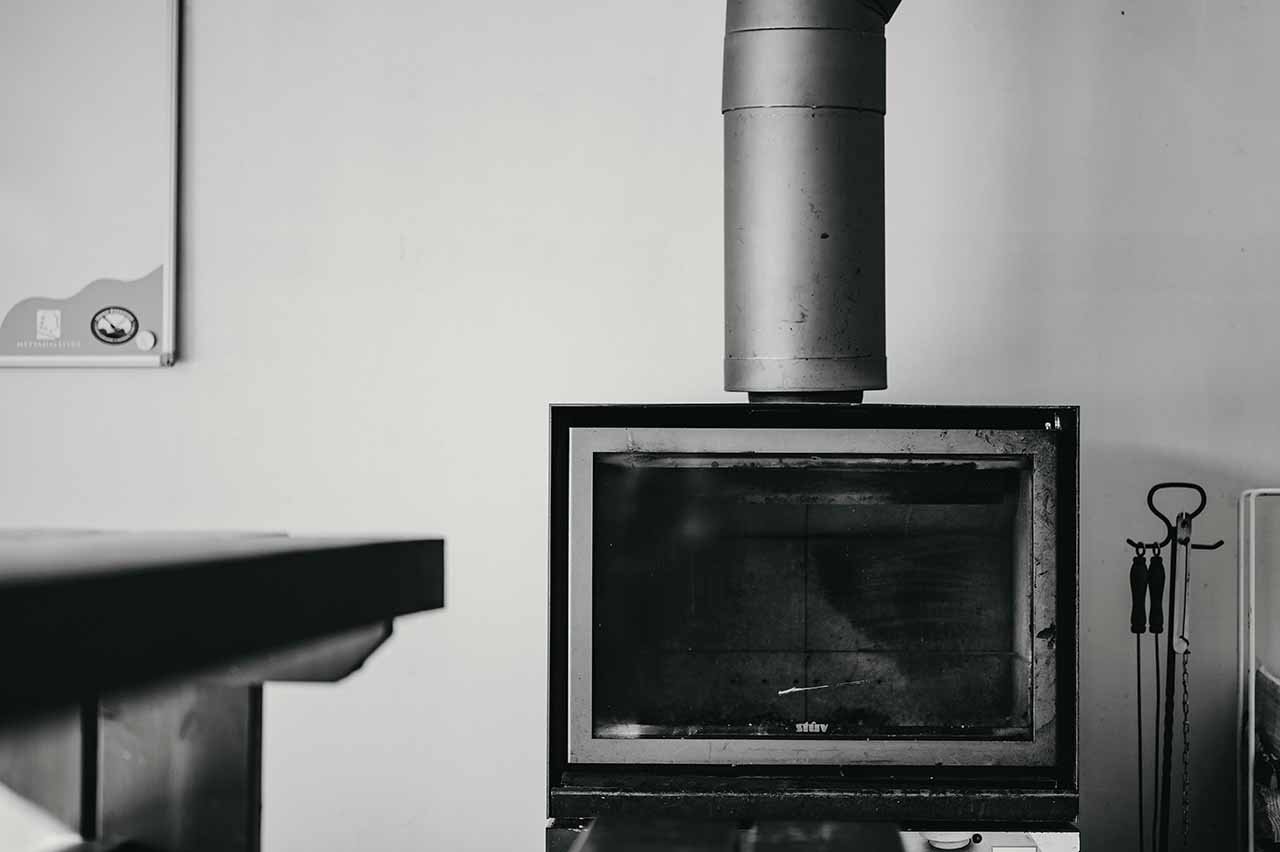

Introduction to Brick Fireplaces
Brick fireplaces serve as a central feature in many homes, offering both functionality and aesthetic charm. Their rugged and rustic appearance can complement various interior design styles, from traditional to contemporary. Furthermore, the use of brick in construction not only enhances the structural integrity but also provides excellent thermal retention, allowing for more efficient heating. As a result, many homeowners opt for brick fireplaces as a reliable option for warmth and ambiance.
Despite their appeal, brick fireplaces are prone to several issues, particularly concerning dirt and soot accumulation. When utilized regularly, soot and creosote from burning wood can lead to unsightly stains on the brick surface. These deposits can diminish the visual appeal of the fireplace, making it appear neglected. Over time, unchecked grime can seep deeper into the porous material of the brick, potentially causing permanent discoloration. Additionally, a buildup of soot can pose a fire hazard, as it may contribute to chimney blockages.
Maintaining a clean brick fireplace is essential for several reasons. First, regular cleaning helps preserve the integrity and appearance of the brick, ensuring it remains a focal point of the room. A clean fireplace is also more inviting, creating a pleasant environment when friends and family gather around. Moreover, by removing soot and debris, homeowners can reduce the risk of chimney fires, ultimately protecting their homes and loved ones. Therefore, it is crucial to adopt a consistent cleaning routine that addresses both aesthetic and safety concerns associated with brick fireplaces.
Understanding the Materials of Your Brick Fireplace
When it comes to brick fireplaces, a variety of bricks and mortars can be utilized in their construction. The most common types of bricks used are common bricks, fire bricks, and glazed bricks. Each type possesses unique characteristics affecting their maintenance and cleaning protocols.
Common bricks are typically used for structural purposes. These bricks, while durable, are porous and absorb moisture, which can lead to staining and discoloration over time. Regular cleaning is necessary to prevent buildup, but caution is advised as aggressive scrubbing can damage the surface. A gentle cleaner, mixed with water, is often effective for removing soot without compromising the brick’s integrity.
Fire bricks, or refractory bricks, are specifically designed to withstand the high temperatures of a fireplace. Made from chamotte, a highly heat-resistant material, these bricks have a higher thermal mass and excellent insulation properties. However, fire bricks can also accumulate creosote and soot due to their exposure to flames. It is crucial to clean fire bricks regularly, employing specially formulated cleaning agents that will not weaken their heat resistance.
Glazed bricks, often used in decorative applications, can be easier to clean due to their smooth, non-porous surfaces. However, they still require attention to avoid scratches that can mar their appearance. Mild detergents mixed with warm water are ideal for this type, allowing for effective cleaning without damage. The selection of cleaning methods must align with the brick type to ensure longevity and aesthetic appeal. Understanding these materials enables homeowners to establish a solid cleaning routine, ultimately prolonging the lifespan of their brick fireplace.
Safety Precautions Before Cleaning
Cleaning a brick fireplace is an essential chore to maintain its aesthetic appeal and functionality, but it is vital to prioritize safety before embarking on this task. First and foremost, protective gear is crucial. Wearing gloves is recommended to shield your hands from harsh cleaning agents and debris that may dislodge during the cleaning process. Thick, durable gloves will provide a barrier and prevent skin irritation.
Respiratory protection is another important consideration. Many cleaning products emit fumes that can be harmful when inhaled. Thus, utilizing a mask—preferably a respirator that is rated for chemical vapors—will help protect your respiratory system from inhaling dust and toxic materials. Additionally, goggles can be employed to protect your eyes from splashes, especially if you are using any liquid solutions.
Proper ventilation in the area is critical during cleaning. Ensure the workspace is well-ventilated by opening windows and doors. This allows for fresh air to circulate, helping to dissipate any harmful fumes and reducing dust accumulation. If the area is particularly cramped or lacks adequate airflow, consider using fans to enhance ventilation.
Before starting, it is also wise to remove any nearby furniture or decorations from the vicinity of the fireplace. Protecting these items from dust, soot, and cleaning materials will not only keep them safe but also facilitate a more thorough and efficient cleaning process. Keeping a tidy workspace will minimize the risk of accidents that could occur from navigating around clutter.
Lastly, ensure that all necessary tools and supplies are gathered before you begin. This preparation will help you avoid unnecessary back-and-forth movements that can lead to spills or accidents. By taking these safety precautions, you can engage in the cleaning process with confidence and peace of mind.
Gathering the Right Cleaning Supplies
To effectively clean your brick fireplace, it is crucial to gather the appropriate cleaning supplies and tools. A clean fireplace not only enhances the aesthetic appeal of your home but also ensures efficient functioning. Below is a detailed list of items you will need for the cleaning process.
First and foremost, you will require a reliable set of brushes. A stiff-bristle brush is ideal for scrubbing the brick surfaces, as it can effectively remove soot and grime. For finer details, a smaller brush can be beneficial in reaching crevices and corners. Additionally, a wire brush may be necessary if your fireplace has a significant buildup of debris.
Next, a vacuum cleaner equipped with a HEPA filter is essential for gathering dust and particles that result from the cleaning process. It helps to minimize dust dispersal, ensuring a cleaner environment during and after your cleaning session. Moreover, having a dustpan and broom handy can assist in cleaning up any debris that falls during the brushing process.
When it comes to cleaning solutions, choosing the right one is vital. A blend of warm water and dish soap usually suffices for general cleaning, but for tougher stains, you may want to consider specialized brick cleaning products. These solutions are formulated to break down soot and tar effectively while being gentle on the brickwork.
Finally, don’t forget to protect yourself during the cleaning. Wearing gloves is advisable as cleaning agents can be harsh on the skin. A face mask will also help protect your lungs from dust and any chemicals released during the cleaning process. Safety goggles can be beneficial to protect your eyes from flying debris.
Step-by-Step Cleaning Process
Cleaning a brick fireplace is essential for maintaining its aesthetic appeal and functionality. Proper preparation is vital to avoid any hazards or damages during the process. Start by gathering your supplies: a vacuum cleaner with a brush attachment, a stiff-bristle brush, a bucket, warm water, dish soap, white vinegar, and protective gear such as gloves and a mask.
Begin the cleaning process by removing all items surrounding the fireplace. Ensure that the fireplace is completely cool and free of any embers or ash. Use the vacuum cleaner to eliminate loose dust and debris from the area. Pay particular attention to the corners and crevices where dirt can accumulate.
Once the initial cleaning is accomplished, prepare a cleaning solution using warm water, a few drops of dish soap, and a cup of white vinegar. The vinegar is instrumental in breaking down soot and grime, making it easier to clean. Dip the stiff-bristle brush into the solution, and begin scrubbing the bricks in small sections. It is crucial to work in manageable areas to ensure thorough cleaning without allowing the solution to dry out.
For stubborn stains, apply the solution directly to the stain and let it sit for a few minutes before scrubbing again. Rinse the brush frequently and change the cleaning solution as it becomes dirty to avoid spreading grime back onto the bricks. After the scrubbing process, rinse the walls of the fireplace with clean water to remove any soap residue, ensuring a spotless finish.
Next, once the bricks are clean, allow them to dry completely. For additional shine and protection, consider applying a specialized brick polish. This will enhance the brick’s natural color and help prevent future buildup of soot and stain. Regular maintenance and periodic deep cleaning will keep your fireplace looking its best.
Addressing Stains and Soot Buildup
Cleaning a brick fireplace presents unique challenges, particularly when dealing with stubborn stains and soot buildup. Over time, the porous nature of brick can trap soot particles, leading to discolored surfaces that can detract from the overall aesthetic of your fireplace. To effectively address these issues, a combination of specialized cleansers and DIY remedies can be employed.
One of the most effective approaches to combat soot buildup is utilizing a commercial brick cleaner specifically designed to target soot stains. These products typically contain mild acids that help break down the soot particles without damaging the brick surface. Therefore, following the manufacturer’s instructions and ensuring proper ventilation during the cleaning process is essential for safety and effectiveness.
For a more eco-friendly option, consider using a mixture of water and vinegar. This natural solution can be effective in loosening soot particles from brick surfaces. Combine equal parts of water and white vinegar in a spray bottle, then apply the mixture directly onto the stained areas. Allow it to sit for approximately 15 minutes before scrubbing gently with a nylon brush. Rinse with clean water and dry the area thoroughly to prevent moisture retention.
Another DIY method involves creating a paste from baking soda and water. Apply this paste to the stained areas, allowing it to sit for about half an hour. Afterward, scrub the surface with a soft-bristled brush to lift the stains, then rinse the area well. This method is particularly helpful for light soot accumulation and may enhance the brick’s appearance over time.
In summary, addressing stains and soot buildup on a brick fireplace requires a strategic approach. By using specialized cleaners or simple homemade solutions, homeowners can restore the beauty of their brick fireplace and ensure it remains a focal point in their living space.
Maintaining Your Brick Fireplace
Proper maintenance is essential for preserving the integrity and aesthetic appeal of your brick fireplace. After completing a thorough cleaning, implementing a regular maintenance routine shall ensure that your fireplace remains in optimal condition and reduces the risk of future buildup.
One of the first steps in maintaining your brick fireplace is to perform regular inspections. These inspections should focus on checking for any signs of wear or damage, such as cracks or chips in the brick. Inspections can also help identify any soot or creosote accumulation. Carrying out this process at least once a month will provide you with an opportunity to address minor issues before they become significant problems.
It is also advisable to establish a cleaning schedule. Depending on how often you use your fireplace, you may wish to set aside time every few months to conduct a more detailed cleaning beyond the normal upkeep. This could involve removing any remaining ashes and debris and giving the brick a thorough scrub with appropriate cleaning solutions. Additionally, you might consider sealing the bricks annually with a quality water-repellent sealant designed for masonry to prevent moisture infiltration, which can lead to stains or damage over time.
Moreover, keeping the area around your brick fireplace organized and free of clutter is vital. Regularly dusting surfaces beyond the fireplace itself reduces the likelihood of dirt and build-up transferring onto the bricks during its use. Ensuring proper ventilation while burning wood can also help minimize soot and smoke buildup on your bricks. Such simple steps can greatly contribute to the overall maintenance of your fireplace.
In conclusion, a commitment to consistent inspection and cleaning will extend the life of your brick fireplace and maintain its charm, ensuring that it remains a welcoming feature in your home for years to come.
When to Call a Professional
Cleaning a brick fireplace might seem like a straightforward task; however, there are specific situations where the expertise of a professional is essential. Homeowners should be vigilant about the signs that indicate a need for professional intervention.
One primary reason to consult a professional is if there are noticeable structural issues within the fireplace. This could include cracks in the brickwork, loose or deteriorating mortar, or signs of internal damage. Such structural problems can compromise not just the fireplace’s functionality but also the overall safety of the home. Addressing these issues early with professional oversight is crucial to prevent further deterioration and potential hazards.
Another scenario where calling in a professional is warranted occurs if there has been extensive neglect. If a brick fireplace has not been maintained for many years, soot, creosote, and other debris can accumulate to dangerous levels. Not only does this create an unsightly appearance, but it also increases the risk of chimney fires. A professional cleaner has the expertise and tools necessary to thoroughly clean the fireplace while checking for any hidden damage that may be present due to years of disrepair.
Lastly, if there are unusual smells, smoke issues, or poor draft when using the fireplace, this could signal a more significant problem that requires a professional’s assessment. These symptoms can indicate blockages or ventilation issues that, if left unchecked, could result in smoke suffocation or even carbon monoxide buildup within the home. In these cases, it is in the homeowner’s best interest to seek a professional cleaning service that specializes in brick fireplace maintenance.
Conclusion
In summary, maintaining your brick fireplace is essential not only for aesthetic appeal but also for safety. The process of cleaning a brick fireplace involves several key steps that contribute to its longevity and condition. Regular maintenance is crucial; it helps to prevent the buildup of soot, creosote, and other residues that can lead to potential hazards. This cleanliness enhances the visual charm of the brickwork, making your fireplace a focal point of your living space.
Additionally, utilizing the appropriate cleaning techniques ensures that the brick remains unharmed. Approaches such as dry brushing or employing safe cleaning agents can effectively remove stains and grime without damaging the brick’s surface. It is also advisable to check for cracks or structural damage periodically, as repairing these issues promptly can mitigate future complications.
As a homeowner, taking proactive measures in caring for your brick fireplace is key. This not only enhances its safety by reducing fire risks but also improves the overall ambiance of your home. By following the guidelines detailed in this guide, you can maintain your fireplace in peak condition, ensuring it serves as a beautiful and functional element in your home for years to come. Remember, a little effort in maintenance significantly goes a long way in preserving the charm and safety of your brick fireplace.

