


Introduction to the Entertainment Industry
The entertainment industry is a vast and dynamic sector that plays a crucial role in shaping culture, influencing societal norms, and providing a platform for artistic expression. It encompasses a wide array of activities and forms, which include music, film, theater, television, and gaming, among others. Each of these areas has unique characteristics that contribute to a rich tapestry of entertainment options available to global audiences.
Historically, the roots of the entertainment industry can be traced back to ancient times, when storytelling and performances were central to communal gatherings and cultural rituals. Over the centuries, as technology advanced and societal changes occurred, the forms of entertainment evolved. Today, the industry thrives on innovation, combining traditional elements with modern advancements, such as digital streaming and virtual reality, to captivate audiences.
In contemporary society, the significance of the entertainment industry extends beyond mere enjoyment. It serves as a mirror for society, reflecting current issues and trends, while also providing a means for escape and relaxation. The influence of entertainment is evident in its capacity to spark dialogues and inspire movements, highlighting its potential as a powerful tool for social change.
Moreover, the entertainment industry is a major economic driver, generating billions of dollars in revenue and creating millions of jobs worldwide. This includes roles not only within the creative arts but also in related sectors such as marketing, event planning, and technology. As we examine the evolution of entertainment, it becomes evident that this multifaceted industry is integral to the human experience, continually adapting to meet the desires and interests of audiences around the globe.
The Early Beginnings: Folk Tales and Oral Traditions
The origins of entertainment can be traced back to ancient cultures, where storytelling served as a fundamental means of communication and leisure. Long before the advent of modern technology, communities relied on folk tales and oral traditions to convey important cultural narratives, share moral lessons, and entertain audiences. These narratives were not only a source of amusement; they played a crucial role in preserving history, customs, and shared knowledge across generations.
Folk tales often featured larger-than-life characters, heroes, and mythical creatures, which captured the imaginations of listeners. Oral traditions allowed these stories to transcend time and geographical boundaries, morphing as they were passed on by storytellers who infused their unique styles and regional flavors. This form of entertainment was not merely passive; it engaged the audience, inviting participation that included communal singing, dancing, or even role-playing the characters. In a sense, the process of storytelling in these early eras was akin to a communal performance where the audience and the teller were intertwined in a shared experience.
The significance of these early forms of entertainment is evident in how they laid the groundwork for more modern mediums. Many contemporary films, plays, and novels draw inspiration from traditional narratives, reinterpreting age-old folklore into formats that resonate with today’s audiences. The pervasive themes of morality, human triumph over adversity, and the quest for identity found in folk tales continue to influence writers and creators to this day. As societies evolved, so did the forms of storytelling, paving the way for the diverse entertainment landscape we see today.
The Rise of Theater and Live Performances
The evolution of theater traces back to ancient civilizations such as Greece and Rome, where live performances were integral to cultural and social life. The origins of Western theater can be found in Dionysian festivals in Greece, which celebrated the god Dionysus through performances that combined music, dance, and drama. These early theatrical expressions were rooted in communal gatherings, weaving together entertainment and a reflective mirror of societal values.
During this era, significant figures such as Aeschylus, Sophocles, and Euripides emerged, whose works not only set the foundations for drama but also explored complex themes such as morality, fate, and human suffering. The Roman adaptation of these influences further popularized theatrical performances, integrating elements of farce and spectacle, often performed in grand arenas that catered to large audiences. The blending of various performance arts created a unique form of entertainment that illustrated the values and concerns of the time.
Transitioning into the Middle Ages, theater evolved as a tool for both religious instruction and communal engagement. The church escalated the presence of live performances through mystery plays that depicted biblical tales, thereby drawing communities together through shared religious experiences. Additionally, traveling troupes began to perform in towns, introducing a diversity of stories and themes that encompassed the everyday lives of people, revealing the societal issues and cultural norms of the period.
One cannot overlook the impact of William Shakespeare, whose work epitomized the culmination of theater’s evolution during the Renaissance. Shakespeare’s plays not only entertained but also provided a commentary on human nature and societal structures. The significance of live performances during this era lay in their ability to foster a sense of community, allowing audiences to engage with complex themes while reflecting on their own lives and experiences.
The Invention of Film: A New Dimension in Entertainment
The late 19th century marked a pivotal moment in the evolution of the entertainment industry with the advent of film technology. The inception of the motion picture camera revolutionized storytelling, enabling creators to capture real-life events and imaginative narratives on screen. Early innovators such as Thomas Edison and the Lumière brothers played significant roles in this transformation, experimenting with moving images that enchanted audiences and laid the groundwork for modern cinema.
Films began as brief, silent snippets, offering a glimpse into everyday life. However, this novel form of entertainment quickly morphed into a cultural phenomenon. The first-ever motion picture, “Roundhay Garden Scene,” was filmed in 1888, showcasing the potential of this technology to narrate stories visually. Soon after, longer films emerged, captivating viewers and sparking interest from various sectors of society.
The impact of film on popular culture was profound. Iconic works like “The Birth of a Nation” and charismatically portrayed actors such as Charlie Chaplin and Mary Pickford became household names, drawing large audiences to theaters. As stories unfolded on the screen, films began to shape societal norms and values, reflecting and sometimes challenging perceptions of the world. The film industry thus became a powerful medium for both entertainment and social commentary.
In tandem with technological advancements, the establishment of Hollywood in the early 20th century solidified its status as the entertainment capital of the world. This location became synonymous with the film industry, attracting talent and resources. With studios producing films at an unprecedented rate, Hollywood soon dominated the global cinematic landscape, often influencing trends and tastes far beyond its borders.
The Influence of Television: A Game Changer for Entertainment
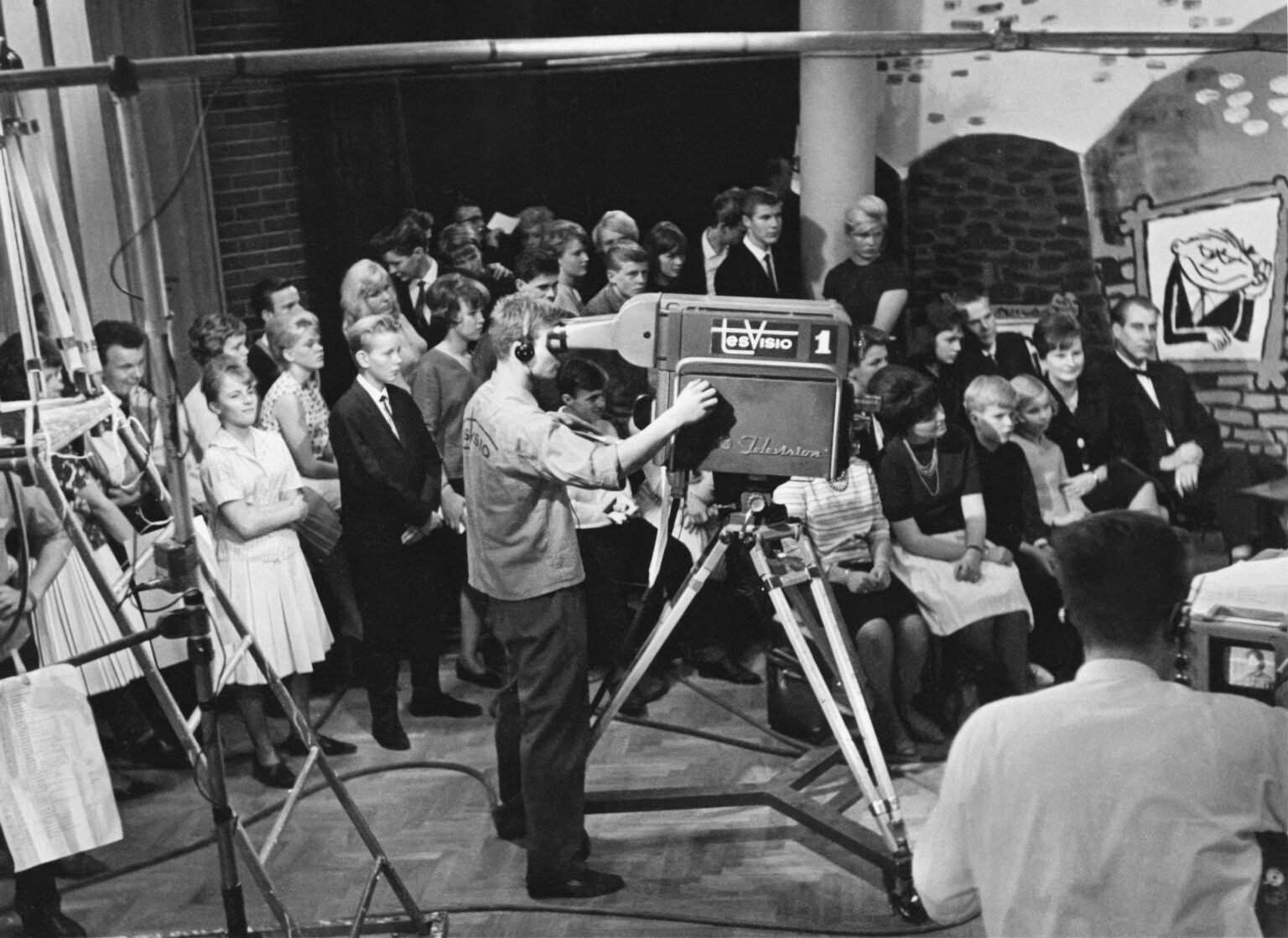
The advent of television in the early 20th century marked a significant paradigm shift in the entertainment industry, transitioning the focus from cinema to home-based viewing experiences. By the 1950s, television had emerged as a dominant medium for entertainment, paralleling the decline in cinema attendance. This shift was facilitated by the rapid adoption of television sets in households across the United States and beyond, creating an entirely new landscape for content consumption.
Television not only provided a platform for films but also gave rise to a variety of genres, including sitcoms, dramas, and even reality TV. The sitcom, characterized by its comedic portrayal of everyday life, became a staple of American culture, often portraying relatable characters and situations that resonated with audiences. Classic shows like “I Love Lucy” and “The Mary Tyler Moore Show” paved the way for future sitcoms, influencing the structure and format that many contemporary series still follow today.
In addition to sitcoms, television dramas gained immense popularity, offering viewers engaging narratives that tackled complex social issues. Series such as “Hill Street Blues” and “The Sopranos” are credited with elevating the television medium to an art form, demonstrating that television could tell compelling stories just as effectively as cinema. Meanwhile, the emergence of reality TV in the late 20th century introduced a new dynamic to viewer engagement, allowing audiences to follow real-life stories in an unscripted format, thereby further changing the way content was consumed and experienced.
Television has not only been a medium for entertainment but also a powerful influence in shaping cultural norms and societal values. The accessibility of television opened doors to new ideas, lifestyles, and perspectives, contributing significantly to the global exchange of culture. Through various programs, television has set trends, challenged stereotypes, and sparked discussions on pivotal issues, solidifying its place as a transformative force in the entertainment industry.
The Digital Revolution: Streaming and Online Media
The advent of the internet has significantly transformed the entertainment industry, leading to a profound shift in how consumers access and engage with various forms of media. In particular, the emergence of streaming services, such as Netflix and YouTube, has revolutionized the consumption of television shows, films, and music. These platforms have created on-demand content libraries that allow users to watch or listen to material at their convenience, thereby redefining traditional viewing habits.
Prior to the digital revolution, audiences relied heavily on scheduled programming and physical media, such as DVDs and CDs. With the rise of online media, consumers now enjoy unprecedented access to a vast array of content from around the globe. This shift has paved the way for new business models in the entertainment landscape, allowing creators and producers to reach audiences directly, bypassing traditional distribution channels.
Moreover, the ability for users to generate content has further changed the industry dynamics. Platforms like YouTube provide an accessible avenue for aspiring filmmakers, musicians, and performers to showcase their work without significant financial investment. The rise of user-generated content has democratized the entertainment industry, enabling diverse voices to emerge and connect with global audiences.
The influence of streaming services extends beyond simply changing how content is consumed; it has also affected the production landscape. As viewership data and viewer preferences are collected, producers can tailor their offerings to meet demand, leading to a greater variety of programming that resonates with specific audience segments. This data-driven approach complements the organic growth of user-generated content, fostering a diverse and enriched entertainment ecosystem. The digital revolution has irrevocably altered the framework of the entertainment industry, establishing a new paradigm characterized by accessibility, diversity, and engagement.
The Role of Social Media in Entertainment
Social media has transformed the entertainment industry by altering the dynamics between creators and their audiences. Platforms such as Instagram, Twitter, TikTok, and YouTube have enabled artists and entertainers to connect with fans on a more personal level. This evolution has shifted the landscape from traditional methods of engagement—such as television appearances and magazine interviews—to a more direct and immediate interaction between creators and their audience.
The concept of virality is a key aspect of this new media environment. A piece of content can spread rapidly across social networks, instantly reaching a global audience. This phenomenon allows artists to gain visibility and recognition at an unprecedented scale, often overnight. Content that resonates with viewers can lead to viral trends, propelling lesser-known creators into the spotlight. Virality not only amplifies an entertainer’s reach but can also create opportunities for collaboration and sponsorships that were once difficult to access through conventional channels.
Furthermore, social media has given rise to influencer culture, where individuals with substantial followings can sway public opinion and consumer behavior. Influencers have become pivotal in the marketing strategies of entertainment companies; their endorsements can significantly impact the success of projects such as movies, music releases, or live shows. This symbiosis highlights the importance of social media as a marketing tool in nurturing emerging talent and promoting established artists.
Another critical aspect of social media is the interactive environment it has fostered. Fans can readily share their opinions, create fan art, or discuss their favorite media, while artists often engage back, fostering a sense of community. This interaction has not only enhanced the consumption of entertainment but also cultivated loyalty among audiences, making them active participants rather than passive consumers.
Future Trends: The Next Evolution in Entertainment
The entertainment industry is poised for transformative changes driven by technological advancements. Among the most promising areas is virtual reality (VR), which is increasingly being integrated into various forms of entertainment, from gaming to cinema. VR technologies offer users immersive experiences that transport them into fantastical worlds, creating deeper emotional connections to content. As the hardware becomes more accessible and affordable, it is likely that mainstream audiences will embrace these new forms of storytelling.
Artificial intelligence (AI) also stands as a critical player in the future of entertainment, particularly in content creation. AI algorithms are already capable of generating music, writing scripts, and even producing visual art. These advances pave the way for novel storytelling techniques where AI collaborates with human creators to produce unique content tailored to specific audience preferences. This fusion of human creativity and machine precision could lead to innovative narratives and genres, reshaping the traditional entertainment landscape.
Moreover, the rise of immersive experiences through augmented reality (AR) is also noteworthy. By blending the physical and digital worlds, AR allows audiences to engage with entertainment in interactive ways, enhancing their overall experience. Events, such as concerts and theatre performances, can incorporate AR elements to create multi-sensory experiences that captivate viewers. As more consumers seek engaging, participatory entertainment options, these technologies will likely redefine how audiences consume content.
In summary, the entertainment industry is on the brink of a new evolution. The integration of virtual reality, artificial intelligence, and augmented reality represents significant shifts that could enhance storytelling, engage audiences in unprecedented ways, and ultimately redefine what entertainment looks like in the future. As these technologies mature, they will present new opportunities and challenges for creators and consumers alike.
Conclusion: The Ever-Changing Landscape of Entertainment
The evolution of the entertainment industry serves as a mirror reflecting societal changes and technological advancements over time. From classical music and the traditional theater to modern streaming platforms and virtual reality experiences, the entertainment sector has undergone significant transformations. Each era has brought forth new forms of content consumption, influenced by audience preferences and cultural shifts.
As we have explored the evolution of various entertainment mediums, it becomes evident that these changes are not static but rather a continuous process. The advent of digital technology has dramatically altered how content is created, distributed, and consumed, providing unprecedented access and engagement opportunities for audiences worldwide. This accessibility has democratized the entertainment landscape, allowing for diverse voices and stories to be shared and appreciated.
Moreover, the industry’s response to changing societal norms and expectations cannot be overlooked. The rise of social media platforms has reshaped how viewers interact with content, fostering a participatory culture where audiences become active contributors rather than passive consumers. This shift highlights the importance of adaptability within the industry, as content creators and producers strive to resonate with an increasingly discerning public that seeks authenticity and representation.
In summary, understanding the evolution of the entertainment industry is crucial for appreciating its cultural significance. The ongoing changes not only reflect technological advancements and societal trends but also signify the collective values and aspirations of society. As we look to the future, it is clear that the entertainment industry will continue to evolve, driven by innovation and the ever-changing tastes of its audience, ensuring its enduring relevance in our lives.

