

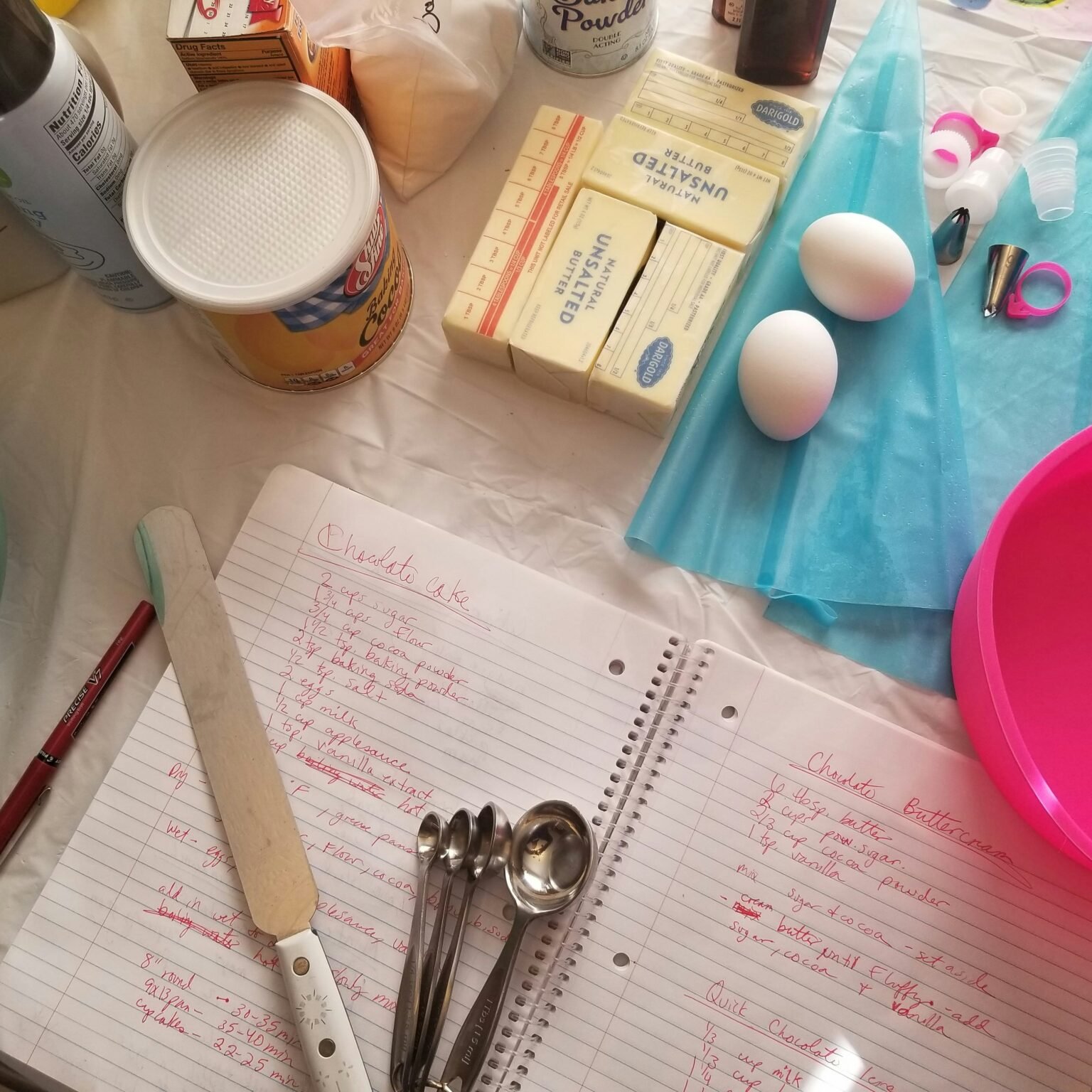

Understanding the Basics of Baking
Baking is a culinary process that involves cooking food by surrounding it with dry heat, typically in an oven. Unlike cooking methods that use moisture, such as boiling or steaming, baking transforms ingredients into a finished dish through the application of dry heat. At its core, the art of baking is both an art and a science. Understanding the fundamental principles behind this process is essential for beginners aspiring to become proficient bakers.
The science of baking revolves around the interactions of various ingredients when they are combined and heated. For instance, flour provides structure through the development of gluten, while fats, such as butter or oil, add tenderness and flavor. Sugar not only sweetens but also contributes to browning and moisture retention. Each ingredient plays a unique role in the final product, which is why precise measurements are crucial. Even slight variations in the quantity of ingredients can lead to significant changes in texture and flavor.
Temperature is another vital factor to consider in baking. The heat from the oven causes water in the batter or dough to evaporate, creating steam that helps leaven the baked goods. Additionally, the timing of the baking process is critical; underbaking can result in a dense or gooey product, while overbaking can lead to a dry and hard outcome. By paying careful attention to both temperature and time, bakers can achieve optimal results, ensuring their creations are not only visually appealing but also delicious.
In summary, mastering the fundamental concepts of baking—including the roles of ingredients, the importance of precise measurements, and the effects of temperature and time—is essential for beginners. This knowledge lays the foundation for successful baking experiences and the ability to replicate or innovate recipes with confidence.
Essential Baking Equipment for Beginners
Baking is a delightful pursuit, combining science and art to create delicious treats. For those just starting, having the right tools can significantly enhance the baking experience. Essential baking equipment ensures that beginners can efficiently execute recipes while achieving consistent results. Here, we will discuss the must-have tools for novice bakers.
Firstly, a set of reliable measuring cups and spoons is crucial. Accurate measurements are the foundation of successful baking; investing in dry and liquid measuring cups, alongside a set of measuring spoons, can pave the way for precise ingredient ratios. Additionally, a digital kitchen scale is advantageous for measuring flour and other ingredients by weight, providing higher accuracy.
An assortment of mixing bowls is also necessary for a beginner. Mixing bowls typically come in various sizes, allowing one to combine ingredients for different recipes without hassle. Opt for bowls made from glass or stainless steel, as they are durable and easy to clean.
Next on the list is a quality baking pan set, including a range of sizes such as loaf pans, cake pans, and muffin tins. Each pan type serves a specific purpose, such as cooking bread, cakes, and muffins to perfection. Beyond this, consider purchasing a baking sheet for cookies and a roasting pan for more substantial dishes.
Moreover, a stand mixer or a hand mixer can significantly reduce the effort required for mixing dough and batter. While hand mixing is possible, a mixer streamlines the process, especially for cake batters or bread doughs that require thorough incorporation. Lastly, baking mats or parchment paper come in handy to prevent sticking and facilitate easy cleanup.
In summary, having the proper baking equipment is essential for beginners to understand the fundamentals of baking. Investing in measuring tools, mixing bowls, versatile pans, and mixers can enhance the baking experience while yielding delicious results. With the right equipment, aspiring bakers can enjoy their journey into the world of baking with confidence.
Key Baking Ingredients Explained
Baking requires a variety of ingredients, each serving a specific purpose in the overall process. Understanding these ingredients can significantly enhance a beginner’s ability to execute recipes successfully. The primary components of baking include flour, sugar, eggs, butter, and leaveners, each playing a critical role in creating the desired texture and flavor of baked goods.
Flour is the backbone of most baked products. It provides structure through gluten development when combined with liquid. Different types of flour, such as all-purpose, bread, or cake flour, vary in their protein content, affecting the texture of the final product. For those avoiding gluten, alternative flours such as almond or coconut flour can serve as substitutes, but adjustments in liquid ratios may be necessary.
Sugar not only sweetens baked goods but also contributes to their texture and color, as it caramelizes during baking. Granulated sugar, brown sugar, and powdered sugar each yield different results based on their density and moisture content. Natural sweeteners like honey or agave syrup can substitute for sugar, although they may require adjustments in liquid ingredients in a recipe.
Eggs serve multiple functions in baking. They bind ingredients, add richness, and help leaven baked products. For those with dietary restrictions, replacing eggs can be achieved through flaxseed meal mixed with water, applesauce, or commercial egg replacers, which can retain the moisture and structure in the final product.
Butter, a source of fat, provides flavor and tenderness. It helps create layers in pastries and contributes to a moist crumb in cakes. If dairy-free alternatives are needed, coconut oil or plant-based margarine can be used effectively, although this may alter the taste and texture slightly.
Leaveners, such as baking powder and baking soda, are crucial for providing rise in products like bread or cakes. They produce gas bubbles that expand during baking. Substitutes for baking powder include a mixture of baking soda and vinegar, while yeast can also be used for rising but operates under a different mechanism.
Simple Baking Recipes to Start With
For those embarking on the exciting journey of baking, beginning with simple recipes can significantly increase confidence and skill. Here, we present a selection of easy-to-follow recipes that appeal to all beginners, requiring only basic techniques and readily available ingredients.
Classic Chocolate Chip Cookies: This timeless recipe is perfect for novices. Start by creaming together 1 cup of softened butter with 1 cup of brown sugar and ½ cup of granulated sugar. Add 2 eggs and 1 teaspoon of vanilla extract, mixing until combined. In a separate bowl, sift together 2 cups of flour, 1 teaspoon of baking soda, and a pinch of salt. Gradually mix the dry ingredients into the wet ingredients before folding in 2 cups of chocolate chips. Drop spoonfuls of the dough onto a prepared baking sheet and bake at 350°F (175°C) for 10-12 minutes.
Simple Vanilla Cake: Another beginner-friendly recipe is a vanilla cake. In a mixing bowl, combine 1 ¾ cups of all-purpose flour, 1 ½ teaspoons of baking powder, and a pinch of salt. In a separate bowl, cream ½ cup of softened butter and 1 cup of granulated sugar until light and fluffy. Beat in 2 eggs and 2 teaspoons of vanilla. Gradually add the dry mixture to the wet ingredients, alternating with ½ cup of milk. Pour the batter into a greased cake pan and bake for 30-35 minutes at 350°F (175°C), or until a toothpick comes out clean.
No-Knead Bread: For those interested in bread making, a no-knead bread is an excellent place to start. Combine 3 cups of all-purpose flour, 1 ½ teaspoons of salt, and ½ teaspoon of yeast in a large bowl. Stir in 1 ½ cups of warm water until a shaggy dough forms. Cover the bowl with plastic wrap and let it sit at room temperature for 12 to 18 hours. Once it has risen, shape it gently and let it rest while preheating your oven. Bake in a Dutch oven at 450°F (232°C) for 30 minutes with the lid on, then another 15 minutes uncovered to achieve a golden crust.
These basic baking recipes are a foundational step for any novice baker. Each recipe not only offers the satisfaction of creating something delicious but also helps in mastering essential baking techniques. By practicing these simple recipes, beginners will build confidence and prepare for more complex creations in the kitchen.
Baking Techniques Every Beginner Should Know
Understanding fundamental baking techniques is essential for any novice baker aiming to create delicious and visually appealing baked goods. Mastering these techniques not only enhances your skills but also boosts your confidence in the kitchen.
Firstly, accurate measuring is crucial in baking. Unlike cooking, where ingredients can be adjusted to taste, baking is a science that requires precision. Use dry measuring cups for solids like flour and sugar, and liquid measuring cups for liquids. It is advisable to spoon the flour into the measuring cup and level it off with a straight edge for an accurate measurement. Similarly, if a recipe calls for weight measurements, utilizing a kitchen scale can yield the best results.
Next, mixing is a fundamental technique that determines the texture of your baked goods. Different recipes require different mixing methods, such as the creaming method for cakes, where butter and sugar are beaten together until light and fluffy. For muffins, a technique known as the muffin method is used, combining wet and dry ingredients separately before folding them together. This minimizes gluten development, ensuring a tender crumb.
Folding is another important technique, especially when incorporating delicate ingredients such as whipped cream or beaten egg whites into a batter. This method is gentle and prevents the mixture from deflating, maintaining the lightness that is essential in recipes like soufflés or chiffon cakes.
Lastly, kneading is crucial for bread-making, as it develops gluten which gives bread its structure. Start by gathering the dough into a ball and then pushing it away from you with the heel of your hand. Rotate it a quarter turn and repeat the process for several minutes until the dough is smooth and elastic.
By mastering these essential baking techniques, beginners will find themselves well-equipped to tackle a variety of recipes, laying a solid foundation for their baking journey.
How to Avoid Common Baking Mistakes
Baking, while a rewarding endeavor, often presents challenges for beginners. One of the most prevalent mistakes is overmixing the batter. This occurs when flour is combined with liquid ingredients beyond the point necessary for proper incorporation, causing the gluten to develop excessively. As a result, baked goods can emerge dense and chewy instead of light and airy. To mitigate this, gently mix the ingredients until just combined; small lumps are acceptable and typically resolve during the baking process.
Another frequent issue stems from inaccurate measurements. Baking is a science, and precision is crucial when it comes to ingredient quantities. Utilizing a kitchen scale can enhance measurement accuracy, particularly for dry ingredients like flour and sugar, which can vary greatly based on how they are scooped. Additionally, when measuring liquids, ensure that the measuring cup is placed on a flat surface and viewed at eye level to avoid discrepancies that arise from improper angles.
The temperature of ingredients can also significantly impact baking results. Beginners often overlook the importance of room-temperature ingredients, especially eggs and butter. Cold ingredients can lead to uneven baking, which can affect the texture and rise of baked goods. To allow butter to soften at room temperature, cut it into smaller pieces and leave it out for about 30 minutes prior to mixing.
Lastly, novice bakers may fail to read the entire recipe and fully comprehend the steps involved. Rushing through instructions can lead to critical oversights, ultimately resulting in unsatisfactory outcomes. A thorough understanding of the methodology can prevent a plethora of errors, enabling bakers to gain confidence and produce consistently delightful results.
The Importance of Oven Settings and Baking Times
Understanding the various oven settings is paramount for anyone embarking on the baking journey. Different settings can substantially influence the outcome of baked products, making it essential for beginners to familiarize themselves with their ovens. The two most common types of baking are conventional baking and convection baking. Conventional baking employs stationary heating elements, which can create hot spots in the oven, potentially resulting in unevenly baked goods. This method is often preferable for recipes requiring a gradual rise, such as cakes and soufflés.
In contrast, convection baking involves a fan that circulates hot air throughout the oven, leading to faster and more even cooking. This setting is beneficial for roasted items and cookies, as it promotes browning and enhances texture. However, when using convection, it is advisable to lower the baking temperature by approximately 25°F to avoid over-baking. Adjusting the temperature is crucial—an oven that runs hot or cold can spoil an otherwise perfect recipe.
Furthermore, baking times vary depending on the specific oven and the chosen setting. It is essential for novice bakers to regularly check on their baked goods several minutes before the recipe suggests to avoid over-baking. For instance, if a recipe indicates a baking time of 30 minutes, consider checking the progress at 25 minutes. Using a toothpick or cake tester to gauge doneness can be a reliable method; if it comes out clean or with few crumbs, it is likely time to remove the item from the oven.
Overall, understanding oven settings and adjusting accordingly can significantly enhance one’s baking proficiency. By becoming familiar with these nuances, beginners can greatly improve their baking results, turning simple recipes into delightful creations.
Creative Baking: Putting Your Spin on Recipes
Baking is not only a science but also an art form that allows for personal expression. Beginners may often feel intimidated by traditional recipes, adhering strictly to guidelines. However, one of the joys of baking is the potential to modify recipes to suit individual tastes. This section aims to illuminate how to effectively introduce personal elements while maintaining the essence of successful baking.
A great starting point is to explore flavor variations. For instance, if a recipe calls for vanilla extract, consider substituting it with almond extract or adding citrus zest for a refreshing twist. Incorporating spices such as cinnamon or nutmeg can elevate standard recipes, offering unexpected depth and warmth. Introducing seasonal ingredients like pumpkin puree in the fall or fresh berries in the summer can also provide a unique flavor profile that resonates with the time of year.
Another aspect of creative baking involves experimenting with texture and structure. By replacing flour with alternative grains, such as almond or oat flour, or adding elements like nuts and seeds, one can create distinct textures that complement the sweetness of baked goods. This not only personalizes the dish but also allows for healthier modifications that can align with dietary preferences.
While inviting creativity, beginners should remember to keep certain baking fundamentals in mind. Maintaining the right balance of wet and dry ingredients is essential for achieving the desired consistency. Therefore, when making substitutions, be prepared to adjust other elements in the recipe. For instance, if reducing sugar, one might need to increase leavening agents to ensure proper rise.
Ultimately, adventurous baking can lead to delightful surprises and the creation of signature recipes. Permit yourself the freedom to deviate from conventional methods, and embrace the culinary exploration that comes with putting your personal spin on baked goods.
Resources for Further Learning
In the world of baking, mastering techniques and experimenting with new recipes can significantly enhance one’s skills and enjoyment of this culinary art. For beginners eager to elevate their baking repertoire, a wealth of resources is available to facilitate continued learning and exploration. Whether through books, blogs, or online courses, each offers unique advantages that can cater to different learning preferences.
One highly recommended resource is a selection of baking books that cater to varying skill levels. Titles such as “The Joy of Baking” and “Baking: From My Home to Yours” offer comprehensive guides that cover fundamental techniques, ingredient information, and a variety of recipes. These books often delve into the science behind baking, allowing beginners to understand the reactions that occur in the oven, thus enhancing their baking proficiency.
In addition to traditional books, numerous baking blogs provide a modern twist on learning. Websites like “Sally’s Baking Addiction” and “The Pioneer Woman” not only feature recipes but also offer tips, tricks, and step-by-step guides that can be particularly useful for novice bakers. The interactive nature of these blogs, often incorporating user comments and variations, supports a community-based learning environment.
Furthermore, online platforms such as Skillshare and MasterClass provide structured courses led by experienced bakers and chefs. These courses often encompass everything from basic bread-making to intricate pastry techniques, allowing beginners to choose classes that align with their interests.
Ultimately, engaging with a combination of books, blogs, and online courses will bolster a beginner’s confidence in baking. The pursuit of knowledge in this art form leads to innovation and creativity in the kitchen, making every bake a step towards expertise.

