

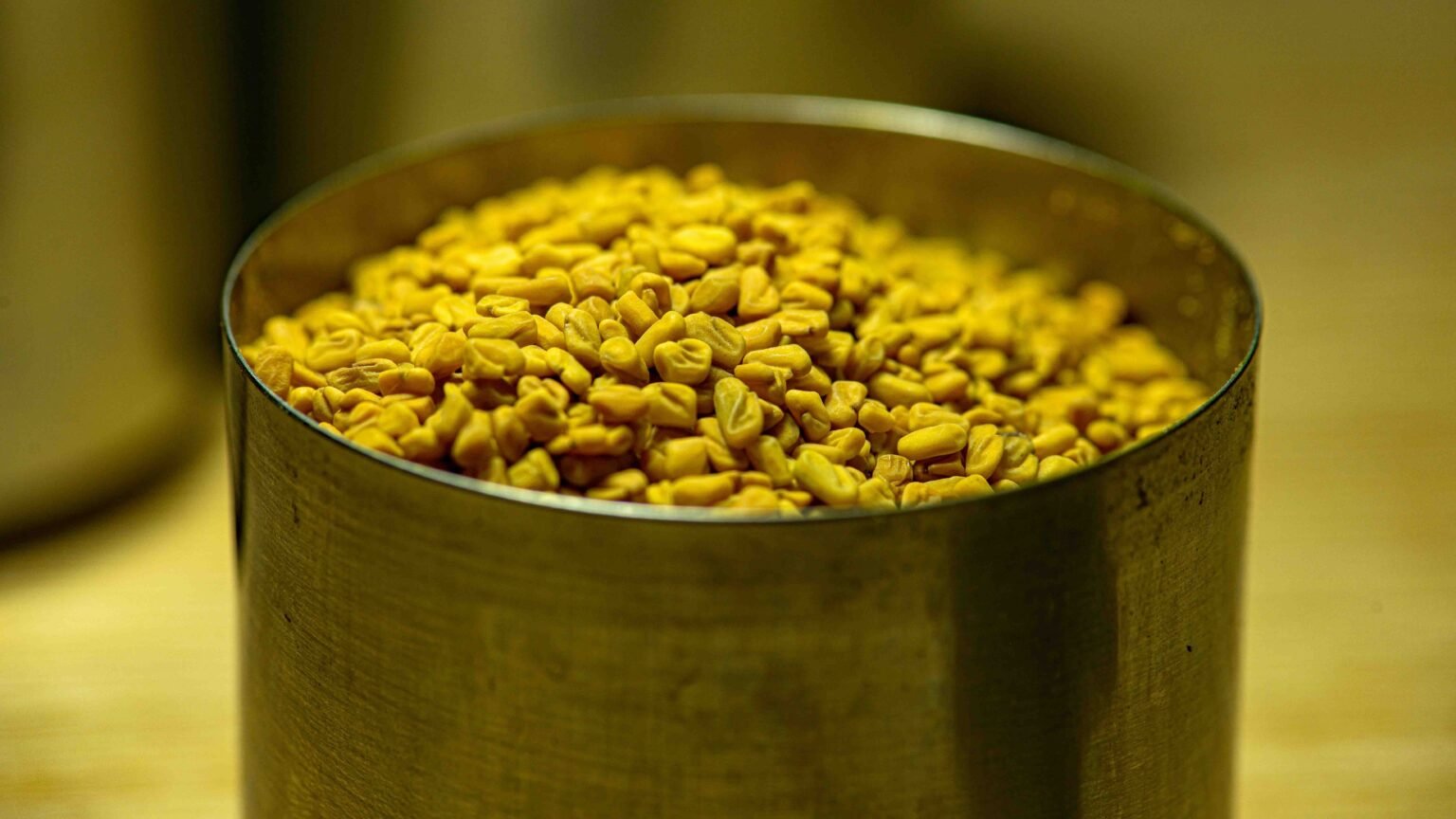

Introduction to Fenugreek Plant
The fenugreek plant, scientifically known as Trigonella foenum-graecum, is a versatile herb that has gained recognition across various cultures for its culinary and medicinal applications. This leguminous plant is native to the Mediterranean region, as well as parts of Asia and Africa. Its historical significance can be traced back to ancient civilizations, where it was not only valued as a food source but also revered for its health benefits.
In the culinary world, fenugreek seeds are a prominent spice, widely used in Indian cuisine. The leaves of the fenugreek plant, known as ‘methi,’ are also a popular ingredient, adding flavor and nutrition to dishes. Its distinct aroma and slightly bitter taste make it an essential part of spice blends, particularly in curries and pickles. Moreover, fenugreek is often used in various forms, such as fresh leaves, dried leaves, and ground seeds, emphasizing its multifaceted character.
Traditionally, fenugreek has been employed in various cultures as a natural remedy for numerous ailments. In Ayurvedic medicine, it is believed to possess properties that aid digestion, lower blood sugar levels, and enhance breast milk production in nursing mothers. Its rich composition, including vitamins, minerals, and antioxidants, contributes to its standing as a holistic treatment for several health issues.
As interest in natural remedies and organic gardening continues to grow, the fenugreek plant has become increasingly popular among home gardeners and health enthusiasts alike. Its ability to thrive in diverse conditions makes it an attractive option for cultivation, whether in small urban gardens or larger farms. The myriad benefits and uses of fenugreek make it a remarkable plant worthy of exploration.
Health Benefits of Fenugreek
The fenugreek plant, a herb native to the Mediterranean region and parts of Asia, is renowned for its diverse health benefits. One of the most acclaimed properties of fenugreek is its ability to aid digestion. The seeds of this plant are rich in soluble fiber, which can alleviate digestive issues such as constipation and bloating. Consuming fenugreek may also promote a healthy gut environment, potentially reducing occurrences of gastrointestinal discomfort.
Additionally, fenugreek is considered beneficial for regulating blood sugar levels, making it particularly valuable for individuals with diabetes. Several studies have suggested that fenugreek might enhance insulin sensitivity and improve glucose tolerance in those suffering from this chronic condition. By incorporating fenugreek into their diets, individuals can work towards achieving better glycemic control.
Another significant health aspect of the fenugreek plant is its role in cholesterol management. Research indicates that fenugreek may help lower LDL cholesterol (often referred to as “bad” cholesterol) while also promoting higher levels of HDL cholesterol (the “good” cholesterol). This balance can be pivotal in reducing the risk of heart disease.
Moreover, fenugreek is often recommended for breastfeeding mothers to support lactation. The seeds are rich in phytoestrogens, which can enhance milk production, providing new mothers with additional nutritional support for their infants. The use of fenugreek in lactation management is backed by anecdotal evidence, and many healthcare providers regard it as a natural and effective option.
In summary, the fenugreek plant offers a variety of health benefits, including improvements in digestion, blood sugar regulation, cholesterol management, and lactation support, making it a valuable addition to a balanced diet. Further research and expert opinions continue to explore and substantiate these properties, solidifying fenugreek’s status as a beneficial herb.
Culinary Uses of Fenugreek
The fenugreek plant, also known as Trigonella foenum-graecum, has been widely utilized in various cuisines around the world due to its distinctive flavor and remarkable nutritional benefits. Both the leaves and seeds of the fenugreek plant can be incorporated into daily cooking, offering versatility that enhances numerous dishes.
One of the most common ways to utilize fenugreek seeds is by toasting them lightly before adding them to curries and stews. This method elevates their natural aroma, contributing a nutty, slightly bittersweet flavor that complements a variety of ingredients. In Indian cuisine, roasted fenugreek seeds are a key component of spice blends such as panch phoron and garam masala, enriching the flavor profile of lentil dishes, vegetables, and meats.
Fresh fenugreek leaves, often referred to as methi, bring a slightly peppery taste to various recipes. They can be used to prepare dishes such as fenugreek parathas or added to sautéed vegetables. Furthermore, the leaves can be included in salads or used as a garnish, offering both flavor and nutritional benefits. The fenugreek plant is rich in vitamins A, C, and K, as well as minerals like iron and calcium, adding to the overall healthiness of meals.
Another popular way to enjoy fenugreek is by incorporating it into dishes like soups and sauces, where it can be used to add depth and complexity. Fenugreek-infused oil can also serve as a flavorful base for various marinades and dressings. With its extensive applications in cooking, the fenugreek plant encourages explorers of culinary arts to experiment with this remarkable ingredient. As health-conscious individuals seek out natural remedies and flavors, fenugreek will likely remain a staple in many kitchens around the globe.
Nutritional Profile of Fenugreek
The fenugreek plant, known scientifically as Trigonella foenum-graecum, provides a rich array of nutrients contributing to its status as a superfood. This plant is not only famous for its culinary uses but also recognized for its health benefits derived from its nutritional composition.
One of the remarkable aspects of the fenugreek plant is its high protein content. Fenugreek seeds contain approximately 25% protein, making it a beneficial addition to vegetarian and vegan diets. Additionally, the seeds are a source of essential amino acids, which are vital for various bodily functions, including tissue repair and muscle growth.
In terms of vitamins, the fenugreek plant is particularly abundant in vitamin B6, which plays a crucial role in metabolism and the synthesis of neurotransmitters. Furthermore, fenugreek contains vitamins A, C, and K, each contributing to overall health.
Minerals are another important component of fenugreek’s nutritional profile. The plant is a notable source of iron, which is essential for red blood cell production, and magnesium, which supports over 300 biochemical reactions in the body. Other minerals found in fenugreek include potassium, calcium, and zinc, all of which are crucial for maintaining various physiological functions.
Fenugreek also houses several phytonutrients, including antioxidants, which help combat oxidative stress in the body. These compounds may help reduce the risk of chronic diseases like heart disease and diabetes by improving metabolic health.
Overall, the fenugreek plant’s diverse nutritional profile underscores its significance in promoting well-being and health, further solidifying its reputation as a superfood in contemporary nutrition.
How to Grow Fenugreek at Home
Growing fenugreek at home is a rewarding endeavor that can yield fresh herbs for culinary use and provide variety in your garden. The fenugreek plant flourishes in proper soil conditions and climate, requiring specific attention to these factors to ensure successful growth.
The ideal soil for cultivating the fenugreek plant is well-draining, loose, and rich in organic matter. A pH level ranging from 6.0 to 7.0 is most suitable for optimal growth. Gardeners should consider incorporating compost or well-rotted manure into the soil to enhance its nutrient profile. Seeds can be sown directly into garden beds or in pots, ensuring enough space is provided as fenugreek plants can grow quite large.
Fenugreek prefers warm climates and thrives best in temperatures between 65°F to 75°F (18°C to 24°C). It is essential to provide ample sunlight, so choosing a location that receives full sun for at least six hours a day is crucial. In cooler climates, starting seeds indoors or in greenhouses may be beneficial, allowing for earlier growth before transplanting outdoors once the climate warms up.
Once planted, the fenugreek plant requires regular watering, especially during dry spells. However, care should be taken to avoid waterlogged conditions, as this may lead to root rot. A consistent moisture level in the soil will encourage strong germination and growth. Typically, germination occurs within 7 to 14 days of planting the seeds.
To promote healthier growth and higher yields, it is advisable to thin out seedlings, allowing only the strongest to flourish. Regular harvesting of leaves will also stimulate further growth. By following these guidelines, you can cultivate your fenugreek plant effectively, enriching your home garden.
Common Pests and Diseases Affecting Fenugreek
Fenugreek plants, like many other crops, are susceptible to various pests and diseases that can adversely affect their growth and yield. Understanding these threats is crucial for gardeners aiming to cultivate healthy fenugreek plants and maximize their harvest.
One of the most common pests affecting the fenugreek plant is the aphid. These small, sap-sucking insects can cause significant damage by feeding on the plant’s nutrients, leading to stunted growth and reduced yield. To manage aphid infestations, gardeners can introduce natural predators such as ladybugs or apply insecticidal soap as an effective treatment.
Another pest that poses a threat to fenugreek is the leafcutter bee. While these bees are generally beneficial for pollination, they can also cut chunks out of the plant leaves, resulting in a decrease in photosynthesis efficiency. Row covers can help protect fenugreek plants from becoming targets of these pests.
In addition to pests, fenugreek plants can be prone to diseases such as powdery mildew and root rot. Powdery mildew is a fungal infection that appears as white, powdery spots on leaves, thriving in humid conditions. Ensuring good air circulation and applying organic fungicides can help prevent and treat this disease. Root rot, often caused by overwatering or poorly draining soil, can decimate fenugreek crops. To combat this, gardeners should ensure the soil is well-drained and practice appropriate watering techniques to maintain optimal moisture levels.
Protecting fenugreek from pests and diseases involves keen observation and proactive management. By implementing preventive measures and treating issues quickly, gardeners can ensure their fenugreek plants thrive and produce a healthy harvest.
Harvesting and Storing Fenugreek
Harvesting the fenugreek plant effectively requires attention to timing and technique to ensure quality and flavor. For tender fenugreek leaves, it is best to start harvesting when the plant is about 6 to 8 inches tall, usually within 3 to 6 weeks after planting. When harvesting, use sharp gardening shears to cut the leaves, ensuring that the remaining plant can continue to grow and produce more foliage. Select the outer leaves first, as these are the most mature, allowing the inner leaves to mature further. This technique not only prolongs the plant’s productivity but also provides a continual supply of fresh leaves.
For those looking to harvest fenugreek seeds, timing is crucial. Wait until the pods of the fenugreek plant turn brown and indicate ripeness, which typically occurs around 90 to 100 days after planting. When the pods are dry, they can be collected by snipping them off with scissors or shears. It is important to handle these pods gently to prevent the seeds from spilling out prematurely.
To store fenugreek leaves, it is advisable to wash them gently and dry them before placement in an airtight container. The leaves can be stored in the refrigerator, where they will remain fresh for up to a week. For longer storage, blanching and freezing fenugreek leaves can preserve their flavor and nutritional quality. When it comes to fenugreek seeds, store them in a cool, dark place in an airtight jar to maintain their potency, as exposure to light and air can diminish their flavor. Proper harvesting and storage methods not only enhance the culinary use of fenugreek but also maximize its health benefits.
Fenugreek in Traditional Medicine
The fenugreek plant, scientifically known as Trigonella foenum-graecum, has been utilized in traditional medicine for centuries across various cultures. Its leaves, seeds, and extracts have played a significant role in herbal remedies, demonstrating a rich history within global healing traditions.
In Indian Ayurvedic practices, fenugreek has been highly regarded for its myriad health benefits. The seeds are known to possess anti-inflammatory properties and are often utilized to manage blood sugar levels in individuals with diabetes. Furthermore, this plant has been employed to enhance digestion and alleviate gastrointestinal discomfort, reflecting its importance in maintaining overall well-being.
Similarly, traditional Chinese medicine has recognized the fenugreek plant as a potent agent for combating gastrointestinal discomfort and promoting lactation in nursing mothers. The seeds are often consumed or brewed into teas for their warming properties and are thought to stimulate appetite, aiding in recovery for those with weakened constitutions.
In many Middle Eastern cultures, fenugreek is also integrated into dietary practices, where its therapeutic qualities are acknowledged. Its seeds are commonly used in culinary dishes, not only as a spice but also as a natural remedy for conditions such as sore throat and respiratory issues, showcasing its versatility and holistic applications.
Despite the lack of extensive clinical trials to support all anecdotal uses, the longstanding presence of fenugreek in traditional medicine highlights the plant’s significant role in historical and cultural contexts. The continued exploration of its benefits in contemporary herbal medicine serves as an avenue for further research, particularly in understanding its full potential and applications.
Conclusion: Embracing the Power of Fenugreek
Throughout this blog post, we have explored the numerous benefits and versatile uses of the fenugreek plant. From its historical significance in various cultures to its contemporary applications in modern nutrition and herbal remedies, fenugreek serves as a remarkable addition to both diets and wellness practices. Its potential health benefits, such as aiding digestion, managing blood sugar levels, and promoting heart health, highlight the importance of integrating this plant into our daily routines.
Incorporating fenugreek into your diet can be straightforward and enjoyable. Whether you choose to add the seeds to your dishes, use fenugreek powder in recipes, or opt for fenugreek-infused teas, there are many delicious ways to experience its unique flavor and health-promoting properties. Additionally, leveraging fenugreek through supplements offers an alternative for those who may find it challenging to include it in their meals regularly.
For those interested in a more hands-on approach, considering cultivating your own fenugreek plant can be quite rewarding. This low-maintenance herb thrives in various conditions and can be easily grown in gardens or containers. By growing fenugreek, not only do you gain access to a fresh supply of this healthful ingredient, but you also experience the joy of nurturing a plant that has been valued for centuries.
In conclusion, fenugreek is more than an ordinary herb; it occupies a significant space in both culinary and medicinal realms. Exploring its benefits and uses can enhance your overall well-being. We encourage you to delve deeper into the many ways fenugreek can contribute to a healthier lifestyle and consider adding this remarkable plant to your kitchen or garden.

