

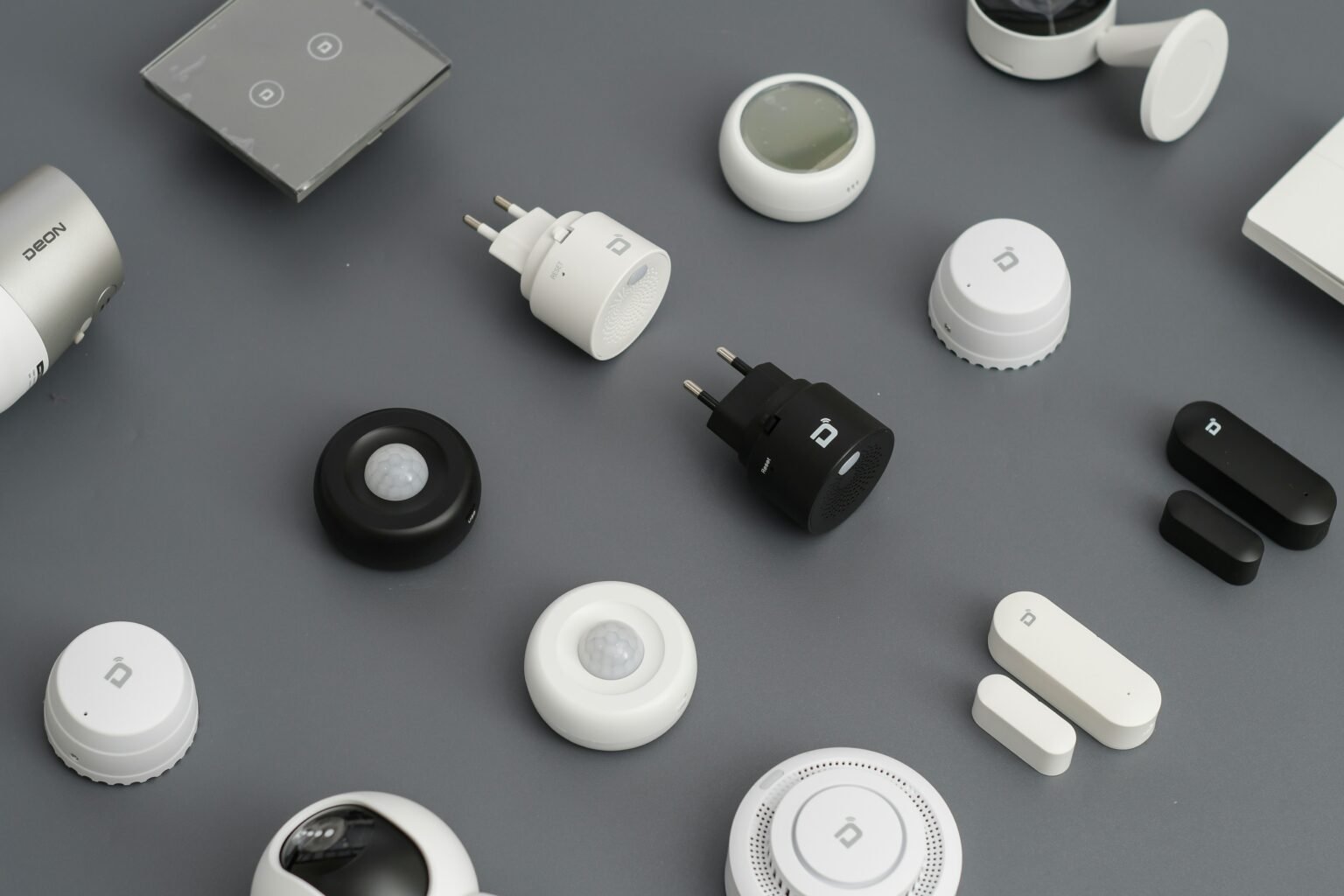

Introduction to Smart Home Technology
Smart home technology represents a significant evolution in the way homeowners interact with their living spaces. At its core, it encompasses devices and systems that can be controlled remotely, often through a smartphone application or a smart speaker. This technology has gained traction in recent years, largely due to advancements in the Internet of Things (IoT), which enables everyday objects to connect and communicate over the internet, providing users greater control and insights into their homes.
The journey of smart homes began with standalone devices like programmable thermostats and has since expanded into a sophisticated ecosystem of interconnected gadgets. Today, smart homes can integrate lighting, security systems, appliances, and even heating and cooling systems into one seamless interface. This level of integration not only enhances convenience but also gives homeowners a heightened sense of security and control over their environments.
There are several compelling reasons why homeowners are opting for these smart upgrades. First, they offer remarkable convenience, allowing homeowners to manage multiple aspects of their household with ease, often from afar. For instance, individuals can adjust their home’s temperature or check their security cameras while at work or vacationing. Furthermore, the energy efficiency associated with smart technology can lead to lower utility bills. Smart thermostats and lighting systems can adjust their settings based on usage patterns, helping to reduce energy consumption.
Moreover, the security enhancements offered by smart home technology cannot be overlooked. Smart locks, cameras, and alarm systems provide peace of mind, enabling homeowners to monitor their properties in real time. Furthermore, many systems can send alerts directly to a user’s mobile device, ensuring they are always connected and informed about their home’s safety. As smart technology continues to advance, the potential benefits in home management, energy savings, and enhanced security are driving more homeowners to embrace these innovations.
Assessing Your Needs and Goals
When considering smart home upgrades, the first step is to assess your specific needs and goals. This evaluation not only helps to set clear objectives but also ensures that the enhancements align with your lifestyle and preferences. Start by reflecting on the tasks you wish to automate. For instance, if your schedule is often hectic, you might prioritize automation features that streamline daily routines, such as smart lighting systems that can adjust based on time of day or motion detection.
Next, consider areas within your home that could benefit from improved efficiency or security. Many homeowners find value in smart thermostats, which allow them to manage energy consumption more effectively, thus resulting in lower utility bills. Assessing your energy management needs can help you decide whether investments in energy-efficient lighting, smart plugs, or comprehensive energy monitoring systems are necessary.
Additionally, security should be a significant factor in your assessment. Many individuals seek to bolster their home’s safety through upgrades like smart locks, security cameras, or comprehensive security systems that integrate with their smartphones. An evaluation of potential vulnerabilities in your home can guide your decision-making process regarding which systems would provide the most value.
Finally, evaluate your entertainment needs. Consider how you interact with various media in your home. Smart speakers and sound systems can enhance your entertainment experience significantly. Prioritizing specific rooms, like the living room for movies or a home office for work-related audio, can facilitate a more enjoyable and productive environment.
In conclusion, assessing your needs and goals is vital when contemplating smart home upgrades. By recognizing and prioritizing specific areas needing enhancement, you can make informed decisions that cater to your lifestyle, thereby maximizing the benefits of smart technology in your home.
Essential Smart Home Devices
As technology continues to advance, smart home devices have become increasingly popular among homeowners seeking convenience and security. Incorporating these devices can enhance the functionality of a home while improving energy efficiency and overall safety. This section explores several essential smart home devices that you should consider.
One of the most prominent smart home devices is the smart thermostat. These devices allow homeowners to control their heating and cooling systems remotely, often through a mobile app. Smart thermostats can learn user preferences and adjust temperatures automatically, leading to potentially significant savings on energy bills. Popular models also provide detailed reports regarding energy consumption and recommendations for optimization.
Another essential device is the smart lighting system. These systems enable users to control their home lighting using voice-activated assistants or mobile applications. Features often include dimming capabilities, scheduling, and remote access. Additionally, smart lighting can be programmed to mimic natural daylight, which can help enhance mood and promote better sleep hygiene.
Security is paramount in any home, which is where smart security cameras come into play. These devices offer real-time video surveillance accessible from anywhere, allowing homeowners to monitor their property remotely. Many smart security cameras feature motion detection, night vision, and two-way audio, providing an additional layer of protection. Some models also integrate with other smart home devices for enhanced security functionalities.
Finally, smart locks serve as a vital part of a home’s security system. They enable homeowners to lock and unlock doors using smartphones or key codes. Users can grant temporary access to guests through digital keys and receive notifications when the door is accessed. Many smart locks can also integrate with security systems and smart assistants, creating a seamless home security solution.
All these smart home devices not only provide increased comfort and accessibility but also add a significant boost to home security and energy efficiency, making them essential additions to any modern home system.
Enhancing Energy Efficiency
In today’s environmentally conscious world, enhancing energy efficiency through smart home upgrades is not only beneficial for the planet but also for homeowners’ finances. Integrating smart technology can lead to significant reductions in energy consumption, promoting a more sustainable lifestyle. One of the most effective upgrades is the installation of smart thermostats. These devices learn from the homeowners’ schedules and preferences, automatically adjusting heating and cooling systems to optimize energy use. By utilizing features such as remote access and geofencing, smart thermostats can ensure heating or cooling only occurs when necessary, leading to reduced energy bills.
Another pivotal technology in the realm of energy efficiency is energy monitoring systems. These systems provide real-time insights into energy consumption patterns across the home. By identifying which appliances or systems are consuming the most energy, homeowners can make informed decisions about usage and consider replacing inefficient devices. Many of these monitoring systems also allow users to set energy-saving goals and receive notifications when consumption exceeds predetermined limits, further promoting mindful energy use.
Smart appliances also play a significant role in enhancing energy efficiency. These devices are designed to consume less energy compared to their traditional counterparts. For instance, smart refrigerators and washing machines often include features that optimize their operation based on energy rates, while smart lighting systems allow for programmable schedules and remote controls, ensuring lights are only on when needed. Investing in these technologies not only translates to lower utility bills but also contributes to reducing one’s carbon footprint.
Improving Home Security with Smart Tech
In today’s world, ensuring the safety of your home has become imperative, and smart home technology offers innovative solutions to enhance security measures effectively. Homeowners can adopt several smart security upgrades that not only bolster security but also provide real-time monitoring capabilities and alert systems.
One of the most popular smart home security features is the smart lock. These devices allow homeowners to lock or unlock their doors remotely using mobile applications. With smart locks, you can grant temporary access to guests or service personnel without needing to be physically present. Moreover, many smart locks provide notifications when the door is accessed, thus helping homeowners keep track of all entries and exits.
Another essential component of smart home security is the doorbell camera. These devices not only allow you to see who is at your door but also enable you to interact with visitors through two-way audio. Doorbell cameras typically come with motion detection features and can send alerts to your smartphone when someone approaches your doorstep, enhancing your situational awareness. This can deter potential intruders and provide valuable video evidence if required.
Additionally, motion-sensor lights are a vital part of any effective home security strategy. These lights illuminate areas around your home when they detect movement, which can dissuade intruders from attempting to enter your property. Many models can be integrated with smart home systems, allowing homeowners to control them remotely and schedule activations based on their preferences.
Utilizing such smart tech products can significantly enhance the security of your home and provide peace of mind. The combination of smart locks, doorbell cameras, and motion-sensor lights creates a comprehensive security environment, keeping homeowners informed and secure in an ever-evolving perilous world.
Creating an Integrated Smart Home Ecosystem
In recent years, the advent of smart devices has revolutionized the way we interact with our living spaces. However, to truly reap the benefits of these advancements, it is essential to ensure interoperability between various smart devices. An integrated smart home ecosystem allows devices to communicate with one another and work in unison, significantly enhancing the user experience.
Several platforms exist to facilitate this integration, including Google Home, Amazon Alexa, and Apple HomeKit. Each of these systems serves as a centralized hub, enabling users to control multiple devices seamlessly. For instance, with the help of Google Home, users can manage their lighting, thermostat, and security cameras all from a single application or voice command. This level of control reduces the complexity associated with juggling multiple device apps and enhances the overall convenience of smart home automation.
Creating routines and automations is a hallmark of a well-integrated smart home. Through routine setups, users can program their devices to respond to specific triggers. For example, one may configure a morning routine that gradually brightens the bedroom lights, starts the coffee maker, and adjusts the thermostat to a comfortable temperature. Such automations not only simplify daily tasks but also elevate the sense of comfort and efficiency within the household.
Furthermore, an integrated system can contribute to enhanced security. Smart doorbells equipped with cameras can notify homeowners when someone approaches, whereas smart locks can be programmed to unlock when the owner’s smartphone is nearby. This synergy promotes a heightened sense of safety without overwhelming the user with complicated controls.
In conclusion, establishing an interoperable smart home ecosystem is fundamental for maximizing the benefits of modern technology. By leveraging platforms that facilitate device communication, homeowners can create a harmonious living environment tailored to their specific needs, ultimately leading to improved comfort, convenience, and security.
User-Friendly Control Systems
In the realm of smart home technology, user-friendly control systems play a pivotal role in enhancing the overall experience for homeowners. With the rapid advancement of smart devices, the necessity for intuitive and accessible management solutions has become increasingly important. Various control systems are available that can seamlessly integrate with multiple devices within a smart home environment.
Mobile applications are one of the most popular methods for managing smart home devices. These apps allow users to control everything from lighting and temperature to security systems from the convenience of their smartphones or tablets. With clear layouts and streamlined navigation, mobile apps often provide features such as remote access, notifications, and personalized settings, ensuring complete control at users’ fingertips.
Voice control is another emerging technology that has gained significant traction. Devices equipped with voice recognition capabilities, such as smart speakers, enable users to command their smart home systems using simple voice prompts. This hands-free approach allows for quick adjustments and creates a more accessible environment, particularly for individuals with mobility challenges. As voice recognition technology continues to evolve, the accuracy and responsiveness of these systems are expected to improve significantly.
Centralized hubs also present an effective solution for managing various smart home devices. These hubs serve as a command center, connecting different devices from various manufacturers into one cohesive system. By consolidating control, users can streamline their interactions and monitor their home with ease. Moreover, many centralized hubs feature user-friendly interfaces that promote simplicity and efficiency, making it easier for anyone to navigate their smart home.
In summary, the selection of user-friendly control systems is crucial for maximizing the benefits of smart home upgrades. Mobile apps, voice control, and centralized hubs each offer unique advantages that cater to different user preferences, ultimately simplifying the surveillance and management of smart home technology.
Budgeting for Smart Home Upgrades
When it comes to enhancing your living space with smart home upgrades, effective budgeting is essential to ensure that you make informed decisions without overspending. The costs associated with smart home technology can vary widely depending on the type of upgrades you choose to implement. Basic upgrades, such as smart bulbs and plugs, may only require a small initial investment, whereas more comprehensive systems like smart thermostats, security cameras, and home automation hubs could require a significantly higher financial outlay.
To begin with, it is crucial to establish a budget based on your financial capacity and the specific smart technologies that you believe will enhance your home. One effective approach is to prioritize your needs. For example, if security is a primary concern, consider allocating funds to smart locks and surveillance systems first. Conversely, if energy efficiency is your goal, investing in smart thermostats and energy monitors might take precedence. Each category of smart home upgrades presents its own cost structure, allowing you to create a tailored plan that fits your lifestyle and meets your objectives.
Long-term savings considerations are also integral to your budgeting strategy. Many smart home devices provide significant energy savings, which can offset the initial costs over time. For instance, smart thermostats can reduce heating and cooling bills by adjusting temperatures based on your habits. Additionally, homeowners should explore financing options, such as low-interest loans or promotional payment plans, to facilitate their upgrade journey without straining their immediate finances.
In essence, a systematic approach to budgeting for smart home upgrades will help you navigate the potential costs and maximize the benefits of your investments in technology. By considering both short-term and long-term expenses, you can create a sustainable plan that enhances your home while ensuring financial stability.
Future Trends in Smart Home Technology
The realm of smart home technology is poised for rapid evolution, driven by increasing integration of artificial intelligence (AI) and automation. These advancements promise to transform how homeowners interact with their devices, streamlining daily tasks and enhancing convenience within the living environment. AI algorithms can analyze patterns in user behavior, enabling smart systems to adapt and respond intelligently to individual preferences. With this level of customization, homeowners can expect their devices to manage tasks such as energy consumption and security more efficiently.
Another key trend is the growing focus on home automation. As more smart devices come to market, homeowners can automate a broader range of tasks. From adjusting lighting and climate control to scheduling appliances, automation is set to minimize manual input necessary for managing household devices. This development not only increases efficiency but also enhances user experience by allowing homeowners to focus on what truly matters. Furthermore, the ability to control these systems remotely through smartphones and voice-activated assistants has become a standard expectation among tech-savvy consumers.
However, as the number of connected devices continues to grow, the importance of cybersecurity cannot be overstated. Vulnerabilities in smart technology can expose homeowners to risks such as unauthorized access and data breaches. Therefore, ensuring robust cybersecurity measures is essential for maintaining a secure smart home. Manufacturers are increasingly addressing these concerns by integrating advanced encryption methods and regular firmware updates to protect users from potential threats.
Homeowners should remain informed about emerging products and systems in the smart home sector, as these innovations can significantly elevate their living experience. By keeping abreast of future advancements, individuals can not only enjoy enhanced convenience and efficiency but also effectively mitigate risks associated with smart technology.

