

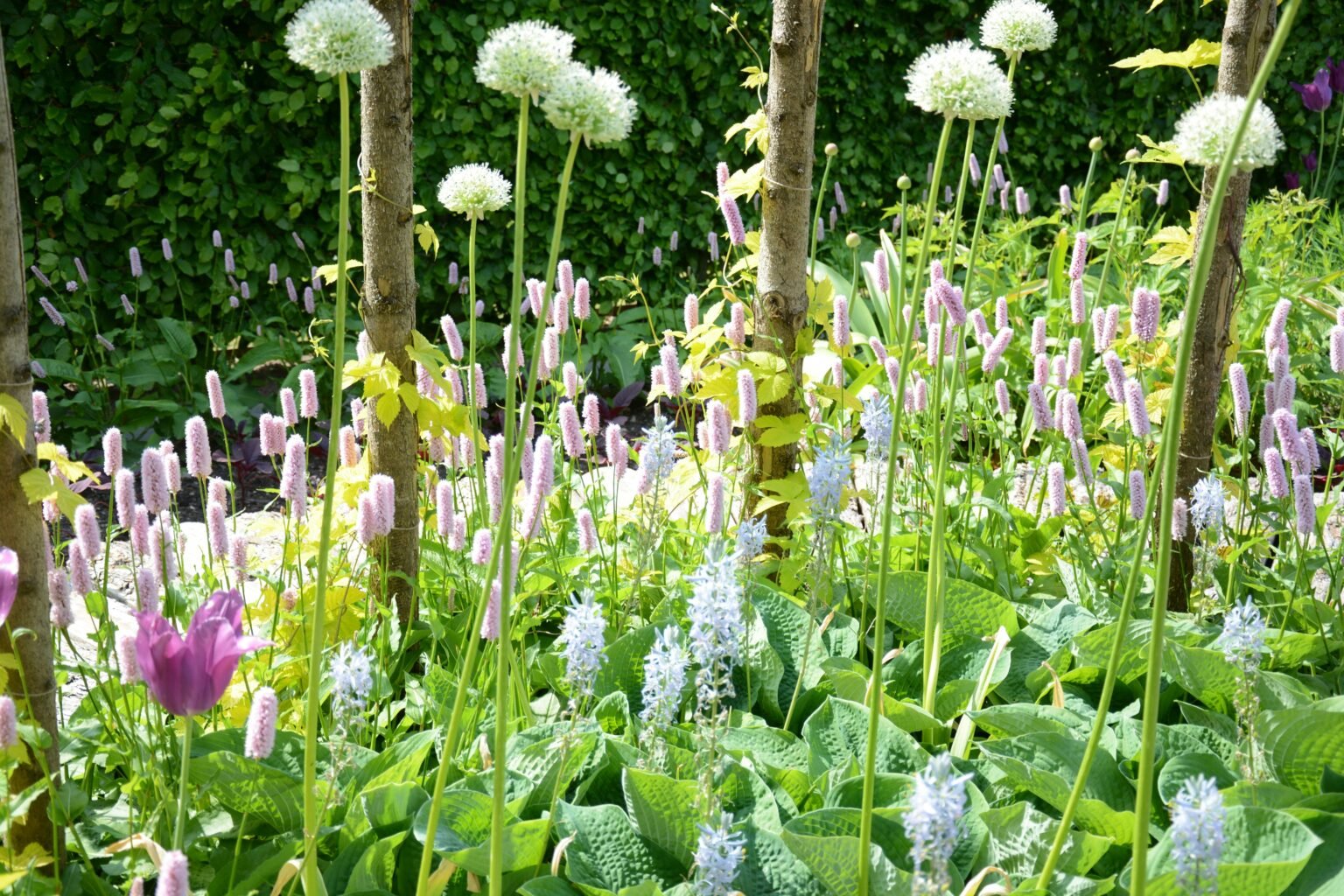

Introduction to the Skeleton Flower
The Skeleton Flower, scientifically known as Durandia guatemalensis, is a remarkable plant native to the forests of Central America. This perennial is renowned for its translucent, delicate petals that have a unique characteristic of turning transparent when wet. This intriguing feature not only captures the attention of garden enthusiasts but also prompts a sense of wonder about the natural world.
The name “Skeleton Flower” stems from this remarkable trait. When the flowers are exposed to moisture, their petals lose their vibrant color and appear almost skeletal in structure, revealing intricate veins that underscore the delicate beauty of this plant. Once dry, the petals return to their original stunning form, showcasing the plant’s ability to transform based on environmental conditions.
Besides its aesthetic appeal, the Skeleton Flower holds practical significance as well. The flowers are typically bell-shaped, offering a rich nectar that attracts various pollinators, including bees and butterflies, fostering biodiversity in any garden setting. This diminishes the need for artificial fertilizers and pesticides, making it a sustainable choice for environmentally-conscious gardeners.
With its distinct features, the Skeleton Flower stands out among traditional garden plants. It thrives in shaded areas, thus providing an excellent option for gardens with limited sun exposure. Furthermore, its low maintenance requirements make it ideal for busy gardeners who still wish to cultivate a charming and ecologically diverse environment. As such, embracing the Skeleton Flower can indeed enrich one’s gardening experience.
Botanical Features and Growth Conditions
The skeleton flower, scientifically known as Diphylleia grayi, is renowned for its extraordinary botanical features. One of the most striking characteristics of this unique plant is its delicate, white petals that exhibit an astonishing transformation when exposed to moisture. In a dry state, the petals appear as pure white blooms, but upon contact with water, they become almost translucent, showcasing a delicate veining that adds to their ethereal beauty. This characteristic not only contributes to the plant’s charm but also serves as a fascinating spectacle for garden enthusiasts.
The skeleton flower is native to the forested regions of Eastern Asia and thrives in well-drained, acidic soils. Ideally, the soil should be rich in organic matter, which promotes healthy root development. This plant prefers a moist habitat that mimics its natural woodland environment, so ensuring adequate watering is essential, particularly during dry spells. Additionally, skeleton flowers thrive best in partial to full shade, as direct sunlight can scorch their tender petals. It is recommended to place them under the canopy of taller plants or gentle shading structures to prevent sunburn.
In terms of climate, the skeleton flower flourishes in cooler temperate zones. It can withstand light frost but does not perform well in extreme heat or humidity. Gardeners interested in cultivating this remarkable species should consider zones 5 to 8 for optimal growth. Fertilization is advised during the flowering phase to enhance the plant’s blooming potential. By adhering to these growth conditions — specifically, the right soil type, sunlight, and climate — one can successfully integrate the skeleton flower into their garden, creating a visually captivating landscape.
Caring for Your Skeleton Flower
The Skeleton Flower, known scientifically as Diphylleia grayi, is a captivating plant that thrives in the right conditions with proper care. To ensure healthy growth and a vibrant display, maintaining an appropriate watering schedule is essential. This plant prefers consistently moist soil but is susceptible to root rot if overwatered. Therefore, it is advisable to check the soil regularly; a good indication is to water the plant when the top inch of soil feels dry. Using well-draining soil can further prevent this issue.
Pruning is another critical aspect of caring for your Skeleton Flower. Following the bloom cycle, typically in late summer, you should cut back the stems to about four to six inches above the ground. This practice encourages bushier and healthier growth for the following season. Additionally, removing any dead or yellowing leaves throughout the growing season will promote airflow and reduce the chances of disease.
Pest management is vital to keep your Skeleton Flower thriving. Common pests such as aphids or spider mites can infest the plants, especially in warm conditions. Regularly inspecting the leaves and stems for signs of pest activity can provide a quick response. If pests are identified, an organic insecticidal soap or neem oil can be effective in managing the problem without harsh chemicals.
Lastly, preventing diseases requires vigilance. Fungal infections can be detrimental to Skeleton Flowers, particularly in humid conditions. To mitigate this risk, ensure good air circulation around the plant, avoid excessive watering, and remove any debris from the base of the flowers. By following these care guidelines, gardeners can maximize the growth potential and flower production of their Skeleton Flowers, making them a stunning focal point in their gardens.
Uses in Landscaping
The skeleton flower, known scientifically as Dimorphotheca pluvialis, is an extraordinary specimen that can elevate the aesthetic value of any garden design. Its unique translucent petals, which appear to change color when wet, double as a conversation starter and introduce a touch of enchantment to landscapes. Garden designers and landscapers can leverage the distinctiveness of skeleton flowers to create captivating focal points in various garden styles.
Incorporating skeleton flowers into cottage gardens can be particularly rewarding. The soft, whimsical appearance of these flowers effortlessly blends with other traditional cottage plants such as foxgloves, daisies, and lavender. They provide a gentle contrast to the softer petals of neighboring blooms, enhancing the overall visual appeal. Pairing skeleton flowers with companion plants that have contrasting textures can create visual interest, while their low-maintenance requirements offer practicality for gardeners.
Woodland gardens are another excellent setting for skeleton flowers. Their delicate structures align beautifully with the dappled light and earthy tones typically found in shaded environments. Consider planting them alongside ferns and hostas, or incorporating them into rock gardens where their unusual blooms can add to the layered aesthetic. The ability of skeleton flowers to thrive in less sunlight makes them an ideal candidate for areas where other plants may struggle.
Additionally, skeleton flowers are well-suited for modern, minimalist landscapes. Their unique appearance can be a striking addition to contemporary designs that emphasize clean lines and sharp contrasts. Grouping these flowers in clusters can enhance their visual impact, making them a beautiful element in a more structured garden arrangement. Overall, the versatility of skeleton flowers allows gardeners and landscapers to explore and express their creativity across various garden styles.
Propagation Techniques
Skeleton flowers, known for their stunning appearance and unique characteristics, can be propagated either through seeds or cuttings. This guide outlines effective methods to help you enhance your garden with these delicate plants.
Propagation from Seeds: Start by selecting high-quality seeds from a reputable nursery or online retailer. To initiate the germination process, soak the seeds in water for about 24 hours. This softens the seed coat and aids in quick sprouting. Prepare a seed tray filled with a well-draining potting mix, lightly moisten it, and then sow the seeds approximately 1/4 inch deep. Cover the seeds gently with soil and provide a light mist to maintain moisture without overwatering.
Position the seed tray in a location that receives indirect sunlight and maintain a temperature between 65°F to 75°F. Keep the soil consistently moist but not soggy. Germination typically occurs within 2 to 3 weeks. Once the seedlings have developed two to three true leaves, they can be carefully transplanted into individual pots.
Propagation from Cuttings: For propagation through cuttings, select healthy stems from an established skeleton flower plant during the spring or early summer. Use a sharp knife or pruning shears to make a cutting that is 4 to 6 inches long, ensuring to cut just below a node, as this is where roots will develop. Remove the lower leaves, leaving only a few at the top to reduce moisture loss.
Dip the cut end into rooting hormone to promote root development, and then plant it in a pot filled with a suitable potting mix. Water the cutting well and cover it with a plastic bag or a clear plastic dome to retain humidity. Place the pot in a warm, indirect light environment. Roots should begin to develop within a few weeks, after which the young plants can be acclimatized to regular conditions before being moved to a garden.
By following these propagation techniques, you can successfully grow skeleton flowers, enriching your garden with their unique beauty and resilience.
Cultural Significance and Folklore
The skeleton flower, scientifically known as Rudbeckia laciniata, has captured the imagination of various cultures, intertwining its existence with rich folklore and profound symbolism. Renowned for its delicate, translucent petals that turn transparent upon contact with water, this unique attribute has led to a multitude of interpretations across different regions.
In various Native American tribes, the skeleton flower is often associated with themes of resilience and transformation. Legends speak of how the flower’s ability to change its appearance under rain symbolizes the capacity for renewal and adaptation in the face of adversity. This cultural reverence highlights the skeleton flower not just as a botanical marvel but also as a metaphor for life’s transient beauty.
Moreover, in Japanese culture, flowers hold significant meaning, and the skeleton flower is no exception. It is often seen as a representation of purity and ephemeral beauty, mirroring the ancient concept of mono no aware, which acknowledges the beauty in the fleeting nature of existence. Such cultural perspectives elevate the appreciation for the skeleton flower beyond mere aesthetics, embedding it into a larger conversation about life and nature.
In contemporary settings, the skeleton flower has also grown in popularity among gardeners and landscape designers, who value its unique characteristics. As people increasingly seek to connect with nature through their gardens, honoring the cultural significance of plants like the skeleton flower can enrich the gardening experience. While its folklore varies across cultures, the collective appreciation for its story serves to enhance its mystique within the realms of botany and spirituality.
Challenges in Cultivation
Growing the skeleton flower (Diphylleia grayi) can be quite rewarding, but it does come with its own set of challenges that gardeners must navigate. One of the primary issues is climate adaptability. Skeleton flowers thrive in USDA hardiness zones 5 to 8, which means they prefer temperate conditions. In regions where extreme temperatures occur, providing adequate protection becomes essential. Excessive sunlight or harsh winters can adversely affect their growth. To mitigate this, gardeners may consider placing them in partially shaded areas or using protective coverings during colder months.
Another significant factor in the successful cultivation of skeleton flowers is soil conditions. These plants favor well-draining, slightly acidic to neutral soil enriched with organic matter. Poor drainage can lead to root rot, stunting growth or even killing the plants. To enhance soil quality, gardeners can incorporate compost or well-rotted leaf mulch, ensuring that the soil maintains its organic vigor while improving drainage capabilities. Regular assessments of soil pH can also help maintain favorable conditions for optimal growth.
Pests pose another challenge to the longevity of skeleton flowers. Common pests such as aphids, spider mites, and snails can be detrimental to the health of the plants. The presence of these pests can lead to notable leaf damage, hindering growth and flowering potential. Implementing integrated pest management (IPM) strategies can be beneficial. These measures include physical removal of pests, introducing beneficial insects, and applying appropriate organic insecticides when necessary. Keeping a vigilant eye on the plants’ status is crucial to catching infestations early and addressing them swiftly.
By recognizing and addressing these challenges, gardeners can successfully cultivate skeleton flowers, allowing them to showcase their unique beauty in gardens.
Comparing Skeleton Flowers to Other Unique Plants
When considering unique plants for a garden, the Skeleton Flower (Diphylleia grayi) inevitably captures attention with its extraordinary characteristics. This striking perennial stands out not only for its enchanting translucent white petals that appear to be transformed by water—but also for its ability to thrive in shaded environments. While similar plants like the Ghost Plant (Monotropa uniflora) also present a level of intrigue, Skeleton Flowers offer a distinct feature with their ability to change in appearance upon interaction with moisture, adding dynamism to any garden landscape.
In comparison, the Corpse Flower (Amorphophallus titanum), renowned for its impressive size and unique odor, draws visitors due to its peculiar attributes. However, unlike the Corpse Flower, which demands specific conditions and blooms infrequently, Skeleton Flowers are relatively easier to maintain and can provide aesthetic intrigue across multiple seasons. Their versatility allows gardeners to integrate them alongside other unique plants, such as the Pitcher Plant (Sarracenia purpurea), known for its captivating trap designs and insect-catching abilities. The combination of these plants creates a biodiverse environment, encouraging pollinators and enriching garden aesthetics.
Moreover, when placed in proximity to more prominent plant choices, such as Fuchsia (Fuchsia magellanica), the delicate Skeleton Flower highlights its surroundings. The contrasting colors and the Skeleton Flower’s unique nature create an engaging visual experience. Its mere presence provides an ethereal quality that complements other garden additions without overpowering them. This delicate balance makes it an excellent candidate for gardeners seeking to cultivate a space that is both artistic and harmonious.
In summary, while numerous plants can contribute unique elements to a garden, the Skeleton Flower poses a distinctive presence with its ability to adapt and enhance the garden’s overall appeal, making it a favorite among unique plant choices.
Conclusion and Final Thoughts
In reflecting on the enchanting aspects of the skeleton flower (Diphylleia grayi), it is evident that this unique plant offers a distinctive charm that can elevate any garden landscape. Its remarkable ability to change color when wet, combined with its delicate white petals, creates an awe-inspiring visual display that is sure to captivate the imagination of any gardener or plant enthusiast. These traits not only add aesthetic value to gardens but also invite a sense of wonder and curiosity.
Moreover, the skeleton flower is not merely a visual marvel; it contributes positively to biodiversity within gardens. By attracting pollinators such as bees and butterflies, planting these flowers can enhance the ecological balance and vitality of sustainable gardening practices. Such factors make the skeleton flower not just a decorative choice but also an environmentally aware one.
Furthermore, its adaptability to various soil types and preference for shaded areas make it a versatile option for different garden designs. Gardeners seeking to bring a touch of uniqueness and allure to their landscape would do well to consider integrating the skeleton flower. When selecting plants for your outdoor spaces, the skeleton flower stands out as an exceptional choice, promising to be a conversation starter and a testament to the wonders of nature.
Ultimately, whether you are a seasoned gardener or a novice searching for intriguing plant varieties, the skeleton flower is a worthy addition to your collection. Embracing its exceptional qualities can lead to an enriched gardening experience, one filled with beauty, intrigue, and ecological benefits. Therefore, as you plan your garden, do not overlook the potential of the skeleton flower as part of your landscape. Its unique characteristics and charm are sure to bring joy and fascination for years to come.

