

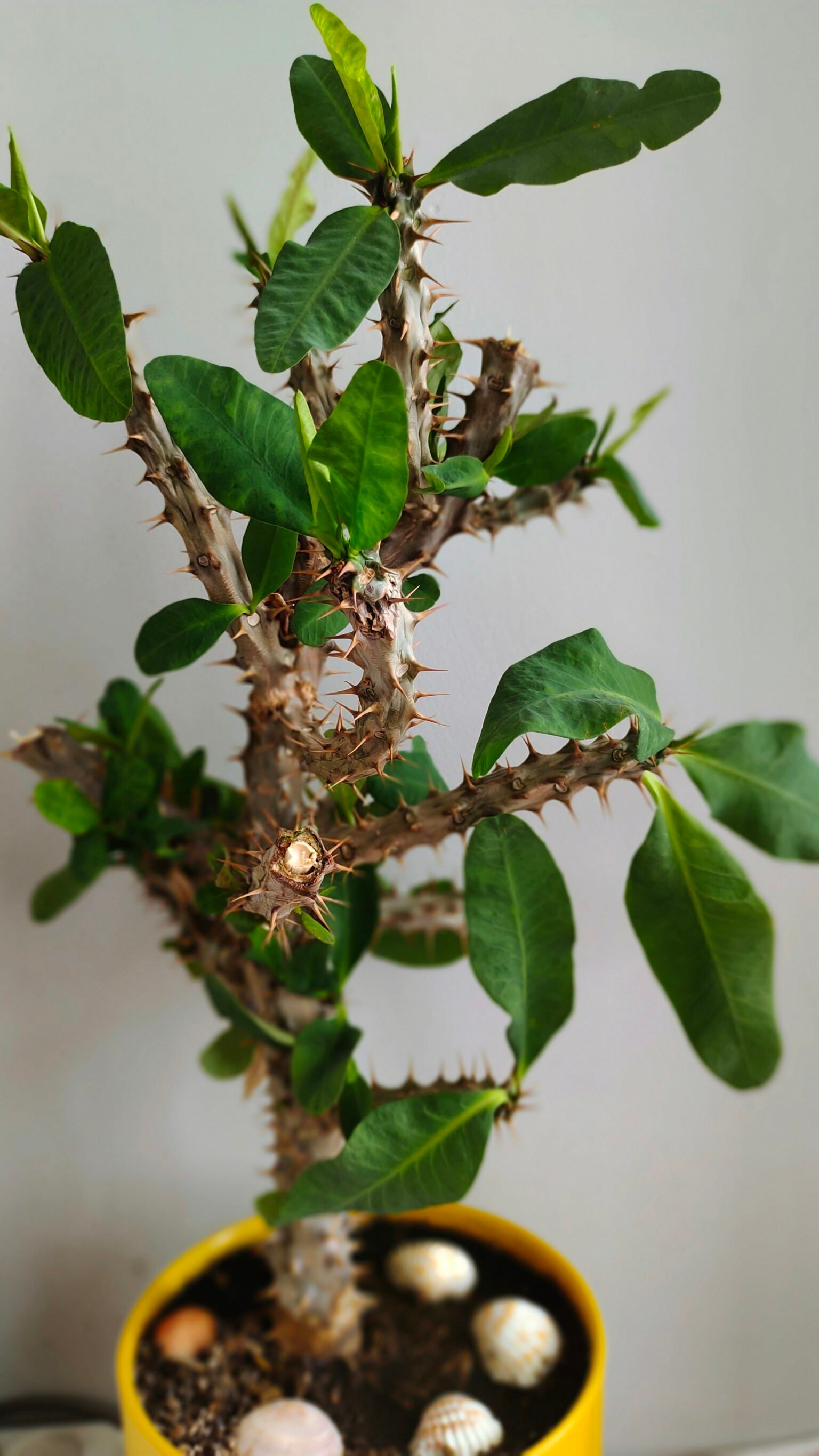

Introduction to Shell Ginger
Shell ginger, scientifically known as Alpinia zerumbet, is a perennial plant that belongs to the Zingiberaceae family, which also includes ginger and turmeric. This beautiful plant is native to eastern Asia and can be found in regions such as Japan, Taiwan, and the Philippines. It thrives in tropical and subtropical climates, making it an excellent candidate for gardens and landscaping in warm regions.
One of the most striking aspects of shell ginger is its unique foliage. The plant typically features large, elongated leaves that can reach up to 2 feet in length. The leaves are glossy and often display a stunning variegation of green and yellow, adding visual interest to any landscape. In addition to its captivating foliage, shell ginger produces delicate, shell-like flowers that bloom during the summer months. These flowers can vary in color, ranging from white to pale yellow, and can have a subtle, sweet fragrance.
Aside from its aesthetic appeal, shell ginger is also known for its resilience and adaptability. It can flourish in a variety of soil types, although it prefers well-draining soil rich in organic matter. The plant does well in partial to full shade, making it suitable for underplanting in shaded garden areas or even as a specimen plant in more open spaces. Furthermore, shell ginger’s low maintenance requirements make it a favored choice among gardeners, allowing for easy integration into various landscaping designs.
The growth habit of shell ginger can vary significantly depending on the growing conditions, typically reaching heights of 3 to 6 feet. Its lush appearance and appealing features have made shell ginger a popular element in landscape design, suitable for tropical gardens, border plantings, and as ground cover. Overall, Alpinia zerumbet serves as an excellent choice for those looking to enhance their outdoor spaces with a hardy and attractive plant.
Nutritional and Medicinal Benefits of Shell Ginger
Shell ginger, scientifically known as Alpinia zerumbet, is not only aesthetically pleasing but is also revered for its diverse nutritional and medicinal properties. This tropical plant, native to Southeast Asia and the Pacific Islands, contains various bioactive compounds that contribute significantly to health and wellness.
One of the primary health benefits associated with shell ginger is its anti-inflammatory properties. Studies suggest that the active compounds within the plant, such as flavonoids and phenolic acids, possess the ability to reduce inflammation in the body. This can be particularly beneficial for individuals suffering from chronic inflammatory conditions, such as arthritis.
Shell ginger is also rich in essential nutrients, including vitamins A and C, which are vital for maintaining good health. Vitamin A supports vision and immune function, while vitamin C is an antioxidant that helps in collagen formation and improves skin health. Furthermore, shell ginger contains anti-oxidative agents that protect the body from oxidative stress, thereby potentially lowering the risk of chronic diseases.
In traditional medicine, shell ginger has been utilized for its various therapeutic benefits. It is often used to alleviate gastrointestinal issues, such as nausea and indigestion. A tea made from the leaves of the plant can serve as a natural remedy for these ailments, promoting digestive health and overall well-being.
Furthermore, the potential antimicrobial properties of shell ginger may provide added benefits, especially in combating common pathogens. The extensive use of this plant in folk medicine highlights its importance in promoting wellness.
Overall, shell ginger offers a unique blend of culinary and health benefits, making it a valuable addition to both diets and medicinal practices. Its versatility and effectiveness in promoting health underscore the importance of incorporating such natural remedies into our daily lives.
Culinary Uses of Shell Ginger
Shell ginger, scientifically known as Alpinia zerumbet, is a versatile ingredient lending its unique flavor to a variety of culinary creations. This tropical plant is primarily recognized for its aromatic leaves that impart a distinct flavor reminiscent of ginger, but milder and slightly sweeter. The leaves, as well as the tender shoots, can be utilized in cooking to enhance the taste and aroma of numerous dishes.
In traditional cuisine, shell ginger leaves are often used as a natural wrapping material for steaming fish and meats, imparting gentle herbal notes while keeping the food moist and flavorful. This technique is notably prevalent in Asian culinary practices, where the emphasis lies on balancing flavors.
Moreover, the young shoots of shell ginger can be finely chopped and added to marinades, dressings, or stir-fries, contributing a fresh, zesty element to the final dish. Incorporating shell ginger into savory foods pairs well with various proteins, particularly seafood, due to its ability to elevate the dish without overpowering the main ingredients.
Modern adaptations also embrace shell ginger in the preparation of beverages. The leaves can be infused to create refreshing teas, providing a natural sweetness and earthy aroma. Additionally, mixologists have begun exploring shell ginger in cocktails, adding a unique herbal dimension that complements both fruity and spicy flavors.
In summary, shell ginger’s culinary potential is vast, allowing it to enrich both traditional recipes and contemporary dishes alike. By incorporating its leaves and shoots into everyday cooking or innovative beverage creations, one can experience the full spectrum of flavors this remarkable plant has to offer.
Ornamental Uses and Landscaping Ideas
Shell ginger, known scientifically as Alpinia zerumbet, is a highly regarded ornamental plant favored for its striking foliage and unique flower clusters. Its lush, green leaves can add a tropical flair to any garden setting, making it an ideal choice for enhancing the overall aesthetic appeal of landscapes. The gracefully arching leaves, which can reach up to three feet in height, provide a dramatic backdrop for other plants and create a sense of lushness and vitality in the garden.
One popular landscaping idea is to use shell ginger as a focal point in garden design. When planted as a single specimen, its tall stature and vibrant green foliage command attention, giving the garden an exotic touch. Gardeners often incorporate shell ginger into tropical-themed landscapes, where its presence contributes to an inviting atmosphere reminiscent of coastal retreats. Pairing it with other tropical plants such as hibiscus or bird of paradise can create stunning visual displays, offering varying heights, textures, and colors.
Additionally, shell ginger can be effective in creating borders or mass plantings. When planted in groups, shell ginger forms a dense and lush appearance, which not only enhances the privacy of garden spaces but also acts as a natural privacy screen. Furthermore, its evergreen quality ensures that the plants maintain their appearance throughout the seasons, providing year-round interest.
The versatility of this plant allows it to thrive in various garden styles, from formal to whimsical. In more traditional gardens, it can be incorporated alongside well-manicured hedges. In contrast, in a more casual setting, it blends seamlessly with an array of wildflowers and grasses. The adaptability of shell ginger makes it a favored choice for gardeners looking to infuse their outdoor spaces with a touch of the tropics while enjoying its ornamental benefits.
Growing Shell Ginger: Ideal Conditions
Growing Shell Ginger (Alpinia zerumbet) requires specific environmental conditions to ensure healthy development and thriving foliage. This tropical plant flourishes best in warmer climates, thriving in USDA zones 8-11. It is essential to provide it with a temperature range of 60°F to 95°F (15°C to 35°C), as colder weather can severely inhibit its growth and potential. Shell Ginger is not frost-tolerant; thus, in cooler areas, consider growing it indoors or bringing it inside during winter months.
Soil composition plays a critical role in the successful cultivation of Shell Ginger. The plant prefers well-drained soil that retains some moisture yet does not become waterlogged. A loamy or sandy soil mixed with organic matter, such as compost, proves to be ideal, providing necessary nutrients while ensuring good drainage. The pH level of the soil should ideally range between 6.0 and 7.0, allowing the roots to absorb nutrients effectively.
Light requirements for Shell Ginger mainly encompass partial to full shade. Although it can tolerate some direct sunlight, too much exposure can scorch the leaves. It is best positioned under filtered light or in a spot where it receives morning sun and afternoon shade. Shell Ginger benefits from consistent moisture, so regular watering is necessary to maintain evenly moist soil, especially during the growing season. However, overwatering should be avoided as it can lead to root rot, potentially harming the plant. By optimizing these environmental factors—heat, soil conditions, light exposure, and moisture—gardeners can cultivate robust Shell Ginger plants that enhance their gardens with striking foliage and fragrant flowers.
Planting and Propagation Techniques
When cultivating shell ginger (Alpinia zerumbet), effective planting and propagation methods are essential to ensure strong growth and vibrant foliage. This tropical perennial can be propagated through two primary techniques: seed germination and division of rhizomes. Each method has its own set of considerations, which can significantly impact the establishment of this attractive plant in your garden.
Seed germination is one of the simplest techniques to propagate shell ginger. To begin, select fresh seeds from mature plants, as older seeds often have reduced viability. Soaking the seeds in water for 24 hours prior to planting can enhance germination. Plant the seeds in a well-draining potting mix, burying them approximately one inch deep. Maintain a warm environment, ideally with temperatures between 70°F to 80°F (21°C to 27°C), and ensure that the soil remains consistently moist but not waterlogged until seedlings emerge, usually within a few weeks.
Alternatively, for a more immediate establishment, the division of rhizomes is an effective method. This technique is best employed in early spring or fall, during the plant’s dormancy. Carefully dig around the parent plant to expose the rhizome with care to avoid damaging it. Using a sharp, clean knife, cut the rhizome into sections, ensuring each piece has at least one growth bud. Allow the cut ends to callous over for a day to prevent rot, then plant each division at a depth of about three inches in a sunny location with well-draining soil.
Regardless of the propagation method chosen, after planting, it is crucial to monitor the moisture levels and provide adequate nutrition. Fertilization with a balanced fertilizer will support healthy growth. With proper care and optimal conditions, shell ginger can flourish in various garden settings, adding lush tropical beauty to your landscape.
Care and Maintenance of Shell Ginger Plants
Shell ginger (Alpinia zerumbet) is a tropical plant renowned for its ornamental appearance and fragrant flowers. To ensure the plants thrive, consistent care and maintenance practices are essential.
One primary aspect of shell ginger care is watering. These plants enjoy moist but not waterlogged soil, so it is crucial to allow the top inch of soil to dry out before watering again. During hot months, you should increase the frequency of watering, while in cooler seasons, the water requirements may decrease. Techniques like mulching can help retain moisture in the soil and maintain the preferred humidity levels.
Fertilization is equally vital for promoting growth and flowering in shell ginger. Using a balanced, slow-release fertilizer during the growing season, particularly in spring and summer, can provide essential nutrients. Organic fertilizers, such as compost or aged manure, enhance soil quality, and the application of these amendments can further stimulate healthy growth. Aim to fertilize shell ginger plants every four to six weeks during their active growth phase.
Pruning is another important care aspect, mainly for controlling the plant’s size and improving airflow. Regularly removing dead or damaged leaves will also encourage new growth and enhance the plant’s overall appearance. To maintain a lush and vibrant look, one should periodically trim the stems and foliage only if necessary.
Pest management is crucial for the health of shell ginger. Keep an eye out for common pests like aphids, spider mites, and mealybugs. A mixture of soap and water can effectively control minor infestations. For significant pest issues, consider using organic insecticides or contacting a pest control professional.
By implementing these ongoing care practices, shell ginger plants can remain robust, vibrant, and healthy, showcasing their beautiful foliage and striking blooms year after year.
Potential Pests and Diseases
Shell ginger (Alpinia zerumbet) is a resilient tropical plant, but like all plants, it is susceptible to various pests and diseases. Addressing these issues promptly is essential for maintaining the plant’s health and vitality. Common pests that may affect shell ginger include spider mites, aphids, and mealybugs. Spider mites thrive in dry environments and can be identified by the fine webbing they produce on the leaves. To combat these pests, it is recommended to increase humidity levels through misting or using a humidifier, as this disrupts the mites’ breeding cycle.
Aphids are another significant concern; these small insects feed on the sap of the plant, leading to stunted growth and leaf curl. To manage aphid infestations, introducing natural predators like ladybugs can be effective, or one might consider using insecticidal soap as a preventative measure. Mealybugs, resembling cottony masses, also feed on the plant’s sap. Isolating affected plants and gently wiping the leaves with a cotton swab dipped in rubbing alcohol can help remove these pests.
In terms of diseases, shell ginger may be vulnerable to fungal infections such as leaf spot and root rot, especially in poorly drained soil. Leaf spot manifests as brown or black lesions, while root rot causes the roots to decay and leads to overall plant decline. To prevent fungal infections, ensuring adequate air circulation and avoiding excess moisture on the leaves is crucial. Selecting well-draining soil and allowing the top inch of soil to dry before watering can help mitigate the risk of root rot.
Maintaining a regular inspection schedule for pests and diseases, along with sustainable care practices, will greatly contribute to the overall health of shell ginger plants.
Conclusion and Final Thoughts
In summary, shell ginger, known for its vibrant foliage and distinctive blooms, lauded for its numerous benefits and uses, offers both aesthetic and practical value. Historically celebrated in traditional medicine, shell ginger is recognized for its anti-inflammatory properties, aiding digestive health, and playing a role in respiratory wellness. This versatile plant serves not only as an ornamental addition to gardens but also enriches culinary experiences, as its leaves and flowers can be incorporated into various dishes, infusing them with a delightful hint of ginger flavor.
Beyond its culinary applications, the essential oils derived from shell ginger are sought after in aromatherapy, contributing to mental clarity and relaxation. Furthermore, its cultural significance in certain regions cannot be overlooked, embodying traditions and practices that have been passed down through generations. Garden enthusiasts may find that incorporating shell ginger into their landscapes enhances botanical diversity while promoting ecological balance, as the plant often attracts beneficial pollinators.
We encourage readers to consider adding shell ginger to their gardens for its ornamental beauty and to explore its culinary potential in meal preparation. As a plant that offers multiple benefits—from visual appeal to health properties—shell ginger is an enriching addition that can enhance various lifestyles. Whether used in landscaping or as a flavorful ingredient in cooking, shell ginger stands out as a plant worthy of attention and cultivation.

