


Introduction to Red Sunset Maple Trees
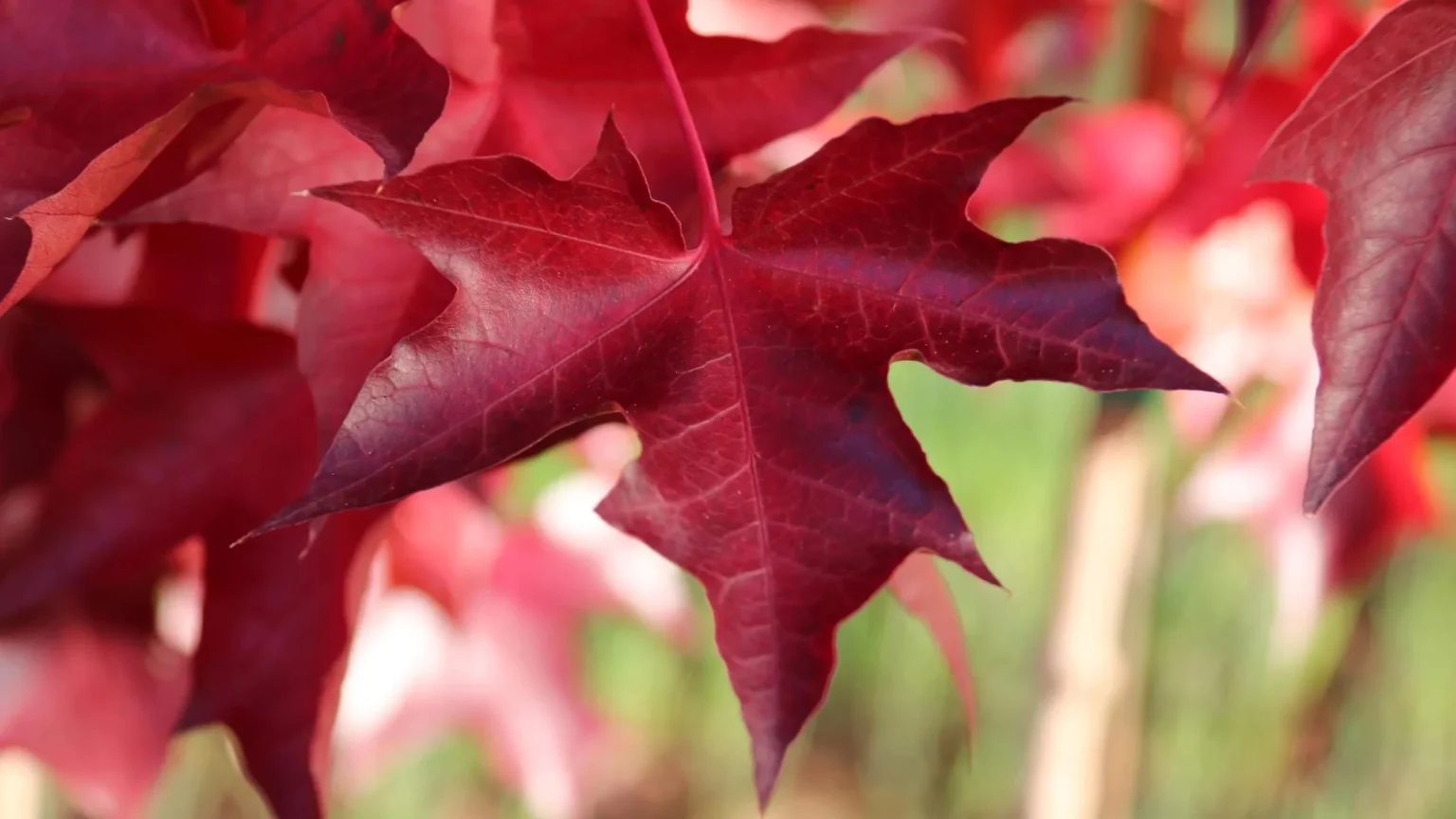
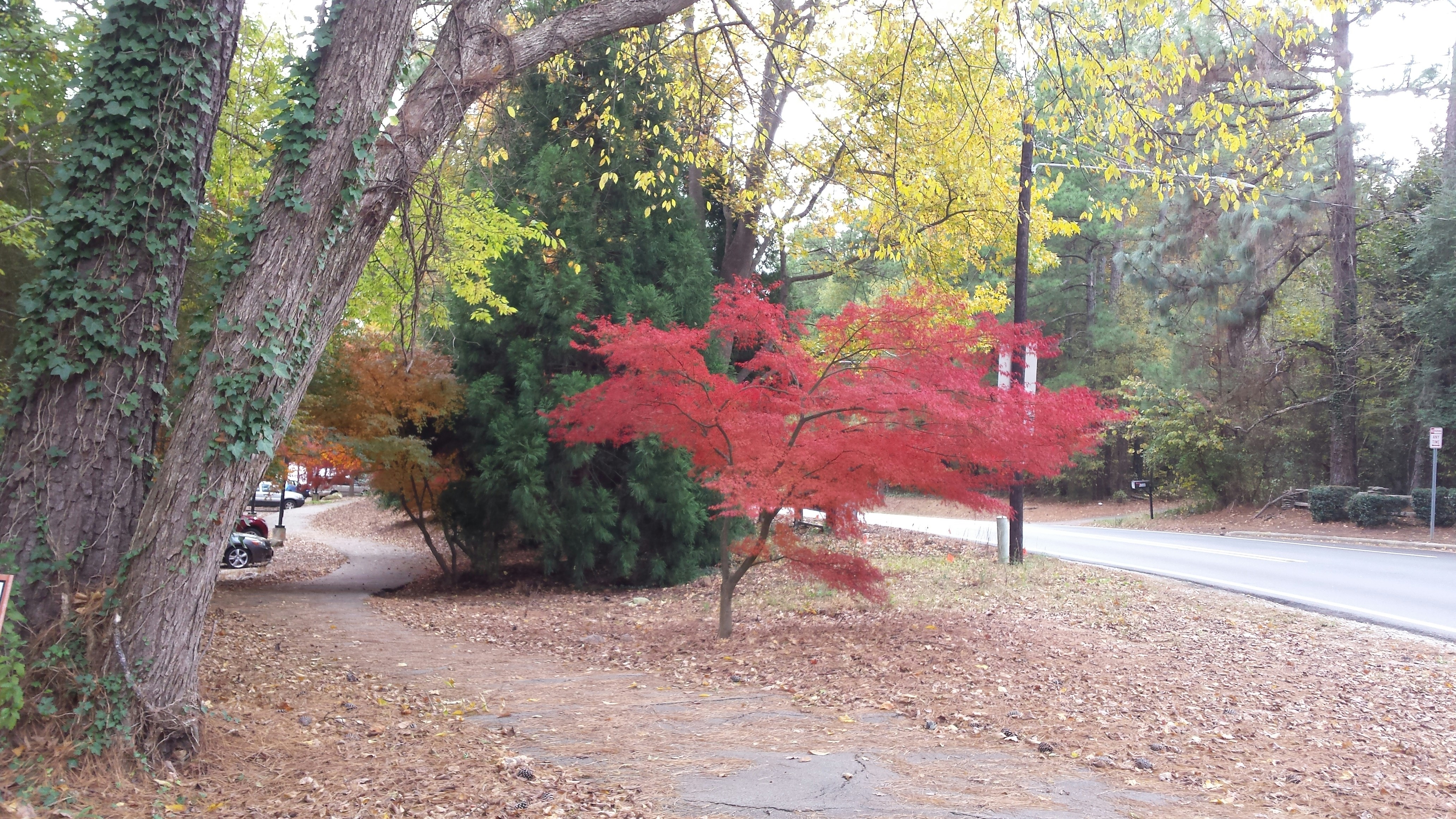
The Red Sunset Maple Tree, scientifically known as Acer rubrum, is a stunning deciduous tree that captivates many with its remarkable attributes and striking appearance. Originally native to eastern North America, this species has become a favored choice among landscapers and gardeners due to its impressive transformation throughout the seasons. The Red Sunset Maple is particularly renowned for its vibrant red foliage during the autumn months, creating a breathtaking display that enhances any landscape.
This tree typically features a rounded crown and a growth habit that can reach heights between 40 to 60 feet, with a spread of approximately 30 to 50 feet. The leaves are serrated, glossy, and emerge as a bright green in the spring before transitioning to a brilliant red or orange in the fall. The combination of its graceful form and colorful autumn display renders the Red Sunset Maple a striking centerpiece in parks, gardens, and residential areas alike.
Moreover, the Red Sunset Maple Tree exhibits impressive adaptability, thriving in a variety of soil types, from sandy loams to heavy clays. It demonstrates resilience against urban conditions, making it well-suited for both residential landscaping and commercial applications. This adaptability is further complemented by its tolerance to different climatic conditions, including both wet and dry environments. Additionally, the tree serves practical benefits; it provides shade, helps in reducing air pollution, and supports local wildlife through its seeds.
In summary, the Red Sunset Maple Tree stands out not only for its aesthetic appeal but also for its versatile nature, making it a top choice for those looking to enhance their outdoor spaces with a touch of elegance and vibrant color.
Choosing the Right Location for Planting
When planning to plant a Red Sunset Maple tree, selecting an appropriate location is crucial for its healthy growth and development. This specific species, known for its stunning fall color, thrives in a range of environments, but certain conditions will maximize its potential.
First and foremost, consider the sunlight requirements of the Red Sunset Maple. Ideally, this tree should be planted in a spot that receives full sun to partial shade. An area that gets at least six hours of direct sunlight daily will help ensure vibrant foliage and robust growth. Insufficient sunlight can impede the tree’s development and diminish its fall color, so assessing the sunlight exposure of your chosen site is critical.
Next, space considerations must be taken into account. Red Sunset Maples can reach heights of up to 40 feet and spread nearly 30 feet wide at maturity. Therefore, it’s important to plant the tree with enough room to grow, away from structures or other large plants that could stifle its development. This spacing will also allow for adequate air circulation, which is vital for preventing disease.
The drainage of the planting site is another essential factor. Red Sunset Maples prefer well-drained soil, as standing water can lead to root rot and other health issues. Before planting, assess the drainage properties of your soil. If drainage is poor, consider amending the soil or planting in a raised bed to promote better water flow.
Finally, testing your soil type is recommended. Red Sunset Maples thrive in loamy, slightly acidic to neutral soils. Conducting a simple soil test can inform you about pH levels and nutrient composition, helping you determine if any amendments are needed before introducing this stunning tree to your landscape.
Soil Preparation and Planting Techniques
Before planting a Red Sunset Maple tree, proper soil preparation is essential for fostering healthy growth and establishment. The initial step involves conducting a soil test to assess the pH and nutrient levels. Red Sunset Maples thrive in slightly acidic to neutral soil, with a pH ranging from 6.0 to 7.0. Testing kits are readily available, and they provide valuable insights that can guide your amendment strategy.
Once the soil testing is complete, the next phase is soil amendment. If the test results indicate nutrient deficiencies or a suboptimal pH, amendments should be added accordingly. Organic matter such as compost or well-rotted manure can enhance soil structure, improve moisture retention, and provide necessary nutrients. When incorporating organic matter, aim for a mixture that consists of 25% compost blended into the top 12 inches of soil.
With the soil prepared, the next step is digging the planting hole. Ideally, the hole should be two to three times wider than the tree’s root ball but no deeper than the root ball itself. This facilitates easier root establishment in the surrounding soil. When digging, avoid compacting the soil at the bottom of the hole, as this can restrict root growth and limit access to water and nutrients.
Once the site is ready, it is time to plant. Carefully position the Red Sunset Maple in the center of the hole, ensuring that the root flare is level with the surrounding soil. Backfill the hole gently, taking care not to create air pockets around the roots. Water the tree thoroughly after planting to help settle the soil and support root establishment. Following these steps ensures that your Red Sunset Maple grows strong and healthy, leading to a vibrant addition to your landscape.
Watering and Fertilization Needs
Watering is a critical aspect of ensuring the healthy growth of Red Sunset Maple trees (Acer rubrum). These trees thrive in well-drained, slightly acidic soil. Newly planted trees require consistent watering to establish their root systems, ideally around 1 to 2 inches of water per week. This can be achieved through rainfall or supplemental irrigation. During the first year after planting, it is vital to keep the soil consistently moist but not waterlogged, as overwatering can lead to root rot.
When it comes to frequency, it is prudent to check the soil moisture regularly. A simple test involves inserting your finger into the soil; if the top 2 to 3 inches feel dry, it is time to water. As the tree matures, its watering needs will decrease. However, during dry spells or extreme heat, additional irrigation may be required, ensuring that the soil does not dry out completely.
Fertilization also plays a vital role in supporting the tree’s growth and overall health. Red Sunset Maple trees benefit from a balanced fertilizer, such as a 10-10-10 NPK (Nitrogen, Phosphorus, Potassium) formulation. The best time to apply fertilizer is in early spring, just as new growth begins. This timing allows the nutrients to be readily available during the tree’s growing season. It is typically advisable to follow up with a second application in early summer, depending on the specific soil composition and tree health.
Organic options, such as compost or well-rotted manure, can also enrich the soil and may encourage stronger root and foliage development. Always consider conducting a soil test before applying any fertilizer to assess nutrient levels and determine the correct amendment needed for optimum growth.
Pruning and Training Your Maple Tree
Pruning is an essential practice for maintaining the health and aesthetics of your Red Sunset Maple Tree. This procedure helps in shaping the tree, promoting its vigorous growth, and ensuring that it thrives in your landscape. The best time to prune maple trees, including the Red Sunset variety, is during late winter to early spring, before the buds begin to swell. This timing helps minimize sap loss and allows the tree to heal more efficiently.
When shaping your maple tree, focus on creating an open canopy that allows sunlight to penetrate through the branches. To achieve this, select a central leader and avoid multiple leaders, which can lead to a weak structure. Remove any branches that cross over each other, as this can create wounds on the bark and invite disease. Look for branches that exhibit poor growth or are growing at awkward angles, as these can also be eliminated to enhance the tree’s overall posture.
Additionally, it is vital to remove any dead, damaged, or diseased branches promptly. These branches not only detract from the tree’s visual appeal but may also harbor pests or diseases that can spread to healthy parts of the tree. When pruning, make clean cuts that are angled away from the bud to minimize the risk of infection and maximize healing. Using sharp, clean tools is crucial for this task, as they result in smoother cuts and encourage quicker recovery.
For young Red Sunset Maple Trees, proper training during their formative years is important for establishing a solid structure. Utilizing ties or stakes can help guide the young tree towards an upright position. Periodically check the ties for constriction and readjust them as necessary to accommodate the growing trunk. With appropriate pruning and training techniques, your Red Sunset Maple Tree will develop into a stunning specimen in your garden.
Pest and Disease Management
Red Sunset Maple Trees, while resilient and beautiful, are susceptible to various pests and diseases that can threaten their health and appearance. Understanding these issues is pivotal for maintaining the vitality of your trees. Common pests that often affect Red Sunset Maples include aphids and scale insects. Aphids are small, soft-bodied insects that can be found on the undersides of leaves. They feed on sap, which can cause leaf curling and yellowing, ultimately weakening the tree. Signs of aphid infestation can be recognized through the presence of sticky honeydew and black sooty mold on leaves.
Scale insects, on the other hand, appear as small, immobile bumps on branches and leaves. These insects also feed on tree sap, leading to similar symptoms as awarded by aphid attacks, and can cause overall decline if not addressed. Managing these pests can involve several strategies, including encouraging natural predators such as ladybugs, or applying insecticidal soaps and horticultural oils which suffocate the insects without harming the environment.
In addition to pests, Red Sunset Maples can be affected by diseases such as leaf spot. Leaf spot is characterized by dark spots that appear on leaves, which can lead to premature leaf drop. This disease is often exacerbated by excessive moisture and can be managed through proper watering practices, ensuring adequate air circulation, and adhering to a regular schedule of pruning. Fungicides may also be employed as a preventative measure, particularly during wet seasons. Regular inspections of your Red Sunset Maple Trees can help in early identification and management of these common pests and diseases, ensuring they remain healthy and vigorous for years to come.
Seasonal Care and Maintenance
To ensure the health and vitality of Red Sunset Maple trees, a systematic seasonal care schedule is crucial. Each season presents unique tasks aimed at promoting growth, protecting the tree, and preparing it for upcoming environmental challenges.
In spring, as temperatures rise, it is essential to begin monitoring the growth of your Red Sunset Maple. This period marks the start of active growth, making it an ideal time for pruning. Remove any dead or damaged branches to encourage healthy foliage development. Additionally, applying a slow-release fertilizer can provide necessary nutrients to support robust growth. If your tree is newly planted, adding a layer of organic mulch around the base can help retain moisture and suppress weeds.
During the summer months, consistent watering becomes vital, especially in periods of drought. Red Sunset Maples appreciate well-drained soil but may suffer from water stress if not sufficiently hydrated. Inspect the mulch layer regularly, replenishing it as needed to prevent soil erosion and retain moisture. Heat stress can be mitigated by ensuring the tree is adequately watered and shielded from direct, harsh sunlight in its first few years.
As autumn approaches, begin to prepare your tree for the colder months. This is the time to remove fallen leaves and debris around the base of the tree to prevent pest infestations. Applying mulch again before winter can provide insulation for roots against freezing temperatures. If your location experiences extreme cold, consider wrapping the base of the trunk with burlap to offer additional protection.
In winter, monitoring is crucial. Although Red Sunset Maples are hardy, you should check for signs of stress or damage from snow and ice accumulation. This period is generally about minimizing intervention, allowing the tree to rest. However, maintaining a mulch layer remains important through the winter months.
By following this seasonal care schedule, red sunset maple trees can thrive, showcasing their spectacular fall colors and strong structure for years to come.
Landscape Design Ideas Using Red Sunset Maples
Red Sunset Maple trees (Acer rubrum ‘Red Sunset’) are not only prized for their stunning fall foliage, but they also serve as a versatile element in landscape design. With their broad canopy and vibrant color, these trees can enhance the aesthetic appeal of various outdoor spaces while providing practical benefits.
One effective way to incorporate Red Sunset Maples into your landscape is by using them as focal points in garden beds. Planting these trees alongside evergreen shrubs or perennials can create a visually stimulating contrast throughout the seasons. For example, pairing Red Sunset Maples with blue spruce or junipers will accentuate their warm hues and create a harmonious blend of colors.
Furthermore, these trees excel at providing shade, making them ideal for spaces meant for relaxation and entertainment. Consider planting a Red Sunset Maple near a patio or outdoor dining area to create a comfortable retreat during the warmer months. The dappled sunlight filtering through the leaves can create an inviting atmosphere, while the tree’s height offers a natural overhead structure.
Incorporating Red Sunset Maples into various landscape styles is also achievable. In a contemporary landscape, they can be used alongside minimalist elements, such as stone paths or geometric planters, for a clean, modern aesthetic. Conversely, in more traditional gardens, they can complement classic features like wrought-iron gates or wooden benches, adding a timeless quality to the environment.
Ultimately, when designing a landscape with Red Sunset Maples, consider the overall vision and functionality you desire. By aligning these trees with complementary plants, optimizing shade, and harmonizing with other landscape elements, you can create a stunning, cohesive outdoor space that beautifully showcases the vibrant appeal of the Red Sunset Maple.
Conclusion and Final Tips for Success
In summary, cultivating a Red Sunset Maple Tree can be a highly rewarding venture. This tree is renowned for its stunning autumn color and adaptability to various soil types and climates, making it a popular choice for both residential and commercial landscapes. Throughout this guide, we have explored essential aspects of planting, watering, fertilization, and pruning this beautiful species. Understanding these fundamental practices is crucial for fostering a healthy tree that will thrive for many years.
One of the most critical takeaways is the significance of patience during the growth process. Trees, including the Red Sunset Maple, take time to establish roots and grow. Regularly monitor the tree for signs of stress or disease, but avoid premature actions that could hinder its development. Observing how the tree responds to its environment can inform care strategies that fine-tune watering, nutrient application, and pruning practices.
Additionally, consider the tree’s location in your landscape. Ensure that it receives adequate sunlight and that there is sufficient space for its mature size. Implementing mulch around the base can aid in moisture retention and weed suppression, creating an optimal growth environment. Regular assessment of soil health through pH testing and amendments, if necessary, will further enhance the tree’s vigor.
Lastly, seek the guidance of local horticultural experts or join community gardening groups for advice tailored to your specific region’s climate and soil conditions. Incorporating these final tips and maintaining an observant approach can significantly increase your chances of successfully growing a flourishing Red Sunset Maple, enhancing your landscape’s beauty while providing a habitat for wildlife and contributing to air quality clarification.

