

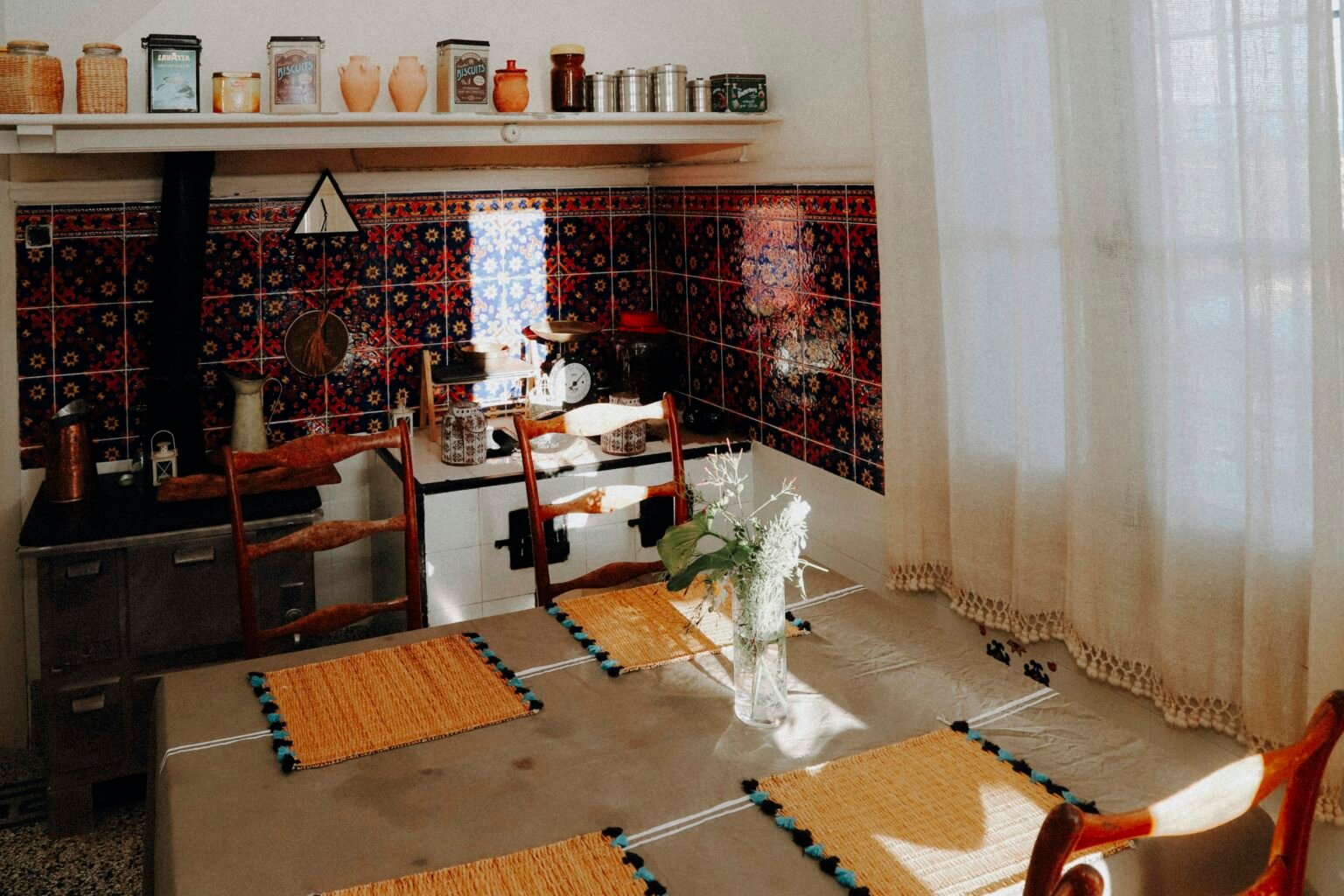

Introduction to Mexican Tile
Mexican tiles, known for their vibrant colors and intricate designs, have a rich historical background that traces back to pre-Hispanic times. Traditionally crafted from clay, these tiles stand out due to their handmade nature, which adds a unique character to each piece. The craftsmanship involved in creating Mexican tiles involves a meticulous process, ensuring that every tile is not just a static decoration but a work of art infused with cultural significance.
Over the years, the popularity of Mexican tiles has expanded beyond their traditional uses, finding a prominent place in contemporary home decor, especially in modern kitchens. They are often chosen for kitchen backsplashes due to their aesthetic appeal and practical benefits. The tiles’ ability to resist moisture and stains makes them a functional choice for areas prone to spills and splatters, thus enhancing their utility without compromising style.
One of the most distinctive features of Mexican tiles is their kaleidoscopic color palette. Ranging from deep blues and fiery reds to sunny yellows and earthy greens, these hues can easily brighten up any kitchen space. The patterns often reflect cultural motifs, including geometric designs, floral elements, and historical symbols that celebrate the rich heritage of Mexico.
In addition to their visual appeal, the evolution of these tiles has led to an array of designs that cater to various tastes and preferences. From rustic styles that evoke a sense of authenticity to more streamlined, modern interpretations, Mexican tiles can seamlessly blend into any kitchen decor. This versatility, combined with their historical depth and artistic uniqueness, makes Mexican tiles a favored option for homeowners looking to infuse their spaces with beauty and cultural richness.
The Aesthetic Appeal of Mexican Tile Backsplashes
Mexican tile backsplashes offer a unique blend of colors, patterns, and textures that can significantly enhance the aesthetic of modern kitchens. These tiles are not merely functional; they are also a vibrant design choice that brings warmth and character to the space. The rich colors inherent in Mexican tile, such as deep blues, earthy reds, and vibrant yellows, can act as focal points, drawing the eye and injecting personality into the kitchen environment.
The intricate patterns found in many Mexican tiles are reminiscent of traditional craftsmanship, providing an artisan feel that can contrast beautifully with sleek, contemporary kitchen designs. For instance, while modern kitchens often emphasize minimalism and clean lines, introducing a Mexican tile backsplash creates a striking juxtaposition, making the kitchen feel more inviting and less sterile. Furthermore, these tiles can range from geometric patterns to floral motifs, allowing for versatile design options that can complement both rustic and modern aesthetics.
Current design trends show that integrating colorful Mexican tiles into a kitchen is increasingly popular. Designers often pair these tiles with neutral cabinetry and countertops to create a balanced look, allowing the tile to stand out as an element of surprise. Additionally, the use of textured tiles adds another layer of depth, contributing to a multi-dimensional appearance that is pleasing to the eye. As we embrace a more eclectic approach to home decor, Mexican tile backsplashes are becoming celebrated for their ability to reflect individuality and style in modern kitchens.
Choosing the Right Mexican Tile for Your Kitchen
When selecting Mexican tile for your kitchen, understanding the various types available is paramount to achieving a cohesive and stylish design. The most popular options include Talavera tiles, cement tiles, and hand-painted varieties. Each type offers unique characteristics and appeals to different aesthetic preferences.
Talavera tiles are renowned for their vibrant colors and intricate patterns. Originating from Mexico, these ceramic tiles often feature floral designs or geometric shapes, which can add a rustic charm to your kitchen. They are typically glazed, providing a glossy finish that can brighten up the space. However, it is essential to consider the maintenance requirements, as Talavera tiles may require sealing to prevent staining.
Cement tiles, on the other hand, are prized for their durability and versatility. These tiles come in a wide array of colors and intricate designs, making them suitable for various themes, from modern to traditional. Their matte finish offers a different visual appeal compared to traditional glazed tiles, providing a contemporary touch while ensuring slip resistance—a crucial factor in kitchen safety.
Hand-painted tiles offer an artisan touch, reflecting traditional craftsmanship. These tiles can be bespoke, allowing homeowners to choose colors and patterns that resonate with their personal style. While they can be an excellent choice for a unique backsplash, consider their functionality and maintenance as they may require special care to keep them looking pristine.
When deciding on tiles, it is advisable to consider the overall color scheme and patterns in your kitchen. Ensure that the tiles harmonize with cabinetry, countertops, and other design elements to create a unified atmosphere. Personal style preferences should also guide your selection, allowing you to curate a space that feels authentically yours.
Installation Process for Mexican Tile Backsplashes
Installing a Mexican tile backsplash in your kitchen can significantly enhance its aesthetic appeal. The process requires careful preparation and execution, whether you opt for a professional installation or a DIY approach.
To begin, prepare the surface for installation. Ensure that the wall is clean, dry, and free of any grease or dust. If necessary, repair any imperfections in the wall to create a smooth base for the tiles. For most installations, using cement backer board is recommended, as it provides excellent moisture resistance.
Next, lay out the tiles before adhering them to the wall. Start by measuring the area and marking guidelines with a level to ensure a straight installation. Arranging the tiles in a dry layout allows you to visualize the final design and adjust the pattern before applying adhesive.
Once you are satisfied with the layout, apply a thin layer of thin-set mortar or tile adhesive on the wall using a notched trowel. Begin placing the Mexican tiles, pressing them gently into the mortar while ensuring they are level and aligned. Be sure to leave equal spacings between each tile for grouting later.
After all tiles have been set and the mortar has cured according to the manufacturer’s instructions, it is time to apply grout. Use a rubber float to press the grout into the spaces between the tiles, wiping away any excess with a damp sponge. It is crucial to allow the grout to cure for the recommended time.
Finally, seal the grout lines with a high-quality grout sealer to protect against stains and moisture. This step is especially important in kitchen environments. When considering installation, weigh your experience against the potential complexities; if unsure, hiring a professional may save time and ensure a polished outcome.
Maintenance and Care of Mexican Tile Backsplashes
Mexican tile backsplashes are a vibrant and stylish choice for modern kitchens, but they require proper maintenance and care to preserve their beauty over time. Regular cleaning is essential to keep the tiles looking their best and to prevent the accumulation of dirt and grease, which can lead to stains.
For routine cleaning, it is recommended to use a soft cloth or a non-abrasive sponge accompanied by a mild dish soap solution. Warm water combined with a gentle pH-balanced cleaner is also effective. It is important to avoid harsh cleaners or acidic substances, such as vinegar or bleach, as they can damage the surface of the tiles and degrade the glaze that protects them.
To address tougher stains, a paste made from baking soda and water can be applied gently to the affected area and left for a few minutes before rinsing thoroughly. This method provides a safe way to tackle stains without harming the tile’s finish. For grout lines, a toothbrush or a soft brush can be used to scrub gently with a baking soda solution, helping to maintain a clean and fresh appearance.
Preventative care is crucial for preserving your Mexican tile backsplash. Sealing the tiles after installation and periodically thereafter will protect them from moisture and staining. Applying a penetrating sealer helps to create a barrier against spills and dirt, making regular maintenance easier. Additionally, promptly cleaning up spills can prevent them from setting into the tiles and mitigate the risk of long-term staining.
In summary, maintaining the vibrancy of Mexican tile backsplashes in modern kitchens involves regular cleaning with appropriate products, preventing stains through prompt cleaning, and using sealers to protect the tiles. By following these steps, homeowners can ensure their Mexican tile backsplashes remain beautiful and functional for years to come.
Incorporating Mexican Tiles with Other Kitchen Elements
Integrating Mexican tile backsplashes into modern kitchens can elevate the aesthetic appeal while providing functionality. The vibrant colors and intricate patterns of Mexican tiles offer a distinct focal point, making them a design choice that harmonizes beautifully with various kitchen elements. To create a cohesive and inviting environment, careful attention must be paid to the selection of countertops, cabinets, and appliances.
For countertops, it is advisable to choose materials that complement the colors of the Mexican tiles. Natural stone such as granite or quartz with earthy tones can provide a grounding effect, while lighter shades can enhance the brightness of the tiles. It is essential to ensure that the countertop choice harmonizes with the tile patterns, blending rather than competing for attention. Keeping a balance between bold tile designs and subtle countertop shades can ensure that neither element overshadows the other.
When it comes to cabinets, selecting a finish that matches or contrasts the tile colors is critical. Wooden cabinets in warm finishes work well with traditional Mexican tiles, reflecting a rustic charm, while sleek white or gray cabinets can modernize the look and allow the vibrant tile colors to stand out. Consider adding decorative hardware that resonates with the Mexican heritage, which will tie in the backsplash theme subtly.
For appliances, it is recommended to choose stainless steel or matte black finishes. These options seamlessly integrate with both traditional and contemporary designs, allowing the Mexican tile backsplash to take center stage. Additionally, utilizing open shelving can cleverly display tableware in colors that will echo the hues of the tiles, reinforcing the theme throughout the kitchen space.
Incorporating Mexican tiles into your kitchen design requires thoughtful coordination with surrounding elements. By focusing on balance between colors and materials, it is possible to create a beautifully cohesive kitchen that celebrates the colorful character of Mexican artistry.
The Cost of Mexican Tile Backsplashes
When considering a Mexican tile backsplash for a modern kitchen, it is important to understand the associated costs to effectively budget for the installation. The cost of implementing a Mexican tile backsplash can vary significantly based on several factors, including the type of tile selected, installation practices, and geographic location.
The price of Mexican tiles themselves can range between $1 to $15 per square foot. The variation in price is influenced by the materials used, with handmade tiles typically costing more than mass-produced options. Talavera tiles, renowned for their vibrant colors and intricate designs, often occupy the higher end of the price spectrum. In contrast, simpler, less decorative tiles may be more affordable, making it essential for homeowners to weigh aesthetic preferences against budgetary constraints.
Labor costs can add to the overall expense of your backsplash project. Depending on the complexity of the installation, labor can range from $40 to $100 per hour. A simple installation may take a few hours, while a more intricate design could require several days. Additionally, if any demolition or preparation of the existing wall is necessary, this could further increase labor costs.
Budget planning for a Mexican tile backsplash should not only consider tile and labor expenses but also includes potential additional costs such as adhesives, grout, and sealing materials. To ensure a comprehensive approach to budgeting, it may be advisable to set aside an additional 10 to 20% beyond the estimated costs for unexpected expenses that could arise during installation. Overall, meticulous planning will enable homeowners to achieve a stunning Mexican tile backsplash that aligns with both their aesthetic vision and financial expectations.
Real-Life Kitchen Transformations with Mexican Tiles
Mexican tile backsplashes have become a popular choice for homeowners seeking to enhance their kitchens with vibrant colors and unique patterns. The intricate designs and rich textures offered by these tiles not only provide aesthetic appeal but also tell a story that adds character to modern kitchens. Here, we explore several case studies showcasing transformative kitchen designs that effectively incorporate Mexican tile backsplashes.
One notable example is a contemporary kitchen in a suburban home, where brilliant Talavera tiles were used to create a stunning focal point above the stove. The homeowner chose a mix of cobalt blue, deep red, and sunny yellow tiles, reflecting traditional Mexican craftsmanship while still harmonizing with the white cabinetry and stainless steel appliances. This careful choice of colors and textures not only enhances the visual interest of the space but also provides a warm and inviting atmosphere.
Another inspiring case is a small urban apartment kitchen. Here, the integration of patterned Mexican tiles extended from the countertop to the backsplash, creating a consistent flow that visually enlarges the area. The tiles, featuring whimsical floral designs in muted earth tones, were chosen to complement the rustic wooden shelves and compact modern fixtures. This design choice elegantly balances the old-world charm of the tiles with contemporary elements, making the kitchen feel both spacious and cozy.
In a more eclectic setting, a farmhouse-style kitchen features a dramatic backsplash of hand-painted green and yellow Mexican tiles. This design element juxtaposes the sleek, white cabinetry and copper accents, infusing the space with vibrant energy. The choice of tiles not only highlights the charming rustic aesthetic but also provides an eye-catching contrast that draws visitors into the culinary heart of the home.
These real-life kitchen transformations with Mexican tiles exemplify the versatility and timeless nature of these unique designs, offering valuable inspiration for homeowners looking to refresh their culinary spaces with character and charm.
Conclusion: The Timeless Charm of Mexican Tile
In the realm of modern kitchen design, Mexican tile backsplashes stand out for their unique combination of beauty and practicality. These tiles, rooted in centuries of tradition, offer a vibrant aesthetic that can transform any kitchen space into a warm and inviting area. The rich colors and intricate patterns characteristic of Mexican tiles provide a lively contrast to contemporary kitchen elements, seamlessly intertwining heritage with modernity.
Practical benefits also underline their appeal. Mexican tiles are highly durable, resistant to moisture and stains, making them ideal for the kitchen environment. Their easy-to-clean surface ensures that spills and splatters can be quickly addressed, maintaining the fresh look of the backsplash with minimal effort. Additionally, the unique textures of the tiles can aid in preventing slips, providing added safety in a potentially hazardous area like the kitchen.
Furthermore, the distinct character of Mexican tile backsplashes contributes to a kitchen’s overall charm. Each tile often tells a story, reflecting the artisan craftsmanship and cultural heritage from which it originates. This adds a layer of depth and meaning to the kitchen, setting it apart from generic interior designs. As homeowners continually seek ways to personalize their spaces, incorporating Mexican tiles allows for creativity and self-expression.
In essence, the relevance of Mexican tile backsplashes extends beyond their visual appeal. With their combination of artistic expression, durability, and practicality, they serve as a compelling option for those considering kitchen renovations. By choosing Mexican tiles, one not only enhances the kitchen’s aesthetics but also embraces a lasting tradition that resonates through time. Therefore, for anyone looking to elevate their kitchen, Mexican tiles certainly warrant consideration as a timeless choice.

