

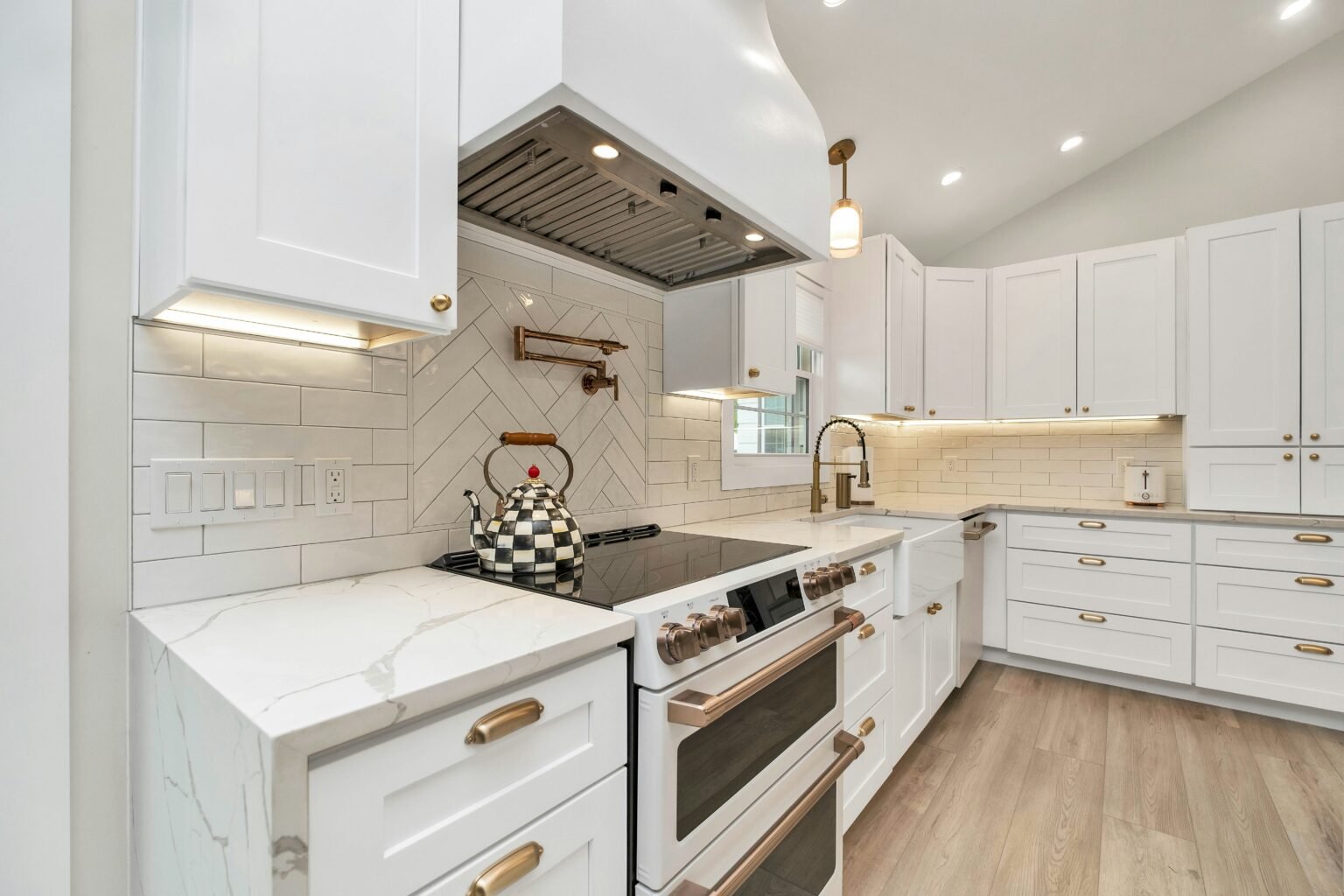

Introduction to Kitchen Remodeling
Kitchen remodeling is not merely a cosmetic project but an essential home improvement endeavor that yields significant benefits. As the heart of the home, the kitchen holds immense importance for families, often serving as a gathering place for meals and social interaction. Initiating a kitchen remodel can enhance the functionality and aesthetics of this vital space, making it more enjoyable for daily use.
There are several key advantages to undertake a kitchen remodeling project. Firstly, improved functionality is a primary benefit. With thoughtful design, homeowners can optimize their kitchens to better meet their cooking and entertaining needs, incorporating modern appliances, ample storage solutions, and efficient layout configurations. This is particularly important for beginners who may be looking to maximize every inch of their kitchen space, ensuring practicality meets style.
Furthermore, the aesthetic enhancement of a kitchen remodel can elevate the overall appeal of a home. By updating cabinets, countertops, flooring, and other elements, homeowners can reflect their personal style while modernizing the look of their space. This not only creates a more inviting environment but can also impress guests and family members, making it a worthwhile investment.
Finally, one of the most compelling reasons to consider kitchen remodeling is the potential increase in home value. An updated kitchen can yield a high return on investment, attracting prospective buyers and elevating market appeal. Therefore, embarking on a kitchen remodel may represent not only a lifestyle enhancement but also a strategic financial decision.
Thus, for those new to the world of home renovation, understanding these fundamental benefits serves as an essential foundation for exploring kitchen remodeling possibilities.
Setting a Budget for Your Remodel
When embarking on a kitchen remodeling project, setting a realistic budget is crucial to ensure that the renovation meets both aesthetic and functional needs without placing an unnecessary financial burden on the homeowner. To begin with, it is essential to define the scope of the remodel. Are you planning a complete overhaul of the space, or are you merely updating certain elements? Understanding the level of involvement will help in allocating funds more effectively.
Next, consider the major categories that typically need funding: materials, labor, and unexpected expenses. Materials are often one of the most significant expenses in a kitchen remodel. High-quality cabinets, countertops, and flooring can greatly enhance the appearance and longevity of the space, but they can also drive up costs. It is advisable to research various options and allocate a greater portion of the budget to materials that will serve well in the long-term.
Labor costs also play a pivotal role in the overall budget. Hiring skilled professionals is often necessary to ensure that the remodel is completed to a high standard; however, their services can be costly. If you possess certain handyman skills, consider tackling smaller tasks yourself to save money. Additionally, always allow for a portion of your budget to cover unexpected expenses, which are common in renovation projects. A contingency fund of around 10-20% of your total budget can help mitigate the impact of unforeseen costs.
Lastly, prioritize your spending based on your vision and necessity. Allocate more funds to elements that are most important to you while being open to compromise in other areas. Visualizing the end goal and having a clear idea of desired outcomes can tremendously aid in making sound financial decisions throughout your kitchen remodeling journey.
Choosing the Right Style and Layout
When embarking on a kitchen remodeling project, one of the first and most crucial steps is selecting a style and layout that resonates with both your personal taste and the functional requirements of your home. Kitchen styles range widely, including modern, traditional, farmhouse, and contemporary designs, each presenting its unique visual appeal and atmosphere. The decision on which style to adopt should reflect your aesthetic preferences as well as the overall decor of your home. For instance, a modern kitchen often emphasizes sleek lines and minimalistic designs, whereas a traditional kitchen might showcase warm woods and intricate detailing.
Beyond style, the layout of your kitchen plays a pivotal role in usability and flow. Common layouts include L-shape, U-shape, and galley designs, each offering distinct advantages based on the room’s dimensions and the intended cooking workflow. An L-shape layout, for example, can provide ample counter space while facilitating movement between key zones, such as the stove, sink, and refrigerator. Conversely, a U-shape design can create a more enclosed and ergonomic environment, which may enhance cooking efficiency.
In addition to aesthetics and configuration, it is crucial to consider how you will use the space. Ensure that the chosen layout allows for adequate workflow and accommodates multiple users if necessary. Prioritize essential features like countertop space, storage solutions, and accessibility to create a kitchen that not only looks appealing but also performs well in daily tasks. By carefully selecting a style and layout that suits your needs, you can transform your kitchen into a functional and inviting space.
Selecting Materials and Appliances
When embarking on a kitchen remodeling project, the selection of materials and appliances is a critical aspect that significantly impacts both aesthetics and functionality. Each component of your kitchen—from cabinets to countertops—contributes to the overall atmosphere and usability of the space.
Cabinets are often the focal point of a kitchen, and there are several material options available. Solid wood cabinets are durable and offer a timeless appeal; however, they require regular maintenance and can be expensive. Alternatively, plywood is a more affordable option that provides good durability, while MDF (Medium Density Fiberboard) offers a smooth finish ideal for painted designs. Glass-front cabinets can add elegance, but may require more effort to keep clean.
Countertops are another critical material choice, with options ranging from natural stone such as granite and marble to engineered options like quartz. Natural stones provide unique beauty and immense durability, but can be high-maintenance as they require sealing to prevent staining. Quartz countertops, on the other hand, are non-porous and easier to maintain while offering a variety of colors and patterns to suit your design preference. Laminate countertops are budget-friendly and available in numerous designs, although they are less durable than stone options.
Flooring options should also be carefully considered, as they endure heavy foot traffic. Tile, particularly porcelain or ceramic, is popular due to its durability and ease of maintenance, while hardwood flooring adds warmth and elegance. Luxury vinyl flooring has gained traction for its resilience and cost-effectiveness, mimicking the look of hardwood or tile while being softer underfoot.
When it comes to appliances, energy efficiency is paramount. **Stoves**, whether gas or electric, provide various cooking options and should fit seamlessly into your kitchen design. Modern refrigerators and dishwashers now feature energy-efficient models that save on electricity and water usage. Researching brands and reading reviews can help in choosing appliances that balance style and performance.
In summary, selecting the right materials and appliances for your kitchen remodel is essential for achieving a balance between style, functionality, and durability. By carefully evaluating your options, you can create a kitchen that meets your needs and enhances your home value.
DIY vs. Hiring Professionals
Deciding between a DIY approach and hiring professionals for a kitchen remodeling project is a significant consideration for many homeowners. This decision can affect the quality, timeline, and overall success of the remodeling endeavor. Both options come with distinct advantages and limitations, which warrant careful evaluation based on individual circumstances.
One of the primary benefits of choosing a DIY approach is cost savings. Homeowners can save substantial amounts on labor costs by undertaking the project themselves. This is especially appealing for those with a limited budget. Additionally, engaging in DIY activities allows homeowners to personalize their space according to their tastes and preferences, fostering a sense of ownership in the remodeling process. However, it is essential to consider one’s skill level; undertaking complex projects without sufficient expertise can lead to costly mistakes and might result in a work quality that falls short of professional standards.
Conversely, hiring professionals presents several advantages as well. Experienced contractors bring industry knowledge, specialized skills, and access to advanced tools, often leading to a finish that exceeds DIY outcomes. Professionals are also adept at navigating unforeseen challenges that may arise during remodeling, thus ensuring the project adheres to timelines and remains compliant with local regulations. That said, hiring experts can be a substantial financial commitment and may not fit within every homeowner’s budget.
Ultimately, the choice between DIY and hiring professionals hinges on various factors such as project complexity, budget constraints, and the homeowner’s confidence in their skill set. For those low on experience but eager to learn, DIY can be a rewarding venture, whereas more extensive projects may benefit from the expertise of seasoned professionals. Thoughtful contemplation of these elements will lead to a more informed decision and a successful kitchen remodel.
Planning for Storage and Organization
When embarking on a kitchen remodel, effective storage and organization are key factors that can significantly enhance the functionality of the space. A well-organized kitchen facilitates smoother meal preparation, eases cleaning tasks, and improves overall efficiency. One vital first step is to assess the current storage options available in your kitchen and envision how improvements can be made.
Custom cabinetry is a popular choice that allows homeowners to optimize space according to their specific needs. It is possible to design cabinets that reach ceiling heights, thereby eliminating wasted vertical space and providing additional room for items that are not used daily. Additionally, under-cabinet lighting can be integrated to enhance visibility and create a more inviting atmosphere.
Shelving can also serve as an effective method for maximizing storage. Open shelving, for instance, not only provides a place for frequently used items to be easily accessible but also contributes to the overall aesthetic by allowing the display of decorative dishware or cookbooks. For those with limited wall space, utilizing vertical wall-mounted shelves can add an element of creativity and function.
Furthermore, innovative storage products such as pull-out shelves, lazy Susans, and drawer dividers can dramatically improve organization. Pull-out shelves make it easier to access items stored in deep cabinets, while lazy Susans can utilize corners effectively, ensuring that every inch of space is fully utilized. Drawer dividers help keep utensils and cook-related tools in order, making it simple to find what you need quickly.
Overall, embracing a strategic approach to storage and organization during your kitchen remodel will not only maximize space but also foster a more enjoyable cooking experience. By investing in custom cabinetry, incorporating creative shelving, and utilizing innovative storage solutions, one can successfully transform a cluttered kitchen into a model of efficiency.
Incorporating Lighting and Electrical Needs
Proper lighting is an essential aspect of kitchen remodeling, not only for aesthetic purposes but also for functionality. The right lighting can transform a kitchen into an inviting space for cooking and socializing. There are three main types of lighting to consider: ambient, task, and accent. Each type serves a specific purpose and can contribute significantly to the overall design of the kitchen.
Ambient lighting provides general illumination, ensuring that the kitchen is well-lit and comfortable. This can be achieved through ceiling-mounted fixtures, recessed lighting, or even large pendant lights hung over cooking and dining areas. Task lighting, on the other hand, is critical for specific areas where activities such as chopping, cooking, or reading recipes take place. Under-cabinet lighting is a popular choice, as it illuminates countertops effectively, helping to prevent accidents and making food preparation easier.
Accent lighting adds drama and highlights beautiful elements within the kitchen, like artwork or cabinetry. This could involve using LED strips or specialized light fixtures to create visual interest. Moreover, layering these lighting types can enhance the kitchen’s functionality and aesthetic appeal.
In addition to selecting the right lighting, attention must be paid to electrical needs during the remodeling process. It is vital to evaluate existing outlets and wiring, ensuring they comply with current electrical codes. Consider adding extra outlets in convenient locations, especially near countertops or kitchen islands, where appliances are frequently used. Consulting with a licensed electrician can provide guidance on the best practices for wiring and fixture installation.
Integrating thoughtful lighting and addressing electrical considerations will not only elevate the kitchen’s design but also enhance its usability. Proper planning in these areas can significantly impact your kitchen remodeling project, providing both safety and style.
Finalizing Design and Getting Permits
Finalizing your kitchen design is a critical step before embarking on a remodeling project. A well-thought-out plan will not only streamline the renovation process but also ensure that your vision materializes successfully. Start by revisiting your design concepts, focusing on functionality, aesthetics, and budget constraints. Collaborate with designers or kitchen specialists if necessary, as their expertise can help refine your ideas and create an effective layout.
Consider elements such as cabinetry, countertops, fixtures, and appliances, as these will significantly influence the kitchen’s overall look and operation. Incorporating your style preferences while keeping the kitchen’s work triangle in mind—the relationship between the sink, stove, and refrigerator—will lead to a more efficient space. Additionally, make sure you are selecting materials that are not only appealing but also sustainable and suitable for kitchen environments.
With the design in hand, the next step involves understanding the necessary permits for your renovation project. Many municipalities require permits for structural changes, electrical work, or plumbing modifications. Research local building codes, as compliance with these regulations is essential to avoid fines or issues during inspections. Engaging with your local building department can provide clarity on what permits are needed and the process for obtaining them.
After compiling the necessary documents and plans, formally submit your permit applications. This step can take time, so it is prudent to begin this process early in your project timeline. Having all approvals in place before construction begins will facilitate a smoother renovation experience, minimizing delays and ensuring adherence to legal requirements.
Tips for a Smooth Remodeling Process
Embarking on a kitchen remodeling journey can be daunting, particularly for beginners. To facilitate a seamless remodeling experience, effective communication with your contractors is paramount. Establish a clear dialogue from the outset. Discuss your vision, budget, and any specific materials you want to incorporate. Regular check-ins can help ensure that your project stays on track and that your ideas are fully understood and implemented.
Developing a practical timeline is equally vital for a smooth remodeling process. Different elements of the kitchen may require varying amounts of time to complete, from demolition and construction to finishing touches. Work with your contractor to create a realistic schedule and allow some buffer time for unforeseen delays. Understanding that renovations often come with unexpected challenges can alleviate frustration when these issues arise.
Managing expectations is crucial when undertaking a kitchen remodel. It is important to recognize that while it is your dream kitchen that is being remodeled, there will likely be inconveniences. Prepare for possible disruptions to your daily routine during this process. Consider setting up a temporary kitchen area that includes essential appliances, allowing day-to-day activities to proceed with minimal interruption.
Common challenges can arise during the remodeling process, such as delays in material delivery or changes in design necessitated by structural constraints. When faced with such difficulties, maintain a constructive relationship with your contractor. Open discussions about potential solutions can foster a collaborative environment, easing tension and leading to satisfactory decisions that align with your original vision.
In conclusion, following these tips can significantly enhance the remodeling experience. By prioritizing communication, adhering to timelines, managing expectations, and being proactive in overcoming challenges, novices can navigate their kitchen remodeling project with greater confidence and success.

