

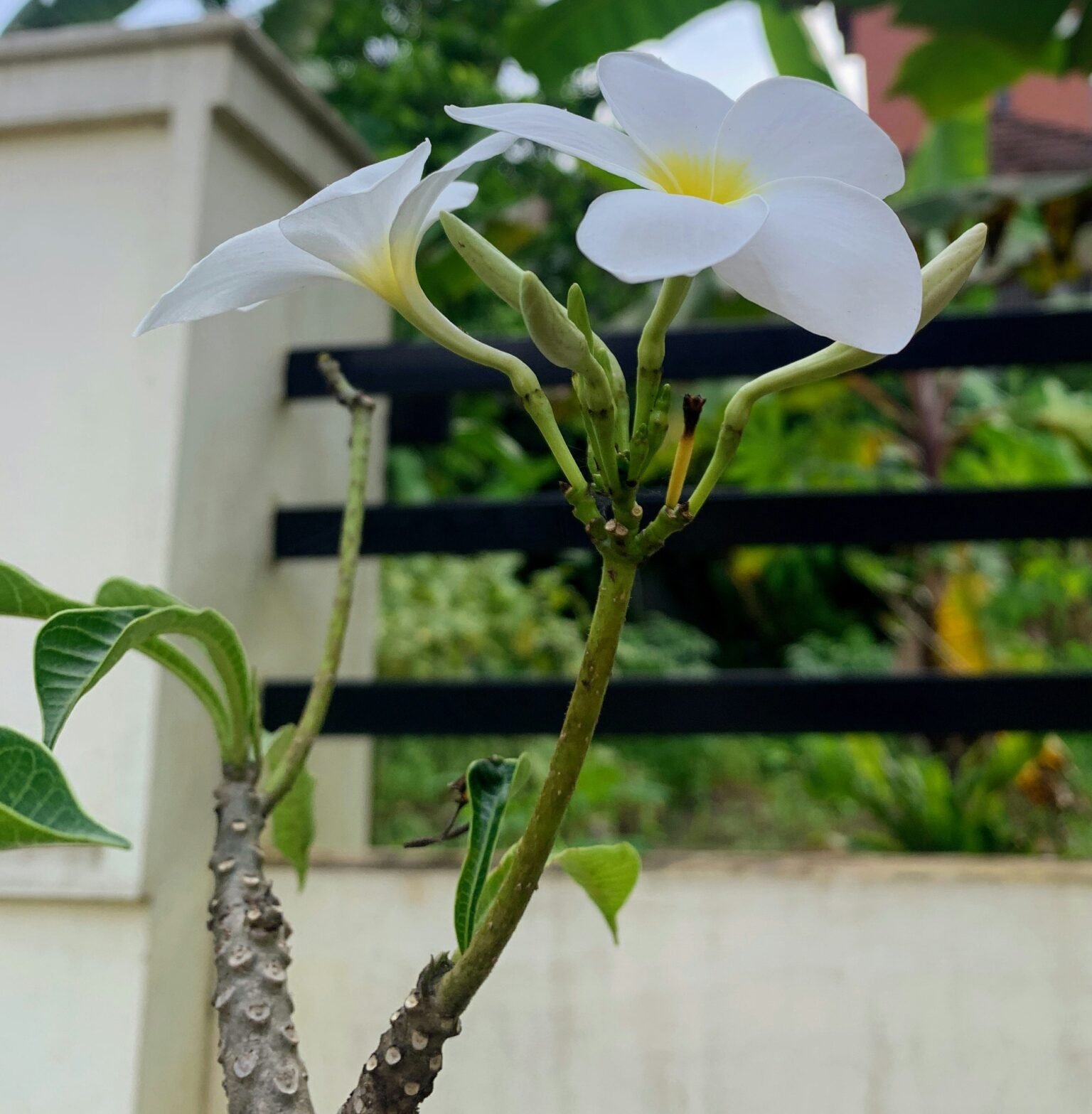

Introduction to Plumeria Trees
Plumeria trees, also known as frangipani, are tropical plants renowned for their stunning flowers and captivating fragrance. Originating from the Caribbean, Central America, and Mexico, these trees have become a cherished part of gardens around the world. Their adaptability to various climates and ease of maintenance contribute to their popularity among both novice and experienced gardeners.
Plumeria trees belong to the Apocynaceae family and encompass a wide variety of species and cultivars, each exhibiting unique characteristics. The most common species include Plumeria rubra and Plumeria obtusa, which showcase a range of colors from white to deep pink and yellow. The distinctive star-shaped flowers bloom in clusters and are not only admired for their aesthetic appeal but are also used in traditional Hawaiian leis, adding a rich cultural significance.
The allure of plumeria trees extends beyond their visual beauty. Many species produce an intoxicating fragrance that can fill the air, making them a desirable addition to both residential gardens and public landscapes. Their presence often evokes a sense of calm and relaxation, reflective of their tropical origins. Aside from their ornamental value, plumerias are also recognized for their resilience and ability to thrive in various soil types, as long as proper drainage is maintained.
In summary, plumeria trees stand out as an exceptional choice for gardeners seeking to incorporate beauty and fragrance into their outdoor spaces. Their rich variety, cultural importance, and ease of care make them a favored selection for many gardening enthusiasts.
Choosing the Right Variety of Plumeria
Plumeria, commonly known as frangipani, is a tropical plant renowned for its stunning flowers and pleasant fragrance. When it comes to growing a plumeria tree, selecting the appropriate variety is essential since it directly influences the plant’s success in a particular environment. There are several popular varieties of plumeria, each with unique characteristics, growth requirements, and preferred climates.
One widely favored variety is Plumeria rubra, often recognized by its vibrant flowers that bloom in shades ranging from white to pink and yellow. This particular cultivar requires warm temperatures and well-draining soil to thrive. It grows best in USDA hardiness zones 9 to 11, making it ideal for areas with tropical or subtropical climates. For regions with slightly cooler weather, Plumeria obtusa, known for its creamy white flowers and sturdier foliage, is often recommended. This variety is somewhat more tolerant of temperature fluctuations.
Another variety worth considering is Plumeria alba, distinguished by its pure white flowers and yellow centers. It typically flourishes in similar conditions as Plumeria rubra but can offer scent variations that are often favored for garden landscapes. When choosing a plumeria variety, it is vital to assess the climatic conditions of your local environment. A region with ample sunlight, warm temperatures, and protection from frost will support better growth.
In addition to climate, consider the space available in your garden. Some plumeria varieties can grow quite large, while others remain compact, making it necessary to select a cultivar that suits both your aesthetic and spatial requirements. By doing this, you will ensure the cultivation of a healthy and flourishing plumeria tree that complements your landscape beautifully.
Essential Tools and Materials
Growing a plumeria tree requires several essential tools and materials to ensure optimal growth and health. The first key item on your list should be quality gardening tools. A hand trowel will assist in digging, planting, and repotting your plumeria. Pruning shears are vital for maintaining the shape and health of your tree, allowing for the removal of dead or overgrown branches. Additionally, a pair of gardening gloves will protect your hands from thorns and ensure a comfortable gardening experience.
Next, consider the containers in which you will grow your plumeria. Opt for pots with ample drainage holes, as plumeria trees prefer well-draining soil. Plastic or clay pots are both suitable; however, clay pots can provide better aeration to the roots. When it comes to soil types, a mix that contains perlite, sand, and potting soil is ideal. This blend will enhance drainage while retaining sufficient moisture for the plumeria’s root system.
Fertilization is another critical component of nurturing your plumeria. Look for a balanced fertilizer that has equal parts nitrogen, phosphorus, and potassium, such as a 10-10-10 NPK ratio. During the growing season, apply the fertilizer every four to six weeks to promote vibrant growth and prolific flowering. Additionally, incorporating a slow-release fertilizer can provide consistent nutrition over time.
Pest control is necessary to protect your plumeria tree from common pests such as aphids and spider mites. Consider investing in insecticidal soap or neem oil as organic options for pest management. These products are less toxic and can effectively manage infestations without harming the tree. Having these tools and materials at your disposal will equip you with the necessary means to cultivate a healthy and thriving plumeria tree.
Step 1: Preparing the Planting Site
When it comes to planting a plumeria tree, proper preparation of the planting site is imperative for ensuring healthy growth and development. Plumeria trees, known for their stunning blooms and fragrant flowers, thrive in specific soil and environmental conditions. Therefore, the first step involves evaluating the site where the tree will be planted.
The choice of soil is crucial. Plumeria trees prefer well-drained soil that is rich in organic matter. Soil that retains too much moisture can lead to root rot, a common issue faced by plumeria gardeners. To improve drainage, consider mixing in components such as perlite or coarse sand with your existing soil. Additionally, a pH level between 6.0 and 7.5 is ideal for plumeria, allowing the tree to absorb the necessary nutrients effectively.
Sunlight is another important factor to consider when preparing the planting site. Plumeria trees thrive in full sun, requiring at least six hours of direct sunlight each day. When selecting a location, ensure it is exposed to ample sunlight, particularly in the morning and afternoon, while also being protected from harsh wind, which can be detrimental to young trees.
Lastly, drainage considerations must be taken into account. Elevated planting beds can help promote good drainage, especially in areas that experience heavy rainfall. Additionally, remove any debris, including rocks and weeds, from the planting area to prevent competition for nutrients and to promote better air circulation around the roots. By addressing soil quality, sunlight exposure, and drainage, you will create an optimal environment for your plumeria tree to flourish.
Step 2: Planting the Plumeria Tree
Successfully planting a plumeria tree requires careful consideration of several factors, such as the location, depth, and watering needs. First, choose a spot in your garden that receives full sun for at least six hours a day, as plumerias thrive under bright sunlight. Ensure the soil is well-draining; plumerias prefer sandy or sandy-loam soil to prevent root rot. If the soil is heavy, consider amending it with sand or small gravel to improve drainage.
Before planting, prepare the planting hole. Dig a hole that is twice as wide as the root ball and about 12 inches deep. When positioning the sapling or cutting, place the roots gently in the hole and ensure that the base of the plant is level with the surrounding ground. A crucial step in this process is not to plant the plumeria too deep, as doing so can lead to stem rot. Once positioned correctly, backfill the hole with soil, ensuring that there are no air pockets.
When it comes to watering, the newly planted plumeria should be watered deeply to encourage root expansion. Water thoroughly right after planting, making sure the soil is moist but not waterlogged. For the first few weeks, maintain a consistent watering schedule, allowing the top inch of soil to dry out between waterings. Be attentive to the conditions; in warmer climates, you may need to water more frequently. Additionally, consider using mulch around the base of the tree to retain moisture and stabilize soil temperature.
For transplanting young saplings or cuttings, the same principles apply. Gently remove the sapling from its container, taking care to preserve the roots. Prepare the new site as mentioned previously and ensure proper spacing between multiple plumeria trees, typically around 4 to 10 feet apart, depending on the variety. Ensuring adequate spacing promotes airflow and minimizes competition for nutrients.
Watering and Nutrient Needs
To ensure the optimal growth of your plumeria tree, it is crucial to establish a consistent watering schedule and meet its nutrient requirements. Plumeria trees thrive in well-drained soil; therefore, overwatering can lead to root rot, while underwatering may hinder growth. The general guideline is to water your plumeria deeply but infrequently. During the growing season, typically spring and summer, watering every 7 to 10 days is advisable, especially in warm climates. If the tree is in a pot, the frequency may increase due to warmer temperatures and faster evaporation rates.
When watering, be sure to soak the soil thoroughly until water drains out of the bottom of the pot or from around the base of the plant in the ground. This practice encourages deep rooting, which is essential for the stability and health of the plumeria. In the dormant months of fall and winter, reduce the frequency of watering to every two to three weeks, allowing the soil to dry out completely between watering sessions.
In addition to proper watering, providing adequate nutrients is vital for robust growth and flowering in plumeria trees. A balanced fertilizer, such as a 10-30-10 or 5-10-5 NPK ratio, can be applied during the growing season to support blooming and overall health. It’s recommended to feed your plumeria once a month while it is actively growing. For trees in pots, a slow-release fertilizer can also prove beneficial, reducing the frequency of applications while maintaining nutrient availability. Monitoring the tree’s health will help determine if additional feeding is required based on its growth performance and overall appearance.
Step 4: Providing the Right Care and Maintenance
Caring for a plumeria tree involves several ongoing maintenance practices that are vital for the healthy growth of the plant. First and foremost, proper watering is essential. Plumeria trees thrive in well-draining soil and prefer a thorough watering once the top inch of soil has dried out. Overwatering can lead to root rot, thus it is crucial to ensure good drainage. During the growing season, which extends from spring through fall, these tropical plants may require more frequent watering, so monitoring soil moisture is recommended.
Next, pruning plays a significant role in maintaining the health and shape of the plumeria tree. Regular pruning can help remove dead or diseased branches and promote new growth. It is advisable to prune during the dormant season, typically in late fall or winter, before the plant begins its active growth phase. Ensuring proper air circulation within the branches helps reduce the risk of disease and pest problems.
Pest control is another aspect of plumeria care that should not be overlooked. Common pests that may affect plumeria trees include aphids, mealybugs, and spider mites. Regularly inspecting the leaves for signs of infestation allows for early intervention. Natural remedies, such as neem oil or insecticidal soap, can effectively eliminate pests without compromising the plant’s health. Additionally, keeping the area around the tree clean and free of debris will help deter pests.
Lastly, disease prevention strategies are essential for the longevity of philodendrons, particularly in humid climates. Ensuring that the tree is not overcrowded and providing adequate sunlight can help prevent fungal diseases. Furthermore, applying a balanced fertilizer and ensuring the plant is not over-fertilized can bolster its immune system. Together, these maintenance practices contribute to a vibrant and flourishing plumeria tree.
Common Problems and Solutions
Growing a plumeria tree can be a rewarding experience, yet it is not without its challenges. Understanding common problems associated with plumeria cultivation can empower gardeners to take effective measures against them. One frequent issue is pest infestation. A variety of pests, including aphids, mealybugs, and spider mites, may target plumeria trees, leading to weakened plants and distorted foliage. To manage these pests, it is advisable to regularly inspect plants for signs of infestation. In cases where pests are identified, a mild insecticidal soap or neem oil can be applied to eradicate them without causing significant harm to the plant.
Another challenge is disease, particularly fungal infections such as leaf spot and root rot. Leaf spot diseases often occur in humid conditions and manifest as dark spots on leaves. Keeping foliage dry and ensuring proper air circulation can greatly reduce the risk of such infections. It is wise to remove any infected leaves and apply a suitable fungicide if necessary. Conversely, root rot, often caused by overwatering, can lead to the decline of the tree. To prevent this, ensure that the potting mix has excellent drainage and always allow the top inch of soil to dry out before rewatering.
Environmental issues, including insufficient sunlight and inadequate humidity, can also hinder the growth of plumeria trees. These tropical plants thrive in full sun, requiring at least six hours of direct light daily. For those growing plumerias in less favorable light conditions, consider relocating them to a brighter spot. Additionally, maintaining an appropriate humidity level is essential, especially in dry climates. Placing a humidifier nearby or misting plants can help create a more suitable environment.
Conclusion and Encouragement for New Growers
In reviewing the steps needed to successfully cultivate a plumeria tree, it becomes clear that patience and diligence are essential traits for any gardener. From selecting the appropriate variety to understanding the nuances of soil preparation and watering techniques, each aspect plays a crucial role in the overall growth of this beautiful plant. Cultivating a plumeria tree is not merely a gardening activity; it is a rewarding journey that allows one to connect with nature while understanding the requirements for nurturing such a magnificent species.
It is important to remember that while the process may present challenges, the joy of seeing a plumeria tree thrive can be immensely gratifying. Regular monitoring, proper pruning, and providing adequate sunlight will significantly contribute to the health and blooming of your tree. Moreover, engaging with fellow growers through online forums or local gardening clubs can offer additional insights and motivation, as the shared experiences can enhance one’s own gardening capabilities.
For those beginning this horticultural endeavor, encourage yourself to remain steadfast and adaptable. Every gardener faces obstacles, and learning from them will strengthen your skills. Embrace each stage of growth—the development of leaves, the emergence of buds, and ultimately, the vibrant and fragrant blossoms are all milestones to appreciate.
Now that you have an informed foundation to begin your plumeria journey, take pride in knowing that your efforts contribute to bringing beauty and joy not just to your space, but also to the environment around you. By fostering a plumeria tree, you will undoubtedly create a delightful addition to your garden, along with countless memories that will blossom alongside it. Happy gardening!

