

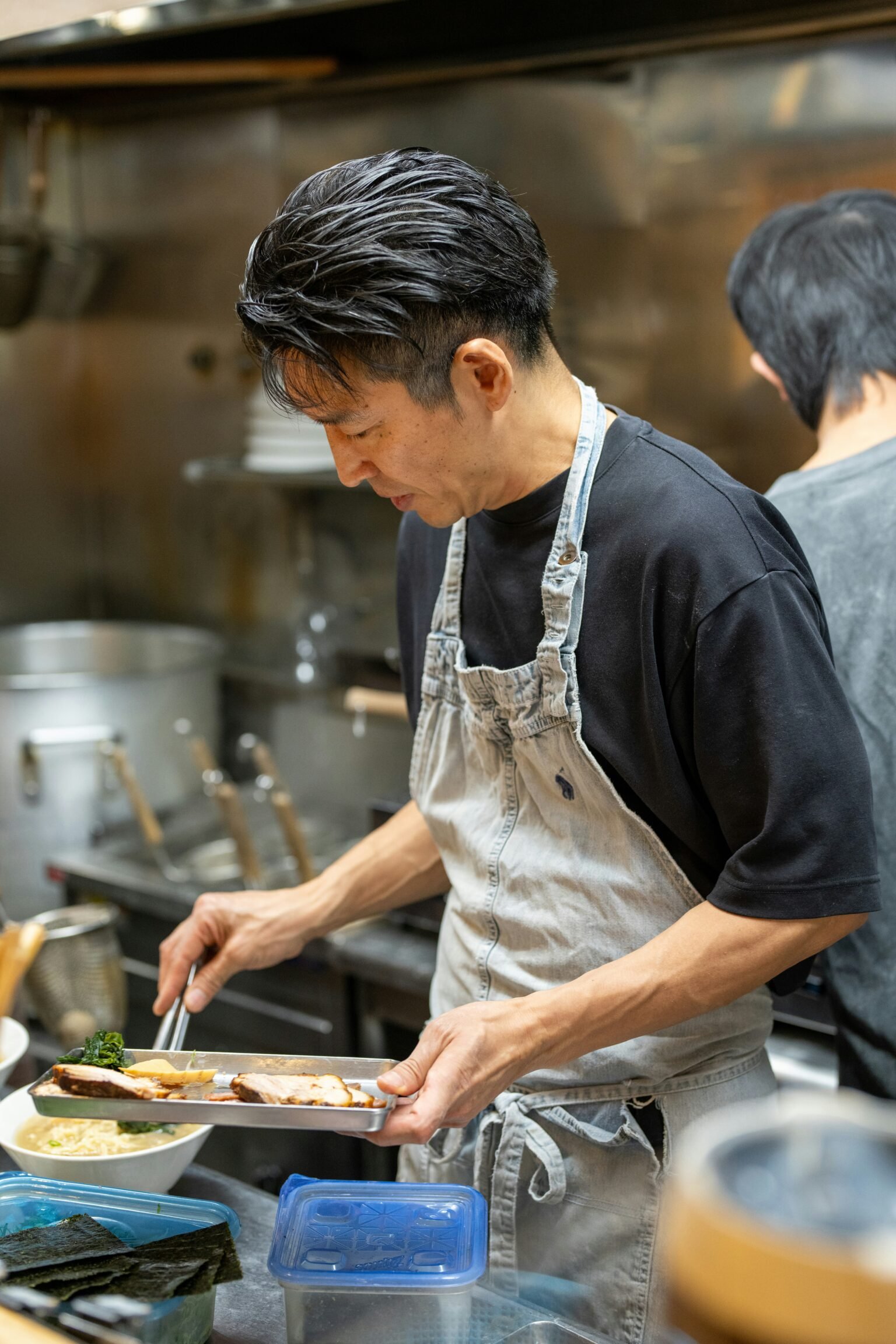

Understanding Your Kitchen Tools
For any cooking enthusiast, mastering the kitchen begins with understanding the essential tools at your disposal. A well-equipped kitchen can make the difference between the average dish and a culinary masterpiece. Firstly, cookware is paramount; pots and pans of varying sizes made from materials such as stainless steel, cast iron, and non-stick coatings are essential for different cooking methodologies. Each material conducts heat differently, allowing more precision in how one cooks.
Knives are another cornerstone of effective cooking. A quality chef’s knife, paring knife, and bread knife are foundational to preparing ingredients efficiently. Regular honing and occasional sharpening extend the life of these blades, ensuring they perform optimally in the kitchen. Additionally, a cutting board is mandatory for safe food preparation, ideally made from wood or bamboo to help maintain the knife edges.
Moreover, precision tools such as measuring cups and spoons cannot be overlooked. Accurate measurement leads to consistent results, particularly in baking, where proportions are crucial. Using kitchen scales can further enhance accuracy for those who prefer metric measurements. Beyond these basics, various gadgets like peelers, zesters, and food processors can streamline cooking processes, making them invaluable companions in the kitchen.
Maintaining your kitchen tools is as important as selecting them. Regular cleaning according to the manufacturer’s guidelines, storing them properly to prevent damage, and conducting routine inspections for wear can prolong their functionality and effectiveness. Investing time in understanding and caring for your kitchen tools not only enhances your cooking skills but also promotes a more enjoyable cooking experience.
Mastering Knife Skills
Knife skills are an essential component of cooking, impacting both efficiency and presentation in the kitchen. Proficient knife skills facilitate quicker preparation times and enhance consistency in cuts, which ultimately contributes to the quality of the dish. By mastering various cutting techniques, such as chopping, mincing, dicing, and julienning, a home cook can elevate their culinary game and mimic the precision commonly seen in professional kitchens.
To begin honing these skills, it is vital to hold the knife correctly. Grip the handle firmly with your dominant hand while using your other hand to guide the food. Maintaining a claw grip with the non-dominant hand ensures safety and stability; the fingertips should curl inward, away from the blade, while the knuckles act as a guide for the knife.
Investing in the right type of knives is also crucial for cultivating knife skills. A good-quality chef’s knife is versatile and serves as the foundation for most cutting tasks. Additional knives to consider include a paring knife for intricate work and a serrated knife for slicing bread or tomatoes. Each of these knives has a specific purpose, increasing efficiency and precision during food preparation.
Safety practices are paramount when working with sharp tools. Always use a cutting board and keep your workspace clutter-free, which minimizes the risk of accidents. Ensure that the knife is sharp; a dull knife may slip and cause injury. Additionally, pay attention to your surroundings and avoid distractions while using a knife, as focus is critical in maintaining safety. By prioritizing proper technique and safety, one can develop strong knife skills that lay the groundwork for successful cooking endeavors.
The Art of Flavor Building
The essence of cooking like a professional lies in mastering the art of flavor building. This involves the thoughtful combination of herbs, spices, and aromatics to create a multi-dimensional taste experience in each dish. It is not merely about seasoning; it is about constructing a foundation of flavors that elevates the overall dining experience.
To develop complex flavors, begin by sautéing aromatics such as onions, garlic, or ginger. This foundational step releases their natural oils, creating a fragrant base. Following this, the addition of spices can significantly transform the profile of your dish. For example, to enhance warmth and depth, consider spices like cumin, coriander, or smoked paprika. When incorporating these elements, it is crucial to add them at various stages of cooking to unlock their full potential.
Next, consider layering flavors with fresh herbs. Adding herbs towards the end of the cooking process preserves their vibrant flavor and color, while dried herbs can be incorporated earlier to infuse their essence into the dish. For optimal results, pair complementary herbs and spices, for instance, basil with tomatoes or cilantro with lime, to achieve a harmonious balance.
An essential part of flavor building is the practice of tasting and adjusting as you cook. Regularly sampling your dish throughout the preparation process allows you to determine whether additional seasoning or balancing agents, such as acid (like vinegar or citrus) or sweetness (like sugar or honey), are necessary. This practice not only ensures that the flavors are well-balanced but also fosters an intuitive understanding of how different ingredients interact.
With determination and practice, the art of flavor building can be mastered, allowing you to emulate the expertise of professional chefs and create meals that are not only delicious but also rich in layers of taste.
Cooking Techniques to Master
Achieving culinary excellence often hinges on mastering a variety of cooking techniques. Among the most fundamental methods are sautéing, braising, roasting, and sous-vide. Each technique has its unique characteristics and applications that can elevate your overall cooking skills and enhance the flavors of your dishes.
Sautéing is a quick cooking method that involves cooking food in a small amount of oil or fat over relatively high heat. This technique is ideal for preparing vegetables, meats, and seafood where a quick sear can lock in moisture and flavor. A classic example of sautéing is the preparation of a stir-fry, where a mixture of vegetables and proteins is cooked rapidly, resulting in vibrant colors and textures.
Braising, on the other hand, is a slow-cooking technique that melds flavors beautifully. This method typically begins with browning the food in fat and then slow-cooking it in a small amount of liquid. Dishes such as coq au vin or beef bourguignon showcase the ability of braising to transform tough cuts of meat into tender and flavorful meals. It is an excellent approach for achieving deep, rich flavors.
Roasting is another essential technique that involves cooking food evenly in an oven. This method works well for a variety of ingredients including meats, poultry, and vegetables. For instance, roasting a whole chicken results in crispy skin and juicy meat, while roasted root vegetables develop a natural sweetness. The dry heat of the oven caramelizes the exterior, enhancing both flavor and texture.
Lastly, sous-vide is a modern cooking method that involves vacuum-sealing food in a bag and cooking it to a precise temperature in a water bath. This technique ensures even cooking and retains moisture, making it perfect for proteins such as steak or fish, which can be cooked perfectly every time. Each of these cooking techniques adds another layer of versatility and skill to your culinary repertoire, allowing for creativity and precision in the kitchen.
Meal Planning and Prep
Efficient cooking is fundamentally linked to effective meal planning and preparation. By organizing meals for the week, you can minimize the chaos of daily cooking and streamline your culinary efforts. Begin by designating a specific time each week to plan your meals. Consider the nutritional balance and variety of every dish you intend to prepare. Keep in mind not only your personal preferences but also any dietary requirements that may need to be accommodated.
Once you have your meals planned, create a comprehensive shopping list that includes all necessary ingredients. Organizing your list by sections—such as produce, meat, and pantry items—can expedite your shopping. By having a structured plan, you significantly reduce the chances of impulse buying and ensure that you obtain everything required for your meals, leading to a more organized cooking experience.
Preparation is equally important in enhancing kitchen efficiency. Invest time in pre-chopping vegetables, marinating proteins, or even cooking grains ahead of time. These small, thoughtful steps save substantial amounts of time during the week when you may be too busy for lengthy cooking sessions. Another effective strategy is batch cooking; prepare larger portions of specific dishes that can be enjoyed throughout the week. Dishes like soups, stews, and casseroles freeze well and can be easily reheated, providing you with convenient meals without sacrificing quality.
Proper storage is vital to ensure that prepped meals remain fresh and safe to consume. Invest in high-quality containers that are suited for both freezing and reheating, and label them with dates to track freshness. By mastering meal planning and prep, home cooks can elevate their skills, enjoy healthier meals, and ultimately cook like a pro.
Understanding Ingredients and Substitutions
Cooking with quality ingredients is a fundamental aspect of preparing meals like a professional chef. The first step towards culinary excellence lies in understanding the various components of your dishes. This involves recognizing the crucial role that freshness, seasonality, and source play in selecting produce, meats, and grains. For instance, locally sourced vegetables often boast superior flavor and nutritional value, which can significantly enhance your recipes. When choosing meats, it is key to opt for cuts that are not only ethically raised but also suitable for the cooking method you intend to use.
Furthermore, cooking requires versatility. There may come a time when you find yourself without specific ingredients. This is where knowledge of common substitutions comes into play. For example, if you run out of buttermilk, a simple blend of milk and vinegar can serve as an effective alternative. Similarly, when fresh herbs are unavailable, dried herbs may work, albeit with a slight adjustment in quantity due to their concentrated flavor. Understanding these alternatives not only saves you from unnecessary trips to the store but also encourages creativity in the kitchen.
Moreover, adapting recipes based on the ingredients on hand is a valuable skill. Recognizing the essential elements of a dish can help you make informed decisions while cooking. For instance, if a recipe calls for white rice, substituting it with quinoa can offer a delightful twist while maintaining a balanced meal profile. This flexibility allows for experimentation and can help in tailoring dishes to suit personal tastes and dietary preferences.
Incorporating an understanding of ingredients and their substitutions into your cooking repertoire will elevate your culinary skills, allowing you to cook with confidence and creativity.
Presentation and Plating Techniques
In the culinary world, the value of presentation and plating cannot be overstated. It plays a significant role in enhancing the overall dining experience, transforming dishes into works of art that engage the senses beyond taste. A meticulously plated dish can elevate a meal from ordinary to extraordinary, capturing the attention of diners even before a single bite is taken. Mastering presentation techniques is, therefore, essential for anyone aspiring to cook like a professional.
Various plating styles exist, each serving distinct purposes. For instance, the ‘stacked’ style involves layering ingredients vertically, creating height and drama on the plate. Additionally, the ‘fanned’ technique often showcases components like fruits or meats, arranged in a visually striking manner that highlights their textures and colors. Employing negative space—leaving parts of the plate empty—can also add sophistication and focus to the primary ingredients.
Garnishes play a crucial role in enhancing presentation. They should complement the dish while adding color, texture, and interest. Fresh herbs, edible flowers, and even microgreens can elevate a plate’s aesthetic appeal. However, it is vital to ensure that garnishes add flavor and relevance to the meal itself, maintaining a cohesive thematic presentation. Care should be taken to avoid cluttering the plate; the goal is to create an inviting and appetizing visual narrative.
Ultimately, successful plating techniques combine creativity with an understanding of harmony, balance, and the principles of design. Experimenting with various arrangements can help find a personal style. A beautifully presented dish not only draws attention but also enhances the overall enjoyment of the meal, making the effort of mastering these techniques worthwhile for aspiring chefs.
Overcoming Common Cooking Challenges
Cooking can often feel daunting for beginners, as a variety of challenges may arise during the process. One of the most common issues that amateur cooks encounter is overcooking their food. This typically happens when one loses track of time or misjudges the necessary cooking duration for specific ingredients. To tackle this, a reliable method is to utilize a timer for each dish. Additionally, familiarizing oneself with cooking temperatures and times for various ingredients can prevent overcooking significantly. Learning to assess food readiness through techniques such as tasting and visual inspection is also essential for mastering this skill.
Another prevalent issue is under-seasoning. For many novice chefs, it can be challenging to find the right balance of herbs, spices, and salt when preparing meals. To overcome this, it is suggested to season in layers, adding a little during each stage of cooking rather than all at once. This method helps build depth of flavor and can significantly improve the overall taste of the dish. Moreover, constantly tasting the food as it cooks will enable cooks to adjust the seasoning as needed, leading to better results.
Timing is another critical factor in cooking, especially when preparing multiple dishes simultaneously. One effective strategy is to create a timeline for your meal preparation. Begin by identifying the components that take the longest to cook and assigning them an appropriate start time. This way, all dishes can finish cooking together, ensuring a hot and cohesive meal. Additionally, preparing ingredients ahead of time—often referred to as mise en place—can aid in streamlining the cooking process, allowing greater focus on executing techniques effectively.
Embracing mistakes during cooking is vital. Each misstep serves as a learning opportunity. Professional chefs understand that errors occur frequently, and the ability to adapt and adjust is what elevates their culinary skills. By acknowledging and reflecting on these challenges, aspiring cooks can gradually cook with confidence and make meaningful progress in their kitchen endeavors.
Continuing Your Culinary Education
To truly master the art of cooking, ongoing education is essential. This section will explore various avenues available for you to advance your culinary skills beyond the foundational knowledge provided in this guide. One effective way to enhance your cooking prowess is by enrolling in cooking classes. These classes, whether local or online, offer structured learning experiences where you can hone specific techniques under the guidance of experienced chefs. This hands-on experience can significantly accelerate your progression in the kitchen.
In addition to classes, there is a plethora of online tutorials available on platforms such as YouTube, where both amateur and professional chefs share their insights and methods. By engaging with these tutorials, you can gain access to diverse cooking styles and recipes from around the world, which can expand your culinary repertoire immensely. Furthermore, many chef-led platforms now offer live workshops that allow for real-time interaction and feedback, making this an invaluable resource for aspiring cooks.
Culinary books also serve as excellent resources for those looking to deepen their knowledge. There are numerous books focused on specific aspects of cooking, from mastering knife skills to exploring the intricacies of baking. Selecting a few reputable culinary texts can provide you with both theory and practical skills at your own pace. Lastly, consider joining online cooking communities. These forums and social media groups provide platforms for sharing experiences, challenges, and triumphs with fellow cooking enthusiasts. Engaging with such communities can offer motivation and inspiration, reinforcing your commitment to continually develop as a cook.

