

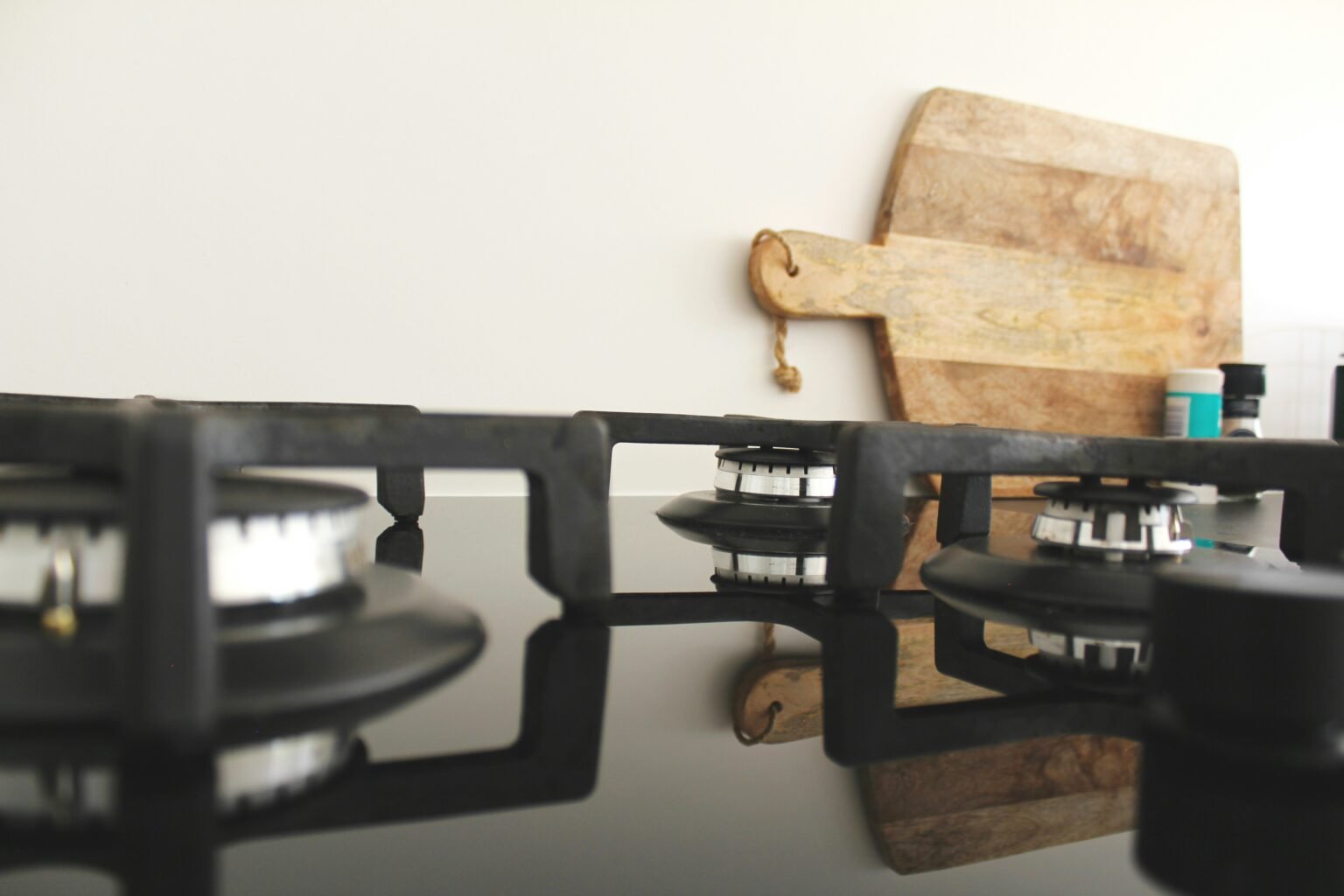

Understanding the Importance of Stove Top Cleaning
Maintaining a clean stove top is essential not only for aesthetic purposes but also for functionality and safety in the kitchen. A stained or greasy stove top can be unsightly and may negatively impact the overall appearance of your kitchen. More critically, food residues can lead to cross-contamination, making it vital to regularly clean your stove. However, cleaning these surfaces presents unique challenges, especially when trying to avoid scratching.
Types of Stove Tops and Their Cleaning Needs
Different types of stove tops require varying cleaning approaches to effectively remove grime without damaging the surface. Glass stove tops are popular for their sleek appearance. Nonetheless, they are prone to scratching if abrasive cleaning tools are used. Hence, it is advisable to use gentle, non-abrasive cleaners and soft cloths to protect the surface.
Ceramic stove tops, like glass ones, require a delicate approach as they can also easily scratch. For this type, a mixture of vinegar and baking soda is often recommended as a natural cleaning alternative that is both effective and gentle. By avoiding harsh chemicals, you can maintain the integrity of the ceramic material.
Stainless steel stove tops, while generally more robust, still benefit from careful cleaning techniques to prevent scratches and preserve their shine. Using a microfiber cloth with a specialized stainless steel cleaner can help lift dirt and grime while preventing any damage to the surface. Maintaining awareness of the type of stove top in the kitchen will ultimately assist in selecting the most appropriate cleaning methods, ensuring that both cleanliness and surface integrity are upheld.
Understanding the Risks of Scratching
The surface of a stove top serves not only as a functional cooking space but also as a significant element of kitchen aesthetics. Scratches on this surface can severely undermine both its appearance and efficiency. When a stove top is scratched, it disrupts its sleek and polished look, which may detract from the overall design of the kitchen. Additionally, scratches can harbor food particles and grime, making it more challenging to maintain cleanliness and hygiene.
Beyond aesthetics, scratches can have a detrimental impact on the stove’s functionality. For instance, on glass or ceramic stove tops, fine scratches can interfere with heat distribution. This uneven heating can lead to poorly cooked meals, resulting in frustration and wasted ingredients. Furthermore, scratches may compromise the integrity of the surface, making it more vulnerable to cracks and further damage over time. If left unchecked, these imperfections can escalate into larger issues, leading to costly repairs or even necessitating a complete replacement of the stove top.
The long-term consequences of using abrasive cleaners and tools on stove tops cannot be overstated. Products designed for heavy-duty cleaning often contain harsh chemicals or abrasive materials that can swiftly lead to irreversible damage. Even seemingly harmless items, such as steel wool, can create an array of micro-scratches that gradually accumulate, worsening the condition of the stove top. It is essential to recognize that once a surface is scratched, restoring it to its original state may not be feasible, often resulting in the need for more frequent cleaning efforts as dirt becomes more difficult to remove.
In essence, understanding the risks associated with scratching a stove top is crucial for maintaining both its aesthetic appeal and functional quality, emphasizing the importance of proper cleaning methods to prolong its life.
Top Cleaning Products for a Scratch-Free Shine
When it comes to maintaining a clean stove top, selecting the right cleaning products is essential to preserve its finish and functionality. Non-abrasive cleaning solutions can help achieve a brilliant shine without damaging the stove’s surface. Below, we explore some effective cleaning options, including natural remedies and commercial cleaners designed specifically for stove tops.
Vinegar and Water Solution: A versatile and natural cleaning agent, a mixture of vinegar and water is effective for removing grease and grime. Combine equal parts of vinegar and water in a spray bottle. Spray the solution onto the stove top, allow it to sit for a few minutes, and then wipe clean with a soft cloth. This method not only cleans effectively but also leaves a streak-free shine.
Baking Soda: Another natural alternative, baking soda can work wonders when tackling tougher stains. Create a paste by mixing baking soda with a small amount of water, then apply it to the stained area. Allow it to sit for approximately 15 minutes before gently scrubbing with a damp cloth or sponge. Its mild abrasive quality ensures effective cleaning without scratching the surface.
Commercial Stove Top Cleaners: For those who prefer ready-made solutions, several commercial cleaning products specifically cater to various stove top materials. Brands like Cerama Bryte offer a gentle formula suitable for both glass and ceramic surfaces, effectively removing tough stains while safeguarding against scratches. Similarly, Weiman’s Cooktop Cleaner is an excellent choice for electric and ceramic stove tops, designed to enhance shine and maintain the surface integrity.
Microfiber Cloths: While not a cleaner per se, using the right type of cloth can significantly impact the cleaning results. Microfiber cloths are soft and non-abrasive, making them ideal for stove top maintenance. They effectively trap dirt and residues without scratching the surface, ensuring a scratch-free cleaning experience.
Essential Cleaning Tools to Use
When it comes to cleaning your stove top effectively while minimizing the risk of scratches, using the right tools is paramount. The correct cleaning instruments can make a significant difference in protecting the surface of your stove while ensuring that grime and stains are removed efficiently.
One of the most important tools for this task is a microfiber cloth. Microfiber is renowned for its softness and absorbency, enabling efficient cleaning without scratching delicate surfaces. These cloths can attract and trap dust, grease, and dirt, making them perfect for wiping down stove tops. Moreover, they can be machine washed and reused many times, making them both eco-friendly and economical.
Another essential tool is soft sponges. Look for non-abrasive sponges that are specifically designed for delicate surfaces, ensuring that you can tackle tougher stains without damaging the stove. Avoid sponges with rough or scratchy textures, as these can easily mar the finish of your appliance. A soft sponge paired with a suitable cleaning solution will allow you to gently scrub away food residues and spills.
Rubber scrapers are also invaluable when it comes to removing stubborn debris without risking scratches. These tools are gentle enough to use on glass and ceramic stove tops while being firm enough to dislodge baked-on food. When using a rubber scraper, it is effective to work at a low angle, which can help ease the stubborn bits off the surface.
By utilizing these essential tools—microfiber cloths, soft sponges, and rubber scrapers—you can ensure a thorough cleaning of your stove top without the worry of damaging its finish. Proper care of your stove not only enhances its appearance but also prolongs its lifespan, making these tools vital components of your cleaning arsenal.
Step-by-Step Cleaning Process
Cleaning your stove top effectively while ensuring it remains scratch-free is paramount for maintaining its appearance and functionality. The process involves several steps, which include pre-cleaning preparation, the cleaning itself, and post-cleaning care tailored to different surfaces.
Begin by preparing your kitchen. Remove cookware, utensils, and any other items from the stove top. Ensure that the burners are turned off and completely cool. For gas stoves, consider removing the grates and burner caps, as these can harbor food debris. For electric stoves, ensure the surface is cool to the touch. In addition, gather your cleaning materials: soft cloths, a non-abrasive sponge, a mild dish soap, and a safe cleaning solution for your stove’s specific surface type.
Once you are ready, it’s time to clean the stove top. For enamel or ceramic surfaces, use a mild dish soap combined with warm water. Dampen the sponge with the soapy mixture and gently scrub the surface in circular motions, taking care to avoid vigorous scrubbing that could scratch the surface. For tough stains or burnt-on food, allow the soapy sponge to sit for a few minutes to soften the grime before scrubbing again. If you are cleaning a stainless-steel stove top, opt for a specially formulated stainless steel cleaner, applying it with a soft cloth to prevent scratches.
After the initial cleaning, rinse the sponge with clean water and wipe down the surface to remove any soap residue. For added shine, dry the stove top using a microfiber cloth. After the cleaning process, consider reassembling any removed parts, such as burner caps and grates. Finally, establish a routine cleaning schedule to prevent buildup and maintain the pristine condition of your stove top.
Common Mistakes to Avoid When Cleaning
When cleaning your stove top, a few common mistakes can lead to unwanted scratches and damage, undermining the overall appearance and functionality of this essential kitchen appliance. Understanding these pitfalls is crucial for achieving a scratch-free cleaning experience.
One frequent mistake is using abrasive materials such as steel wool or scrub brushes. These scrubbing tools can cause micro-scratches that accumulate over time, leading to a dull and worn surface. Instead, opt for soft cloths or non-abrasive sponges designed specifically for sensitive surfaces. Microfiber cloths are particularly effective as they gently lift dirt and grime without scratching.
Another common error involves applying excessive force while scrubbing. Many individuals, perhaps in a rush, believe that more pressure will yield better results. In reality, pressing too hard can exacerbate the risk of damage. It is advisable to let cleaning solutions sit for a few minutes to soften tough stains, followed by gentle wiping to lift residues without exerting unnecessary force.
Using the wrong cleaning solutions also poses a significant risk. Harsh chemicals, especially those containing ammonia or bleach, can damage the finish of your stove top. Always check the manufacturer’s recommendations for appropriate cleaning products. Eco-friendly or specially formulated stove top cleaners can effectively remove grease and grime without risking scratches or discoloration.
Lastly, neglecting regular maintenance can lead to the buildup of residue, making cleaning more challenging over time. Implementing a routine cleaning schedule will not only keep your stove top shining but also reduce the likelihood of damage caused by neglect. By avoiding these common mistakes, you can ensure a thorough cleaning that preserves the surface integrity of your stove top, maintaining its aesthetic and functional appeal.
Maintaining Your Stove Top’s Finish
After cleaning your stove top, it is essential to adopt a regular maintenance routine to keep its shine and finish intact. A well-maintained stove top not only enhances the aesthetic appeal of your kitchen but also prolongs the life of the appliance.
First and foremost, always wipe down your stove top after each use. This simple act can prevent the buildup of stains and grime, making your cleaning efforts less strenuous. Utilize a damp microfiber cloth or a soft sponge to remove any spilled food or grease before it hardens. It is advisable to avoid using abrasive materials or scrubbing pads, as these can scratch the surface and compromise its finish.
In addition to daily cleaning, consider implementing a weekly maintenance routine. Utilize a dedicated stove top cleaner that is safe for the specific material of your stove, whether it be glass, stainless steel, or enamel. Applying the cleaner with a soft cloth in circular motions helps to restore the shine and remove stubborn residues without causing damage. Always refer to the manufacturer’s instructions regarding proper cleaning products.
Moreover, it is important to manage the cooking process to minimize the risk of staining. Cover dishes when boiling or frying, and always use correct heat settings to reduce splatter. In cases of heavy grime buildup, immediate attention will yield better results than letting stains set over time.
Finally, inspect your stove top regularly for any signs of wear or scratches. If damage is noticed, address it promptly to prevent further deterioration. Maintaining your stove top’s finish is not merely about aesthetics; it contributes to the overall functionality and longevity of the appliance. By following these straightforward maintenance tips, you can enjoy a spotless and gleaming stove top for years to come.
Natural Cleaning Solutions for Eco-Friendly Users
Maintaining a clean stove top is essential for kitchen hygiene and aesthetic appeal, but for eco-conscious individuals, the choice of cleaning products is equally important. Fortunately, there are numerous natural and non-toxic cleaning solutions that can effectively clean stove tops without causing any damage. These homemade cleaners not only keep your kitchen environment safe but are also easy to create and use.
One effective solution is a simple vinegar and water mixture. Combine equal parts of white vinegar and water in a spray bottle. Spray the mixture generously onto the stove top and let it sit for a few minutes to break down any grease or stuck-on food particles. Wipe it away with a soft cloth or sponge for a streak-free shine. The acetic acid in vinegar effectively cuts through grime yet is gentle enough to prevent scratches.
Another powerful homemade cleaner involves baking soda, which is a natural abrasive and deodorizer. To create a paste, mix baking soda with a small amount of water until it reaches a thick consistency. Apply the paste directly to dirty areas of the stove top, particularly where stubborn stains or burnt-on food are present. Allow it to sit for 10-15 minutes before gently scrubbing with a soft cloth. This method not only cleans effectively but also avoids scratching the surface.
For those who prefer essential oils, adding a few drops of tea tree or lavender oil to your vinegar solution can provide antibacterial properties and a pleasant aroma. This not only enhances the cleaning process but also ensures that your kitchen smells fresh and inviting.
These natural cleaning alternatives are not only safe to use but also effective at maintaining the cleanliness of your stove top. By incorporating eco-friendly solutions, you contribute to a healthier home environment while avoiding harsh chemicals.
Conclusion: The Benefits of a Clean and Scratch-Free Stove Top
Maintaining a clean and scratch-free stove top is essential for both aesthetic appeal and functionality in any kitchen. Throughout this guide, we have highlighted various techniques and tips for effectively cleaning your stove without causing damage. Utilizing non-abrasive materials and gentle cleaning agents helps preserve the surface’s integrity while ensuring a spotless appearance.
One of the primary benefits of a clean stove top is the enhancement of your kitchen’s overall look. A well-maintained stove not only reflects your dedication to cleanliness but also contributes to a welcoming cooking environment. Visitors and family members alike appreciate a sparkling stove, which can elevate the mood and experience within the kitchen.
Moreover, maintaining a scratch-free stove top can prevent the accumulation of bacteria and food residue, promoting a healthier cooking space. Daily cleaning routines can significantly reduce the risk of cross-contamination, which is particularly crucial if you frequently prepare food. Preventing scratches also prolongs the life of your appliance, saving you money on potential repairs or replacements, as a damaged stove can lead to further issues over time.
In addition, employing proper cleaning techniques can enhance the functionality of your stove top. A surface free of scratches and stains means burners function more efficiently, and heat is evenly distributed during cooking. This can lead to better-prepared meals and a more enjoyable cooking experience overall.
Ultimately, investing time in cleaning your stove top can yield significant long-term benefits. By following the methods discussed in this guide, you can sustain both the aesthetic and functional qualities of your stove, ensuring that it remains an integral part of your kitchen for years to come.

