

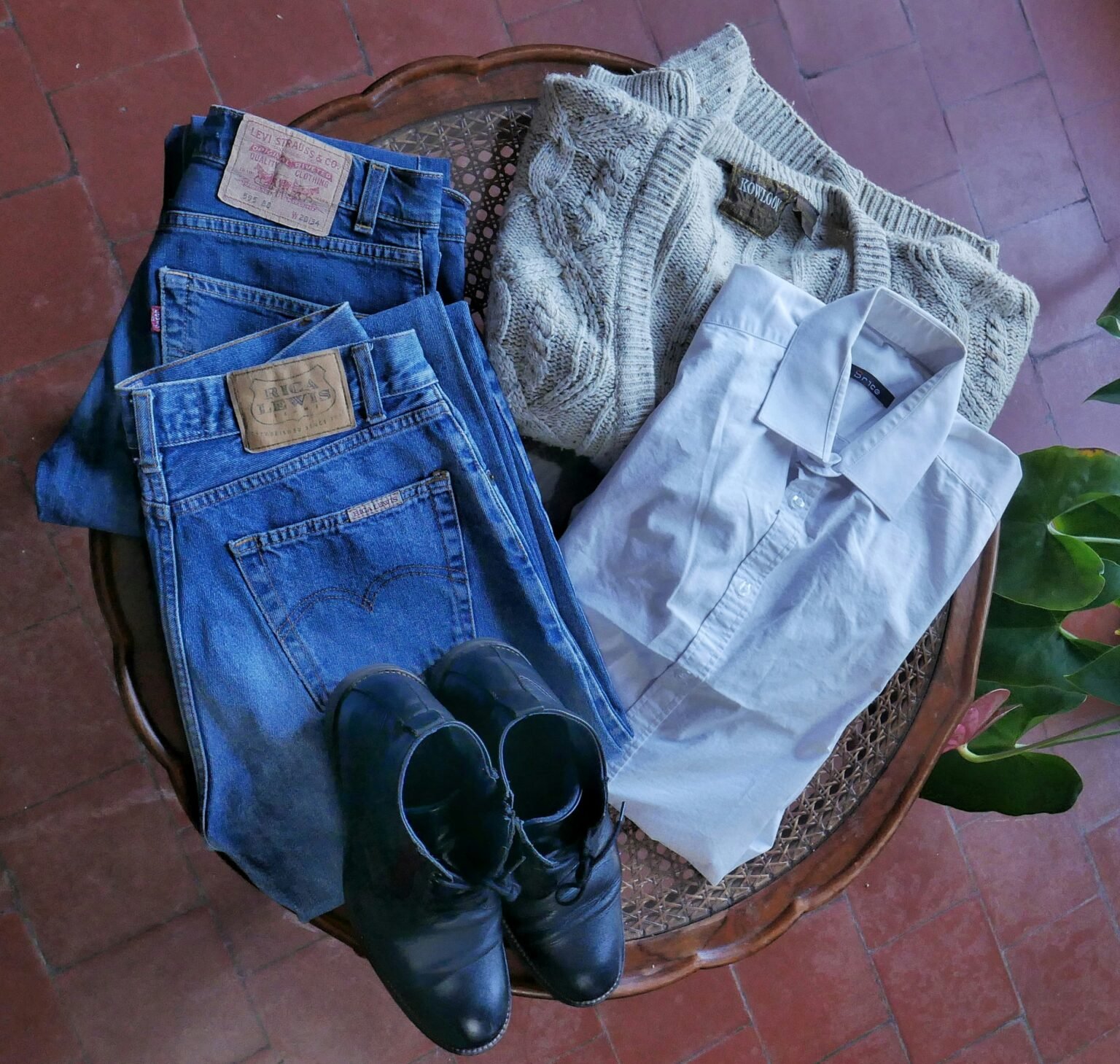

Understanding Your Personal Style
Personal style is a vital component of one’s self-expression and can significantly influence outfit choices. It is essential for individuals to recognize their unique fashion sensibilities to select clothing that resonates with their personality. The concept of personal style encompasses various categories, including classic, trendy, bohemian, and edgy. Each of these styles signifies distinct aesthetic preferences and cultural affiliations.
To identify your personal style, begin by assessing your lifestyle. Consider your daily activities, professional environment, and social engagements, as these factors often dictate the practicality and appropriateness of outfits. For instance, someone with a corporate job may gravitate towards classic styles that emphasize professionalism, while a freelance artist might prefer a more bohemian or edgy appearance that allows for creative expression.
Moreover, understanding your body type is crucial for ensuring that your chosen outfits enhance your natural features. Different styles flatter different figures, and knowing what works for your body shape can significantly impact your overall appearance. Experimenting with various fits and silhouettes can help you determine which styles make you feel most confident and comfortable.
Additionally, personal interests play a substantial role in shaping style preferences. If you have a passion for a specific culture, art, or music genre, these interests can inspire your fashion choices. It is also beneficial to explore various fashion influencers, magazines, and social media platforms to gather ideas that resonate with your inclinations.
Ultimately, embracing your personal style will lead to greater satisfaction in your wardrobe selections. Aligning your outfits with who you are truly fosters authenticity, allowing your fashion choices to be a natural extension of your personality.
Considering the Occasion
Choosing the right outfit for any event starts with understanding the significance of the occasion. Different events often call for specific dress codes, and selecting attire that aligns with these codes is essential for making a good impression. Whether you are attending a formal gala or a casual get-together, knowing how to communicate your respect for the occasion through your outfit is paramount.
Formal events, such as weddings or corporate functions, typically require dress codes such as cocktail, black tie, or formal attire. For a black tie event, for instance, men are expected to wear a tuxedo while women may opt for an elegant evening gown. Cocktail attire can often be a bit less rigid, where men might wear a dark suit and women can choose a classy cocktail dress. These outfits not only honor the event’s spirit but also allow individuals to express their personal style within the framework of formality.
Conversely, casual outings, such as brunch with friends or a day at the park, afford more flexibility. Depending on the context, outfits might include smart jeans paired with a tailored blouse for women, or chinos with a polo shirt for men. These choices still maintain an element of effort and respect toward the social setting without veering into overly relaxed territory.
In professional settings, dressing appropriately is equally important. Business meetings or interviews often call for business formal or business casual attire. For men, this could mean a suit or smart trousers paired with a shirt and blazer; for women, a tailored dress or a combination of a blouse and trousers can be suitable. Understanding such nuances aids in making informed decisions about outfit selection, ensuring that one feels confident and suitable for the occasion.
Fabric and Comfort: The Key to Wearability
When selecting the perfect outfit, the fabric choice plays a critical role in both style and comfort. Different fabrics have unique properties that can significantly influence how an outfit feels throughout the day. For instance, cotton is known for its breathability and softness, making it an ideal choice for casual wear and warm climates. On the other hand, fabrics like polyester offer durability and wrinkle-resistance, which can be advantageous for formal attire.
Another essential aspect of fabric is its weight. Lightweight fabrics such as chiffon or linen are often preferred during summer months for their airy feel, while heavier materials like wool or denim can provide warmth and structure in cooler seasons. Understanding these variances can aid individuals in making informed outfit selections that allow for year-round comfort and practicality. Moreover, consider the stretchability of a fabric as it impacts movement; materials with elastane, for example, can provide added comfort during physical activity.
Fit also plays a significant role in the wearability of an outfit. Selecting clothing that allows for free movement, without feeling too restrictive, is crucial. Ensure that garments fit comfortably around key areas like the shoulders and waist. Additionally, an outfit’s overall silhouette can enhance or compromise comfort – a tailored piece may be more flattering yet limited in mobility, whereas looser silhouettes can promote ease but may not always be as stylish.
Breathability is another fundamental factor to consider. Outfits made of breathable materials allow air to circulate next to the skin, reducing discomfort caused by heat and moisture. By prioritizing fabric choices that emphasize comfort, wearers can seamlessly merge style with functionality in their everyday outfits.
Color Coordination and Matching
Color coordination is a vital aspect of creating visually appealing outfits, and it begins with an understanding of color theory. At its core, color theory delineates the relationships between different colors and their effects on each other, which can significantly influence how an outfit is perceived. One fundamental principle of this theory is the concept of complementary colors, which refers to pairs of colors that, when combined, enhance each other’s vibrancy. For example, blue and orange are complementary colors that create a striking visual contrast, making them an excellent choice for outfits that need a bold statement.
Another pivotal element of color coordination is the use of color palettes. A color palette consists of a harmonious combination of colors that work well together – this can include monochromatic schemes, which utilize various shades of a single color, or analogous palettes, which incorporate colors adjacent to each other on the color wheel. Understanding these palettes allows individuals to effectively mix and match colors, creating cohesive outfits that look intentional and stylish.
Moreover, the emotional impact of colors should not be overlooked when selecting an outfit. Different colors evoke distinct feelings and associations; for instance, blue often signifies calm and trust, while red is associated with passion and energy. By selecting colors that align with the desired mood or message, one can enhance their personal style and make statements without uttering a word. When coordinating colors, individuals should also take into consideration their unique features such as skin tone, hair color, and eye color, as certain colors can complement or contrast these features, ultimately enhancing one’s appearance.
Accessorizing to Elevate Your Outfit
Accessories play a crucial role in enhancing an outfit’s appearance and individuality. Incorporating the right accessories can transform a simple ensemble into a stylish statement. This section will explore various types of accessories, such as jewelry, bags, scarves, and footwear, which can all significantly impact your overall look.
Jewelry, for instance, can add a touch of elegance or fun, depending on the occasion. A pair of statement earrings paired with a little black dress can create a bold statement, while delicate pieces may be more appropriate for professional settings. When selecting jewelry, consider the neckline and fit of your outfit; the right combination can draw attention to your best features.
Bags are not just for function; they also serve as a key accessory that complements any outfit. A sleek clutch might be perfect for a formal event, while a crossbody bag may be more suitable for a casual outing. Remember to choose a bag that aligns with the outfit’s mood—structured bags often pair well with tailored clothing, while softer, more relaxed bags suit casual looks.
Scarves are another versatile accessory, offering both style and utility. A silk scarf can enhance sophistication, while a cozy knit scarf brings warmth and comfort during cooler months. Experimenting with different tying styles can breathe new life into existing wardrobes.
Footwear is a pivotal aspect of outfit accessorizing. The choice between sneakers, heels, or boots can completely shift the vibe of an outfit. It is essential to select shoes that not only match the attire but also provide comfort for whatever the occasion demands. Ultimately, it’s important to remember that less can often be more; a few carefully chosen accessories can elevate an outfit without overwhelming it.
Footwear: The Foundation of Every Outfit
Footwear plays a crucial role in shaping the overall aesthetic of any outfit. It is one of the first elements that captures attention and can significantly influence the perception of style. Selecting the right type of shoes based on the occasion is essential to ensure that your foot attire complements your outfit while providing the necessary comfort.
For formal events, options such as elegant heels or polished dress shoes are commonly accepted. These styles add a level of sophistication that enhances the overall look. In contrast, casual outings may warrant comfortable sneakers or loafers, allowing for ease of movement without sacrificing style. For outdoor activities, appropriate footwear like hiking boots or sandals offers not only style but also functionality.
Comfort is another vital factor when choosing the right footwear. Shoes should fit well, providing adequate support to avoid discomfort during extended wear. It is advisable to consider arch support, cushioning, and the materials used, especially when selecting shoes for prolonged use. Poorly fitting shoes can lead to various foot ailments, detracting from the overall outfit’s appeal.
In addition to comfort and occasion, the stylistic choices of footwear should reflect the wearer’s personal style. Whether opting for bold colors, patterns, or classic silhouettes, the selected shoes should resonate with one’s aesthetic preferences. To achieve a harmonious look, consider how the footwear aligns with the overall color scheme and design of the outfit. A balanced approach ensures that the footwear enhances rather than detracts from the overall ensemble.
When selecting footwear, aim for a blend of style, comfort, and suitability for the occasion. This thoughtful approach will elevate your outfits, making footwear the foundation for a well-curated look.
Layering Techniques for a Balanced Look
Layering is an essential technique in the art of outfit creation, allowing individuals to craft stylish ensembles that are both functional and aesthetically pleasing. Effective layering not only enhances the visual appeal of an outfit but also offers versatility, enabling the wearer to adapt to varying temperatures and occasions. To achieve a balanced look, it is vital to consider the components of your layers, starting from the base layer to the outermost garment.
The base layer typically consists of fitted clothing, such as a simple t-shirt or a lightweight turtleneck. This piece should provide comfort and flexibility without bulk. On top of the base layer, consider incorporating a mid-layer, such as a cardigan, sweater, or shirt, which adds warmth without compromising on style. Opt for materials like cotton or wool, which are breathable yet insulating.
The outer layer, often in the form of jackets or coats, not only serves as a protective barrier against the elements but also acts as a statement piece. When selecting outerwear, focus on structure and fit, as well as proportions. A well-fitted jacket can elevate an entire look, providing both style and function. Experimenting with different textures and colors can also create dynamic layers that enhance visual interest.
It is crucial to keep the weather in mind when layering. For cooler months, heavier fabrics and long-sleeved pieces are more appropriate, while lighter fabrics and shorter sleeves suffice in transitional seasons. Additionally, layering can be utilized to transition outfits from casual daywear to polished evening attire; simply swap a casual outer layer with something more formal to elevate the overall appearance.
In essence, mastering layering can significantly enhance your wardrobe by providing stylish solutions for various weather conditions and occasions. By selecting the right layers enhances not just aesthetics but also functionality, ensuring that you are prepared for whatever the day may bring.
Shopping Tips: Building a Functional Wardrobe
Creating a functional wardrobe hinges on strategic shopping choices. To begin, it is essential to invest in quality pieces that endure through trends and seasons. Opting for well-crafted garments often translates into durability, reducing the need for frequent replacements. This investment may seem more costly initially; however, quality items typically provide better value over time due to their extended lifespan.
Timing your purchases is another critical factor. Being aware of seasonal sales can lead to significant savings on high-quality clothing. Retailers often discount last season’s stock to make way for new arrivals, making it an ideal time to shop. Additionally, using promotional codes or signing up for newsletters can grant you access to exclusive discounts, further enhancing your shopping experience.
When building your wardrobe, the key is to mix basic essentials with statement pieces. Essential items such as a classic white shirt or a well-fitted pair of jeans serve as a foundation. These basics can be easily combined with more vibrant or trendy items, allowing for a greater variety of outfit combinations. This versatility will ensure that your wardrobe remains functional and reflective of your personal style.
Regularly decluttering your closet is also vital in maintaining a functional wardrobe. Periodically assess your clothing to determine which items you genuinely wear and love. If certain garments have remained unworn for an extended period, consider donating or selling them. This practice not only creates space for new acquisitions but also reinforces a wardrobe that aligns more closely with your personal style preferences.
Final Thoughts: Dressing with Confidence
When it comes to selecting the right outfit, the relationship between clothing and confidence cannot be overstated. An outfit serves not just as a means of covering oneself, but more importantly, as a powerful expression of individuality. By embracing unique styles and making brave fashion choices, individuals position themselves to step into the world with assurance and poise.
To foster confidence in clothing decisions, it is imperative to remain authentic. Often, people find themselves pressured to conform to prevailing trends instead of choosing what resonates personally. Authenticity in fashion allows individuals to express their true selves, cultivating an environment where they can feel comfortable and empowered. When one stands out in their authentic style, they not only project confidence but inspire others to engage in their own self-expression.
Moreover, understanding the distinction between fitting in and standing out can play a significant role in outfit selection. While the desire to blend in with peers is natural, celebrating one’s distinctiveness often leads to a richer and more vibrant personal aesthetic. Choosing outfits that reflect personal identity rather than fleeting trends encourages a memorable and impactful representation of oneself.
In conclusion, embracing one’s unique style and making courageous choices in outfit selection lays the foundation for confidence. Fashion is an opportunity to convey personal narratives and evoke emotions, and through thoughtful selection, individuals can celebrate their authenticity. As you navigate your wardrobe, remember that every outfit, when worn with confidence, has the potential to empower and inspire.

