

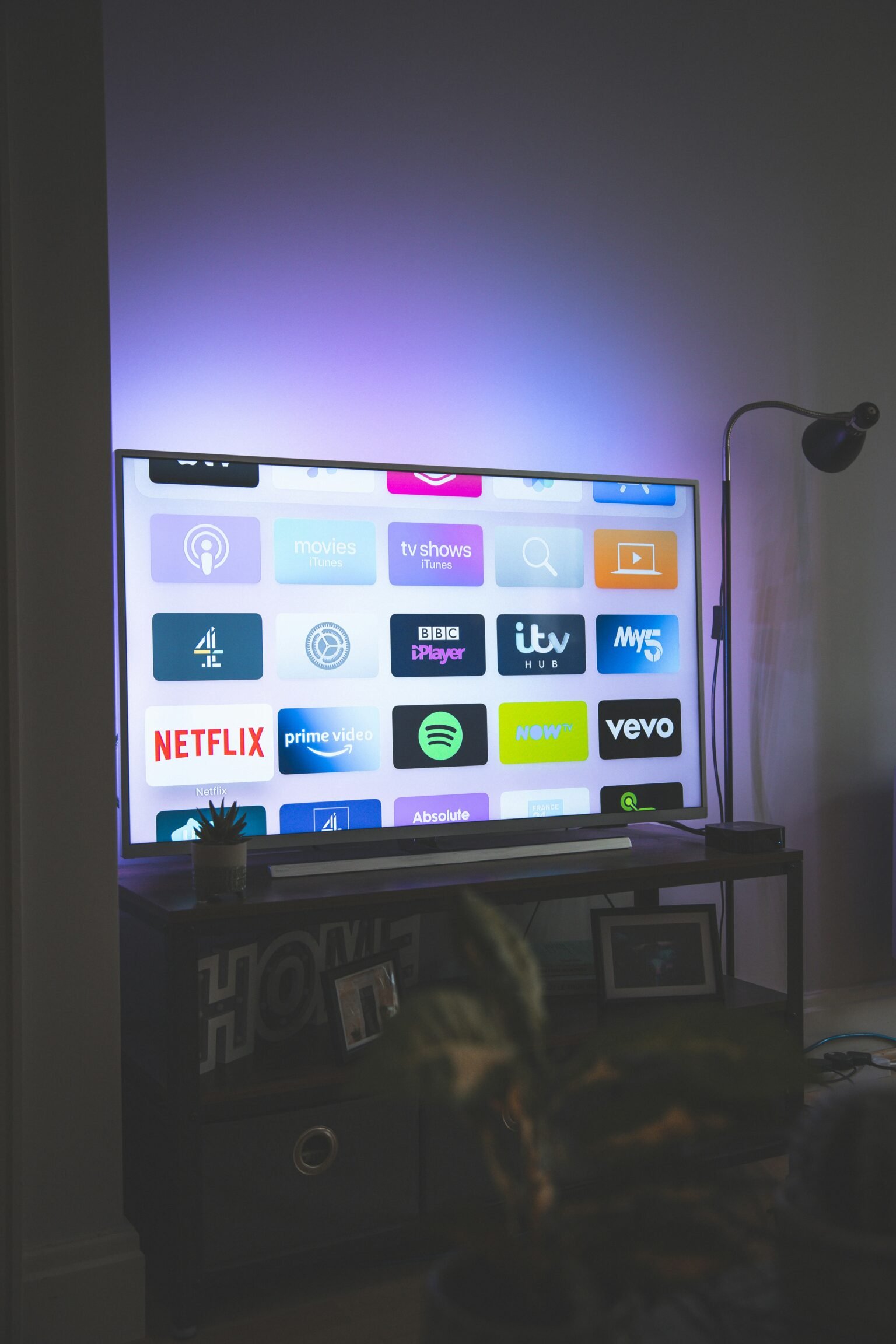

Introduction to Streaming Platforms
Streaming platforms, which enable the delivery of audio and video content over the internet in real time, have significantly transformed the entertainment industry. With the advancement of digital technology, the last couple of decades have seen a shift from traditional media formats, such as cable television and physical media, towards online streaming services. This evolution has coincided with the increasing availability of high-speed internet, the proliferation of smart devices, and robust cloud computing capabilities, which together facilitate seamless streaming experiences for users.
Unlike traditional media where content was tied to a specific broadcasting schedule, streaming platforms allow viewers to access a vast library of movies, television shows, and music on-demand. This flexibility has revolutionized the way audiences consume entertainment, as users can now watch their favorite shows and listen to music whenever and wherever they choose. Furthermore, streaming services often leverage sophisticated algorithms that curate personalized recommendations, enhancing user engagement and satisfaction.
The emergence of streaming platforms has not only influenced consumer behavior but has also shifted the dynamics of content creation and distribution. As traditional media companies adapt to this landscape, many have created their own streaming services, while independent creators find it easier to distribute their work to global audiences without the barriers presented by conventional distribution channels. This evolution has led to an increase in diverse content offerings, catering to varied tastes and preferences.
As we explore the impact of streaming platforms further, it is essential to recognize their role in democratizing access to entertainment, reshaping industry standards, and influencing the future of media consumption. Through their innovative approaches, streaming services are setting new benchmarks for the entertainment landscape, leaving a lasting legacy that is likely to evolve even further.
Impact on Consumer Behavior
The advent of streaming platforms has significantly transformed consumer behavior regarding entertainment consumption. Traditional viewing patterns, characterized by scheduled programming, are increasingly overshadowed by the trend towards on-demand viewing. Viewers now prioritize flexibility, allowing them to watch content whenever and wherever they choose. This shift has been instrumental in shaping a new culture of binge-watching, where viewers consume multiple episodes in one sitting, a habit that is especially prevalent among younger demographics.
Demographic factors also play a crucial role in shaping these consumption patterns. For instance, younger audiences, particularly those in the 18 to 34 age range, often demonstrate a higher propensity for binge-watching and prefer streaming services over traditional cable. This demographic tends to favor platforms that offer diverse content libraries and original programming. In contrast, older generations, while also embracing streaming, may display different viewing habits, often valuing a mix of nostalgia-driven content alongside contemporary offerings.
Additionally, geographical location influences streaming behaviors. Access to high-speed internet varies globally, affecting how and when individuals engage with streaming services. Regions with robust internet infrastructure witness higher levels of streaming engagement, fostering a culture of continuous content consumption. Lifestyle choices, such as work schedules and social habits, further contribute to viewing tendencies, with many users strategically planning their viewing time around work commitments and family life.
This evolution in viewing preferences illustrates that streaming platforms not only cater to diverse tastes but also adapt to the lifestyles of their consumers, encapsulating the dynamic relationship between technology and modern consumption habits. The rise of streaming services has, therefore, redefined entertainment, compelling consumers to interact with content in unprecedented ways.
Content Diversity and Accessibility
In recent years, streaming platforms have dramatically transformed the landscape of entertainment, offering an unprecedented expansion of content that caters to a wide array of audiences. These platforms now provide an extensive selection of genres that range from drama, comedy, and horror to documentaries and reality television. This variety ensures that users can find something appealing, regardless of their personal tastes or preferences.
Moreover, streaming services are increasingly incorporating shows and films from various cultural backgrounds and languages. This shift not only promotes different narratives but also provides viewers with opportunities to experience and appreciate international cinema. As a result, audiences are exposed to stories that reflect diverse cultures, enhancing multicultural understanding and representation in media.
Accessibility is another significant aspect where streaming platforms excel. By breaking geographical barriers, they allow users from different regions to access content previously unavailable in their markets. This democratization of entertainment makes it easier for viewers to enjoy critically acclaimed films and series without the limitations imposed by traditional broadcasting. The ability to watch content on demand, anytime and anywhere, further enhances this accessibility, accommodating the varied schedules and lifestyles of modern viewers.
Furthermore, platforms are embracing a range of formats such as short films, episodic series, and even interactive content, leading to innovative storytelling methods that engage audiences in new ways. By investing in original content that showcases diverse voices and experiences, streaming platforms contribute significantly to the representation of underrepresented groups in the entertainment industry.
Ultimately, the evolution of streaming platforms has fostered a more inclusive and varied entertainment ecosystem. This transformation not only enriches the viewing experience but also paves the way for a broader range of narratives and perspectives that resonate with global audiences.
The Rise of Original Content
In recent years, streaming platforms have transformed the landscape of media consumption by heavily investing in the creation of original content. Unlike traditional networks that primarily rely on licensing pre-existing works, these services have recognized the value of producing unique programming tailored to their audiences. This shift has resulted in a proliferation of critically acclaimed shows and films, exemplified by platforms such as Netflix, Amazon Prime Video, and Disney+, which have each won numerous prestigious awards.
The drive for original content has not only allowed streaming services to differentiate themselves in a crowded marketplace but also to cultivate loyal subscriber bases. By producing exclusive offerings, these platforms have established themselves as primary providers of premium content. Streaming services have prioritized stories that reflect diverse perspectives and innovative storytelling techniques, catering to the evolving tastes of modern viewers. As a result, high-quality productions from streaming platforms have begun to rival those traditionally associated with established studios.
This transformation poses significant implications for traditional studios and networks. As audiences increasingly gravitate towards the convenience and accessibility of streaming, conventional media outlets face mounting pressure to adapt. Many have responded by partnering with or launching their own streaming services, leading to a shift in the industry dynamics. Notably, the competition has prompted studios to focus on strengthening their original content offerings, fostering collaborations with acclaimed filmmakers and writers to produce projects that can stand out in this new environment.
Overall, the emphasis on original content has reshaped the competitive landscape of entertainment, with streaming platforms driving innovation and creativity to remain relevant. As they continue to evolve, the challenge for traditional networks will be to find their place amidst this streaming revolution, ensuring they can compete for viewers’ attention in an increasingly fragmented market.
Changing Revenue Models in Entertainment
The landscape of entertainment has witnessed a significant transformation in its revenue models, particularly with the rise of streaming platforms. Traditionally, many entertainment companies relied heavily on advertisement-based revenue systems. This approach involved generating income through commercials and sponsored content, which provided a steady revenue stream but often came at the cost of viewer experience. However, the advent of subscription-based models has revolutionized this framework, leading to substantial shifts in how revenue is generated and how content is consumed.
Streaming platforms, such as Netflix, Hulu, and Amazon Prime Video, have embraced subscription models that allow consumers to pay a monthly fee for unlimited access to a vast library of content. This shift has not only enhanced user experience by minimizing interruptions but has also influenced the financial strategies of content creators and distributors. For creators, the subscription model provides more predictable revenue streams compared to the fluctuating nature of ad-generated income. This stability allows for better budget forecasting, which is crucial in an industry often marked by uncertainty.
Moreover, with a focus on subscriber retention, streaming services are incentivized to invest in high-quality content that attracts and maintains their audience. This results in a shift in business strategies for both distributors and content creators. Distributors may now prioritize exclusive deals and original productions over licensing agreements, reflecting a more careful approach to curating content that resonates with their subscriber base. The financial implications extend beyond just revenue—companies are also adapting their marketing strategies to highlight the unique offerings of their platforms.
In this evolving ecosystem, the balance of power is gradually shifting towards content creators who can leverage this new model to negotiate better terms and cultivate dedicated audiences. As these changes continue to unfold, understanding the nuances of subscription versus advertisement-based revenue will be essential for stakeholders at all levels in the entertainment industry.
Audience Engagement and Interactivity
As the landscape of entertainment continues to evolve, streaming platforms are leveraging innovative methods to enhance audience engagement. One of the most significant advancements is the incorporation of interactive storytelling, which empowers viewers to influence the narrative direction of the content they consume. This feature not only enhances the viewing experience but also fosters a deeper emotional connection to the material, thereby encouraging repeat viewership and retention.
Furthermore, streaming services are utilizing viewer feedback mechanisms to tailor content to the preferences of their audiences. Features such as ratings, comments, and personalized recommendations allow platforms to gather valuable insights on viewer preferences, enabling them to refine their offerings continually. This responsiveness to user input not only enhances satisfaction but also cultivates a feeling of ownership among viewers, making them more inclined to remain loyal to a particular platform.
Additionally, the integration of social media within streaming platforms facilitates real-time interaction among viewers, further enriching the entertainment experience. By enabling users to share opinions, discuss episodes, and even watch together in virtual environments, streaming services capitalize on the social aspect of viewing. This integration creates a community of engaged users who are likely to return to the platform for both content and connection.
In conclusion, the strategies employed by streaming platforms to elevate audience engagement through interactive storytelling, feedback mechanisms, and social media integration significantly enhance viewer loyalty and retention. As these features become more prevalent, they are reshaping the relationship between audiences and content creators, ensuring that the entertainment experience is not only captivating but also immersive and participatory.
Globalization of Entertainment
In recent years, streaming platforms have revolutionized the way content is consumed, thereby playing a pivotal role in the globalization of entertainment. By providing access to a vast library of films, series, and other media from various countries, these platforms break down geographical barriers that once limited audiences to localized content. For instance, a viewer in the United States can easily watch a critically acclaimed series from South Korea or a documentary from Kenya, thanks to the algorithms that recommend international content based on user preferences.
This trend fosters significant cultural exchange, allowing diverse narratives and artistic expressions to reach a wider audience. Audiences are now exposed to different storytelling styles, cultural nuances, and genres that they may not have encountered through traditional media outlets. This exposure not only enriches viewers’ understanding of foreign cultures, but also stimulates curiosity and interests that may lead to increased cross-cultural dialogue.
Furthermore, the globalization of entertainment has profound implications for local content industries. On one side, the influx of international content can pose challenges to local creators, who may struggle to compete for viewership against more prominent, global productions. On the other side, this global exposure can also provide opportunities for local talents to gain recognition on a larger scale. Streaming platforms often seek unique voices and stories, which encourages filmmakers and content creators from diverse backgrounds to share their work globally. The symbiotic relationship fostered by these platforms helps in the nurturing of local content, making it possible for local stories to resonate with international audiences.
In essence, the globalization facilitated by streaming services marks a significant evolution in the entertainment landscape, enhancing cultural exchanges while posing both challenges and opportunities for local industries.
Challenges Faced by Streaming Services
As streaming platforms have become increasingly popular in recent years, they have encountered various challenges that may significantly impact their growth and sustainability. One primary issue is the intense competition within the streaming market. With numerous platforms vying for subscribers, including established giants and new entrants, differentiating themselves has become crucial. This saturation makes it essential for each service to continuously innovate and provide unique content offerings to capture and retain audience attention.
In addition to competition, content saturation has emerged as a pressing challenge for streaming platforms. The sheer volume of content available on these platforms can lead to viewer fatigue. Consumers may find it overwhelming to choose what to watch, which can ultimately diminish overall engagement. Therefore, streaming services must develop strategic content curation methods that enhance user experience, such as personalized recommendations and user-friendly interfaces.
Regulatory issues present another layer of complexity for streaming services. As governments around the world develop new regulations regarding content distribution, copyright enforcement, and taxation, streaming platforms must adapt to these changes to avoid legal complications. These regulations can hinder their operational flexibility and influence strategic decisions regarding content acquisition and partnerships.
Data privacy concerns also pose significant challenges. With an increasing amount of personal user information being collected, platforms must prioritize the protection of their users’ data. Inadequate measures can lead to breaches of privacy that undermine user trust and loyalty. As scrutiny around data management continues to intensify, it is essential for streaming services to implement robust security protocols and transparent user consent procedures.
Ultimately, the interplay of competition, content saturation, regulatory issues, and data privacy concerns will shape the future landscape of streaming entertainment. Addressing these challenges will be vital for these platforms to thrive in an evolving market.
The Future of Streaming in Entertainment
The landscape of entertainment has drastically transformed due to the rise of streaming platforms, and the future promises to be even more dynamic. As technological advancements continue to unfold, we anticipate an increased integration of artificial intelligence (AI) and virtual reality (VR) within streaming services. AI will likely play a pivotal role in personalizing content recommendations, ensuring that users receive tailored viewing experiences that cater specifically to their tastes and preferences. This level of customization can significantly enhance viewer satisfaction, leading to greater user loyalty among streaming services.
Moreover, the incorporation of VR technology could revolutionize how audiences engage with content. Imagine immersing oneself in a virtual environment where viewers can not only watch but experience narratives from a first-person perspective. This possibility elevates storytelling to unprecedented levels and could redefine interactive entertainment, compelling users to spend more time on platforms that offer such innovative experiences.
Consumer preferences are also evolving as younger demographics prioritize convenience and instant access to a wide array of content. As a result, streaming platforms may need to consider mergers and acquisitions to expand their libraries and enhance their competitive edge. Collaborations between various streaming entities, or even with traditional media outlets, could lead to the creation of content that resonates with diverse audiences. Such strategic partnerships could provide a wealth of synergies that ultimately enrich the viewing experience.
In summary, the future of streaming in entertainment is poised for significant growth driven by technological innovations and changing viewer expectations. By embracing these trends, streaming platforms are set to play a critical role in shaping the entertainment industry in the years to come, confirming their status as leading players in an increasingly digital world.

