

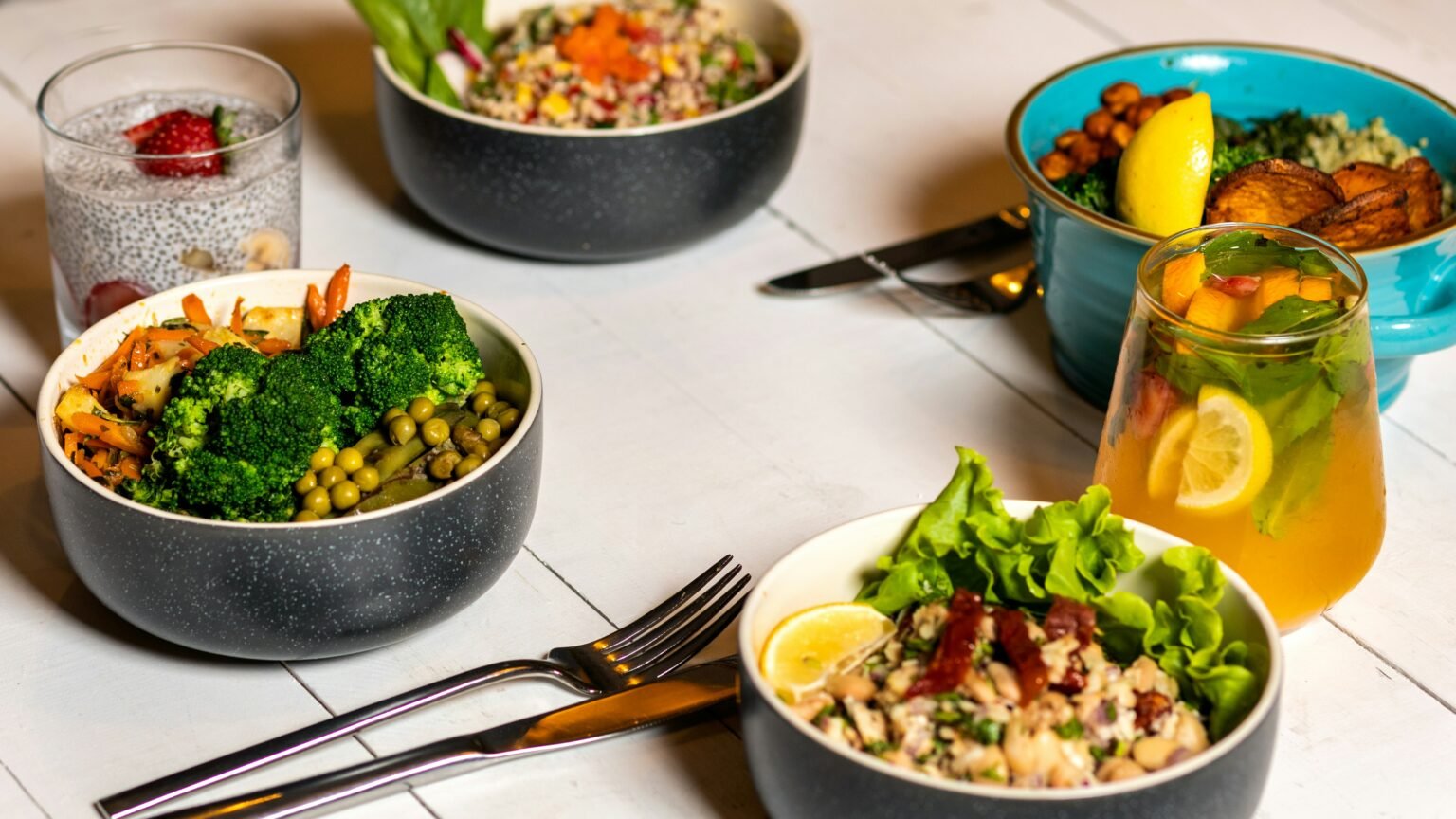

Introduction to Healthy Eating on the Go
In today’s fast-paced world, maintaining a healthy diet can pose significant challenges, especially for those with busy schedules. Individuals often find themselves balancing work, family, and social obligations, which can lead to the compromise of their nutritional needs. Consequently, adopting healthy eating habits might seem daunting; however, the importance of this aspect of well-being cannot be overstated. Proper nutrition is integral to maintaining energy levels, enhancing mood, and promoting overall health.
Busy schedules frequently result in hurried meals or reliance on convenience foods, which are often high in calories, sugars, and unhealthy fats. These choices can lead to negative health implications such as weight gain, fatigue, and decreased productivity. Consequently, understanding how to efficiently incorporate nutritious options into daily routines is essential for busy individuals.
Furthermore, planning and preparation are crucial elements in fostering healthy eating patterns. Individuals may struggle to find time for meal prep, leading to reliance on takeout or processed foods. However, small changes, such as preparing meals in advance or utilizing quick, nutritious snacks, can significantly improve dietary habits. Simple strategies, like incorporating more fruits, vegetables, whole grains, and lean proteins, can provide essential nutrients that support sustained energy throughout busy days.
As individuals begin to implement these changes, they may notice positive effects on their energy and mood, enhancing not only their personal well-being but also their overall productivity. Investing time in healthy meal planning may seem challenging initially, but the long-term benefits far outweigh the temporary inconveniences. Thus, embracing healthy eating practices becomes a rewarding endeavor for those navigating a busy lifestyle.
Quick and Easy Breakfast Ideas
For individuals with hectic schedules, a nutritious breakfast often becomes an overlooked necessity. However, prioritizing this meal can significantly enhance your energy and focus throughout the day. Below are several healthy breakfast options that are designed for convenience, allowing you to nourish your body even on the busiest of mornings.
One of the most efficient breakfasts to consider is overnight oats. This dish involves combining oats with yogurt or milk, and a variety of toppings such as fruits, nuts, and seeds. Simply prepare your oats the night before and let them sit in the refrigerator. In the morning, you can enjoy a delicious and filling meal in minutes, providing a substantial source of fiber and essential nutrients.
Smoothie bowls also present a quick and vibrant breakfast alternative. Blending together your choice of fruits, vegetables, and a protein source like Greek yogurt or protein powder creates a nutrient-rich beverage. For added texture, top your smoothie with granola, chia seeds, or fresh fruit. This customizable option facilitates creativity and ensures you can tailor the ingredients to your dietary preferences.
Another simple meal is avocado toast, which has gained popularity for its health benefits and versatility. Start with whole-grain bread as a base, then layer on ripe avocado, sprinkled with salt, pepper, and your choice of toppings, such as poached eggs or sliced tomatoes. This combination will deliver healthy fats and fiber, promoting satiety and energy.
Ultimately, incorporating these quick and easy breakfasts into your morning routine can help you maintain a balanced diet, even amidst a busy lifestyle. Each of these options emphasizes nutritional value while ensuring that preparation is straightforward and efficient.
Nutritious Lunch Recipes
For busy individuals seeking healthy meal options, nutritious lunch recipes can provide essential nourishment while accommodating a hectic schedule. Preparing a satisfying lunch doesn’t have to be a time-consuming task. Below are some easily assembled ideas that focus on nutrition and portability.
Mason jar salads are an excellent choice for a quick, customizable lunch. These salads are assembled in layers, starting with dressing at the bottom to prevent sogginess, followed by firmer vegetables, proteins, and greens at the top. This method allows for easy transport and helps maintain freshness. Some suggested ingredients for a mason jar salad include chickpeas, cherry tomatoes, avocado, and spinach, which provide a balanced mix of protein, healthy fats, and fiber.
Wraps offer another simple and versatile option. Using whole grain or spinach tortillas, it’s easy to create a wrap filled with various ingredients. For a nutritious filling, consider using lean proteins such as turkey or grilled chicken, mixed with vibrant veggies like bell peppers and lettuce, and a spread of hummus or Greek yogurt for added flavor. Wraps can be made in advance and enjoyed even on the busiest days, making them ideal for on-the-go lunches.
Grain bowls are also a popular choice, as they can be packed with a combination of whole grains, vegetables, and proteins. Start with a base of quinoa, brown rice, or farro, and top it off with roasted vegetables, beans, and a drizzle of olive oil or vinaigrette. This dish not only supports healthy eating habits but also allows for creativity and flexibility, as different ingredients can be used based on personal preferences or seasonal availability.
To streamline meal preparation for busy weekdays, consider dedicating a few hours during the weekend to pre-cook items like grains and proteins. Storing them in airtight containers in the fridge will facilitate quick assembly of lunches during the week. Alternatively, creating a weekly menu can provide structure, ensuring that a variety of nutritious meals are enjoyed without the stress of daily planning.
Healthy Snacks for Busy Lifestyles
For individuals leading busy lifestyles, maintaining energy levels throughout the day can be challenging. However, snacking smartly can provide the necessary boost to fuel the brain and body. Choosing healthy snacks should focus on portability, nutrition, and convenience. Here are several options that cater to such needs.
Nut butter packs are a versatile snack choice, providing healthy fats and protein. They can be paired with sliced fruits like apples or bananas for an easy, energizing treat. Alternatively, nut butter can be spread on whole-grain crackers or rice cakes, adding a satisfying crunch.
Trail mix is another excellent option for on-the-go snacking. Composed of nuts, dried fruits, and seeds, trail mix offers a balance of carbohydrates, protein, and fats, making it a filling snack. Pre-packaged options are available, but creating a custom mix ensures it meets personal taste preferences while controlling the ingredients.
For those seeking a creamy snack, Greek yogurt is highly nutritious and comes in portable containers. It is rich in protein and can be enhanced with fruits, honey, or granola for added flavor and texture. Moreover, the probiotics in Greek yogurt promote gut health, making it a beneficial choice.
Other portable snacks include energy bars made from wholesome ingredients like oats, nuts, and natural sweeteners. It is advisable to choose bars with limited added sugars to avoid energy crashes. Fresh veggies such as carrot or celery sticks paired with hummus provide a crunchy, refreshing option that is low in calories yet satisfying.
Incorporating these healthy snacks into one’s daily routine not only supports sustained energy but also promotes healthier eating habits amidst a busy schedule. Making the right snack choices is essential for maintaining productivity and overall well-being.
Simple Dinner Solutions
For busy individuals, finding the time to prepare healthy dinners can be a challenge. However, there are several simple dinner solutions that can be made in 30 minutes or less without compromising on nutrition. By incorporating quick-cooking methods like stir-fries, utilizing sheet pan meals, or taking advantage of slow cooker recipes, you can enjoy delicious meals that fit seamlessly into your schedule.
Start with stir-fries, which are not only quick to prepare but also a fantastic way to include a variety of vegetables and protein in your diet. A simple stir-fry can feature proteins such as chicken, tofu, or shrimp tossed with colorful vegetables like bell peppers, broccoli, and snap peas. A splash of soy sauce and a sprinkle of sesame seeds elevate the flavor, and you can serve it over brown rice or quinoa for added nutrition.
Another efficient option is sheet pan meals. These meals require minimal prep work; simply arrange your choice of protein, such as salmon or chicken, along with an assortment of seasonal vegetables on a single baking sheet. Drizzle with olive oil, season with herbs, and roast everything in the oven. The result is a well-balanced meal that requires little cleanup, perfect for a busy evening.
Finally, consider embracing the slow cooker for your dinner preparations. Slow cooker recipes allow you to set and forget your meal while it cooks gradually throughout the day. Options like chili or vegetable stew can be prepared with minimal effort, and they provide hearty, fulfilling meals ready when you are. By planning ahead and utilizing these techniques, busy people can enjoy healthy dinners that are both swift and satisfying.
Meal Prep Tips for Busy Individuals
For individuals navigating a busy lifestyle, meal prepping can serve as a crucial strategy to ensure healthy eating habits are maintained and time is effectively managed. Planning and preparing meals in advance can alleviate the stress associated with cooking daily. One of the first steps in establishing a successful meal prep routine is to dedicate a specific time each week for this task. Whether it’s Sunday afternoon or any other convenient time, setting aside a block of time can help create a consistent habit.
Choosing the right containers is essential for effective meal storage. Investing in high-quality, BPA-free containers that are microwave and freezer-safe will make it easier to store and reheat meals. Additionally, organizing the fridge and pantry can save time in locating ingredients, further streamlining the meal prep process. It is advisable to consider batch cooking staple items, such as grains, proteins, and vegetables, which can serve as a base for various meals throughout the week. By preparing these components in larger quantities, individuals can create a variety of dishes with minimal effort.
Another technique is to utilize seasonal produce and proteins that can be marinated and cooked in bulk. This not only enhances flavor but also adds nutritional value to the meals. Incorporating spices and herbs can elevate the taste without significantly increasing prep time. Furthermore, having quick and easy recipes on hand that require minimal preparation, such as salads, stir-fries, or wraps, can make meal options more varied and enticing.
A crucial aspect of meal prepping is flexibility; it is important to adapt the plan as needed based on personal preferences and available ingredients. Engaging in regular reflection about what worked well and what didn’t can help refine the process, ultimately leading to a meal prep routine that fits the individual’s lifestyle and time constraints.
Using Freezer Meals for Convenience
In today’s fast-paced world, busy schedules often make it challenging to prepare healthy meals from scratch. This is where freezer meals come into play, offering a practical solution for those hectic nights. Preparing freezer meals not only saves time but also helps in maintaining a balanced diet, avoiding unhealthy fast food options. By investing a bit of time in advance, one can have nutritious meals readily available at home.
When selecting meals to freeze, it’s essential to consider items that retain their quality well after freezing. Dishes such as soups, stews, casseroles, and cooked grains generally freeze exceptionally well. Additionally, individual portions of proteins like grilled chicken, meatballs, or marinated vegetables are great options. It’s advisable to avoid freezing items with a high water content, such as cucumbers or lettuce, as these can become mushy upon thawing.
Proper storage is crucial to retaining the quality of freezer meals. Invest in high-quality, airtight containers or freezer bags that are specifically designed for freezing food. When packing meals, make sure to remove as much air as possible to minimize freezer burn, which can negatively affect taste and texture. Label each container with the meal name and date prepared so that you can easily identify what you have available.
Defrosting meals need not be a hassle. The safest method is to transfer the meal from the freezer to the refrigerator the night before you plan to use it, allowing for gradual thawing. If you’re pressed for time, you can utilize the microwave’s defrost function or cook the meal from frozen; just be sure to monitor cooking times and adjust accordingly. Using freezer meals can significantly enhance your weeknight routine, providing both convenience and nutrition, ultimately simplifying the challenges posed by busy lifestyles.
Making Healthy Choices When Eating Out
Eating out or opting for takeout can often pose challenges for those striving to maintain a healthy diet. However, with some mindful strategies, it is possible to make healthier choices while still enjoying dining experiences. One of the first steps is to familiarize yourself with how to read menus effectively. Many restaurants now highlight healthy options, such as meals that are lower in calories, saturated fats, and sugars. Look for dishes that are rich in vegetables, lean proteins, and whole grains, as these components contribute to a more nutritious meal.
Another critical aspect is understanding portion sizes. It is not uncommon for restaurant portions to exceed typical serving sizes, which can lead to overeating. To combat this, consider sharing a dish with a dining companion or opting for half-portions when available. Additionally, starting your meal with a salad or broth-based soup can help you feel fuller, ultimately reducing the desire to overindulge in the main course.
When navigating the bustling world of takeout, it pays to be selective about where you order from. Choose restaurants that prioritize whole foods and have customizable options. For instance, many places allow substitutions, letting you swap fried items for grilled or steamed versions. It is also beneficial to review a restaurant’s menu prior to visiting or ordering, as this preparation can make it easier to resist impulse decisions.
Lastly, be cautious with beverages. Sugary drinks can add significant empty calories to your meal. Instead, opt for water, unsweetened tea, or other low-calorie drinks. By incorporating these strategies, you can make healthier choices even when dining out, ensuring that enjoying meals away from home can still align with your healthy eating goals.
Conclusion and Final Thoughts
Healthy eating is an essential part of maintaining overall well-being, even for those with demanding schedules. This blog post has highlighted a range of healthy meal ideas specifically designed for busy individuals, offering practical solutions that fit seamlessly into a busy lifestyle. Key takeaways include the importance of meal planning and preparation, as well as the benefits of incorporating wholefoods into daily meals. By prioritizing nutrition, individuals can boost their energy levels and enhance their productivity.
Furthermore, the suggestions outlined demonstrate that nutritious meals do not have to be time-consuming. Quick options such as salads, overnight oats, and smoothies can provide balanced nutrition without requiring extensive cooking time. Additionally, utilizing batch cooking and efficient storage solutions can help in making healthy choices more accessible throughout the week.
It is crucial for busy professionals and individuals alike to realize that small, actionable changes can lead to significant health benefits over time. Substituting processed snacks with healthier options like fruits, nuts, or yogurt can make a noticeable difference in energy levels. Moreover, experimenting with new recipes and ingredients can keep the meals exciting and motivate individuals to maintain their healthy eating habits.
In conclusion, navigating a busy lifestyle does not preclude one from eating healthily. By being intentional about meal choices and incorporating a variety of nutritious options, everyone can create a sustainable approach to eating well. Through these incremental steps, healthy eating can transcend from being an unattainable goal to a realistic lifestyle choice, fostering both physical and mental well-being in the long run.

