

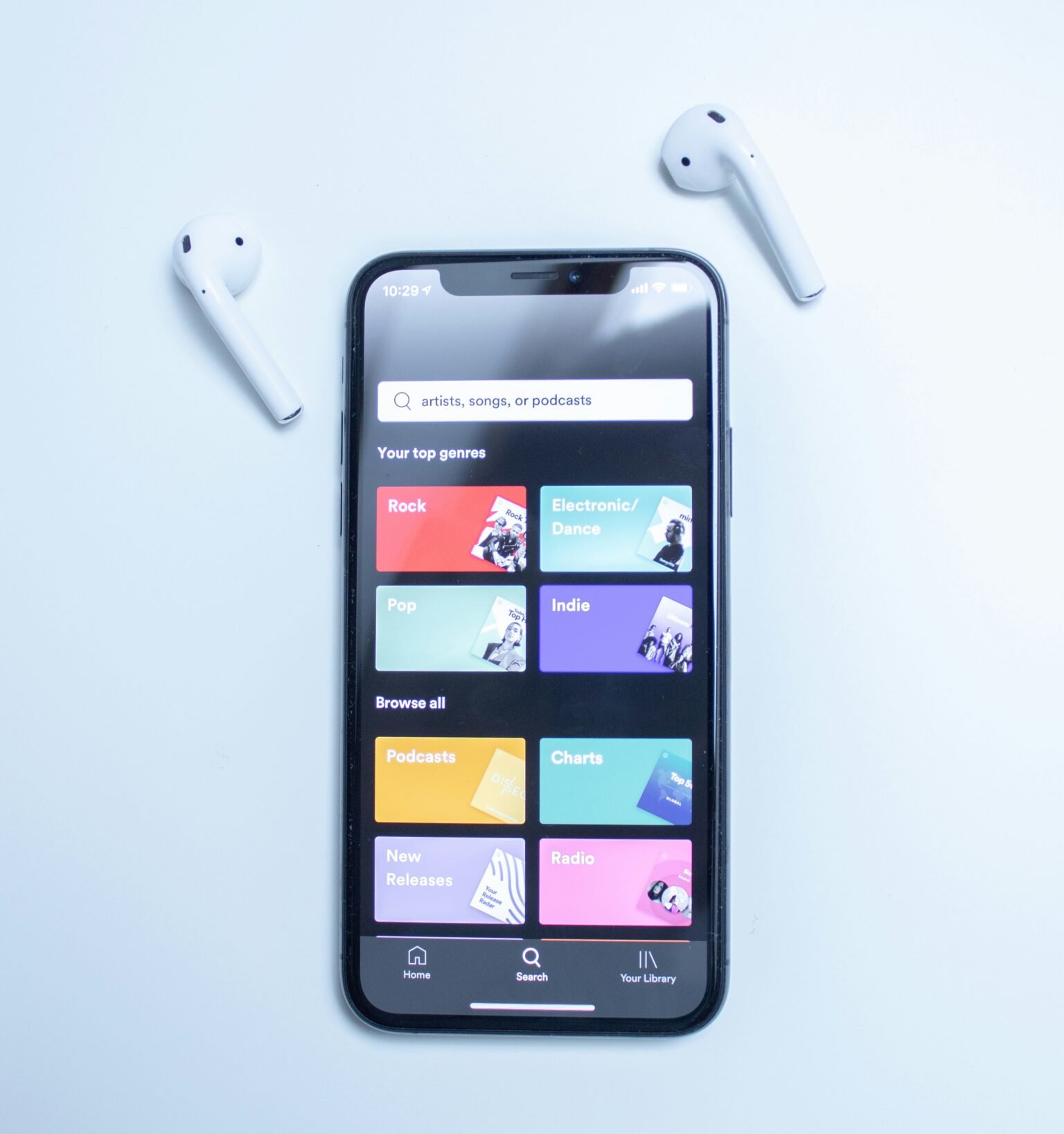

Introduction to Music Trends
Music trends refer to the evolving patterns and styles that emerge within the music industry, influenced by cultural, social, and technological changes. These trends shape not only the sound of music but also how it is produced, distributed, and consumed. Understanding music trends is crucial for artists, producers, and listeners alike, as they often dictate the direction of the industry and reflect the zeitgeist of the society.
For artists and producers, being aware of upcoming trends is vital for staying relevant and competitive in an increasingly crowded marketplace. Adapting to these trends can enhance an artist’s chances of success, as well as inspire innovation and creativity in their work. Additionally, producers can leverage trends to connect with audiences more effectively, crafting soundscapes that resonate with contemporary tastes. Furthermore, trends are also indicative of changing technological advancements, such as the rise of streaming platforms and the impact of social media, which have reshaped how music is produced and shared.
Listeners benefit from being aware of music trends as well. Trends often highlight emerging genres and sounds, allowing fans to discover new music that resonates with their evolving preferences. The collective consciousness of listeners shapes these trends, creating a dynamic interaction between the audience and the music industry. In addition, an appreciation for trending music can enhance the listening experience, as one becomes more engaged with the cultural conversations surrounding popular sounds.
In conclusion, music trends serve as an essential barometer for understanding the landscape of the music industry. By keeping a close watch on these evolving patterns, artists, producers, and listeners can navigate the ever-changing world of music more effectively, fostering a richer and more connected experience for everyone involved.
Current Music Trends Influencing the Future
The music industry is undergoing an evolution driven by various trends that are shaping the future landscape of musical expression and consumption. One significant trend is the rise of genre-blending. Artists are increasingly drawing from multiple sources to create unique sounds, merging elements of hip-hop, electronic, rock, and traditional ethnic music. This has led to the emergence of innovative sub-genres, which not only capture diverse audience preferences but also push the boundaries of what constitutes music.
Another trend is the incorporation of technology-enhanced production techniques. The use of artificial intelligence (AI) and machine learning in music production is becoming more prevalent. These tools can analyze popular patterns and assist artists in creating compositions that resonate with listeners. With software that can replicate human creativity, musicians are embracing these technologies to streamline the production process and enhance their sound. As a result, we will likely witness an increase in the availability of complex and theoretical sound compositions.
Moreover, the impact of streaming platforms cannot be overlooked. Services like Spotify and Apple Music have reshaped how audiences consume music, paving the way for emerging artists to gain exposure without the traditional barriers posed by the music industry. This accessibility allows for a wider range of sounds and styles to gain traction, encouraging audiences to explore music beyond their typical tastes. This democratization of music consumption suggests a future where niche genres may flourish alongside mainstream pop and rock.
Lastly, social media’s role in music promotion cannot be ignored. Platforms such as TikTok have enabled songs to go viral, dramatically boosting their popularity within short periods. This underscores the evolving dynamics of music marketing, where trends can shift rapidly based on online engagement. The influence of social media on music representation and artist promotion is set to shape the way new sounds and trends are understood and experienced by future audiences.
The Impact of Technology on Music Trends
Advancements in technology have profoundly transformed the music industry, particularly in terms of how music is produced, distributed, and consumed. Streaming platforms such as Spotify, Apple Music, and YouTube have revolutionized access to music, allowing listeners to enjoy an extensive library of songs instantaneously. This shift from physical sales to digital streaming has not only changed revenue models but has also affected music consumption patterns. Artists now aim to create music that optimizes streaming potential, often focusing on shorter tracks or catchy hooks that encourage repeated plays, reflecting the new dynamics of music engagement.
Moreover, the proliferation of music production software and affordable recording equipment has democratized music creation. Independent musicians can now craft high-quality tracks from the comfort of their homes without the need for expensive studio time. This accessibility has fueled a surge of creativity, leading to diverse genres and experimental sounds. As technology continues to evolve, artists are able to push boundaries and redefine genres, constantly adapting to the changing landscape of music trends.
Furthermore, social media platforms like TikTok, Instagram, and Twitter play a crucial role in shaping music trends. They provide artists with the opportunity to promote their work directly to audiences and engage with fans in real-time. Viral challenges and trends on these platforms often propel tracks into mainstream consciousness, creating overnight successes for artists who effectively leverage these tools. The integration of technology into the music landscape not only influences how artists create and share their music but also significantly impacts audience interactions, fostering a more interconnected music community.
Emergence of New Genres and Fusions
In recent years, the music industry has witnessed a remarkable evolution characterized by the emergence of new genres and innovative fusions of existing styles. This phenomenon is largely influenced by the increasing interconnectedness of global cultures and the continuous collaboration among artists from diverse backgrounds. As technology advances, it facilitates not only the creation but also the dissemination of music, allowing for cross-cultural interactions that inspire unique sounds.
One significant factor contributing to the rise of new genres is the blending of traditional musical elements with modern production techniques. This fusion often results in hybrid genres that defy conventional classifications, attracting audiences with their fresh and eclectic sounds. For instance, the merging of hip-hop with elements of electronic dance music (EDM) has given birth to vibrant subgenres that resonate with younger listeners. Such combinations allow artists to explore various themes and emotional landscapes, which enhances their creative expressions.
Moreover, cultural influences play a vital role in shaping these new music styles. As globalization continues to encourage the exchange of artistic ideas, musicians are increasingly incorporating traditional instruments, rhythms, and melodies from different cultures into their compositions. This not only fosters musical innovation but also promotes cultural appreciation and understanding among diverse audiences. Collaborative projects, where artists from different genres and regions come together, have further catalyzed the emergence of exciting new sounds.
In conclusion, the music landscape is rapidly changing, driven by the emergence of new genres and the fusion of existing styles. The influences of cultural interaction and collaborative creativity are crucial to this transformation, encouraging artists to push boundaries and explore uncharted territories within the realm of music. As we look to the future, it is clear that these trends will continue to shape the musical experiences of generations to come.
The Role of Social Media and Viral Music
In recent years, social media platforms have transformed the way music is consumed, promoted, and shared, leading to a significant shift in the music industry landscape. Platforms like TikTok and Instagram have emerged as essential tools for artists, enabling them to reach a broader audience and engage with fans in innovative ways. The rise of these platforms has given birth to the phenomenon of viral music, where songs can gain instant popularity due to trending challenges and memes.
For example, TikTok has become a breeding ground for emerging artists, as users often create videos or dance challenges featuring specific tracks. This has resulted in several songs becoming viral hits almost overnight, launching the careers of previously unknown musicians. Viral music success stories, such as those of Lil Nas X’s “Old Town Road” or Olivia Rodrigo’s “drivers license,” illustrate how social media can reshape music charts and influence listener habits.
Furthermore, the impact of social media goes beyond just instant hits; it also fosters a sense of community among listeners. Fans can participate in various challenges tied to their favorite songs, helping to create a shared experience that enhances engagement and loyalty. This participatory culture not only increases visibility for artists but also fosters creativity, as users are inspired to develop their interpretations of the original content.
Moreover, artists and marketing teams are increasingly leveraging social media analytics to gauge audience preferences and tailor their strategies accordingly. The ability to analyze trends in real-time allows musicians to capitalize on viral content, adjusting their promotional efforts to maintain momentum. Consequently, the synergy between social media and music trends has led to a more dynamic and responsive music industry.
In essence, social media is revolutionizing the music scene, enabling artists to connect with audiences like never before and allowing songs to become viral sensations that capture the public’s imagination. This trend is likely to continue influencing upcoming music trends, underscoring the crucial role platforms play in shaping the evolving musical landscape.
Diversity and Inclusivity in Music
The music industry is undergoing a significant transformation as diversity and inclusivity emerge as pivotal trends. Artists from a myriad of backgrounds are increasingly making their voices heard, thereby enriching musical genres with their unique perspectives. This growing representation is not only fostering creativity but also challenging the traditional norms that have often sidelined marginal voices.
Over the past decade, the rise of platforms such as Spotify and social media has democratized the music landscape, allowing underrepresented artists to gain visibility. Genres that were once dominated by a few mainstream artists are now being influenced by a broader array of cultural sounds and narratives. For instance, the fusion of hip-hop with traditional music styles from various countries has given rise to new sub-genres, illustrating how diverse influences can organically blend to create innovative musical experiences.
Moreover, the call for inclusivity is prompting record labels, festivals, and award shows to re-evaluate their policies and practices. Initiatives aimed at elevating women, artists of color, and LGBTQ+ musicians are becoming more common, signaling a commitment to represent an array of identities within the mainstream narrative. This shift is evident in recent award nominations and performances that foreground diverse talent, thereby inspiring a wave of upcoming artists to embrace and share their authentic stories.
As we look forward, it is clear that diversity will continue to shape the music industry, compelling listeners and producers alike to engage with a broader spectrum of voices. This cultural amalgamation not only benefits artists but also offers audiences a richer, more varied musical experience. By fostering an environment that champions inclusivity, the music industry is making strides towards a future that celebrates all forms of creative expression.
Sustainability and Ethical Considerations in Music
The music industry, much like other sectors, is increasingly acknowledging the need for sustainability and ethical practices. Musicians, promoters, and record labels are recognizing their role in the global initiative to combat climate change and promote social responsibility. The movement towards eco-friendly music events is gaining momentum, with more festivals and concerts implementing sustainable practices. For instance, many events are striving to reduce their carbon footprint by utilizing renewable energy sources, minimizing waste through digital ticketing, and employing environmentally-friendly materials.
In addition to the logistics of event management, artists themselves are also becoming advocates for sustainability. This shift is evidenced by musicians choosing to partner with organizations that prioritize environmental conservation or endorse responsible sourcing of materials used in merchandise production. For instance, items that are made from recycled materials or sustainably-sourced products are increasingly popular among fans who are conscious of their consumption habits.
Furthermore, the advent of technology plays a crucial role in facilitating sustainable practices in the music industry. Digital platforms enable artists to distribute their music without the need for physical media, considerably decreasing the use of plastic and paper. Additionally, online events and virtual concerts have surged, offering an environmentally sustainable alternative while allowing artists to reach a wider audience.
As the music landscape evolves, the demand for ethical considerations in its practices is unmistakable. Independent labels and mainstream institutions alike are responding to fans’ preferences for transparency and accountability. The convergence of music and sustainability is not just a trend but a movement towards more responsible entertainment that aligns with the growing global consciousness about environmental issues. As such, the future of music may very well lie in its ability to adapt to and promote sustainable and ethical practices within its core operations.
Predictions for the Future of Music
As we look towards the future of music, several key trends and predictions emerge, reflecting the rapid evolution of both technology and consumer behavior. One significant area expected to reshape the music landscape is artificial intelligence (AI). AI-driven tools are already assisting artists in the creation process, from composing music to mastering tracks. As these technologies improve, they will not only democratize music production but also introduce innovative soundscapes and styles that might not have been conceived by human minds alone.
Moreover, the integration of virtual and augmented reality in the music experience is anticipated to become more mainstream. Virtual concerts and immersive experiences are set to revolutionize how audiences engage with their favorite artists. The COVID-19 pandemic accelerated the adoption of online performances, and as technologies evolve, fans may find themselves attending concerts in virtual environments that blend dynamic visuals with live audio experiences, eliminating geographical barriers and enhancing accessibility.
The rise of streaming platforms has already shifted the way music is consumed, and this trend is expected to continue. Consumers increasingly favor on-demand music access, leading to an expansion of subscription-based services. Additionally, with the growing interest in niche genres fueled by algorithms that provide personalized recommendations, we may see an even more diverse set of musical styles gaining prominence in the coming years.
Furthermore, sustainability in music production is gaining attention. Artists and labels are becoming more conscious of their environmental impact, opting for eco-friendly practices in concerts, records, and merchandise. This shift aligns with broader societal movements towards sustainability, influencing both the production and consumption of music.
In conclusion, the future of music is poised to be shaped by technological advancements, changing consumer preferences, and an increasing commitment to sustainability. As these trends unfold, we can expect a vibrant and varied music scene that reflects the ethos of a new generation of artists and audiences.
Conclusion: Embracing Change in the Music Scene
As we navigate through the rapidly evolving landscape of the music industry, it is essential to acknowledge the importance of adapting to emerging trends. The continual transformation of music genres, production techniques, and consumption patterns reflects the dynamic cultural shifts within society. By embracing these upcoming music trends, both artists and fans can stay relevant and engaged in a constantly changing environment.
The emergence of new sounds and technologies has, historically, always driven the evolution of music. With the rise of digital platforms, these changes have accelerated, leading to unprecedented access to diverse musical influences. This not only allows artists to explore inventive styles but also encourages listeners to experience a broader range of musical expressions. Engaging with these trends can foster a deeper appreciation for different genres and cultures, enhancing the overall experience of music.
Moreover, remaining informed about current trends enables both musicians and audiences to participate actively in the dialogues shaping the music scene. This interplay enriches the community, as feedback and collaboration between artists and fans create a vibrant ecosystem that produces innovative works. As we look to the future, embracing change becomes pivotal for everyone involved in the music industry.
In conclusion, the future of music promises to be as diverse and multifaceted as the audience it serves. By staying informed and open to the shifts in musical trends, individuals can not only enhance their listening experience but also contribute to the richness of the music community. The journey through these new sounds is an invitation to explore, engage, and ultimately enjoy the myriad of experiences that music provides.

