

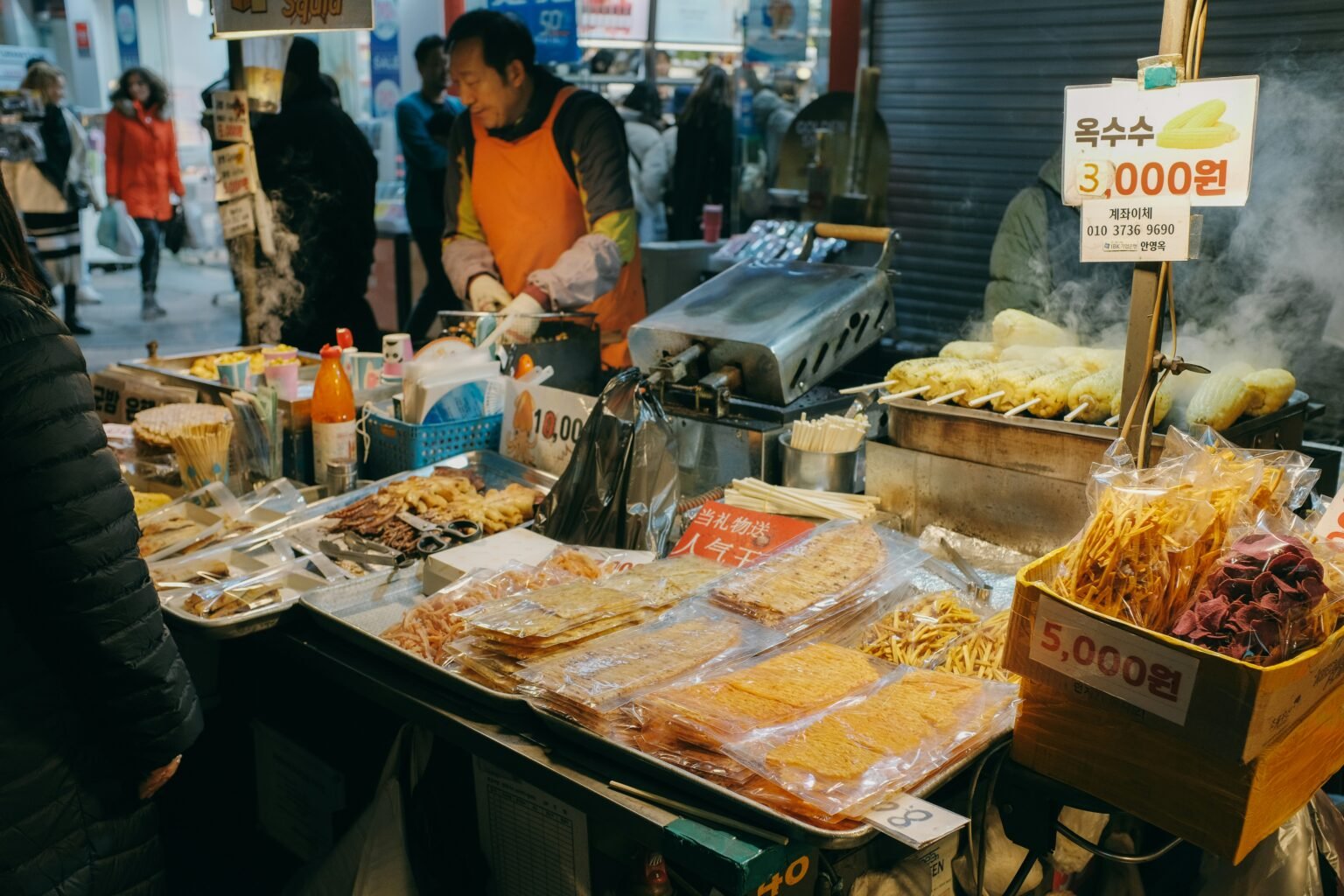

Introduction to Street Food Culture
Street food is an integral aspect of culinary traditions worldwide, serving as a flavorful representation of local culture, economic dynamics, and social practices. Originating from the necessity to provide affordable, quick meals for urban populations, street food has evolved into a celebrated facet of daily life in many countries. From bustling markets in Bangkok to food stalls in Mexico City, this vibrant food culture offers a unique insight into the heart of communities.
Historically, street food has roots in ancient civilizations where vendors sold delicacies to busy workers and travelers. This practice continues today, influenced by the locality’s ingredients, cooking techniques, and cultural heritage. Each region has its own distinct offerings, reflecting the diverse flavors and culinary identities that exist globally. For example, in India, the rich spices and flavors of chaat highlight local palates, while in Italy, the simplicity and freshness of a wood-fired pizza showcase the Italian culinary philosophy.
The significance of street food goes beyond mere sustenance; it is also a social phenomenon. Street food markets serve as gathering places, fostering community interaction and cultural exchange among locals and tourists alike. The atmosphere is often lively, marked by the sounds of sizzling pans, laughter, and the enticing aromas of food being prepared. Moreover, street food represents economic empowerment for many vendors, providing a means for entrepreneurship and livelihood, especially in urban settings.
The popularity of street food can also be attributed to its accessibility and affordability, making it a preferred choice for busy city dwellers. This trend has led to an increasing appreciation for street food on a global scale, as food enthusiasts seek to explore the authentic tastes of various cultures. As such, street food stands not only as a delicious option but also as a lens through which one can view and understand the cultural tapestry of a place.
Top Street Foods by Continent
Street food is a vital part of the culinary landscape globally, with each continent highlighting its unique offerings that reflect local ingredients, traditions, and flavors. The following categorization presents a snapshot of the most beloved street foods from each continent, celebrating the diversity and creativity in food culture worldwide.
Asia is renowned for its vibrant street food scene. For instance, Pad Thai, a stir-fried noodle dish from Thailand, showcases the harmony of sweet, sour, and salty flavors. Similarly, Satay, originating from Indonesia, features skewers of grilled meat served with a rich peanut sauce, popular among locals and visitors alike.
Traveling to Africa, the street food landscape is equally diverse. Bunny chow, a South African dish, consists of a hollowed-out loaf of bread filled with curry, making it a perfect on-the-go meal. In West Africa, Suya, spicy skewered meat, is a street vendor favorite, often accompanied by onions and tomatoes.
Moving to Europe, one cannot ignore the allure of Currywurst from Germany, a flavorful sausage served with curry ketchup, often enjoyed with fries. In Italy, Arancini, fried rice balls filled with various ingredients, represent a comforting street food option beloved across the country.
In North America, the popular Hot Dog is iconic, found at sporting events and city sidewalks. For a sweeter option, Churros, originally from Spain but now loved in many U.S. cities, provide a delicious pastry experience. Meanwhile, in South America, Empanadas, filled pastries, are celebrated in countries like Argentina and Chile, showcasing both savory and sweet options.
Finally, in Oceania, Pavlova, a meringue-based dessert often enjoyed at outdoor markets, highlights the region’s delightful sweets. Each of these street food items not only satisfies hunger but also serves as a testament to the region’s culinary heritage.
Asia: A Haven for Street Food Lovers
Asia is often celebrated as a culinary paradise, particularly when it comes to its vibrant street food scene. The continent boasts an array of dishes that not only satisfy the palate but also narrate the rich cultural heritages of their respective countries. The global street food phenomenon is epitomized by iconic offerings such as Thailand’s renowned pad thai, India’s diverse assortment of kebabs, and Vietnam’s beloved banh mi.
Pad Thai is a quintessential staple in Thailand, consisting of stir-fried rice noodles with a tantalizing mix of flavors, including tamarind, fish sauce, and lime, garnished with peanuts and bean sprouts. This dish exemplifies the harmony of sweet, salty, and sour tastes that Thai cuisine is celebrated for. Street vendors prepare pad thai right before your eyes, providing a mesmerizing display of culinary expertise.
In India, the street food experience is nothing short of extraordinary, with kebabs leading the charge. From the succulent seekh kebabs of North India to the spicy shami kebabs often enjoyed as snacks, each region offers its distinct take. Street markets buzz with the aroma of marinated meats sizzling over hot coals, mingling with a cacophony of laughter and chatter as locals gather around to enjoy the communal dining feel.
Meanwhile, banh mi, a Vietnamese sandwich, embodies the perfect marriage of French influences and local ingredients. Typically filled with a variety of meats, pickled vegetables, and fresh herbs, this delicious sandwich highlights the unique combination of flavors and textures prevalent in Vietnamese cuisine. Street vendors often prepare banh mi on the spot, ensuring a fresh and flavorful experience with each bite.
Whether it is the bustling street markets of Bangkok, the colorful vendors of Delhi, or the vibrant stalls in Ho Chi Minh City, Asia’s street food culture provides an unparalleled experience, enticing food lovers from around the globe.
Exploring European Street Snacks
Street food is an integral aspect of cultural identity across Europe, offering a tantalizing glimpse into the diverse culinary landscape of the continent. Each country showcases its unique flavors through traditional dishes that have stood the test of time. In France, for example, the iconic crepe represents both simplicity and elegance. Made from a thin batter, crepes can be filled with a variety of sweet or savory ingredients, ranging from Nutella and strawberries to ham and cheese, making them a favorite among locals and tourists alike.
Across the border in Germany, currywurst exemplifies another street food classic. This dish consists of steamed and fried pork sausage, served with a generous topping of curry ketchup. It holds a special place in German culture, frequently enjoyed at outdoor markets and festivals. Together with fries, currywurst encapsulates the essence of fast and flavorful street food, perfect for an on-the-go option.
In the United Kingdom, few dishes are as beloved as fish and chips. This quintessential British meal has its roots in the 19th century, characterized by battered and deep-fried fish served alongside thick-cut fries. The dish is usually accompanied by malt vinegar, mushy peas, or tartar sauce, embodying the comforts of traditional British cuisine.
However, European street food is not static; it has witnessed significant evolution. Modern food trucks and stalls have begun to innovate traditional recipes, infusing them with contemporary flavors and techniques. This fusion gives rise to new offerings such as gourmet burgers with artisanal toppings or vegan versions of classic dishes, reflecting the changing tastes and dietary preferences of urban populations.
Africa: Flavors and Community in Street Food
Africa’s street food scene is a vibrant tapestry of flavors, cultures, and traditions that reflect the continent’s rich heritage. Each country hosts unique dishes that not only satisfy appetites but also serve as social hubs where communities gather, share stories, and experience togetherness. In various urban areas across Africa, street vendors offer a wide array of culinary delights, creating an inviting atmosphere that attracts both locals and tourists.
One of the most renowned street foods from South Africa is bunny chow, a dish consisting of a hollowed-out loaf of bread filled with spicy curry. Originating from the Indian community in Durban, this dish showcases the fusion of cultural influences that characterize South African cuisine. It is commonly enjoyed on the streets, with vendors serving it up hot and fresh, allowing individuals to relish the complex flavors while engaging in community conversations.
In Nigeria, suya takes center stage, offering a savory treat of spiced meat skewers grilled to perfection. Generally made from beef or chicken, the meat is seasoned with a blend of spices, including paprika and ground peanuts, which infuse it with a distinctive taste. This street food is not only popular for its deliciousness but also for the social interactions it fosters as people often gather around the stalls to enjoy the meal together during evenings.
Meanwhile, in Morocco, the tradition of tagine expands beyond restaurants into the street food realm, where vendors prepare this slow-cooked stew in clay pots, filled with an assortment of meats, vegetables, and aromatic spices. The rich flavor profile and tantalizing aroma of tagine attract passersby, turning street corners into communal dining spots, where patrons can enjoy the delightful meal amidst laughter and camaraderie.
Overall, street food in Africa encapsulates more than just flavors; it embodies the spirit of community and cultural exchange. Each dish tells a story, connecting people through the shared experience of food, enhancing social bonds, and celebrating the continent’s diverse culinary landscape.
North America: Fusion and Fun
North America boasts a vibrant street food culture that is as diverse as its population, reflecting a fusion of culinary traditions shaped by various influences. From the bustling streets of New York City to the sun-soaked avenues of Los Angeles, street food plays an integral role in the urban dining experience, offering dishes that cater to a wide range of palates. One iconic staple is the taco, which has evolved from its Mexican roots to encompass a variety of flavors and fillings, blending elements from different cuisines. Creative interpretations often include Korean BBQ tacos or vegan jackfruit options, catering to both traditionalists and modern food enthusiasts.
The rise of food trucks has further revolutionized North American street food. These mobile kitchens have become synonymous with urban food culture, offering gourmet options that rival those found in high-end restaurants. Food trucks provide chefs with the opportunity to experiment with eclectic menus without the constraints of a brick-and-mortar establishment. Street food vendors often adapt regional specialties, creating unique dishes that reflect the local influence and the chef’s personal culinary journey. For instance, gourmet hot dogs topped with unexpected ingredients such as kimchi or truffle aioli showcase the trend of fusion cooking prevalent in this space.
Moreover, the accessibility and convenience of street food have made it a popular choice for individuals seeking quick meals without sacrificing quality. Social media platforms have amplified the visibility of street food trends, allowing vendors to gain a following and expand their reach. Events such as food festivals and night markets further enhance the communal aspect of enjoying street food, providing a platform for diverse vendors to showcase their culinary creations. This blending of flavors not only offers a delightful gastronomic experience but also symbolizes the multicultural tapestry that defines North American society.
South America: A Festive Street Food Scene
South America is renowned for its vibrant street food culture, reflecting the rich culinary traditions of its diverse nations. Each country contributes unique flavors and dishes to the street food landscape, celebrating both everyday life and festive occasions with delightful offerings.
In Venezuela, one cannot overlook the popularity of arepas, a staple that has transcended its humble origins. Made from ground maize flour, arepas can be grilled, baked, or fried and stuffed with an array of fillings ranging from cheese to shredded beef, making them a versatile option for any meal. These delicious creations not only serve as a culinary highlight but also bring families and communities together, especially during local celebrations.
Further south, Argentina boasts its own iconic street food with empanadas. These savory pastries, filled with meat, cheese, or vegetables, are ubiquitous at street stalls and markets throughout the country. The ritual of enjoying empanadas extends beyond mere consumption; it plays a central role during national holidays and social gatherings, enhancing a sense of community and festivity.
Brazilian street food shines brightly with offerings like coxinhas, a popular snack comprising shredded chicken enveloped in a dough that is then shaped into a teardrop form, breaded, and fried. Coxinhas are often served during public festivities and gatherings, symbolizing joy and togetherness. The vibrant colors and rich flavors found in Brazilian street food embody the celebratory spirit of the nation.
In conclusion, street food in South America is not merely about sustenance; it is an essential part of the cultural fabric that brings people together in celebration. From arepas to empanadas and coxinhas, these dishes encapsulate the region’s traditions while fostering a sense of belonging and joy among communities.
Street Food Safety Tips
Enjoying street food can be one of the most exciting culinary experiences while traveling. However, ensuring safety while indulging in these local delights is paramount. Here are some essential tips to keep in mind when exploring street food offerings around the globe.
First and foremost, it is crucial to choose food vendors wisely. Look for stalls that attract a substantial number of local customers, as this is often a sign of quality and safety. Vendors that appear busy are more likely to have fresh ingredients and proper turnover, which reduces the risk of foodborne illness. Additionally, consider the cleanliness of the vendor’s setup. Take note of their hygiene practices, such as wearing gloves, using clean utensils, and maintaining a clean cooking area.
Understanding local food hygiene practices can also enhance your street food experience. In some cultures, it is customary to serve food at specific temperatures or to cook ingredients thoroughly. Familiarize yourself with these practices to recognize which foods are typically safe to consume. For instance, foods that are cooked to order, such as grilled meats or fried dishes, are generally safer than those that have been sitting out for extended periods.
When attempting new street foods, choose items that are known to be safe. Many regions have specific dishes that are famous for being safe and delicious, such as skewered meats, cooked vegetables, or fried pastries. Furthermore, avoid raw foods or salads in areas where water quality is questionable, as these can be major sources of contamination.
By following these street food safety tips, you can enjoy diverse and authentic flavors from around the world while minimizing the risk of food-related illnesses. Being informed and cautious allows you to embrace local culinary experiences with confidence and peace of mind.
The Joy of Street Food Exploration
The adventure of exploring street food extends far beyond mere nourishment; it is a celebration of culture, community, and the diverse culinary traditions that define regions around the globe. Each city possesses a unique street food scene, where local vendors transform fresh ingredients into delightful dishes that tell a story, offer sustenance, and connect people. When travelers embrace the opportunity to sample local street foods, they embark on a journey not only of taste but also of discovery and understanding.
Trying street food is akin to participating in an age-old ritual, one that invites the discovery of flavors that reflect the history and traditions of a place. From the bustling markets of Bangkok, where vendors coax tantalizing aromas from woks, to the vibrant stalls of Mexico City offering an array of tacos and tamales, each dish reveals a facet of the local culture. The spontaneity of street food allows for an immersive experience, encouraging interactions with enthusiastic vendors and fellow food enthusiasts alike.
Moreover, indulging in street food fosters a sense of adventure. Each bite can unfold a new flavor profile, introducing exotic spices and cooking techniques that may be unfamiliar yet utterly enticing. It is no wonder that street food has often earned the title of “world’s best-kept culinary secret.” As one attempts to navigate the myriad options available, one is invariably led down a rabbit hole of culinary exploration, resulting in cherished memories and stories to share.
In conclusion, the joy of street food exploration is found in the thrill of trying new flavors, connecting with local culture, and appreciating the craftsmanship of street vendors. Whether in familiar locales or distant lands, seeking street food enhances the travel experience, bringing people together through the universal language of good food. Therefore, as one ventures forth, it is encouraged to embrace this delicious journey and discover the vibrant tapestry of tastes that awaits on the streets around the world.

