


Understanding Your Body Type
Understanding one’s body type is crucial for making informed clothing choices that enhance one’s silhouette and boost confidence. Different body types—commonly categorized as apple, pear, hourglass, and rectangle—each possess unique characteristics that dictate how clothing fits and flatters. Recognizing these distinctions enables individuals to select garments that complement their figures effectively.
The apple body type is characterized by a fuller upper body with broader shoulders and a less defined waist. For this shape, it is advisable to choose clothing that elongates the torso and draws attention away from the midsection. V-necklines, empire waist dresses, and tailored jackets can create a balanced appearance by accentuating the legs and adding structure to the waist.
In contrast, the pear body type features narrower shoulders and wider hips, making it essential to accentuate the upper body while minimizing the lower body. Tops with embellishments, off-the-shoulder designs, or bright colors can draw the eye upward. Pairing these with darker, straight-leg trousers or A-line skirts can create a harmonious silhouette.
The hourglass body type, defined by a well-proportioned bust and hips with a defined waist, can benefit from clothing that highlights its curves. Form-fitting dresses, high-waisted trousers, and belted garments can enhance the natural shape, showcasing the waist while ensuring comfort and movement.
Lastly, the rectangle body type, which has a straight silhouette with minimal curves, often requires styling techniques that create the illusion of a more defined waist. Layered outfits, peplum tops, and wide belts can add dimension and shape to the figure.
By understanding body types and their implications for fashion choices, individuals can cultivate a wardrobe that not only fits but also enhances their natural shape, leading to greater satisfaction with their overall appearance.
Building a Versatile Wardrobe
Creating a versatile wardrobe is paramount for both men and women, as it allows for the flexibility to dress appropriately for a variety of occasions. A well-rounded wardrobe should consist of timeless pieces that can easily be mixed and matched, facilitating effortless style. First and foremost, a tailored blazer is an indispensable staple. This versatile garment can elevate any outfit, whether paired with dress trousers for formal events or accompanied by jeans for a more casual look.
Quality jeans are another essential component. They provide a comfortable yet stylish base for numerous outfits and can be dressed up or down. Opting for dark washes or classic cuts ensures that you will have options that remain in vogue for years to come. Additionally, classic shirts, such as crisp white or light blue options, serve as fundamental building blocks. These shirts can be layered under sweaters in colder months or worn alone during warmer periods, transcending seasons and styles.
Another critical element of a versatile wardrobe is footwear. Investing in a pair of versatile shoes, such as loafers or ankle boots, can significantly enhance your outfit’s aesthetic while ensuring comfort. Shoes often define the overall look, making them essential for achieving a polished style. Furthermore, accessories like belts, ties, and scarves can play a key role in diversifying your outfits, adding unique touches without requiring an entirely new ensemble.
In summary, a versatile wardrobe hinges on key staples that prioritize quality and timeless design. By incorporating these essential elements, both men and women can enjoy a wardrobe that caters to their diverse lifestyles and fashion needs, making dressing for any occasion a seamless experience.
Color Coordination and Matching
Color coordination is a fundamental aspect of fashion that can significantly impact one’s overall appearance. The basics of color theory, particularly the concepts of complementary colors, provide a solid foundation for creating visually appealing outfits. Complementary colors are those that sit opposite each other on the color wheel, such as blue and orange or red and green. When paired together, these colors enhance each other, resulting in a dynamic and eye-catching look.
Incorporating a harmonious blend of colors into an outfit involves understanding how different shades interact and choosing colors that complement your skin tone. For instance, warm skin tones tend to look best in earthy shades like terracotta, olive green, and warm reds, while cool skin tones shine in jewel tones such as emerald, sapphire, and lavender. By considering these factors, individuals can create cohesive outfits that flatter their complexion.
Seasonal color palettes also play a crucial role in wardrobe choices. Each season tends to have a specific range of colors that evoke certain moods and vibes—pastels in spring, bright hues in summer, earthy tones in fall, and deep, muted shades in winter. By aligning their wardrobes with these seasonal palettes, fashion enthusiasts can ensure their outfits remain relevant and stylish throughout the year.
Finally, incorporating pops of color into an ensemble can elevate the overall look without overwhelming it. A vibrant accessory, such as a scarf or a belt, can add interest to a neutral outfit, creating a focal point. Conversely, using a statement piece in a bold color can transform a basic look into something extraordinary, provided it is balanced with more subdued tones. This approach enables individuals to express their personality through color while maintaining a polished appearance.
Accessorizing: Less is More
Accessorizing plays a crucial role in fashion, allowing individuals to express their unique style and personality. However, the key to effective accessorizing lies in the principle of moderation. The adage “less is more” holds particularly true when it comes to enhancing an outfit without overwhelming it. By selecting the right accessories, one can elevate their look while maintaining a sense of balance.
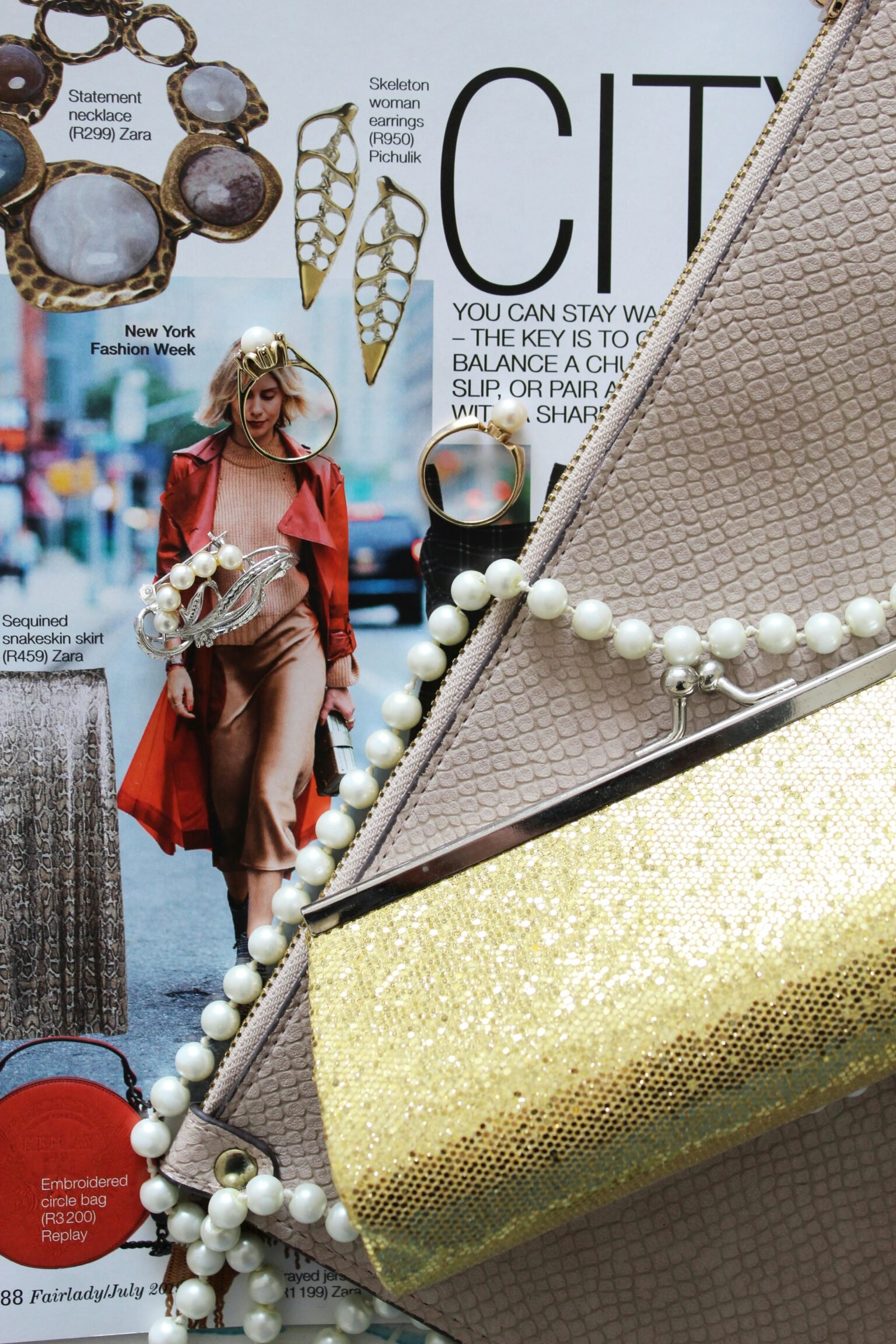
A great starting point is to focus on statement pieces. These are accessories that can draw attention without requiring a multitude of additional items. For instance, a bold necklace or an elaborate pair of earrings can transform a simple outfit into a striking ensemble. When choosing statement pieces, it is important to consider the occasion and ensure that the accessory complements rather than competes with the outfit. Always remember that the goal is to highlight one’s personal style while ensuring that each piece harmonizes with the overall look.
Additionally, layering jewelry can create a chic, effortless vibe when executed properly. For women, combining delicate chains or bracelets can enhance the visual interest of an outfit, provided that the layers are of varying lengths and styles to prevent any cluttered appearance. Men can experiment with watches and subtle bracelets without overwhelming their look. Furthermore, bags and shoes serve as vital accessories that can transform a basic outfit into something memorable. A well-chosen handbag or a unique pair of shoes can serve as focal points, providing a finishing touch that reflects one’s fashion sensibilities.
Ultimately, the essence of successful accessorizing lies in striking the right balance. By thoughtfully choosing accessories that resonate with one’s style and the outfit at hand, individuals can achieve a polished, sophisticated appearance. Careful selection and the principle of moderation will ensure that the accessories enhance rather than detract from the overall outfit.
Understanding Dress Codes
In today’s society, dress codes serve as vital guidelines that dictate the appropriate attire for various occasions. Understanding these dress codes—casual, business casual, formal, and cocktail—can significantly enhance both men and women’s style choices.
The casual dress code is the most relaxed of all. It allows individuals to express their personal style openly. Common attire may include jeans, t-shirts, and casual shoes. To elevate a casual look, consider incorporating well-fitted pieces, layering, or accessorizing with statement items. Avoid overly distressed clothing and maintain a polished appearance to strike the right balance between comfort and style.
Business casual attire strikes a middle ground between formal and casual wear, making it ideal for office settings or meetings. For men, tailored slacks paired with button-up shirts or polo shirts work well, while women can choose blouses combined with tailored trousers or knee-length skirts. Incorporating blazers and smart shoes can add sophistication to a business casual outfit. Attention to fabric quality and fit will further enhance the overall presentation.
Formal dress codes are typically reserved for significant events such as weddings, galas, or formal business functions. Men should opt for a classic tuxedo or a well-tailored suit, complemented by a dress shirt and appropriate neckwear. Women can choose elegant gowns or long dresses, accessorized with refined jewelry and chic heels. This dress code demands a polished appearance, so grooming and attention to detail are essential.
Lastly, the cocktail dress code is often seen at evening events and parties. Men can wear a suit with a tie, while women are encouraged to select knee- to tea-length dresses that offer a playful yet sophisticated vibe. Accessories play a crucial role here, where men might add a stylish watch and women can elevate their look with eye-catching earrings and heels.
Grasping these distinct dress codes allows individuals to navigate various social settings with confidence, ensuring they are appropriately attired for each occasion.
Trends vs. Timelessness
In the world of fashion, the distinction between trends and timelessness is crucial for establishing a sustainable wardrobe. Trends are often short-lived; they emerge rapidly in response to societal and cultural shifts, gaining popularity among fashion enthusiasts before fading away just as swiftly. Common examples of these fleeting fashions include specific color palettes or unique clothing silhouettes that captivate attention for a season or two but rarely persist in the changing landscape of style. As such, while trends can provide an exciting avenue for self-expression, relying too heavily on them can lead to a wardrobe filled with garments that quickly fall out of favor.
In contrast, timeless styles embody a sense of enduring elegance and practicality. These classic pieces—such as tailored suits, little black dresses, or simple white shirts—function as staples that serve You well across various occasions and seasons. Investing in these foundational items allows individuals to create versatile outfits that maintain their appeal over the years, regardless of the shifting trends that may come and go. Furthermore, a wardrobe rich in timeless styles enables greater adaptability when incorporating trendy pieces, as they can complement established favorites, thus ensuring a cohesive look.
For those looking to curate a balanced closet, understanding how to selectively incorporate modern trends is important. Opting for one or two trendy items while maintaining a base of classic pieces can invigorate your style without the risk of overwhelming your wardrobe. This strategic approach allows you to stay updated with fashion while fostering a sense of individuality reflected in lasting elegance.
The Role of Fit and Tailoring
The fit of clothing plays a crucial role in presenting a polished and sophisticated appearance, regardless of style preferences. Achieving the right fit is about more than just size; it encompasses how well the garment complements an individual’s unique body shape and proportions. For both men and women, understanding the nuances of fit is essential for crafting a wardrobe that exudes confidence and elegance.
One primary consideration is the importance of tailoring, which can transform even an average piece of clothing into something exceptional. Professional alterations can address common issues such as excess fabric, length discrepancies, and shoulder alignments, facilitating a tailored look that enhances the body’s natural lines. Investing time and resources into proper alterations is a wise choice for anyone looking to elevate their fashion game. For instance, a suit or dress that is well-tailored can significantly enhance one’s silhouette and have a positive impact on overall demeanor.
To find the right fit, individuals may begin by identifying their body shape and trying on various styles to see which designs flatter their figure. It is recommended to pay attention to how garments sit on the shoulders, bust, waist, and hips, ensuring a comfortable yet structured fit. Additionally, understanding fabric types and their implications on fit is vital; some materials naturally drape closer to the body, while others may require more precise adjustments during tailoring.
Ultimately, well-fitted clothing not only enhances appearance but also instills a sense of confidence in the wearer. By focusing on fit and professional tailoring, both men and women can improve their wardrobe, enabling clothes to reflect their personal style while ensuring comfort and functionality. This approach to fashion is an integral part of cultivating a lasting, sophisticated presence in any social or professional setting.
Grooming and Personal Care
Fashion extends beyond the mere selection of garments; it embodies the entirety of one’s presentation and self-expression, where grooming and personal care play pivotal roles. Effective grooming practices contribute significantly to an individual’s overall style, enhancing not only their physical appearance but also their confidence. It is essential to maintain a consistent grooming routine that encompasses skincare, haircare, hygiene, and personal grooming habits.
Starting with skincare, it is vital to develop a regimen that suits one’s skin type—whether oily, dry, or combination. Cleansing the skin daily allows for the removal of impurities, while moisturizers help maintain hydration. Additionally, incorporating sunscreen into one’s daily routine is imperative for protecting the skin from harmful UV rays, which can lead to premature aging and skin issues.
Haircare is another crucial aspect of grooming that should not be overlooked. Regular haircuts and trims keep hair looking fresh and well-maintained, while the use of appropriate shampoos and conditioners can foster healthy hair. For those with longer hair, using serums or oils can help reduce frizz and enhance shine. Furthermore, styling practices that suit one’s face shape and overall style should be embraced.
Maintaining personal hygiene further elevates one’s fashion presence. Regular bathing, oral hygiene, and deodorant application are fundamental habits that contribute to a person’s overall cleanliness. Investing time in these daily rituals demonstrates consideration for oneself and for those around. Lastly, personal grooming habits, such as nail care and dressing appropriately for different occasions, highlight one’s attention to detail.
In conclusion, grooming and personal care are integral to fashion, influencing how one is perceived. By prioritizing skincare, haircare, hygiene, and grooming practices, individuals can significantly enhance their overall style and leave a lasting impression.
Seasonal Fashion Adaptations
As the seasons change, so too should our wardrobes. Adapting to different weather conditions while maintaining style can be a nuanced process, but with thoughtful consideration of layering, fabric choices, and style adjustments, achieving this balance is entirely possible.
During the colder months, layering becomes crucial. The base layer should be made of moisture-wicking fabrics to keep the body dry while allowing for breathability. This might include fitted long-sleeve shirts or thermal tops. The middle layer can be a thicker sweater or cardigan, providing insulation. Finally, the outer layer should be weather-appropriate, such as a stylish trench coat for rain or a warm overcoat for extreme cold. This method not only enables protection against the elements but also allows for a diverse range of looks.
In the spring and autumn, transitional pieces are essential. Consider incorporating lightweight jackets or versatile scarves that can be easily added or removed. Opting for clothes that can transition from one season to another enhances wardrobe longevity. Fabrics like cotton and linen are ideal for spring, providing comfort without overheating, while materials like wool or heavy blends are better suited for autumn wear.
Summer fashion usually calls for lighter fabrics and looser fits. Breathable materials like linen, cotton, and rayon allow for airflow, which is a priority in warmer temperatures. Light-colored clothing can also offer a cooling effect and minimize heat absorption. When selecting styles, prioritize casual, comfortable attire that allows for movement and sweat management, yet still appears polished.
Ultimately, adapting your wardrobe to the seasons involves a thoughtful examination of style, comfort, and functionality. By layering appropriately and considering the properties of your clothing materials, you can maintain an effective wardrobe that meets the demands of each season, showcasing both style and comfort year-round.

