


Introduction to Entertainment Trends
The landscape of entertainment is ever-evolving, shaped by technological advancements, societal shifts, and cultural transformations. As we approach 2026, it is essential to understand the concept of entertainment trends and their significance. Entertainment trends refer to the patterns and movements that define how audiences consume various forms of media, such as film, television, music, and live events. These trends are not merely a reflection of current preferences but also an indicator of how culture and society are evolving.
The significance of entertainment trends extends beyond mere viewer habits; they have profound implications for industries, economies, and social interactions. For instance, the rise of streaming services has reshaped viewing behaviors and the traditional film industry, prompting filmmakers to adapt their strategies. Furthermore, the integration of virtual reality and augmented reality into entertainment experiences has created new avenues for storytelling, expanding audience engagement and interaction.
As we dissect the key entertainment trends leading into 2026, it is pertinent to recognize the trends that have emerged from the impact of global events, demographic changes, and technological innovation. For example, the increasing importance of inclusivity and diversity in mainstream media content reflects broader societal values. Similarly, the shift towards personalized content, driven by algorithms and user data, indicates a more interactive and tailored consumer experience.
Understanding these trends allows stakeholders in the entertainment industry—ranging from creators and producers to consumers—to navigate the evolving landscape effectively. The subsequent sections will delve deeper into specific trends, providing insights into how they are poised to influence the entertainment sphere in the upcoming years.
Rise of Streaming Services
The rise of streaming services over the past decade has dramatically changed the landscape of entertainment consumption. As of 2026, platforms such as Netflix and Disney+ have established themselves as prominent players, while new entrants continue to disrupt the market. Netflix, for instance, has maintained its leadership by continually expanding its content library, investing in original programming, and focusing on international markets. Disney+, leveraging its vast catalog of beloved franchises and family-friendly content, has quickly gained a substantial subscriber base.
However, the streaming industry is not without its challenges. One notable trend observed is the phenomenon of subscription fatigue. As consumers are inundated with numerous platforms, many are re-evaluating their subscriptions, leading to increased competition among services. This has prompted providers to offer unique features such as bundled packages or ad-supported tiers to capture and retain viewer interest. Furthermore, personalized content recommendations have become essential for maintaining subscriber engagement, leading many platforms to employ advanced algorithms to curate viewing experiences tailored to individual preferences.
This evolution in streaming services also shapes viewing habits significantly. Audiences have shifted from traditional linear television to on-demand consumption, often binge-watching entire seasons at once. Social media platforms further amplify the trend, allowing viewers to share their experiences and engage with content in real-time. Consequently, content creators now prioritize not only the storytelling quality but also the format’s adaptability to various viewing environments.
Streaming services are redefining not just how we consume entertainment, but also how it is produced. The emergence of data-driven strategies allows creators to pivot swiftly in response to audience feedback, enhancing overall content relevance. This shift underscores the importance of continuous innovation for platforms seeking to thrive in an increasingly competitive environment.
Virtual Reality and Augmented Reality Adventures
As we step into 2026, the landscape of entertainment is undergoing a significant transformation driven by advancements in Virtual Reality (VR) and Augmented Reality (AR) technologies. These technologies are reshaping how audiences engage with gaming, film, and live events, offering immersive experiences that were once deemed possible only in science fiction. The integration of VR and AR into mainstream entertainment is providing users with unprecedented layers of interactivity and storytelling.
In the realm of gaming, VR has evolved into something remarkably sophisticated. Today’s games are no longer constrained to traditional screens; instead, players are enveloped in richly detailed environments that respond to their movements and decisions. Titles such as “Project Horizon” have exemplified this shift, allowing players to physically explore expansive digital worlds. Furthermore, the incorporation of haptic feedback technology enhances the tactile experience, making interactions feel more real and significantly heightening emotional investments in gameplay.
In film, AR has begun to augment the viewing experience, facilitating a more interactive storytelling approach. A notable example includes films that integrate AR scenes accessible through personal devices, allowing viewers to engage with narrative elements outside of the traditional film format. Such innovation not only enhances viewer engagement but also fosters a sense of community as fans share their experiences across social media platforms.
Live events have also witnessed a remarkable evolution due to VR and AR. Concerts, for instance, now offer virtual attendance options that let audiences participate from the comfort of their homes. This hybrid model has broadened the reach of artists, enabling them to connect with fans globally and reducing geographical barriers.
The convergence of VR and AR into the entertainment sector signifies a pivotal shift towards more engaging and immersive experiences. As these technologies continue to develop in sophistication and accessibility, they promise to redefine boundaries, inviting even broader audience participation and interaction in the world of entertainment.
The Growth of Interactive Storytelling
In recent years, the landscape of entertainment has witnessed a significant shift towards interactive storytelling, where audiences no longer passively consume content but actively engage with it. This evolution can be observed across various media, including video games, film, and television, paving new avenues for narrative experiences. Interactive storytelling empowers viewers by integrating their choices into the narrative, creating a more personal and immersive experience.
Video games have long been at the forefront of this trend, with titles such as “The Last of Us Part II” and “Detroit: Become Human” allowing players to make critical decisions that influence the story’s outcome. These games illustrate how interactive storytelling can enhance emotional investment and create a distinct narrative experience for each player. The choices players make resonate on a personal level, providing a sense of ownership over the story and its characters.
In the realm of film and television, platforms like Netflix have embraced interactive storytelling through projects such as “Black Mirror: Bandersnatch” and interactive episodes of popular series. These experiences allow viewers to navigate branching narratives by making choices that lead to different plot developments, further exemplifying the trend of audience participation. The impact of interactive storytelling extends beyond entertainment; it fosters a communal experience as audiences discuss the various paths and outcomes available to them.
The future potential for interactive storytelling is vast, with emerging technologies such as virtual reality (VR) and augmented reality (AR) poised to revolutionize how stories are told and consumed. As these technologies evolve, they will enable even deeper levels of engagement and interaction. Audiences could soon find themselves inside the narrative, altering the course of events in real-time and experiencing stories in ways that have not yet been imagined.
The Resurgence of Live Entertainment
The landscape of live entertainment has undergone significant transformation following the disruptions caused by the pandemic. As we enter 2026, a noteworthy resurgence is being observed in live concerts, theater productions, and sporting events. This revival is not merely a return to pre-pandemic norms; rather, it signifies an evolution in how audiences engage with live performances.
One of the most prominent trends is the changing expectations of audiences. Attendees are increasingly looking for unique, immersive experiences that go beyond traditional formats. This shift has led to a rise in hybrid events, which blend in-person attendance with virtual participation. By utilizing innovative streaming technologies, organizers are able to reach a broader audience while also catering to those who prefer the security of home viewing. This dual approach has become a defining characteristic of live entertainment in 2026.
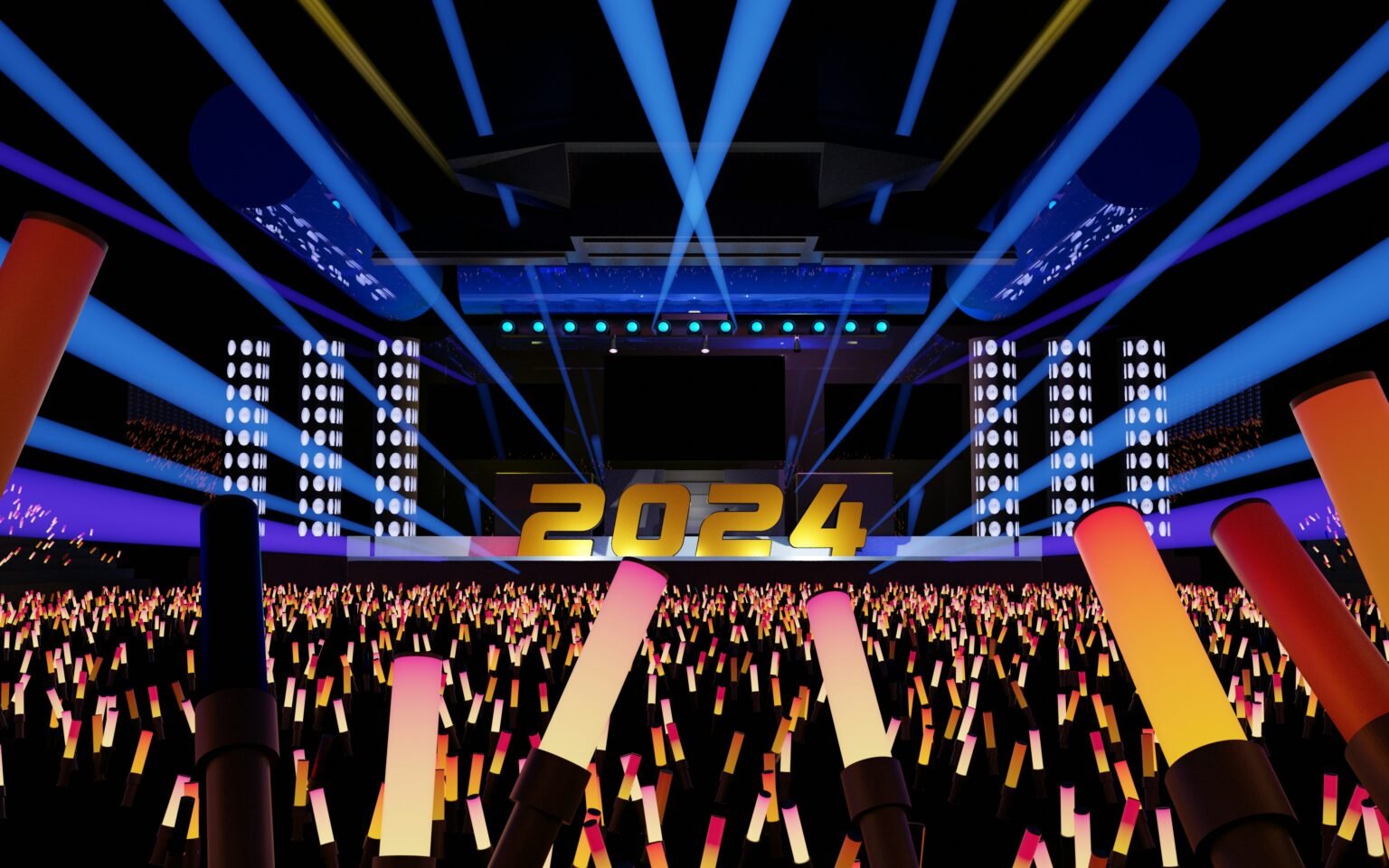
In addition to hybrid formats, advancements in technology are enhancing the live entertainment experience. From augmented reality (AR) visuals at concerts to interactive elements in theatrical performances, technology is enabling a more engaging connection between performers and their audiences. The integration of these digital tools allows for customization of experiences, where attendees can tailor their participation through smartphone apps or immersive installations.
Furthermore, the demand for inclusivity and accessibility is driving changes in event planning, ensuring that diverse audience groups can attend and enjoy live performances. Promoters are increasingly considering factors such as physical accessibility and varied pricing tiers to make events more reachable.
As live entertainment continues to adapt to the evolving desires and expectations of audiences, it is clear that the industry is poised for a robust and innovative future. This resurgence represents not only a return to normalcy but a reevaluation of what it means to experience live entertainment in the years ahead.
Diversity and Inclusion in Media
The entertainment industry is undergoing a significant transformation, characterized by a heightened emphasis on diversity and inclusion. In recent years, there has been a concerted effort to represent various cultures, ethnicities, genders, and sexual orientations in film, television, and other media forms. This cultural shift is propelled by a growing recognition that diverse narratives enrich the storytelling landscape, attracting wider audiences and fostering a deeper understanding among different communities.
Despite notable advancements, the journey towards equitable representation presents several challenges. Traditionally, media narratives have often been dominated by homogeneous perspectives, leading to the underrepresentation of marginalized groups. As the demand for inclusivity continues to rise, the industry faces the task of addressing systemic biases that have historically shaped content creation. Efforts to diversify hiring practices, such as enhancing opportunities for writers, directors, and producers from diverse backgrounds, are critical in this movement.
Successful representation is also reflected in box office performances and viewership statistics. Productions that prioritize authentic storytelling and showcase diverse experiences have resonated strongly with audiences. For example, films and series featuring complex characters from varied backgrounds not only deliver compelling narratives but also challenge stereotypes, thus redefining norms within the media landscape. As new voices emerge, they bring fresh perspectives that contribute significantly to the richness of contemporary culture.
In summary, the commitment to diversity and inclusion within the entertainment sector is both a response to societal changes and a proactive measure to cultivate a more equitable media environment. By amplifying varied voices and experiences, the industry can create a tapestry of stories that authentically reflect the multifaceted nature of humanity. This ongoing evolution is crucial for fostering understanding and appreciation among diverse audience members, ultimately cultivating a more inclusive global community.
Impact of Social Media on Entertainment
In 2026, social media remains a pivotal force in shaping the landscape of entertainment, playing an essential role in how content is created, shared, and consumed. Platforms such as TikTok, Instagram, and Twitter have evolved into prominent hubs for artists and entertainers to engage with their audiences directly, facilitating real-time interaction and feedback. This has significantly altered traditional pathways of promoting and experiencing art and entertainment.
The phenomenon of virality on social media is instrumental in defining which content emerges as popular. Users from diverse backgrounds can propel ordinary moments or unique talents into the spotlight, sometimes within a matter of hours. The rapid sharing capabilities of these platforms have given rise to trends that can instantly catapult songs, dance challenges, or comedic sketches into widespread acclaim. Consequently, the nature of celebrity in 2026 is often defined less by conventional avenues like blockbuster films or extensive albums and more by social media presence and audience engagement.
Furthermore, the celebrity culture fostered on these platforms is distinct from traditional media realms. Influencers and content creators often establish deep connections with followers through authenticity and relatability, challenging the conventional notion of celebrity status. This shift indicates a potential democratization of fame, where individuals who may not fit the typical celebrity mold can gain significant influence and recognition simply through their digital presence.
Moreover, as entertainment consumption increasingly shifts towards digital, the way promotions are structured has also changed. Brands now collaborate with social media personalities to reach target demographics more effectively, often resulting in dynamic marketing campaigns that blend entertainment with advertising seamlessly. This strategy emphasizes the importance of authentic engagement, allowing brands to connect with audiences in a more meaningful way.
As we move forward, it is clear that social media will continue to shape entertainment trends not only in terms of content creation but also in the consumer experience, making it an indispensable tool in the industry.
Sustainability and Ethical Entertainment
The entertainment industry is undergoing a significant transformation, particularly in its approach to sustainability and ethical practices. As global awareness of environmental issues rises, audience expectations are shifting towards responsible consumption. The entertainment sector, traditionally known for its high resource consumption, is now increasingly adopting sustainable practices to mitigate its impact on the planet.
In recent years, various initiatives have emerged aimed at promoting environmental stewardship within the industry. For example, major film and television productions are implementing green filmmaking practices that prioritize eco-friendly materials, reduce waste, and lower carbon emissions. This includes everything from utilizing solar power on set to ensuring that transportation options for cast and crew are as low-impact as possible. Such initiatives not only lower the environmental footprint of productions but also resonate with increasingly eco-conscious audiences.
Moreover, streaming platforms are recognizing the importance of sustainability. Many are committing to carbon-neutral operations and collaborating with environmental organizations to offset their footprint. This commitment can enhance brand loyalty among viewers who value sustainability, thereby influencing consumption trends in favor of those platforms that demonstrate a clear commitment to ethical practices.
Ethical entertainment extends beyond environmental concerns as well. It encompasses fair labor practices, diverse representation, and the responsible portrayal of social issues. Audiences are becoming more discerning; they seek out content that aligns with their values. As such, film studios, production companies, and streaming services are increasingly held accountable for their practices and choices.
Looking ahead, sustainability and ethics will likely become even more integral to entertainment. The industry will need to continue innovating and adapting to meet these growing demands—ensuring that the content produced reflects a commitment to not only captivating audiences but also protecting the planet and promoting social responsibility.
Future Predictions and Outlook
The entertainment industry is undergoing rapid transformation, driven by the innovation of technology and evolving consumer expectations. As we look forward, several key trends are expected to shape the landscape of entertainment beyond 2026. Firstly, advancements in virtual reality (VR) and augmented reality (AR) will likely revolutionize the way content is consumed. With the incorporation of immersive techniques, audiences can expect richer experiences, allowing for interactive storytelling that deepens engagement.
Alongside technological developments, shifts in consumer behavior will also play a pivotal role. An increasing number of viewers are seeking personalized experiences tailored to their preferences. This trend suggests that entertainment providers might enhance their algorithms to deliver more customized content, thereby ensuring that user satisfaction remains a central focus. As a result, we may see an expansion in subscription services that offer a more tailored content experience, reflecting the desires of niche audiences.
In addition to these elements, the rise of user-generated content and platform democratization will reshape the industry’s dynamics. As more tools become accessible for content creation, individuals may gravitate towards producing their own entertainment, fostering a culture of creativity and shared experiences. This shift could challenge traditional production models, leading to innovative formats and distributing platforms. Consequently, collaborations between amateurs and professionals may emerge, thereby redefining the concept of entertainment.
Furthermore, as global connectivity increases, we may witness a blending of cultural influences in entertainment, leading to a richer diversity of storytelling. This interconnectedness has the potential to foster global narratives that resonate with broader audiences, enriching the global entertainment ecosystem. In conclusion, these trends signal a promising future for the entertainment sector, suggesting a landscape characterized by innovation, personalization, and inclusivity as we move beyond 2026.

