


Introduction to Energy Efficiency
Energy efficiency refers to the practice of using less energy to provide the same service, thereby reducing overall energy consumption. This concept has gained prominence as societal awareness about environmental challenges has evolved. In homes, energy-efficient improvements not only contribute to a significant decrease in utility bills but also play a critical role in the global effort to mitigate climate change. By adopting energy-efficient technologies, homeowners can enjoy a more sustainable lifestyle while reaping financial benefits.
The importance of energy efficiency cannot be overstated. It is a key strategy to minimize greenhouse gas emissions, which are a major contributor to global warming. When homes consume less energy, it results in reduced demand for energy generation, which often relies on fossil fuels. Thus, enhancing energy efficiency is an essential step towards promoting environmental sustainability. Moreover, energy-efficient homes improve indoor comfort, enhance property values, and often qualify for various rebates and incentives offered by local governments.
Energy-efficient improvements encompass a wide array of upgrades. These include the installation of better insulation, energy-efficient windows, and advanced heating and cooling systems. Moreover, renewable energy sources, such as solar panels, can significantly reduce reliance on nonrenewable energy. Simple measures, like the use of LED lighting and energy-efficient appliances, can also lead to substantial reductions in energy use.
In summary, the shift towards energy-efficient homes offers myriad benefits for homeowners and society alike. By implementing energy-efficient practices, we can collectively work toward a more sustainable future, ensuring that energy resources are used wisely and that our environmental footprint is minimized.
Understanding Energy Audits
An energy audit is a comprehensive evaluation of a home’s energy use, aimed at identifying areas where energy efficiency can be improved. Conducted by professionals or carried out as a DIY project, energy audits provide valuable insights into energy consumption, helping homeowners make informed decisions regarding energy-efficient home improvements. The process typically includes an assessment of heating and cooling systems, insulation levels, and potential air leaks. It may also entail the examination of appliances, lighting, and overall building design.
There are two primary types of energy audits: the DIY audit and the professional audit. A DIY energy audit often involves basic checks that homeowners can perform themselves, such as inspecting windows and doors for drafts, noting how long certain appliances run, and checking insulation levels in attics and basements. This option is typically low-cost and can provide immediate insights into simple improvements that homeowners can implement without professional help.
On the other hand, a professional energy audit involves a detailed examination of the home, usually conducted by certified energy auditors. They employ specialized equipment like blower door tests to detect air leakage and thermal imaging cameras to identify insulation problems. While professional audits require a higher investment, they yield comprehensive reports outlining potential energy savings, customized recommendations, and sometimes even eligibility for energy rebates or tax incentives.
Engaging in an energy audit is an essential first step for homeowners committed to making energy-efficient home improvements. By pinpointing inefficiencies and providing practical solutions, energy audits serve as a vital tool on the pathway to a more sustainable future. Ultimately, understanding the intricacies of energy audits assists homeowners in repurposing their living spaces into more comfortable and environmentally-friendly homes.
Insulation: The Foundation of Energy Efficiency
Insulation plays a crucial role in maintaining energy efficiency within a home. It serves as a barrier that reduces heat flow, keeping the indoors comfortable regardless of external temperatures. Efficient insulation minimizes the need for heating and cooling systems to work overtime, thereby resulting in reduced energy consumption and noteworthy savings on utility bills.
There are several types of insulation materials available, each with distinct properties and applications. Fiberglass insulation, known for its affordability, comes in batts or rolls, making it suitable for attics and walls. It has an R-value ranging from 2.9 to 4.3 per inch, depending on its thickness. Its effectiveness is enhanced by ensuring it is properly fitted without gaps.
Spray foam insulation, with its high R-values of 6 to 7 per inch, expands to fill cracks and crevices, making it ideal for irregular spaces and tight areas, such as around windows and doors. However, it often requires professional installation due to its complex application process.
Cellulose insulation, made from recycled paper products, is another environmentally friendly option. It is typically treated with a fire retardant and has an R-value of about 3.1 to 3.7 per inch. Cellulose is especially effective in attics and walls, as it can be blown in, which allows it to settle and conform to various spaces seamlessly.
To assess existing insulation levels within your home, conduct a visual inspection in key areas such as attics, walls, and basements. Look for gaps, sagging, or any damage. Additionally, measuring the thickness of the insulation can provide insight into its effectiveness; generally, a minimum of 10-14 inches is recommended for optimal performance in attics. Ensuring proper insulation ensures a sustainable, energy-efficient home that can lead to significant long-term savings.
Windows and Doors: Enhancing Efficiency
Upgrading windows and doors is a crucial step in enhancing the energy efficiency of a home. By investing in modern, energy-efficient options, homeowners can experience significant energy savings and reduce their environmental footprint. One of the most effective improvements is the installation of double-glazed windows. These windows consist of two panes of glass separated by a spacer that creates an insulating air gap, effectively reducing heat loss during winter and heat gain in summer.
Another notable upgrade is the use of low-emissivity (low-E) coatings on windows. These special coatings reflect infrared light while allowing visible light to enter, maintaining a comfortable indoor temperature while minimizing the reliance on heating and cooling systems. Choosing windows with low-E coatings can significantly enhance energy retention and improve indoor comfort levels.
In addition to window upgrades, selecting energy-efficient doors is equally important. Look for doors with a high energy rating and those that are well-insulated to prevent drafts. While fiberglass and insulated steel doors often provide superior performance, it is essential to assess personal needs and aesthetics.
Proper sealing and maintenance of windows and doors are critical for maximizing their energy efficiency. Homeowners should regularly check for gaps, cracks, or deteriorating seals that may allow air infiltration. Utilizing weather stripping and caulk can provide effective seals, ultimately leading to improved energy savings. Furthermore, routinely cleaning and inspecting hinges and mechanisms helps ensure that doors and windows operate smoothly, maintaining their efficiency.
These enhancements, when thoughtfully integrated, can lead to major reductions in energy consumption, offering both environmental benefits and cost savings on energy bills. Investing in energy-efficient windows and doors is a smart upgrade for any homeowner seeking a sustainable living environment.
Heating, Ventilation, and Air Conditioning (HVAC) Systems
Energy-efficient HVAC systems play a vital role in reducing energy consumption and enhancing indoor comfort. Modern advancements have introduced features like smart thermostats, which optimize temperature settings based on user behavior and preferences, ultimately leading to significant energy savings. These devices can be programmed or controlled remotely, allowing homeowners to fine-tune their heating, ventilation, and air conditioning systems according to their daily schedules.
In addition to smart thermostats, high-efficiency furnaces and air conditioning units have become more accessible, offering superior performance compared to traditional models. These systems utilize advanced technology to provide consistent heating and cooling while consuming less energy. For instance, ENERGY STAR-rated products are specifically designed to meet strict energy efficiency guidelines, making them an excellent choice for eco-conscious homeowners looking to make improvements.
Regular maintenance of HVAC systems is crucial to sustaining their efficiency. Routine checks, such as changing air filters, cleaning coils, and inspecting ductwork for leaks, can help maintain optimal performance. Sealing ducts not only enhances system efficiency but also improves indoor air quality by preventing dust and pollutants from entering the air circulation. It is recommended that homeowners consult with a licensed HVAC professional to perform comprehensive annual inspections and maintenance.
Choosing the right HVAC system involves considering factors such as the home’s size, layout, and specific energy needs. A system that is too small will struggle to adequately heat or cool a space, while one that is too large may cycle on and off excessively, leading to inefficiency. Consulting with an expert can help determine the appropriate size and type of HVAC system that will work best for a given household, ensuring both comfort and sustainability in energy use.
Renewable Energy Options for Homeowners
In today’s world, prioritizing energy efficiency not only leverages cost savings but also promotes environmental responsibility. One of the most effective approaches homeowners can adopt is incorporating renewable energy solutions. Several types of renewable energy systems are available, including solar panels, wind turbines, and geothermal systems, each presenting unique benefits when integrated into existing home infrastructure.
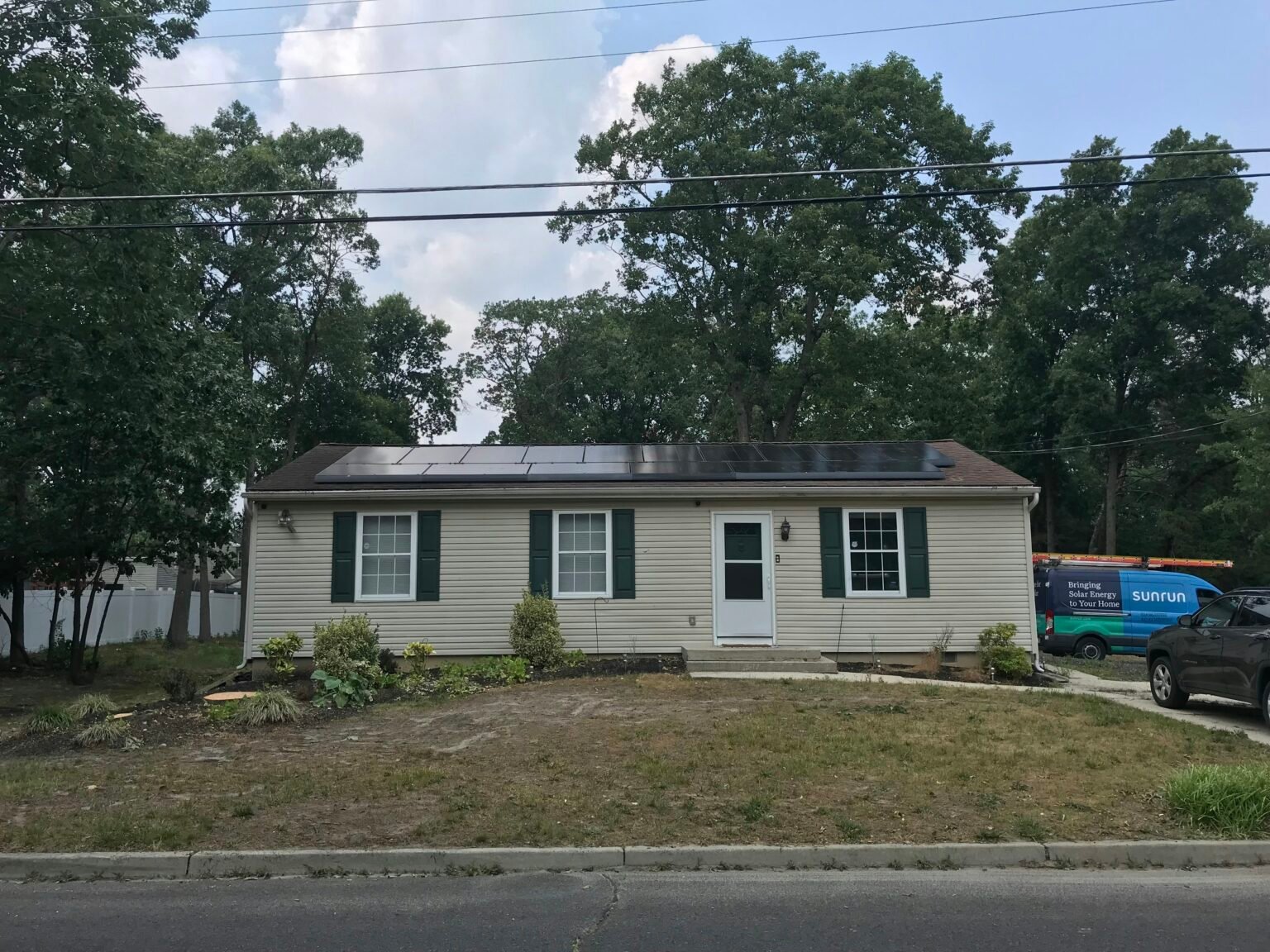
Solar panels are among the most recognized alternatives for generating clean energy. They capture sunlight and convert it into electricity, which can significantly reduce reliance on traditional energy sources. Many homeowners have reported noticeable decreases in their utility bills after installing solar systems. Additionally, financial incentives such as tax credits and rebates can often offset initial installation costs, making it a more accessible option.
Wind turbines are another viable renewable energy choice, especially for those living in areas with consistent wind patterns. Small-scale residential wind turbines can complement a home’s energy needs, potentially reducing electricity expenditure. While the installation process may be more complex, the long-term benefits can be substantial, particularly in regions where wind energy is abundant.
Geothermal systems utilize the earth’s stable underground temperature, providing a consistent and efficient heating and cooling alternative. By grappling with conventional HVAC systems, geothermal solutions facilitate significant energy savings. Furthermore, these systems have a long lifespan and require minimal maintenance, resulting in lower costs over time.
Integrating these renewable energy systems with traditional energy sources allows homeowners to develop a versatile approach to energy management. For many, the transition can translate to a lower carbon footprint and long-term financial savings, heralding a more sustainable living environment. As renewable energy technologies continue to advance, now is the opportune moment for homeowners to explore these innovative solutions.
Energy-Efficient Appliances: Making Smart Choices
Choosing energy-efficient appliances is a crucial step towards reducing your home’s energy consumption and lowering your utility bills. Appliances such as refrigerators, washing machines, and dryers can significantly impact your household’s overall energy use. By opting for models that are designed with energy efficiency in mind, homeowners can contribute to a greener environment while also enjoying cost savings.
One of the best ways to identify energy-efficient appliances is by looking for the Energy Star label. This certification indicates that the appliance meets strict energy efficiency guidelines set by the U.S. Environmental Protection Agency. Products with the Energy Star label typically use 10 to 50 percent less energy than their non-efficient counterparts, making them a sensible investment both financially and for the environment.
When upgrading to energy-efficient models, it is beneficial to consider the total cost of ownership, which includes not only the purchase price but also the projected energy costs over time. For example, while an Energy Star rated refrigerator may have a higher upfront cost, its efficient operation will result in lower monthly electricity bills. Additionally, enhanced features in modern models often lead to improved performance and greater functionality.
In selecting energy-efficient washers and dryers, pay attention to the capacity and features as well. Front-loading washers are generally more efficient than top-loading models since they use less water and energy per load. Similarly, newer dryer models come equipped with moisture sensors that optimize drying times, preventing excess energy consumption.
Overall, making informed choices about energy-efficient appliances not only promotes sustainability but also enhances home comfort while reducing financial strain. By researching and opting for energy-efficient alternatives, homeowners can make a significant difference in both their energy bills and environmental impact.
Water Efficiency Improvements
Water efficiency is a critical component of energy conservation efforts within the home. The methods employed to reduce water usage have a direct impact on the overall energy consumption of a property. Inefficient water use often necessitates increased energy for heating, pumping, and treatment, thereby resulting in higher utility bills and a larger environmental footprint. Implementing water-efficient upgrades not only promotes sustainability but also contributes to significant savings on monthly water expenditures.
One of the fundamental upgrades homeowners can incorporate is the installation of low-flow fixtures. These fixtures, including faucets, showerheads, and toilets, are designed to minimize water usage without compromising performance. By using advanced technology, low-flow fixtures can reduce water consumption by up to 50%, which corresponds proportionately to decreases in energy use associated with heating water. This level of water efficiency can lead to substantial decreases in both water and energy bills over time, making it an attractive option for eco-conscious homeowners.
Additionally, smart irrigation systems present another advantageous option for water efficiency. These systems use weather forecasts and soil moisture sensors to optimize watering schedules, ensuring that landscapes receive the right amount of water without waste. With the capability to adjust automatically to changing weather conditions, smart irrigation can significantly reduce water and energy usage associated with landscape maintenance. Moreover, rainwater harvesting systems can be implemented to collect and store rainwater for various applications around the home, such as irrigation and toilet flushing. This not only decreases reliance on municipal water supply but also minimizes the energy required for water processing.
By prioritizing water efficiency improvements within energy-efficient home upgrades, homeowners can reduce their environmental impact while enjoying cost savings. These initiatives represent a significant step towards achieving sustainable living while positioning homeowners as responsible stewards of natural resources.
Conclusion: The Benefits of Going Green
Making energy-efficient home improvements not only contributes to a sustainable future but also offers significant benefits to homeowners. One of the most compelling advantages is the potential for cost savings. By implementing energy-efficient upgrades, such as improved insulation, energy-efficient appliances, and smart thermostats, homeowners can significantly reduce their utility bills. Over time, these savings can accumulate, leading to a substantial return on investment.
Furthermore, energy-efficient improvements can enhance the overall property value. Today’s homebuyers are increasingly seeking sustainable features that not only lower energy costs but also align with their environmental values. As a result, homes equipped with energy-efficient technologies tend to attract more potential buyers and command higher sale prices in the market. This trend illustrates a growing awareness and appreciation for green living, making energy-efficient homes more desirable.
In addition to financial advantages, these improvements have a positive impact on the environment. By reducing energy consumption and minimizing dependence on fossil fuels, homeowners contribute to lower greenhouse gas emissions and a reduced ecological footprint. This collective effort is essential in combating climate change and preserving our planet for future generations.
In conclusion, adopting energy-efficient home improvements offers numerous benefits, from financial savings to enhanced property values and environmental stewardship. Homeowners are encouraged to take action by making both small changes and larger renovations to foster a more energy-efficient home. Simple measures, such as switching to LED lighting or improving insulation, can make a significant difference, paving the way for a more sustainable living environment.

