


Understanding Home Decor Styles
Home decor styles play a crucial role in establishing the atmosphere and personality of a living space. They offer a framework that guides individuals in selecting furniture, colors, and decorative elements that resonate with their preferences. With numerous styles available, understanding their characteristics can significantly aid in the process of self-discovery regarding one’s own home decor taste.
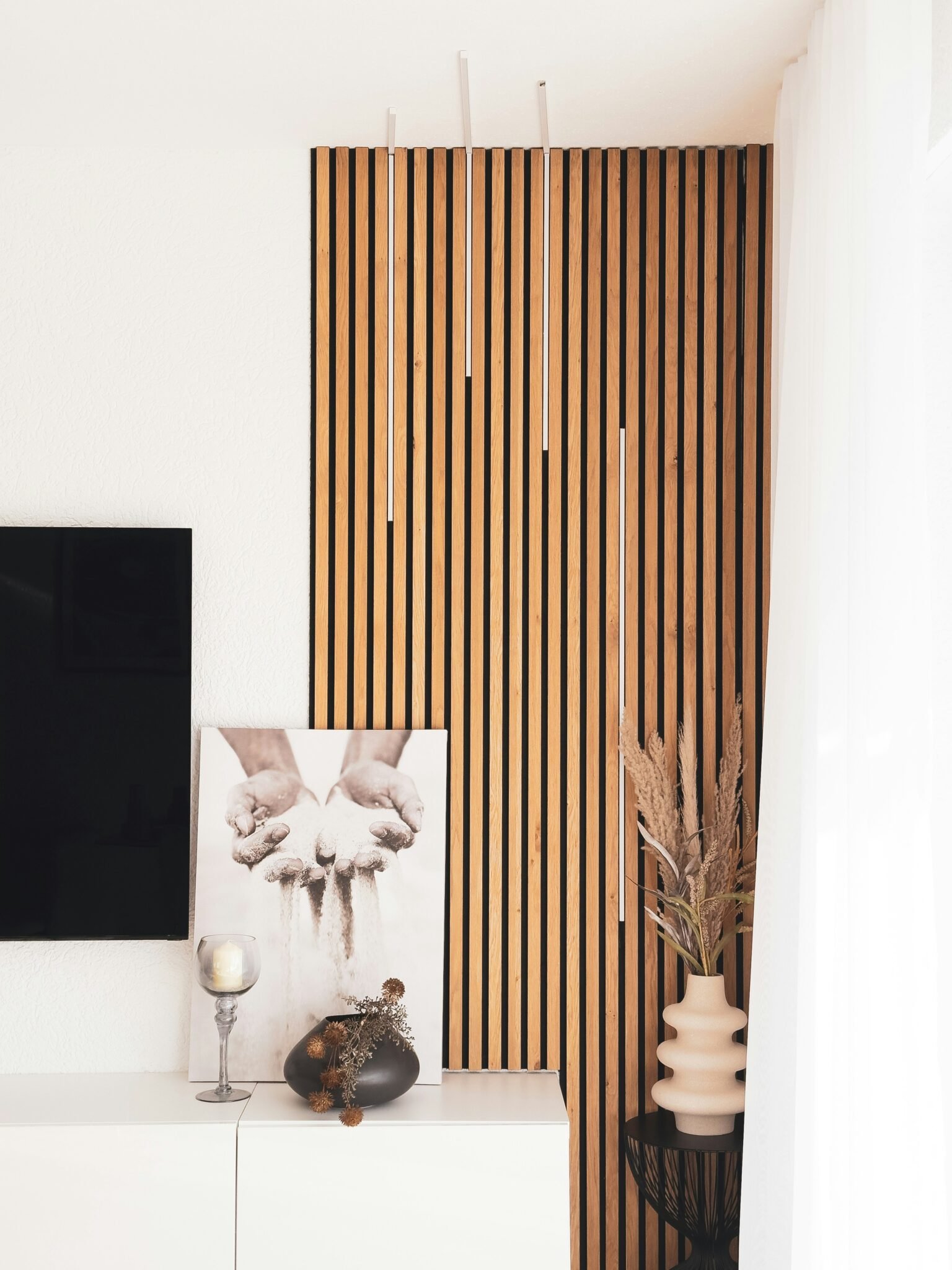
Among the predominant home decor styles, modern design stands out through its clean lines, minimalism, and functionality. Characterized by a sleek aesthetic that often features neutral color palettes, modern decor emphasizes a clutter-free environment. In contrast, rustic decor draws inspiration from nature, incorporating elements such as reclaimed wood, stone, and earthy colors. This style aims to evoke a sense of warmth and coziness, often showcasing the beauty of imperfections.
Traditional decor is defined by its classic elegance. This style often includes rich colors, ornate details, and a sense of symmetry. Antique furniture pieces and a variety of textures are typically present, crafting an atmosphere that reflects timelessness. On the other hand, the minimalist approach advocates for simplicity and functionality, stripping away unnecessary items to create a serene living space. Minimalism promotes a clean aesthetic that prioritizes essential furnishings over excessive ornamentation.
Furthermore, eclectic decor blends various styles to create a unique expression of individuality. This approach encourages mixing patterns, colors, and textures to forge an environment that is distinctly personal. Understanding these various home decor styles can facilitate the exploration of personal preferences, enabling individuals to curate a living space that resonates with their identity. By examining the core aspects of each style, homeowners can embark on a meaningful journey towards discovering their unique home decor style.
The Importance of Personal Style
Identifying a personal decor style is essential for transforming a house into a home. This process goes beyond mere aesthetics; it reflects one’s personality and preferences, creating an inviting atmosphere that resonates with the inhabitants. When individuals embrace their distinct decor style, it enhances comfort levels and fosters a sense of tranquility in their living spaces. A well-curated home decor not only provides a feeling of safety and comfort but also serves as a reflection of the homeowner’s identity.
Furthermore, personal style plays a crucial role in the overall aesthetic appeal of a home. Each individual has a unique set of tastes, influenced by factors such as culture, experiences, and lifestyle. By identifying and implementing a specific decor style, homeowners can create a cohesive look that expresses their individuality. Whether it be through color schemes, furniture choices, or decorative accents, each element contributes to crafting a space that feels authentically theirs.
In addition to fostering personal satisfaction, embracing a personal decor style can enhance the way spaces function. A style that aligns with one’s habits and routines can optimize the usability of different areas in the home. For example, selecting comfortable yet stylish furniture can promote relaxation in living areas, while practical kitchen decor can improve efficiency during cooking. Thus, understanding one’s decor preferences empowers homeowners to create spaces that are not only beautiful but also functional.
Ultimately, recognizing and nurturing a personal decor style goes hand-in-hand with cultivating an enjoyable living environment. As individuals express their personalities through their homes, they can also inspire others, creating a ripple effect of personal expression and aesthetic awareness within their communities. This journey towards discovering one’s personal style is an enriching experience that can lead to long-lasting satisfaction and connection with one’s space.
Assessing My Aesthetic Preferences
Understanding one’s home decor style begins with a deep dive into personal preferences which can significantly influence the defining elements of one’s space. To kickstart this introspective journey, one may consider various questions that probe into emotional responses and aesthetic inclinations.
Firstly, it is essential to evaluate the colors that evoke a sense of comfort and happiness. Questions like, “Which colors resonate most with me?” or “What shades do I feel drawn to when browsing decor magazines?” can be instrumental. For instance, one might prefer calming shades of blue and green, which could indicate a propensity towards a coastal or serene aesthetic.
Texture is another critical aspect to explore. Consider whether your preferences lean towards warm, rustic materials like wood, or sleek, modern finishes such as glass and metal. Reflecting on questions such as, “Do I prefer the softness of textiles or the hardness of stone?” can similarly guide you towards shaping your decor style.
Furthermore, examining patterns can add another layer to your aesthetic discernment. Are you drawn to intricate floral designs, or do contemporary geometric shapes speak to you more? Engaging with prompts like, “What patterns catch my eye in clothing or art?” can help sharpen your focus on potential decorating themes.
In essence, by consciously engaging with these introspective questions about colors, textures, and patterns, you can begin to map out a clearer representation of your unique aesthetic preferences. Documenting your responses not only aids in crystallizing your thoughts but also provides a practical reference point as you embark on enhancing your living space.
Exploring Influences: Cultural and Environmental Factors
Cultural background plays a significant role in shaping individual preferences for home decor. Each culture carries its own set of values, traditions, and aesthetics that influence how spaces are designed and decorated. For instance, a person from a Mediterranean culture might gravitate towards bright colors, natural materials, and open spaces reflecting the vibrant lifestyle of the region. Conversely, minimalist cultures often favor simplicity and functionality, emphasizing clean lines and neutral palettes. Understanding these cultural influences allows individuals to appreciate the diversity in decor styles and to draw inspiration from various traditions when designing their own spaces.
Travel experiences further broaden one’s perspective on home decor choices. Exposure to different styles prompts individuals to incorporate elements from various places into their personal living spaces. For example, a vacation in Japan may inspire the use of zen-like features, such as minimalist decor or natural materials emphasizing tranquility and peace. From colorful textiles in Morocco to earthy tones in Scandinavian design, each travel experience imparts unique insights and options that can be harmoniously integrated into home decor. This blending of different styles often results in a rich tapestry of influences that tells a personal story through design.
The natural environment also serves as a vital factor in shaping home decor preferences. Those living in coastal regions may embrace marine colors, light fabrics, and airy designs, evoking a sense of being close to the shore. In contrast, individuals residing in mountainous areas might prefer earthy hues and rustic materials that complement the rugged surroundings. Environmental factors not only dictate the practicalities of decor, such as climate and light but also inspire the mood and atmosphere one wishes to create within their home. By understanding these environmental influences, individuals can cultivate spaces that resonate deeply with their personal experiences and surroundings.
Identifying Key Inspirations
Embarking on the journey of discovering and refining one’s home decor style necessitates a thorough exploration of various inspirations that resonate personally. One of the most effective methods to gather insights is by creating a mood board. This allows individuals to compile images, colors, fabrics, and textures that evoke the desired aesthetic. Mood boards serve as a visual representation of one’s taste, making it easier to identify patterns and preferences.
Another valuable resource for home decor inspiration is Pinterest. This platform offers an extensive array of styles, ranging from contemporary minimalism to rustic charm. Users can create themed boards by saving pins that speak to their design sensibilities, thereby cultivating a digital collection that captures the essence of their ideal decor styles.
In addition to online resources, visiting local showrooms and home decor stores can provide tangible inspiration. Experiencing the textures, colors, and layouts in person offers a unique perspective that can be more informative than images alone. Observing how different elements interact in a physical space can spark creative ideas and assist in visualizing how these details might function within one’s own home.
Furthermore, exploring decor magazines can expose individuals to emerging trends and established styles. These publications often feature curated spaces that can ignite a sense of inspiration while offering practical advice on how to achieve these looks. By flipping through the pages, readers can discern what resonates with them, allowing for a broader understanding of diverse home environments.
Ultimately, the key to identifying personal decor inspirations lies in the synthesis of these various methods. By thoughtfully weaving together insights from mood boards, Pinterest, showrooms, and magazines, one can construct a well-rounded vision that reflects their unique aesthetic and emotional preferences.
Mixing Styles: Embracing Eclectic Decor
In the realm of home decor, embracing an eclectic style can yield strikingly unique results that reflect personal preferences and experiences. Mixing different decor styles allows for greater creativity and flexibility, enabling individuals to curate spaces that resonate deeply with their personalities. The key to successfully combining diverse decor elements lies in maintaining harmony and balance while expressing oneself.
To begin the journey of eclectic decor, it is paramount to identify the core styles that resonate with you. Whether it is mid-century modern, bohemian, industrial, or traditional, understanding these foundational styles can guide the process of blending. For example, juxtaposing contemporary furniture with vintage accents can create an unexpected yet cohesive environment. It’s essential to select pieces that, despite their varied origins, share a common theme or visual language, such as color palettes or textures, to unify the space.
In addition, layering different styles can add depth and dimension to the decor. Consider incorporating items such as an antique rug over a modern wooden floor, or placing eclectic art on a minimally designed wall. These combinations not only showcase individual character but also highlight the contrast between different epochs and design philosophies, creating a layered narrative within the space.
However, caution must be exercised to prevent chaos. Establishing a focal point in the room can provide a visual anchor that aligns disparate elements, ensuring that the overall aesthetic feels curated rather than chaotic. Thoughtful placement of furniture, the use of color to tie different pieces together, and strategically chosen accessories can assist in achieving an effortlessly styled decor.
Ultimately, embracing an eclectic decor style invites innovation and experimentation. Each attempt to mix styles can inform future choices, gradually leading to a home environment that is not only aesthetically pleasing but also an authentic representation of individual identity. This artistic approach paves the way for limitless possibilities, allowing every homeowner to craft a space that truly feels like home.
Shopping for My Style: Targeted Choices
Embarking on a journey to discover one’s home decor style necessitates a thoughtful and intentional approach to shopping. As decor enthusiasts, it is vital to understand that every piece we bring into our homes should harmoniously align with the aesthetics we wish to create. This intention begins with establishing a clear budget that reflects our financial capacity while still allowing for creative expression.
Budgeting effectively not only governs our spending habits but also compels us to prioritize quality over quantity. Investing in fewer, high-quality pieces often yields a more sophisticated look than filling a space with lower-quality items. This mindset prompts us to source decor items that truly resonate with our identified style. Whether searching for vintage finds, modern furnishings, or artisanal crafts, utilizing both local shops and online marketplaces can broaden our options significantly.
When shopping, one strategy that proves beneficial is to create a vision board or a mood board that encapsulates the essence of our desired decor style. This visual guide serves as a reference, helping us remain focused and discerning as we navigate through countless options. Incorporating color palettes, textures, and design elements that resonate with us will ensure that any new item procured enhances the cohesive look.
Moreover, making smart purchasing decisions often involves understanding the provenance and functionality of home decor items. Researching brand values or sustainability practices can inform our choices, allowing us to feel confident in supporting businesses that align with our ethics. Once we have identified pieces that fit both our aesthetic and practical needs, taking time to deliberate on each purchase can prevent impulse-buying, ensuring that our selections truly contribute to the ambiance we seek to cultivate.
Implementing My Decor Style: Practical Steps
Transforming a living space into a reflection of personal style requires a structured approach towards implementation. The first step is to curate a clear vision of the desired decor style, which can serve as a guiding framework. It can be helpful to create a mood board using images from magazines or websites that resonate with the chosen aesthetic. This visual representation will keep the focus on the overall theme, ensuring that each element falls in line with the desired outcome.
Next, consider the color scheme carefully. Color can profoundly influence mood and ambiance in a room. For a cohesive look, select a primary color along with one or two complementary colors that harmonize with your decor style. Paint walls, choose furniture fabrics, and select accessories in these colors to create a unified feel. When selecting paint, remember that lighter shades can make a space feel larger, while darker hues provide warmth and intimacy.
Arrangement of furniture and decor items is crucial as well. Begin by measuring your space to ensure a functional layout that allows for both movement and comfort. Focus on creating distinct areas for different activities, such as a gathering space for guests and a reading nook for relaxation. Utilizing furniture arrangement to enhance flow can positively influence the overall experience within the space.
Lastly, incorporating DIY projects can add personal touches that elevate your decor style. Simple undertakings, such as painting old furniture or crafting artwork, can lead to unique pieces that resonate with your personal aesthetic. Such projects not only allow for customization but also serve as a fulfilling creative outlet. Implementation of your identified decor style becomes not only a task but a rewarding journey through your personal design aspirations.
Evolving My Style Over Time
The journey of discovering and refining my home decor style has been an ongoing process, influenced by both personal experiences and changing trends. When I first began to decorate my living space, I adhered strictly to a particular aesthetic that resonated with me at that time. However, as I evolved, so too did my understanding of what I wanted my home to represent. This evolution was not just a result of external influences, but also a reflection of my growth as an individual.
Throughout this journey, I have come to realize that home decor is not merely about adhering to one single style; it is about creating a cohesive space that aligns with my current preferences and life circumstances. There were phases where I gravitated towards minimalist designs, influenced by the need for simplicity amidst a chaotic lifestyle. Later, I found myself drawn to more eclectic styles, incorporating elements from different cultures and eras, which spoke to my love for travel and diversity.
This adaptability in style ensures that my space remains a true representation of who I am at any given moment. Embracing the notion that my decor style can change allows me to experiment and avoid the feeling of being trapped by my choices. As seasons shift, both in weather and life, I find new ways to infuse warmth and personality into my home, from seasonal decor changes to reimagining existing pieces with fresh accents. In doing so, I maintain a balance between continuity and transformation, ensuring that my living environment is always inviting and reflective of my evolving identity.
Ultimately, the key is to embrace flexibility. Allowing for change and making conscious choices about how to adapt my space keeps my home feeling dynamic and alive. Recognizing that each design phase contributes to my overall journey encourages an ongoing enthusiasm for home decor.

