

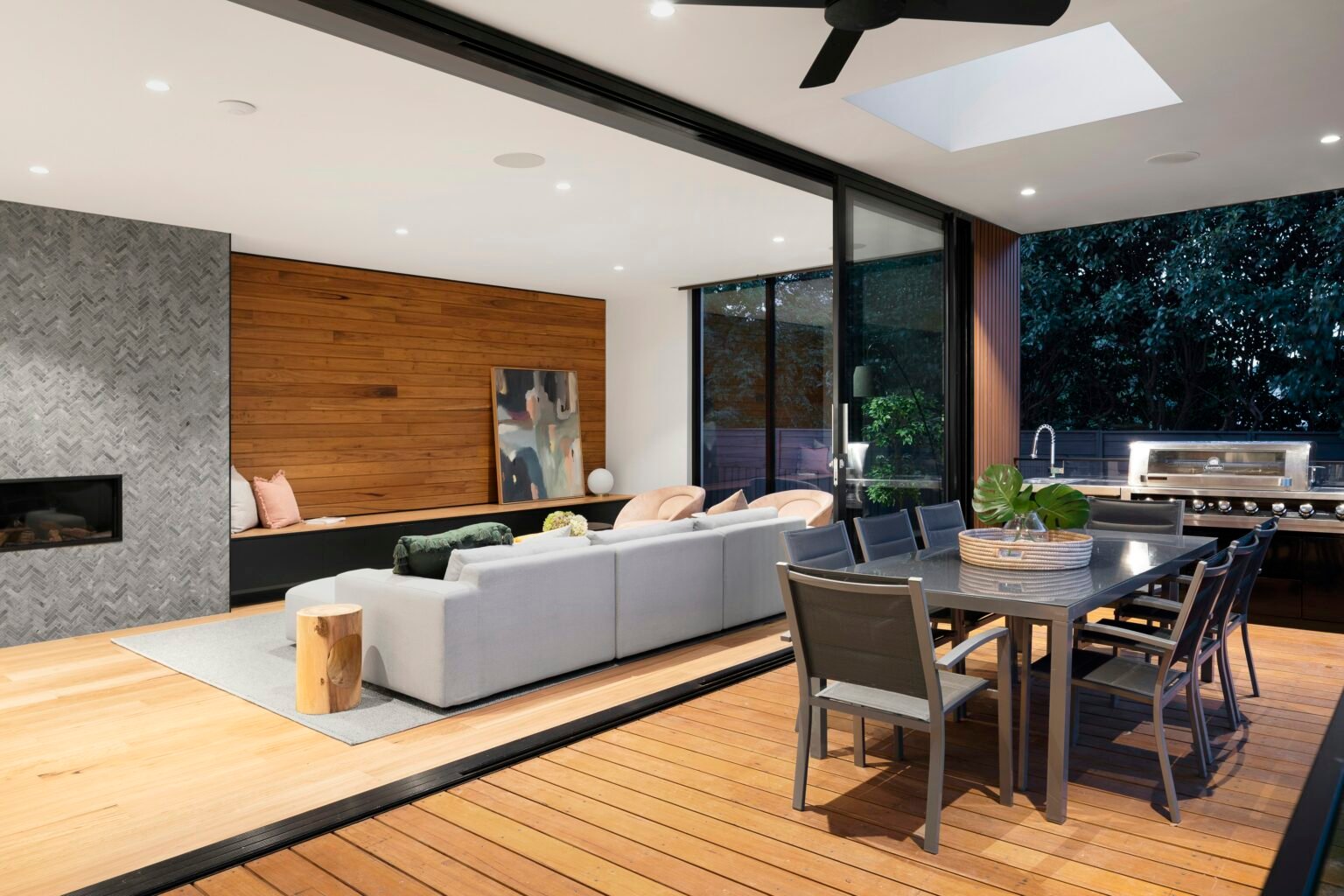

Understanding Outdoor Living Spaces
Outdoor living spaces refer to any outdoor area that has been thoughtfully designed to enhance the functionality and enjoyment of a home. These spaces can range from simple patios and decks to elaborate gardens complete with kitchens, dining areas, and fire pits. As homeowners seek to expand and improve their living environments, the popularity of outdoor living spaces continues to grow, driven by the desire for comfort and connection with nature.
The trend towards outdoor living can be attributed to various factors, including lifestyle changes, increased appreciation for natural environments, and the accessibility of outdoor furniture and design products. Homeowners are increasingly recognizing that these spaces provide a seamless transition from indoor life to outdoor experiences. They facilitate an array of activities such as entertaining guests, hosting family gatherings, or simply enjoying a tranquil retreat in nature.
Benefits abound when it comes to integrating outdoor living spaces into residential properties. For one, they can significantly enhance a home’s aesthetic appeal and provide a welcoming environment for family and guests. Moreover, well-designed outdoor areas often serve as extensions of the interior, effectively increasing usable square footage and contributing to overall home value. Experts suggest that well-appointed outdoor living spaces can yield a high return on investment, making them a smart choice for homeowners looking to strengthen their property’s marketability.
Additionally, outdoor living spaces promote healthier lifestyles by encouraging outdoor activities and relaxation. Whether used as a space for fitness, dining, or leisure, these areas can help create a balanced lifestyle. As the demand for versatile and inviting outdoor spaces continues to rise, homeowners are motivated to invest in design solutions that cater to both everyday needs and special occasions.
Assessing Your Available Space
When designing an inviting outdoor living space, the first step is to assess the available area. This evaluation not only includes the size of the outdoor space but also its shape and any existing features such as trees, patios, or walkways. Understanding these elements is crucial for creating a harmonious environment that caters to your needs and complements the natural landscape.
Begin by measuring the dimensions of your outdoor area. Accurate measurements provide a clear picture of the space you have to work with. Consider drawing a scaled plan of your space, noting important features such as slopes, drainage systems, and the positions of utilities. This will help in visualizing how different elements can be arranged, allowing you to allocate suitable areas for dining, lounging, or recreational purposes.
Next, consider the shape of your outdoor living space. Irregularly shaped areas may require creative solutions to maximize their potential. For instance, a narrow space can be transformed into a cozy lounge by utilizing vertical elements like trellises for climbing plants, while a wider space might better suit an open-concept dining setup. Think about how your design will connect various functions—ensuring a smooth flow between dining, lounging, and other activities.
Additionally, take note of existing features. For example, mature trees can provide shade and a natural focal point, while patios can serve as a foundation for your outdoor furniture. By integrating these elements into your design plan, you can enhance the aesthetics and functionality of your outdoor living environment. Ultimately, this assessment process lays the groundwork for a thoughtfully designed outdoor space that meets your personal style and lifestyle needs.
Defining the Purpose of Your Outdoor Space
Creating an inviting outdoor living area begins by clearly defining its purpose. Understanding what you envision for your outdoor space is crucial, as it shapes the design, layout, and features you will choose. Outdoor spaces can serve a variety of functions, including entertainment, relaxation, gardening, or play areas for children. Each of these purposes carries specific considerations that directly influence design decisions.
For instance, if the primary function is entertainment, you might prioritize features like comfortable seating, outdoor dining furniture, and a designated area for cooking, such as a grill or outdoor kitchen. Arranging seating in a conversational layout can foster social interaction, making your outdoor space perfect for hosting gatherings or barbecues. Additionally, incorporating lighting features enhances the atmosphere for evening events, creating an inviting ambiance.
On the other hand, if relaxation is your goal, the design elements will differ significantly. A tranquil space may include comfortable loungers, hammocks, or a daybed surrounded by lush greenery or calming water features. Selecting colors and materials that promote calmness and serenity, such as soft earth tones and natural textures, will help reinforce the purpose of relaxation.
An outdoor garden is another popular purpose that often involves careful planning. If you are inclined toward gardening, consider the types of plants and flowers that thrive in your region and how to best allocate space for gardens, pathways, and other features that promote a productive and pleasant environment. Finally, for parents considering play spaces, safety should take precedence. Designated areas with soft surfaces and engaging activities, such as swings or climbing structures, will ensure a fun and safe environment for children.
Choosing the Right Elements and Materials
Creating an inviting outdoor living space requires careful consideration of various materials and elements that will enhance the functionality and aesthetic appeal of the area. One of the primary components to consider is the flooring. Options such as decking and pavers are popular due to their durability and design flexibility. Composite decking is an excellent choice for those seeking a low-maintenance option, as it resists fading and does not require regular staining. Alternatively, natural wood offers a warm, classic look but may necessitate more upkeep over time, exposing it to the elements.
Pavers, whether made from concrete, stone, or brick, provide a versatile flooring solution that can be arranged in various patterns to create unique designs. They are particularly advantageous as they allow for excellent drainage while being resilient against weather conditions. However, it is essential to ensure proper installation to avoid shifting and uneven surfaces.
Furniture choices are equally essential in crafting a relaxing outdoor space. Opting for weather-resistant materials such as aluminum, resin wicker, or treated wood ensures longevity and ease of maintenance. Aluminum is lightweight and rust-resistant, while resin wicker can withstand UV rays and moisture without fading. When selecting cushions and upholstery, aim for fabrics that are fade-resistant and water-repellent to extend their life.
Lastly, landscaping elements such as plants, shrubs, and trees play a crucial role in enhancing the outdoor experience. Selecting native plants can reduce maintenance requirements, as they are adapted to the local climate and soil conditions. Incorporating a mix of height and texture will create visual interest, while trees provide shade and contribute to the overall ecosystem. However, it is important to consider the growth patterns and space requirements of larger plants to avoid overcrowding.
By thoughtfully selecting the right elements and materials, homeowners can create outdoor living spaces that are not only inviting but also functional and sustainable.
Incorporating Functional Design Features
Creating a functional outdoor living space requires careful consideration of various design features that enhance usability and comfort across different seasons. By integrating elements such as outdoor kitchens, fire pits, lighting, water features, and shade structures, homeowners can significantly improve the functionality and appeal of their outdoor areas.
Outdoor kitchens have become increasingly popular, allowing residents to cook and entertain without the confines of their indoor kitchen. With the integration of durable appliances and ample counter space, outdoor kitchens can be tailored to suit culinary preferences and outdoor entertaining needs. Additionally, they promote social interaction, as cooks can remain engaged with guests while preparing meals.
Fire pits serve as a focal point in many outdoor spaces. They create a warm and inviting ambiance, making evenings more enjoyable, particularly during cooler months. Fire pits can be customized to fit various designs, ranging from modern to rustic styles, ensuring they harmonize with the overall aesthetic of the outdoor area.
Proper lighting is essential in bridging the gap between functionality and ambiance. Strategic placement of lighting fixtures not only illuminates pathways but also enhances the mood for evening gatherings. Options such as string lights, lanterns, and built-in LED systems can create an inviting atmosphere that extends the usability of outdoor spaces after sunset.
Water features, such as fountains or ponds, introduce a calming effect to outdoor living areas. The sound of trickling water can enhance relaxation and create a peaceful retreat from the hustle and bustle of daily life. Additionally, they can be an attractive focal point, drawing attention and admiration from guests.
Finally, incorporating shade structures such as pergolas, awnings, or umbrellas provides comfort during hot weather. These structures offer respite from the sun’s rays, making outdoor spaces more inviting and enjoyable during summer months. By thoughtfully integrating these functional design features, homeowners can enhance the overall experience of their outdoor living spaces throughout the year.
Creating a Seamless Indoor-Outdoor Transition
Designing inviting outdoor living spaces necessitates a focus on creating a fluid transition between indoor and outdoor areas. Achieving this unity not only enhances the aesthetic appeal but also promotes a sense of harmony within the home environment. One effective strategy is to use complementary color palettes throughout both spaces. Integrating similar hues in your indoor decor and outdoor furnishings can foster a cohesive look, allowing the two areas to distinctively resonate with each other.
Additionally, employing similar materials significantly contributes to this seamless transition. For instance, if the flooring in your interior is hardwood or tile, consider extending these materials onto your outdoor deck or patio. Such continuity not only creates a visual flow but also adds functionality, as it helps in maintaining maintenance standards. Natural stone elements, textiles, and furniture can bridge indoor comfort with outdoor adventure, enhancing the allure of both spaces.
Another crucial aspect of integrating indoor and outdoor environments is the use of large doors or windows. Bi-fold or sliding glass doors can effectively open up living areas, providing unobstructed views and easy access to outdoor settings. This architectural feature encourages an open flow and invites natural light, which can enhance indoor ambiance while promoting connection with outdoor landscapes. Furthermore, strategically placing windows to showcase garden views or landscapes can blur the boundaries between your indoor and outdoor spaces, inviting the outdoors in.
Ultimately, by meticulously considering color schemes, material choices, and architectural elements, homeowners can design outdoor areas that not only serve as extensions of their interiors but also create inviting living experiences that harmoniously blend nature and architecture.
Adding Personal Touches and Style
Personalizing outdoor living spaces is essential to creating an environment that feels both inviting and reflective of your unique style. Incorporating decor, art, and accessories is one effective way to infuse your personality into these areas. Whether it’s through vibrant throw pillows, intricate lanterns, or eclectic garden art, these elements can significantly influence the ambiance of your outdoor area.
When selecting features for your outdoor space, consider choosing accessories that harmonize with the overall design theme. For instance, if your space leans towards a modern aesthetic, opting for sleek, minimalistic furniture will maintain consistency. Alternatively, a rustic outdoor area could benefit from vintage accents, such as reclaimed wood benches or artisanal pottery. The key lies in ensuring that every piece enhances the existing decor rather than detracts from it.
Color plays a vital role in shaping the mood of your outdoor sanctuary. Utilizing a cohesive color palette that mirrors your personal preferences can help tie different elements together. Whether you favor calming hues or bold, vibrant tones, selecting decorations that align with your chosen colors will promote a sense of unity.
Incorporating organic elements such as potted plants and natural textiles can also add depth and aesthetics to your outdoor setting. Plants not only introduce a fresh vibe but can also serve functional purposes, such as providing shade or privacy. Furthermore, natural textiles like cotton or linen can be used for outdoor cushions or throws, offering comfort while enhancing style.
By carefully selecting decorations and accessories that are both aesthetically pleasing and reflective of your personality, you can create a welcoming outdoor living space that feels like an extension of your home. It is this thoughtful curation that fosters an inviting atmosphere where friends and family will want to gather and create lasting memories.
Sustainability in Outdoor Design
Sustainable design practices play a crucial role in creating outdoor living spaces that are not only visually appealing but also environmentally responsible. By integrating sustainable concepts into outdoor designs, homeowners can enjoy a garden or patio that contributes positively to the ecosystem. One effective approach is the use of native plants, which are adapted to the local climate and soil conditions. These plants require less water and maintenance compared to non-native species, making them an ideal choice for sustainable landscaping.
Incorporating water-efficient landscaping techniques is another key strategy. Techniques such as xeriscaping emphasize the use of drought-resistant plants and efficient irrigation systems, reducing water consumption significantly. Moreover, rain gardens or permeable surfaces can be integrated to manage stormwater effectively, preventing runoff and promoting groundwater recharge.
Equally important is the selection of eco-friendly materials for outdoor spaces. Choosing sustainable materials, such as reclaimed wood or recycled metals, minimizes environmental impact while enhancing the aesthetic appeal of the landscape. Furthermore, utilizing non-toxic paints and finishes can help to protect both the environment and the health of the inhabitants.
By focusing on these sustainable design practices, outdoor living spaces can flourish as thriving ecosystems. Creating a balance between beauty and functionality not only enriches the user’s experience but also fosters a respect for nature. As sustainability continues to gain importance in design, incorporating these principles into outdoor spaces will ensure they are inviting, enjoyable, and environmentally friendly for years to come.
Maintaining Your Outdoor Living Space
Proper maintenance is crucial for ensuring the longevity and aesthetic appeal of your outdoor living space. Regular care helps in preserving the beauty of outdoor elements while also protecting them from various environmental factors. A comprehensive maintenance routine includes several critical aspects, such as cleaning, inspection, and seasonal preparation.
For hardscape surfaces, such as patios and walkways, routine cleaning should be performed to prevent the buildup of dirt, algae, and debris. Utilizing a pressure washer can be an effective way to restore the surface, while also avoiding any harsh chemicals that might damage the materials. It is advisable to inspect for cracks or damage regularly to address any issues early on, preventing costly repairs down the line.
When it comes to plants and landscaping, pruning is essential. This should be conducted annually, or even semi-annually in some cases, to promote healthy growth and maintain the desired design aesthetics. Fertilization during the growing season will also encourage vibrant plant health, making your outdoor living space visually captivating. Moreover, it is crucial to be aware of the specific water requirements of your plants, particularly during hot weather.
Weather protection is another significant aspect of maintenance. Outdoor furniture should be covered or stored during harsh weather conditions to minimize wear and tear. Additionally, utilizing weather-resistant materials for furniture and decor can significantly augment durability and lifespan.
Finally, a seasonal checklist can aid in systematic upkeep. Tasks might include cleaning gutters, inspecting lighting fixtures, and ensuring that barbecues and outdoor kitchens are prepared for their respective seasons. By following these maintenance tips, homeowners can guarantee their outdoor living spaces remain inviting and functional for many years.

