

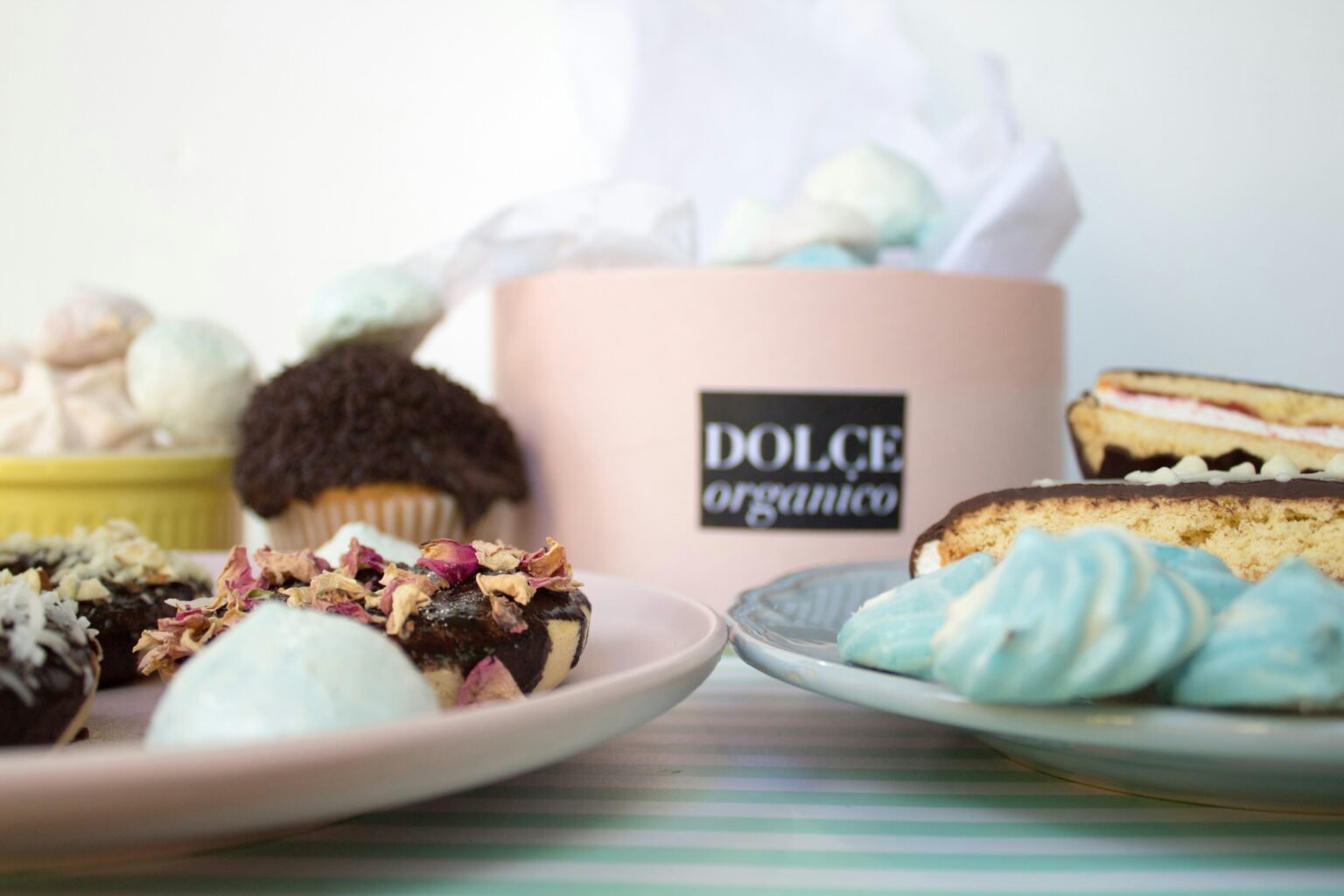

Introduction to Decadence
Desserts have long held a cherished place in culinary traditions around the world. Their universal appeal transcends cultural boundaries, evoking joy and offering delight across various occasions. Whether during festive celebrations, family gatherings, or simple indulgences after a meal, desserts serve as a symbol of happiness and togetherness. They are more than just a tasty ending to a meal; they represent moments of treat and luxury that can be savored and enjoyed by individuals of all ages.
The wide variety of desserts available showcases the depth of human creativity in the kitchen. From rich cakes and cookies to elegant pastries and ice creams, there is a dessert to suit virtually every taste preference. This versatility ensures that whether one craves something fruity, chocolatey, or nutty, the world of desserts has the perfect option to satisfy those cravings. Moreover, desserts often embody regional specialties, allowing us to explore different cultures through their unique sweets.
In addition to their taste, desserts often carry nostalgic value, reminding us of cherished memories and traditions. Family recipes handed down through generations, or classic sweets enjoyed during holidays, contribute to the emotional connection one feels to desserts. They enhance not only the occasion itself but also the relationships surrounding it. It is this emotional resonance, coupled with delectable flavors and inviting textures, that makes desserts an integral part of our culinary experiences.
As we delve into the realm of delectable treats, we will explore various categories of desserts that cater to varying preferences. With a plethora of options available, this exploration promises to encapsulate the essence of these delightful confections, showcasing their ability to bring joy at any moment.
Classic Comfort Desserts
Classic comfort desserts have long been a staple in households worldwide, evoking feelings of nostalgia and warmth. These treats not only satisfy the sweet tooth but also serve as a connection to cultural heritage and family traditions. Among the most popular of these desserts are cakes, pies, and puddings, each with its unique history and significance.
Cakes, for instance, can be traced back to ancient civilizations, where they were made from simple ingredients such as grain, honey, and nuts. Over time, the evolution of cakes led to a wide variety of styles, with the sponge cake and butter cake becoming especially prominent in Western cultures. Their versatility allows for various flavor profiles, making them suitable for celebrations or casual gatherings. In essence, cakes often symbolize joy and festivity, making them a central part of occasions like birthdays and weddings.
Pies hold a cherished place in many cultures as well. Originating from the need to preserve fruits and meat, pies have transformed into sweet delights that showcase seasonal ingredients. The apple pie, for instance, has become an emblem of American comfort food, associated with home and family gatherings. In England, traditional pies like the Bakewell tart or lemon meringue are equally beloved, demonstrating the dessert’s ability to transcend borders.
Puddings, on the other hand, have their roots deeply embedded in English cuisine. Initially a savory dish, the term “pudding” evolved to encompass sweet variations such as rice pudding and bread pudding. These desserts are renowned for their creamy textures and rich flavors, often offering a soothing end to a meal. Many cultures have their interpretations of puddings, reflecting local ingredients and cooking methods.
In conclusion, classic comfort desserts like cakes, pies, and puddings are not merely indulgent treats; they carry stories of tradition and connection. Their significance in various cultures highlights the universal need for comfort and joy, making them enduring favorites in the realm of desserts.
Decadent Chocolate Creations
Chocolate desserts hold a special place in the hearts of many, celebrated for their rich flavors and versatile uses. From velvety cakes to indulgent mousses and hand-rolled truffles, the world of chocolate desserts is as diverse as it is delectable. Each type of chocolate, whether it be dark, milk, or white, brings a unique flavor profile and texture to these delightful creations.
Dark chocolate, known for its intense cocoa flavor, serves as an excellent base for many sophisticated desserts. The minimal sugar content enhances its natural bitterness, making it a perfect choice for rich recipes such as fudgy brownies and dark chocolate lava cakes. These desserts often balance the deep, complex notes of dark chocolate with subtle hints of sea salt or espresso, elevating the taste experience.
Milk chocolate, on the other hand, is characterized by its creaminess and sweetness due to the addition of milk solids. This chocolate variant lends itself well to treats like classic chocolate mousse or layered chocolate mousse cakes, which are airy and smooth. The intimate marriage of rich chocolate and whipped cream creates desserts that are not only pleasing to the palate but visually appealing as well.
Lastly, white chocolate, despite its name, does not technically contain cocoa solids. Rather, it is made from cocoa butter, sugar, and milk, resulting in a sweet and creamy taste. White chocolate desserts, such as panna cotta or cheesecake, offer a unique contrast to the richer dark varieties, often paired with fruity elements like raspberries or citrus to enhance their flavor.
In conclusion, the multitude of chocolate desserts available allows for an endless array of possibilities. Whether you prefer the bitter elegance of dark varieties, the sweet creaminess of milk chocolate, or the subtle allure of white chocolate, there is certainly a decadent chocolate creation that will suit every dessert lover’s tastes.
Fruity Desserts for Fresh Flavors
Fruity desserts offer a vibrant way to indulge in delicious flavors while embracing the natural sweetness of seasonal fruits. Tarts, sorbets, and fruit salads are excellent examples of how fresh produce can elevate desserts, providing not only a burst of flavor but also visual appeal. The incorporation of fruits like berries, citrus, and stone fruits adds a refreshing quality that can often be lacking in richer, more indulgent treats.
Among the various fruity dessert options, fruit tarts stand out as a classic choice. A buttery, flaky pastry crust serves as a perfect base, complemented by a creamy filling and a colorful array of fresh fruit arranged on top. This dessert capitalizes on the beauty and flavor of seasonal fruits, allowing the eater to enjoy both the aesthetic and sensory experience. Utilizing fruits that are in season maximizes flavor; for example, strawberries in summer and apples in autumn provide the optimal sweetness and juiciness, transforming a simple tart into an extraordinary culinary experience.
Sorbet, another fantastic fruity dessert, highlights the freshness of fruit through a smooth and refreshing texture. Made primarily from pureed fruit, sugar, and a bit of lemon juice, sorbet is a guilt-free option that showcases the natural essence of the chosen fruit. Whether made with local berries or exotic tropical fruits, sorbet is not only a lighter alternative to ice cream but also a delightful way to savor the freshness of fruits during their peak season.
Fruit salads, too, offer a simple yet satisfying dessert choice. By combining a variety of fruits, one can create a colorful and healthful dish. The natural juices released from the fruits add flavor, while the mix of textures and tastes makes for an enjoyable experience. Adding a touch of honey or a sprinkle of mint can further enhance the dessert. Overall, incorporating seasonal fruits into desserts not only improves the taste but also elevates their visual appeal, making fruity desserts a must-try for any dessert lover.
Innovative Desserts: Trends and Fusion Flavors
The culinary landscape continually evolves, and desserts are no exception. Contemporary dessert trends often embrace innovative fusion flavors that merge the familiar with the exotic, appealing to diverse palates. At the forefront are desserts that integrate elements from various cuisines, resulting in unique creations that excite food enthusiasts.
One notable trend involves the blending of traditional pastry techniques with flavors and ingredients from different cultures. For instance, a popular fusion dessert is the matcha tiramisu, which combines the classic Italian coffee-infused dessert with the earthy notes of Japanese green tea powder. Such combinations not only innovate on flavor profiles but also elevate presentation, enticing diners with striking aesthetics.
Moreover, the world of innovative desserts is rife with playful twists on beloved classics. The chocolate lava cake, for example, has been reimagined with a matcha or yuzu center, infusing the familiar dessert with fresh and unexpected flavors. Another example can be found in the hybrid creation of the cronut—a delightful pastry that marries the qualities of a croissant and a donut, revolutionizing the breakfast and dessert scene alike.
Moreover, the emphasis on plant-based ingredients has opened doors for creative and inclusive desserts that cater to varying dietary preferences. Desserts like vegan chocolate mousse made with avocado and aquafaba not only highlight innovative techniques but also make indulgence accessible to a broader audience. Additionally, global influences inspire chefs to experiment with unfamiliar ingredients, such as tahini in brownies or cardamom in ice cream, celebrating the seamless integration of diverse culinary traditions.
Incorporating these elements into dessert planning can enrich the overall dining experience, making it not just a meal but a voyage through cultures and flavors. The fusion of these innovative dessert trends is likely to continue evolving, capturing the imagination of both chefs and dessert lovers alike.
Baking for Health: Delicious and Nutritious Desserts
As the demand for healthier eating continues to rise, more individuals are seeking dessert options that not only satisfy their sweet tooth but also adhere to their nutritional preferences. In this evolving culinary landscape, delicious and nutritious desserts have become increasingly popular. These alternatives are not only crafted to maintain flavor but also utilize natural ingredients, ensuring that health-conscious individuals can enjoy their treats without guilt.
One way to make desserts healthier is by substituting refined sugars with natural sweeteners such as honey, maple syrup, or agave nectar. These alternatives not only lower the glycemic index of desserts but also introduce unique flavors that enhance the overall taste. Additionally, incorporating whole grains like oats or whole wheat flour into baking can significantly increase the nutritional value of cakes and cookies, contributing essential fiber and nutrients without compromising texture.
Incorporating plant-based ingredients into dessert recipes is also on the rise. Dairy-free, gluten-free, and vegan desserts cater to a curated segment of consumers with specific dietary restrictions. For instance, utilizing almond or coconut milk can create creamy and delightful textures in puddings and frostings while remaining completely dairy-free. Moreover, many bakers are now utilizing gluten-free flours, such as almond or coconut flour, to ensure that those with gluten intolerances can indulge safely.
These health-focused baking options facilitate a wholesome balance between indulgence and nourishment. The ingenuity found in creating desserts that prioritize health and taste showcases how satisfying and carefully curated ingredients can lead to a delightful culinary experience. As more people embrace these delicious and nutritious desserts, the world of healthy baking continues to expand, offering endless possibilities for those looking to satisfy their cravings while maintaining a focus on personal well-being.
The Art of Plating: Making Desserts Visually Stunning
Presentation plays a crucial role in the dining experience, especially when it comes to desserts. The way a dessert is plated can enhance its appeal and can even influence the perception of its taste. When desserts are presented beautifully, they create an inviting atmosphere and elevate the overall culinary experience. To achieve visually stunning desserts, confectioners and home bakers alike must consider several key elements of plating.
First, the choice of plate is paramount. Selecting a plate that contrasts well with the dessert can create a more striking presentation. For example, a rich chocolate cake could be placed on a white plate to highlight its deep color. Furthermore, the size of the plate should complement the portion size of the dessert, avoiding an overwhelming emptiness or a cluttered appearance. A well-chosen plate sets a solid foundation for the dessert’s visual impact.
Garnishes are another important aspect of plating. Fresh fruits, edible flowers, or even a sprinkle of powdered sugar can add pops of color and texture. These ingredients not only enhance the dessert’s visual appeal but can also complement its flavors, creating a harmonious balance. Ideally, garnishes should be chosen to enhance the natural beauty of the dessert rather than overpower it. A simple sprig of mint or a few berries can provide that sophisticated touch without detracting from the main attraction.
Sauces can also be used creatively on the plate to add depth and interest. A drizzle of chocolate or caramel sauce can frame a dessert beautifully and add an element of indulgence. When applying sauces, artists recommend using a squeeze bottle or a spoon to create controlled patterns, achieving a clean look. Additionally, introducing textures, whether through a crisp tuile or a creamy element, can further enhance the experience.
Pairing Desserts with Beverages
When it comes to enhancing the enjoyment of desserts, the pairing of sweet treats with the right beverages can make a significant difference. Understanding how flavors interact between desserts and beverages is essential for creating a memorable culinary experience. Various principles, such as balance, contrast, and complementing flavors, can guide one in selecting the perfect drinks to accompany dessert choices.
One fundamental principle of pairing is balance. For instance, a heavily sweet dessert, like a chocolate cake or cheesecake, can benefit from the acidity of a dry red wine or a rich espresso. The acidity cuts through the sweetness, preventing the dessert from feeling overly rich. On the other hand, lighter desserts, such as fruit tarts or mousse, are beautifully complemented by sweeter wines like Moscato or a refreshing cup of green tea, which enhances the fruity notes without overwhelming the palate.
Contrast is another effective strategy when selecting beverages for desserts. A creamy cheesecake, for example, can be remarkably elevated when served with a tart beverage like lemonade or a citrus-infused cocktail. The tartness provides a delightful counterpoint to the creamy texture, creating a well-rounded flavor profile. Additionally, herbal teas, particularly those infused with mint or chamomile, can offer a refreshing contrast to rich, dense desserts such as brownies.
Complementing flavors is also key in crafting the perfect pairing. A dessert with prominent nutty flavors can be accented by a similar nutty beverage, such as a nut-infused liqueur or a coffee with rich undertones. This synergy not only enhances the individual elements but also elevates the overall experience of the dessert. Ultimately, experimenting with different combinations of desserts and beverages allows for a unique exploration of flavors, offering endless possibilities for personal enjoyment or impressing guests.
Conclusion: Celebrating Sweet Moments
Throughout this exploration of delicious desserts, we have uncovered the unique joy that sweet treats bring into our lives. From cakes and cookies to pastries and puddings, these indulgences are not merely treats; they are celebrations of life’s special moments. Every occasion, be it a birthday, a wedding, or even a simple family gathering, finds its perfect companion in a dessert that delights the palate and warms the heart.
The act of creating a dessert at home can be a rewarding experience. Experimenting with different ingredients and techniques allows individuals to personalize their sweet creations, transforming simple recipes into cherished family traditions. By engaging in the process of baking or preparing desserts, one not only develops new culinary skills but also fosters a sense of accomplishment and pride. As you venture into the world of desserts, you might find joy in the challenge of perfecting a cake or the satisfaction of crafting a delicate pastry.
Moreover, desserts have a unique ability to bring people together. Sharing a homemade pie or an elegant chocolate mousse encourages bonding and creates lasting memories with friends and family. Every bite shared contributes to collective joy and reinforces connections. Therefore, whether you are looking to recreate a favorite childhood dessert or trying your hand at an exotic recipe, embrace the journey and create your own sweet moments.
In conclusion, desserts are much more than mere food; they encapsulate experiences and emotions. We invite you to explore the delightful realm of sweet creations and celebrate every occasion with the joy of desserts. Happy baking!

