

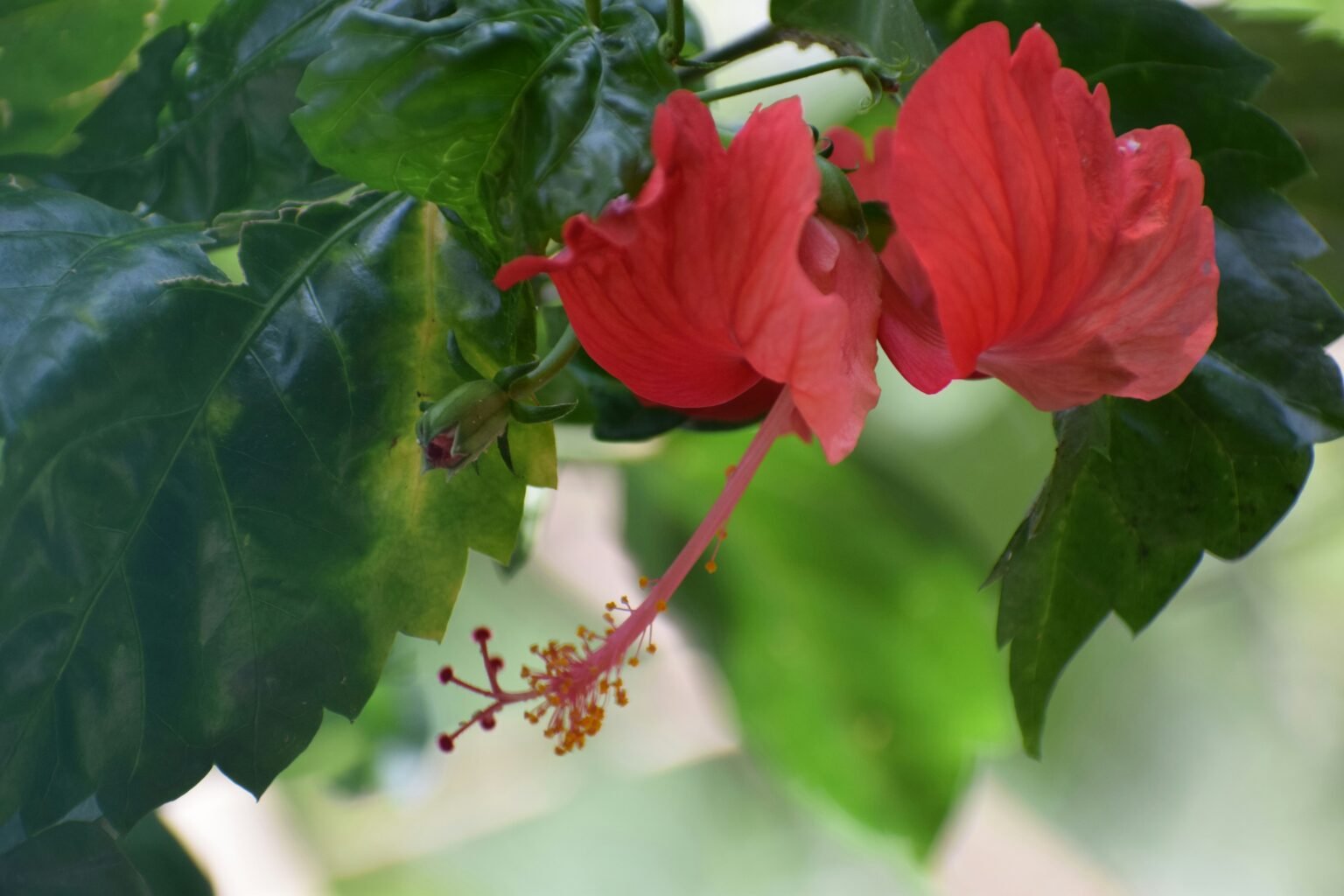

Introduction to Cranberry Hibiscus
Cranberry hibiscus, scientifically known as Hibiscus acetosella, is a striking perennial plant that has garnered attention due to its aesthetic appeal and multifaceted uses. Originating from tropical regions of Africa, this versatile plant has found its way into gardens and culinary spaces across the globe. Its vibrant leaves, which range in color from deep reddish-purple to bright green, serve as a captivating addition to both ornamental and edible landscapes.
The unique appearance of cranberry hibiscus is one of its defining characteristics. The plant features elongated, lobed leaves that exhibit a beautiful dark purple hue, with prominent veins that accentuate their form. These leaves are not only visually appealing but also rich in flavor, embodying a tartness reminiscent of cranberries, which is how it earns its name. Such qualities have contributed to its popularity among culinary enthusiasts seeking to incorporate visually stunning and health-beneficial ingredients into their dishes.
Beyond its decorative and culinary applications, cranberry hibiscus is praised for its numerous health benefits. This plant is a rich source of antioxidants, vitamins, and minerals, making it a superb addition to a health-conscious diet. The benefits associated with cranberry hibiscus, from promoting digestion to enhancing overall wellness, are becoming increasingly recognized, attracting both garden cultivators and health experts.
As interest in organic gardening and the incorporation of nutrient-dense edible plants grows, cranberry hibiscus stands out as a compelling choice for those looking to enhance their gardens with both beauty and functionality. With its unique traits and beneficial properties, this plant is undeniably carving a space for itself in the realms of horticulture and health.
Nutritional Benefits of Cranberry Hibiscus
Cranberry hibiscus, known scientifically as Hibiscus acetosella, is a plant that offers a rich nutritional profile, making it a valuable addition to a health-conscious diet. The leaves and flowers of this vibrant herb are not only visually appealing but are also treasure troves of essential vitamins and antioxidants that contribute to various health benefits.
One of the standout characteristics of cranberry hibiscus is its high vitamin C content. This vitamin is renowned for its role in supporting the immune system, promoting collagen production for healthy skin, and aiding in the absorption of iron from plant-based foods. Additionally, the presence of vitamins A and B complements its nutritional makeup, contributing to overall skin health and vitality.
Moreover, cranberry hibiscus is abundant in powerful antioxidants such as flavonoids and polyphenols. These compounds work synergistically to combat oxidative stress in the body, which is linked to numerous chronic diseases. The anti-inflammatory properties of these antioxidants may help reduce inflammation, thereby supporting joint health and overall well-being.
Furthermore, research has suggested potential benefits for cardiovascular health associated with cranberry hibiscus. The plant may help to lower blood pressure and improve lipid profiles, making it a heart-friendly choice. The rich potassium content also aids in maintaining healthy blood pressure levels, while dietary fiber found in the leaves promotes digestive health.
In summary, the nutritional benefits of cranberry hibiscus extend far beyond its delightful flavor and stunning appearance. With a robust array of vitamins, antioxidants, and anti-inflammatory properties, incorporating this powerhouse plant into one’s diet can enhance overall health and well-being.
Culinary Uses of Cranberry Hibiscus
Cranberry hibiscus, scientifically known as Hibiscus acetosella, is not only admired for its striking deep red foliage but also for its tangy flavor, which makes it a versatile ingredient in various culinary applications. One of the most popular ways to incorporate cranberry hibiscus into meals is through salads. The leaves can be used raw, enhancing salads with a unique tartness that pairs well with sweet fruits such as strawberries or citrus.
Another delightful way to utilize cranberry hibiscus is by brewing it into refreshing beverages. The vibrant color and tartness of its leaves can make a visually appealing herbal tea or iced drink. Simply steep the leaves in hot water, optionally adding honey or sugar for sweetness, and then serve it chilled with a garnish of fresh mint or additional cranberry hibiscus leaves. This beverage not only refreshes but also offers numerous cranberry hibiscus benefits.
Incorporating cranberry hibiscus into culinary practices extends to garnishing dishes. The bright, colorful leaves can provide an aesthetic touch to many plates, particularly in garnished fish or meat dishes. Additionally, the leaves can be dried and crushed to be used as a seasoning, offering a unique flavor profile that can enhance many savory recipes. Moreover, they can contribute nutritional benefits, making them a valuable addition to not just the flavor but the overall healthfulness of meals.
For those interested in experiencing the full spectrum of cranberry hibiscus benefits, experimenting with different preparations can be highly rewarding. From salads to teas and garnishing, the culinary applications of cranberry hibiscus are both countless and delightful, showcasing the plant’s capability to elevate everyday cooking.
Medicinal Uses and Health Benefits
Cranberry hibiscus, known scientifically as Hibiscus acetosella, has been revered for its numerous health benefits. This plant, with its strikingly vibrant leaves and flowers, is not only a feast for the eyes but also a reservoir of medicinal properties that have been utilized across various cultures for centuries.
One of the primary cranberry hibiscus benefits lies in its potential to aid in the management of hypertension. Traditional herbal remedies have leveraged the plant’s properties, suggesting that it may have a role in lowering blood pressure. Studies indicate that hibiscus extracts, akin to those derived from cranberry hibiscus, can have diuretic effects, effectively helping to reduce arterial pressure and promoting cardiovascular health. Such findings align with a broader understanding of the plant’s positive contributions to heart health.
Moreover, the digestive health benefits of cranberry hibiscus cannot be overlooked. This plant is known to support digestive function, helping to alleviate common gastrointestinal issues such as bloating and constipation. The presence of various compounds in cranberry hibiscus is thought to encourage healthy digestion by promoting bile production and regulating bowel movements.
Furthermore, cranberry hibiscus boasts notable skin benefits. Its antioxidant properties are believed to combat oxidative stress, which can lead to premature aging and skin problems. The plant is often included in natural skincare formulations, underscoring its relevance in topical remedies for maintaining a healthy complexion.
While anecdotal evidence from herbal traditions supports these uses, ongoing research aims to further elucidate the effective applications of cranberry hibiscus in modern medicine. In summary, the rich tapestry of traditional wisdom, bolstered by scientific inquiry, continues to shed light on the value of cranberry hibiscus as a powerful herbal ally in promoting health and wellness.
How to Grow Cranberry Hibiscus
Growing cranberry hibiscus (Hibiscus acetosella) offers a vibrant addition to any garden, characterized by its striking reddish-purple foliage. To successfully cultivate this plant, one must consider its ideal growing conditions. Cranberry hibiscus prefers well-draining soil that is rich in organic matter. A soil pH of around 6.0 to 7.0 is optimal, allowing the plant to absorb nutrients effectively.
Light requirements for cranberry hibiscus are quite specific. The plant thrives in full sun, requiring at least six to eight hours of direct sunlight each day. Insufficient light can lead to leggy growth and reduced vigor. For gardeners in regions with intense heat, partial shade during the hottest part of the day can help prevent leaf scorch, ensuring healthy growth.
When it comes to spacing, cranberry hibiscus plants should be spaced approximately 24 to 36 inches apart. This allows sufficient air circulation, reducing the risk of fungal diseases and ensuring each plant has enough room to flourish. In cooler climates, start seeds indoors about six to eight weeks before the last frost date. Transplant the seedlings outdoors once the soil temperature reaches a consistent 65°F (18°C).
In terms of climate adaptability, cranberry hibiscus is best suited for USDA Hardiness Zones 9 through 11. However, in cooler areas, consideration for seasonal changes is crucial. During winter, if temperatures drop below 20°F (-6°C), it is advisable to treat the plant as an annual or bring it indoors. Regular watering is essential, yet it is important to avoid waterlogging, as the plant prefers consistently moist but not soggy conditions.
To care for cranberry hibiscus throughout the growing season, regular fertilization with a balanced fertilizer can enhance growth and vibrant foliage. Pruning in late winter or early spring can help invigorate growth and maintain the desired shape. By following these guidelines, both novice and experienced gardeners can enjoy the myriad of cranberry hibiscus benefits, from its ornamental quality to its culinary uses.
Caring for Cranberry Hibiscus Plants
To successfully cultivate healthy cranberry hibiscus plants, understanding their care requirements is paramount. These vibrant plants thrive in warm climates, so start by selecting an appropriate location that receives full sunlight for at least six hours a day. Adequate light exposure is critical for their growth and ensures the beautiful foliage and flowers develop properly.
Watering is another essential aspect of care. Cranberry hibiscus prefers consistently moist soil, but overwatering can lead to root rot. A good rule of thumb is to keep the soil slightly damp, allowing the top inch of soil to dry out between waterings. During hotter months, you may need to increase the frequency of watering. Conversely, in cooler seasons, reduce watering to prevent excess moisture around the roots.
Fertilization plays a vital role in promoting healthy growth. It is advisable to apply a balanced, water-soluble fertilizer every four to six weeks during the growing season. This practice encourages lush foliage and supports the vibrant flowers for which cranberry hibiscus is known. During the fall and winter months, when growth slows down, fertilization should be reduced to avoid unnecessary nutrient buildup.
Pruning is also beneficial. Regularly trimming your cranberry hibiscus plant not only removes any dead or damaged leaves but also promotes branching, leading to a fuller plant. Aim to prune in late winter or early spring before new growth begins. Additionally, keeping an eye out for pests such as aphids or spider mites is crucial. If detected, employ organic pest control methods to protect your plants without damaging their health.
Through effective watering, timely fertilization, mindful pruning, and vigilant pest management, your cranberry hibiscus plants can flourish beautifully, enabling you to enjoy their numerous benefits for seasons to come.
Common Pests and Problems
Cranberry hibiscus, known for its attractive foliage and vibrant blooms, can, like any other plant, face challenges from pests and diseases. Understanding these potential threats is crucial for maintaining healthy plants and reaping the cranberry hibiscus benefits. Among the most common pests that affect this plant are aphids and spider mites. Aphids, small insects that cluster on new growth, can cause stunted growth and curling leaves. To manage aphid infestations, one effective strategy is to introduce natural predators such as ladybugs, or you can apply insecticidal soap as a preventive measure.
Spider mites, on the other hand, thrive in dry conditions and can lead to webbing on the underside of leaves, which hinders photosynthesis. Increasing humidity around the plant and regularly spraying the leaves with water can help mitigate this issue. Additionally, applying neem oil can help control spider mite populations without harming beneficial insects.
Fungal diseases are another concern for gardeners, particularly leaf spot and powdery mildew. Leaf spot manifests as dark spots on the foliage and can be detrimental if it spreads extensively. To combat this, ensuring proper air circulation and avoiding overhead watering can significantly minimize the risk of fungal issues. Powdery mildew, which appears as a white coating on leaves, is most prevalent in high humidity and low air circulation. It is advisable to trim any overcrowded branches and apply fungicidal treatments when necessary.
Regularly inspecting cranberry hibiscus plants can aid gardeners in the early detection of pests and diseases. By implementing preventive measures, such as maintaining healthy soil and adequate watering practices, the chances of encountering serious pests or problems can be dramatically reduced. Subsequently, this ensures that the numerous cranberry hibiscus benefits can be fully appreciated without the hindrance of these challenges.
Harvesting and Storage Techniques
To fully appreciate and utilize the cranberry hibiscus benefits, it is vital to harvest the leaves and flowers at the appropriate time. The best period to gather these parts is during the morning when the moisture from dew has evaporated. This timing helps to preserve the aromatic essential oils and vibrant flavors that are characteristic of the plant.
When selecting leaves, look for tender, young ones. These will not only be more flavorful but also retain more of the plant’s health benefits. Flowers can be harvested when they are in full bloom, ensuring that you acquire the maximum flavor and nutritional components. It is advisable to use a pair of sharp scissors or garden shears for a clean cut, reducing damage to the plant and promoting continuous growth.
After harvesting, proper storage plays a crucial role in maintaining the quality and extending the usability of cranberry hibiscus. Fresh leaves can be stored in a refrigerator for a short term, typically up to a week. For longer preservation, consider drying the leaves and flowers. To do this, lay them out in a single layer on a clean, dry screen or paper towel and place them in a cool, dark area with good air circulation. This process retains the plant’s beneficial properties and flavor.
Alternatively, freezing is an excellent method for preserving the health benefits of cranberry hibiscus. To freeze the leaves, wash and pat them dry, then place them in airtight freezer bags. This method allows for year-round use without compromising the plant’s flavor and nutritional value. Overall, harvesting and proper storage techniques ensure that you can enjoy the versatile uses of cranberry hibiscus while maximizing its numerous health advantages.
Conclusion and Final Thoughts
In reviewing the numerous cranberry hibiscus benefits, it becomes clear that this vibrant plant is more than just visually appealing. Its striking leaves and flowers add a splash of color to any garden, making it an excellent choice for ornamental purposes. Beyond its aesthetic qualities, cranberry hibiscus is known for its culinary uses, including its ability to add a tangy flavor to salads, teas, and other dishes, enhancing both taste and nutrition.
Moreover, the botanical properties of cranberry hibiscus provide various health benefits, such as antioxidant effects, support for digestive health, and potential anti-inflammatory properties. The leaves can be utilized in cooking, while the flowers and leaves can also be steeped to create a refreshing herbal tea. This plant’s adaptability to different climates further encourages its cultivation, whether in backyard gardens or larger landscapes.
For those interested in gardening, incorporating cranberry hibiscus into your planting schemes can yield both practical and aesthetic benefits. Its easy care requirements make it accessible for novice gardeners, while its attractive bloom and distinctive foliage can appeal to seasoned horticulturists. As you consider integrating this plant into your own spaces, think about how its vibrant colors and diverse uses can elevate your gardening experience.
We invite readers to explore the potential of cranberry hibiscus in their gardens and kitchens. Share your experiences with growing this remarkable plant and any recipes you have developed that highlight its unique flavor. Your insights could inspire others to discover the many cranberry hibiscus benefits and perhaps encourage them to nurture this beautiful plant in their own homes.

