

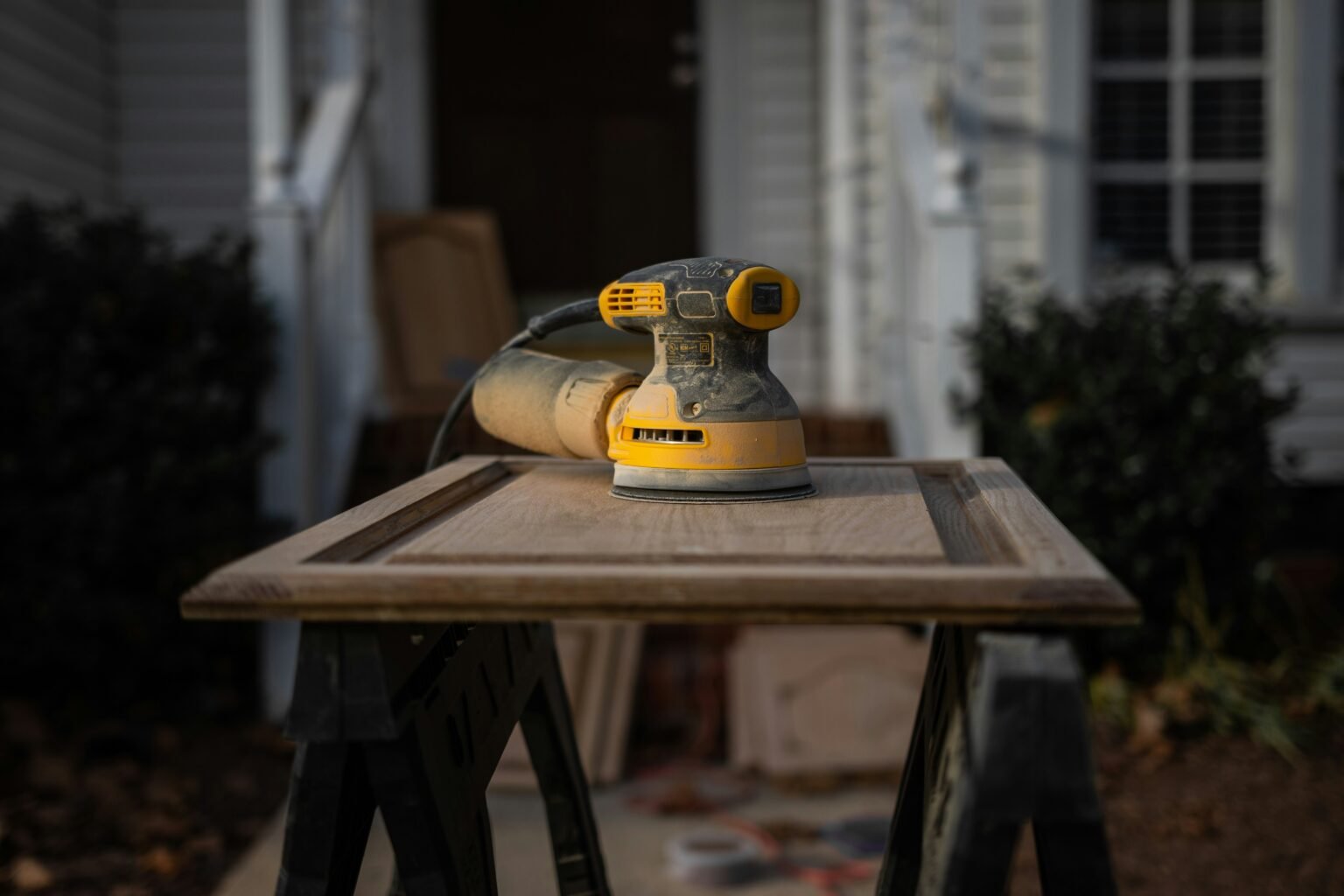

Introduction to Home Repairs
Home repairs are an essential aspect of maintaining a safe and functional living environment. They encompass a range of activities from simple fixes to complex renovations, aimed at addressing wear and tear, improving aesthetics, or enhancing the overall utility of a space. Often, homeowners face the decision of whether to engage professional services or to undertake the repairs themselves. This is where the concept of do-it-yourself (DIY) home repairs comes into play, motivated by several factors.
One primary motivation behind DIY home repairs is the potential for financial savings. Engaging a contractor can be expensive, and many homeowners opt for DIY approaches to cut costs while achieving satisfactory outcomes. Additionally, there is often a profound sense of personal satisfaction gained from completing repairs on one’s own. The act of improving one’s home can foster a strong connection to the living space, making it feel more personalized and fulfilling.
Moreover, many individuals undertake home repairs with the aspiration of upgrading their living conditions. Whether it’s updating an outdated kitchen or fixing a leaky faucet, these projects can significantly improve the functionality and aesthetic appeal of a home, enhancing the quality of life for its inhabitants. However, it is crucial to acknowledge that undertaking home repairs also carries inherent risks. Lack of experience or improper techniques can lead to significant financial setbacks from mistakes such as structural damage or the need for additional repairs.
Thus, while DIY home repairs can be rewarding and beneficial, they also require careful consideration and preparation to avoid common pitfalls. Homeowners must ensure they are adequately equipped with the right tools, knowledge, and safety measures to tackle projects effectively, minimizing the chances of costly errors.
Mistake 1: Underestimating the Scope of the Project
One of the most prevalent home repair mistakes homeowners make is underestimating the scope of the project. This often manifests in a lack of foresight regarding the time, finances, and physical effort required to execute home repairs effectively. Many homeowners may embark on projects, driven by enthusiasm or the desire to save money, without adequately assessing all necessary components. As a result, they may find themselves quickly overwhelmed when reality sets in.
Common home projects that are frequently underestimated include bathroom remodels, kitchen renovations, and basement finishing. For instance, a seemingly simple bathroom update can lead to unexpected complications such as plumbing issues, mold remediation, or structural concerns. Homeowners might budget a certain amount for cosmetic changes, overlooking the hidden costs that arise during the demolition or reconstruction phases.
The same issue arises with kitchen remodels. While updates to countertops or cabinets might seem straightforward, these projects often reveal outdated wiring or plumbing systems. Finishing a basement can lead to similar surprises as well, including the need for extensive moisture control measures or insulation. Therefore, it is crucial to approach any home improvement project with a thorough evaluation of existing conditions and a clear plan outlining the steps needed.
Effective planning involves allocating sufficient time and realistic budgeting, including a contingency fund for unforeseen expenses. Engaging with professionals can also provide valuable insight and assistance, ensuring that homeowners have a comprehensive understanding of the work ahead. By recognizing the full extent of a project before commencing, property owners can avoid many common pitfalls that arise from underestimating repair endeavors.
Mistake 2: Skipping Essential Preparations
Preparation is a crucial step in any home repair project, yet it is often overlooked by homeowners. Failing to gather the necessary tools and materials can lead to delays and complications during the repair process. For instance, starting a plumbing repair without having the right wrenches, pipe fittings, or sealants can result in incomplete work and additional trips to the hardware store. This not only wastes time but can also escalate repair costs.
Equally important is obtaining any necessary permits before starting work, particularly for larger renovations or electrical projects. Many homeowners may underestimate the importance of these permits, assuming they can save time and money by proceeding without them. However, working without the proper permits can lead to fines, or worse, future complications involving building codes and regulations. It’s advisable to check with local authorities to ensure compliance before initiating any significant repairs.
Additionally, consulting professionals can sometimes be vital, especially for complex tasks like roofing or electrical work. While some homeowners may feel confident in their DIY abilities, certain repairs require specialized knowledge and equipment that may be beyond their reach. Engaging with professionals not only ensures that the job is done correctly but also minimizes the risk of future problems arising from incorrect installations or repairs.
In conclusion, proper preparation can make the difference between a smooth and successful home repair project and a frustrating ordeal. By taking the time to gather the necessary tools and materials, secure permits, and consult professionals when needed, homeowners can effectively mitigate risks and enjoy a more seamless repair process.
Mistake 3: Ignoring Safety Precautions
When undertaking home repairs, one of the most critical considerations is safety. Ignoring safety precautions can lead to accidents, injuries, and potential damage to property. Unfortunately, many homeowners overlook fundamental safety practices, which can lead to dire consequences during DIY projects. It is essential to prioritize safety to ensure a smooth and incident-free repair process.
A common mistake is neglecting the use of safety gear such as goggles, gloves, and masks. These protective items are designed to shield individuals from various hazards, including flying debris, chemical exposure, and sharp objects. Wearing suitable safety gear should be a non-negotiable aspect of any home repair project. Additionally, the improper use of tools poses another significant risk. Each tool has specific intended uses and accompanying safety measures; failing to follow these guidelines can result in accidents. Homeowners must familiarize themselves with tools and adhere to the proper handling techniques to minimize risks.
Furthermore, failure to turn off utilities such as electricity, gas, or water before commencing repairs can also have dire repercussions. It is imperative to ensure that power sources are disconnected to avoid electrocution or gas leaks during repairs. Homeowners should take a moment to assess the area and shut off any relevant utilities before starting their work.
To enhance safety during home repairs, it is advisable to create a checklist that incorporates all necessary precautions. This may include wearing safety gear, ensuring tools are in good condition, and turning off utilities when applicable. By taking these steps, homeowners can significantly reduce the likelihood of accidents and create a safer environment for themselves and anyone present during the repair tasks.
Mistake 4: Choosing the Wrong Materials
Selecting the appropriate materials for home repair projects is crucial, as using low-quality or incompatible options can result in numerous complications. One of the most common errors homeowners make is opting for cheaper materials without considering their long-term implications. While these materials may seem cost-effective initially, they often lead to more significant expenses down the line due to increased maintenance, repairs, or even complete replacements.
When undertaking any home repair task, it is vital to research and choose materials that are suitable for the specific job at hand. Durability is a key factor to keep in mind; materials that are not designed to withstand the local environmental conditions can deteriorate quickly. For example, using non-weather-resistant paints or inferior roofing materials in regions prone to heavy rain or snowfall can result in premature failure and costly repairs.
Compatibility with existing structures is another essential consideration. Selecting materials that do not align with local building codes or the specifications of your home can lead to safety hazards and may even require additional adjustments or renovations. Compliance with these codes ensures that your repairs are not only effective but also legal and safe.
Furthermore, engaging with professionals or conducting thorough research can aid in identifying the best materials for your project. Many local suppliers often provide insights into which products perform well in specific tasks or environments. By being diligent in your material selection, you can avoid unnecessary repairs, enhance the longevity of your home, and ultimately save both time and money.
Mistake 5: Not Seeking Professional Help When Needed
Many homeowners believe that they can undertake all home repair projects independently, fueled by the abundance of DIY tutorials available online. While some repairs may be simple and manageable for a skilled DIY enthusiast, others require the expertise of trained professionals. This misconception can lead to costly mistakes, safety hazards, and even further damage to the property.
In particular, plumbing, electrical, and structural repairs often necessitate professional knowledge and experience. For instance, issues involving the electrical system pose significant safety risks when handled by unqualified individuals. Similarly, plumbing repairs that are improperly executed can lead to leaks, water damage, and more extensive problems down the line. Structural repairs, including roof work or foundation repairs, should always be executed by licensed contractors to ensure compliance with local building codes and regulations.
Engaging a professional not only guarantees that the task is completed correctly but can also save homeowners time and money in the long run. Hiring a competent tradesperson ensures that the necessary tools, materials, and techniques are used for each repair, reducing the likelihood of future complications.
When seeking professional assistance, it is crucial to conduct thorough research. Start by asking for recommendations from friends, family, or neighbors who have utilized services from contractors that they trust. Additionally, online reviews and ratings can provide valuable insight into the quality of work that a tradesperson delivers. Once you have a shortlist of potential candidates, ensure they are licensed, insured, and have a portfolio or references to back their expertise. Always request multiple quotes to gain a better understanding of the fluctuations in pricing associated with various professionals.
Mistake 6: Over-Complicating Repairs
Homeowners often find themselves in situations where they believe that a simple repair requires an elaborate solution. This tendency to over-engineer repairs can stem from a desire to ensure that the fix is comprehensive or from a misunderstanding of the issue at hand. It is not uncommon for individuals to overcomplicate straightforward tasks, leading to unnecessary confusion, increased cost, and wasted time.
For instance, when dealing with a leaky faucet, some may think that replacing the entire plumbing system is the only viable option, rather than simply changing a worn-out washer or O-ring. Such decisions not only inflate repair costs but also complicate the process unnecessarily. Sticking to simple and effective solutions often yields better results without the hassle of additional complexities. Homeowners should adopt a mindset that favors practicality over complexity.
An important aspect of home repairs is to recognize the limits of complexity, especially when traditional methods and techniques offer reliable fixes. In many cases, established repair procedures exist for a reason; they are time-tested and proven effective. Deviating from these established practices in pursuit of a more ‘innovative’ solution can lead to consequences that range from ineffective repairs to more significant damage or safety hazards.
It is essential for homeowners to assess the requirements of the repair at hand realistically. Understanding the scope of the problem and applying straightforward solutions can prevent the pitfalls of over-complicating repairs. Simplifying the approach not only leads to a smoother repair process but also enhances the overall quality of the repair while ensuring that it adheres to safety protocols and regulations.
Mistake 7: Neglecting Post-Repair Maintenance
Many homeowners commit the oversight of neglecting maintenance after completing repairs, which can lead to gradual deterioration over time. It is essential to understand that just because a repair has been made, does not mean that the work is complete. Various factors and elements can affect the longevity and efficacy of repairs, including weather conditions, daily wear and tear, and more. As such, ensuring ongoing maintenance is crucial to preserve the integrity of the repair.
Post-repair maintenance refers to the routine checks and care needed after any significant repair work has been undertaken in the home. This includes inspecting repaired areas for any signs of damage or deterioration, promptly addressing minor issues before they escalate into major problems. For instance, if a repair involved patching a leak in the plumbing, regular checks of the previously repaired pipe are necessary to ensure there are no new leaks forming. Additionally, cleaning and protecting affected areas can prevent moisture build-up and damage.
Furthermore, some repairs may require specific forms of maintenance. For example, a newly installed roof may need certain shingles checked regularly for integrity, while a freshly painted wall might need touch-ups to maintain its appearance. Being proactive in maintenance not only extends the life of your repairs but saves money in the long run by preventing more expensive issues from arising. Homeowners should develop a maintenance schedule to include all repaired areas, allowing for timely evaluations and necessary interventions. In conclusion, consistently managing post-repair upkeep is a key strategy in ensuring that repairs remain effective, thus safeguarding the overall health of the home.
Conclusion: Key Takeaways for Successful Home Repairs
Home repair tasks can often present a range of challenges for homeowners, particularly when mistakes are made due to lack of knowledge or preparation. Understanding common home repair mistakes is crucial to ensure success in maintaining and enhancing one’s living space. Among the issues frequently encountered are improper assessment of repair needs, neglecting safety precautions, and insufficient planning for materials and tools. These errors not only lead to subpar results but can also result in increased costs and safety hazards.
Moreover, a lack of awareness regarding permits and regulations can lead homeowners into legal complications. It’s important for homeowners to familiarize themselves with local building codes to avoid any potential violations. This kind of knowledge not only guards against fines but also ensures that repairs are carried out to the expected standard, enhancing safety and efficiency.
Homeowners are encouraged to continuously educate themselves on best practices for home repairs. This includes reading up on DIY resources, attending workshops, or seeking guidance from professionals when necessary. By doing so, they can avoid common pitfalls and increase their confidence in handling repairs on their own.
In summary, being mindful of the discussed home repair mistakes can dramatically affect the outcome of repair endeavors. A proactive approach towards learning about proper techniques and safety measures greatly contributes to successful home repairs. By prioritizing education and planning, homeowners can effectively safeguard their homes and promote durability in their living environments.

