

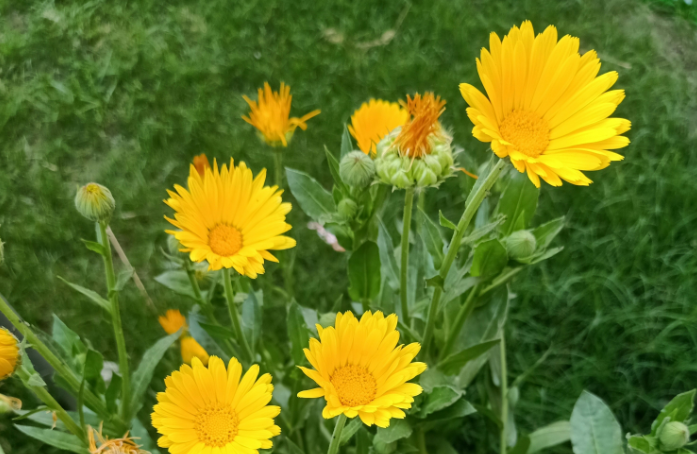

Introduction to Yellow Flowers
Yellow flowers have long been celebrated for their vibrant hues and the lively ambiance they bring to any garden. Often associated with cheerfulness and optimism, these blossoms serve as reminders of the warmth of the sun and the joys of nature. The use of yellow flowers in garden design is not merely aesthetic; it is profoundly symbolic, representing happiness, energy, and vitality. Their bright coloration makes them an ideal choice for gardeners looking to create a welcoming and uplifting atmosphere in their outdoor spaces.
Incorporating yellow flowers into a garden can have a striking impact on the overall aesthetic. The bold and sunny shades attract attention and create focal points, drawing the eye and encouraging exploration. Additionally, yellow flowers can enhance the visual appeal when paired with other colors, such as purples and blues, creating a stunning contrast that captivates the observer’s gaze. The interplay of colors not only beautifies the garden but also fosters an inviting environment for visitors.
Moreover, yellow flowers play a vital role in supporting garden ecosystems. Many varieties of yellow blooms are known to attract an array of pollinators, including bees and butterflies. These essential creatures contribute significantly to the health of the garden by promoting the process of pollination, which in turn leads to robust plant growth and increased biodiversity. By selecting yellow flowers, gardeners not only enhance their own enjoyment but also actively participate in preserving the natural balance of their surrounding environment.
Benefits of Incorporating Yellow Flowers
Yellow flowers are not merely pleasing to the eye; they offer a multitude of benefits that can significantly enhance the aesthetic and ecological aspects of your garden. Their bright and vibrant hue naturally draws attention, transforming any space into a warm and inviting environment. The visual appeal of yellow flowers is particularly pronounced during spring and summer, as they create a cheerful atmosphere that uplifts the spirit and enhances the overall mood of the garden. This color is often associated with positivity and joy, making it beneficial for gardens that are meant for relaxation or social gatherings.
Beyond their aesthetic value, yellow flowers also play an important role in color contrast. When integrated with other flower colors, yellow blooms can create striking visual juxtapositions, making your garden design more dynamic and interesting. The brightness of yellow can enliven darker shades, thereby providing a harmonious balance that enriches the overall display. This striking contrast encourages the use of complementary colors, allowing gardeners to get creative with their plant arrangements.
Furthermore, incorporating yellow flowers can attract beneficial insects, such as bees and butterflies. These pollinators are essential for the health of any garden, as they promote pollination, leading to healthier plants and increased yield for edible gardens. Many yellow-flowered species are known to produce abundant nectar, making them alluring to these helpful insects. In essence, adding yellow flowers to your garden not only elevates its beauty but also contributes positively to the surrounding ecosystem. It fosters a more vibrant environment that benefits both the gardener and the wildlife that inhabits the area.
Top 5 Yellow Flower Varieties for Your Garden
Integrating yellow flowers into your garden adds a vibrant splash of color and enhances the overall aesthetic appeal. Below are five popular yellow flower varieties that are ideal for garden cultivation, along with their unique characteristics, growth requirements, and care tips.
1. Heliopsis (False Sunflower)
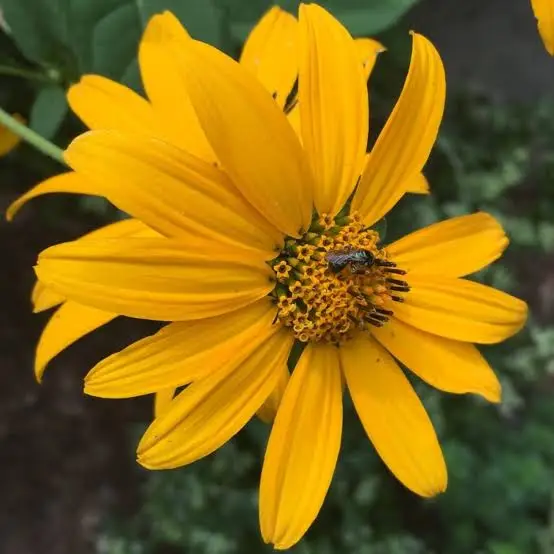
Heliopsis boasts bright yellow, daisy-like flowers that bloom throughout the summer. This perennial plant thrives in full sun and well-drained soil, making it a low-maintenance choice for gardeners. It grows to a height of about 3 feet and can tolerate drought conditions once established. Regular deadheading encourages further blooming and maintains a tidy appearance.
2. Rudbeckia (Black-eyed Susan)
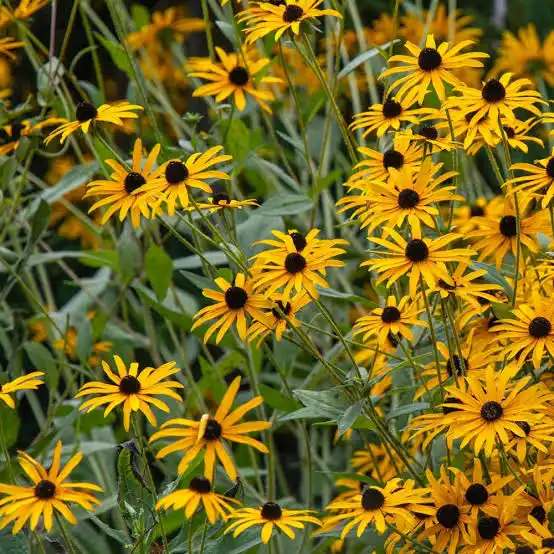
Rudbeckia is another stunning option featuring striking yellow petals surrounding a dark center. These hardy perennials flourish in a range of conditions but prefer full sun with moderate moisture. They reach heights of 2-3 feet and attract beneficial pollinators such as bees and butterflies. A light compost addition in spring can promote healthy growth, while deadheading encourages additional blooms.
3. Coreopsis (Tickseed)
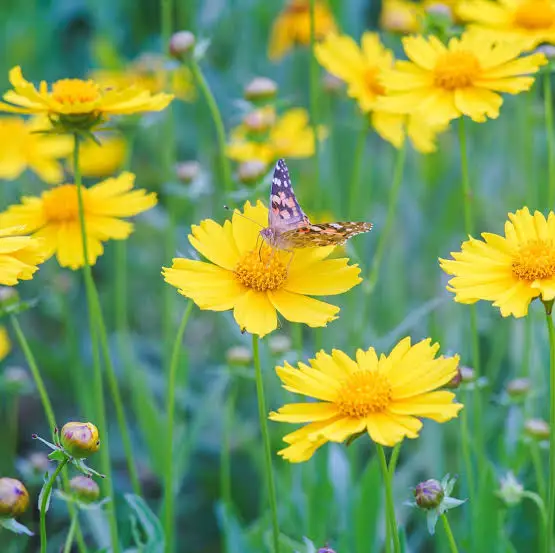
Coreopsis produces cheerful yellow flowers that brighten any garden. This perennial variety flourishes in poor to average soil and thrives in full sun. Typically growing to a height of 1-2 feet, Coreopsis requires minimal care. Deadheading spent flowers can result in extended blooming from late spring to early fall. Its resilience to drought makes it an excellent choice for low-water gardens.
4. Marigold
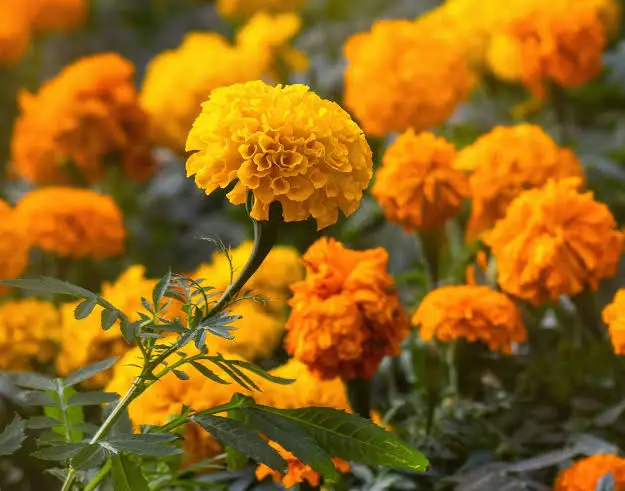
Marigolds are a popular annual flower celebrated for their vibrant yellow-orange colors. They are easy to grow in sunny spots and varied soil types. With their compact height of 6-24 inches, they are suitable for borders and garden beds alike. Marigolds also act as natural pest deterrents, making them beneficial companions in vegetable gardens.
5. Yarrow (Achillea millefolium)
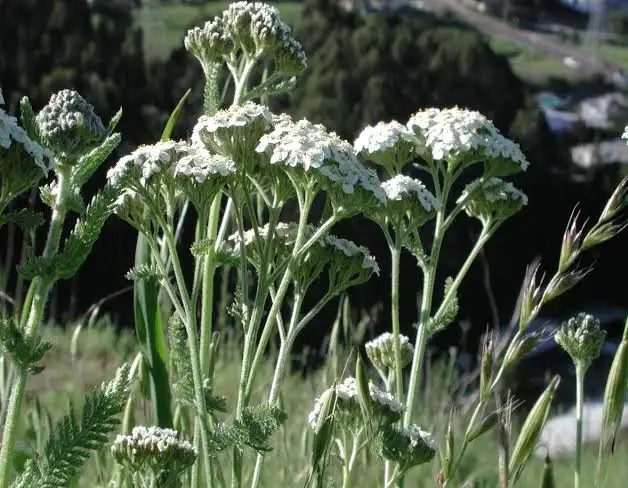
Yarrow features clusters of flat-topped yellow flowers and is valued for its hardy, drought-resistant nature. It grows up to 3 feet tall, thriving in full sun and poor soil conditions. This perennial not only attracts pollinators but also provides excellent cut flowers. To retain shape and promote new growth, cut back the plant after flowering.
Each of these yellow flower varieties offers unique benefits and can significantly enhance the brightness and appeal of your garden. With the right care and conditions, they will thrive and bring joy for seasons to come.
Caring for Yellow Flowers
Caring for yellow flowering plants involves a comprehensive understanding of their specific needs, which can vary significantly among different varieties. One of the primary considerations is watering. Most yellow flowers thrive in well-drained soil and generally prefer to remain on the drier side. Overwatering can lead to root rot, which is a common issue affecting flowering plants. Therefore, it is prudent to allow the soil to dry slightly before the next watering, particularly during the summer months when evaporation rates are higher.
Sunlight is another crucial factor in the care of yellow flowers. These plants often bloom best in full sun, which typically means they require at least six to eight hours of direct sunlight per day. However, it’s important to acknowledge that some yellow species may tolerate partial shade. Flowers such as daylilies or black-eyed Susans can perform well with morning sun and afternoon shade, making them suitable for various garden environments.
Soil preferences are also significant in ensuring the health of yellow flowering varieties. A loamy soil rich in organic matter is usually ideal, as it provides the essential nutrients and excellent drainage necessary for robust growth. A soil pH of around 6.0 to 7.0 is generally suitable, which supports the nutrient uptake for vibrant blooming. Gardeners may want to conduct a soil test to ascertain its pH and nutrient levels, enabling necessary amendments.
Pest control is vital to maintain yellow flowers’ health and vibrancy. Regular monitoring for common pests such as aphids, spider mites, and whiteflies is critical. Employing natural pest control methods, such as introducing ladybugs or using insecticidal soap, can manage infestations without harming the plants or the surrounding environment.
Designing with Yellow Flowers
Incorporating yellow flowers into garden designs can create vibrant and uplifting spaces, drawing attention and infusing warmth. To achieve a harmonious garden layout, it’s essential to consider effective pairings with other colors. Yellow, being a bright and cheerful hue, pairs exceptionally well with purples and blues—colors that provide a stunning contrast. By using yellow flowers such as Echinacea or Coreopsis alongside purple options like Lavender or Aster, garden enthusiasts can create eye-catching combinations that enhance the overall visual appeal.
Additionally, yellow flowers can serve as excellent focal points within a garden setting. For instance, planting clusters of goldenrod or sunflowers in strategic locations directs attention to those areas and adds a dynamic element to the landscape. The idea is to create rhythm and balance. Establishing a pathway lined with yellow blooms like Marigolds or Daffodils can guide visitors through the garden while delivering a cheerful ambiance.
Considerations for seasonal planting should also be addressed when designing with yellow flowers. While some varieties bloom in spring, such as Forsythia and Winter Aconite, others flourish in the late summer to fall, including rudbeckia and golden glow. By selecting a mix of early and late bloomers, one can ensure that the garden remains lively and colorful throughout various seasons. This strategic layering of yellow flowers will not only enrich the visual continuity of the garden but also provide a feast for pollinators at different times of the year.
Incorporating yellow flowers into your garden design can yield a stunning transformation, enhancing the joy and beauty of outdoor spaces, provided that the principles of color pairing, focal points, and seasonal planting are thoughtfully considered.
Companion Planting with Yellow Flowers
Companion planting is a horticultural practice that involves growing different plants in close proximity to one another for mutual benefits. This technique can significantly enhance garden health, attract beneficial insects, and increase overall aesthetics. Yellow flowers, with their vibrant hues and diverse species, play a vital role in this gardening strategy. By understanding which plants thrive alongside yellow flower varieties, gardeners can create a more productive and visually appealing landscape.
One of the primary benefits of companion planting with yellow flowers is their ability to attract pollinators such as bees and butterflies. For instance, planting marigolds, known for their bright yellow and orange blooms, can lure these vital insects, assisting in the pollination of nearby vegetables and fruits. Additionally, the presence of marigolds is known to deter certain pests, promoting a healthier garden environment.
Incorporating yellow flowering plants like coreopsis and black-eyed Susans can also provide excellent companions for various vegetables. These perennial flowers not only enhance the visual appeal of the garden but also create a habitat for beneficial insects like ladybugs, which can naturally control aphid populations. Some gardeners find that pairing yellow flowers with tomatoes and peppers can result in improved yields and flavor due to enhanced pollination.
Furthermore, combining yellow flowering plants with taller varieties, such as sunflowers, can create an attractive and functional layering effect in the garden. The sunflowers may offer shade and wind protection for smaller plants, thus creating a microclimate that benefits the entire garden. In essence, by effectively utilizing the practice of companion planting with yellow flowers, gardeners can maximize both the health and beauty of their garden spaces.
Common Pests and Diseases Affecting Yellow Flowers
Yellow flowering plants, while vibrant and cheerful, can be susceptible to a variety of pests and diseases that may hinder their growth and diminish their beauty. Understanding these challenges is crucial for maintaining a healthy garden. One of the most common pests that target yellow flowers is the aphid. These tiny, sap-sucking insects can cause significant damage by weakening the plants and leading to distorted growth. They can be identified by their small size and the sticky residue they leave behind, known as honeydew.
Another notorious pest is the spider mite, which often flourishes in dry conditions. These minuscule arachnids can cause yellowing of leaves and a fine webbing on the flowers. Monitoring your plants for signs of them can help in early detection, allowing for timely interventions. Furthermore, slugs and snails, although not exclusive to yellow flowers, can be particularly damaging when they feed on the soft foliage.
Diseases also pose a significant threat to these flowering plants. Powdery mildew is a common fungal ailment characterized by a white powdery coating on leaves and stems, which can be particularly concerning during humid weather. This disease can be effectively managed by ensuring proper air circulation and applying organic fungicides derived from neem oil.
Another noteworthy disease is root rot, often a result of overwatering. The symptoms, including yellowing leaves and wilting, can easily be mistaken for drought stress. It is essential to ensure well-draining soil to combat this issue. Organic solutions such as improved drainage techniques and the use of beneficial microbial inoculants can greatly enhance soil health and plant resilience.
Yellow Flowers in Cultural Contexts
Yellow flowers have held a significant position across numerous cultures, often embodying various meanings that reflect the pertaining societal values and beliefs. Their vibrant hue is typically associated with warmth, joy, and positivity, making them popular symbols in art and literature throughout history.
In many cultures, yellow represents sunshine and happiness; for instance, in Japan, the yellow chrysanthemum is a symbol of nobility and is often used during festivals to represent joy and optimism. Similarly, in Western cultures, yellow roses convey friendship, joy, and goodwill, celebrating relationships empathetically through their cheerful vibrancy. The integration of these flowers into artistic expressions reflects their positive symbolism, inspiring creative works spanning centuries.
Furthermore, yellow flowers have also found their place in folk traditions. In various regions, they are utilized in rituals and festivities to signify prosperity and renewal. In India, marigolds are extensively used in religious ceremonies as an offering to deities, recognized for their ability to ward off evil spirits. Similarly, during the springtime, yellow daffodils serve as a harbinger of new beginnings, embraced in many cultures as a representation of hope and resilience following winter.
Literature also mirrors the cultural significance of yellow flowers. Poets and authors frequently employ these blossoms as metaphors for fleeting beauty, transience, and emotional expressions. In literary works, the imagery of yellow flowers invites readers into a realm of contemplation and appreciation for nature’s beauty while invoking feelings of happiness and light.
In summary, the cultural interpretations of yellow flowers transcend mere aesthetics, enriching the gardening experience with deep-rooted meanings and resonating significance in various societies around the world. Their presence in art, folklore, and literary narratives elevates them as symbols of joy, warmth, and renewal, establishing an enduring connection between humans and nature.
Conclusion and Final Thoughts
In our exploration of yellow flower varieties, we have highlighted how these vibrant blooms can enhance any garden setting. From the cheerful Coreopsis to the elegant Asiatic Lily, yellow flowers not only bring warmth and liveliness but also symbolize positivity and joy. Each variety discussed offers unique characteristics and growing requirements, suitable for different landscapes and gardening preferences.
Incorporating yellow flowers into your garden can create stunning visual contrasts, especially when paired with complementary colors such as purples and blues. These bright hues attract pollinators like bees and butterflies, thus contributing to the ecosystem and supporting local wildlife. Furthermore, they can serve as focal points in garden design, guiding the viewer’s eye and instilling a sense of harmony.
As you consider planting yellow flowers, keep in mind the diverse environmental conditions they may thrive in. Factors such as sunlight, soil type, and watering needs will influence your choices significantly. Remember, the right selection and placement can transform an ordinary garden into an extraordinary landscape filled with life and color.
We encourage you to experiment with the varieties mentioned and discover which ones resonate with your gardening style. By introducing these sunny blooms, you embark on a journey not only of aesthetic enhancement but also of a deeper connection with nature. Each flower has its own story and place; let your garden be a canvas for these narratives to unfold and flourish. In the end, the joy of gardening lies in the exploration and the connections we make through the beautiful colors of nature, especially those that proudly shine in shades of yellow.

