

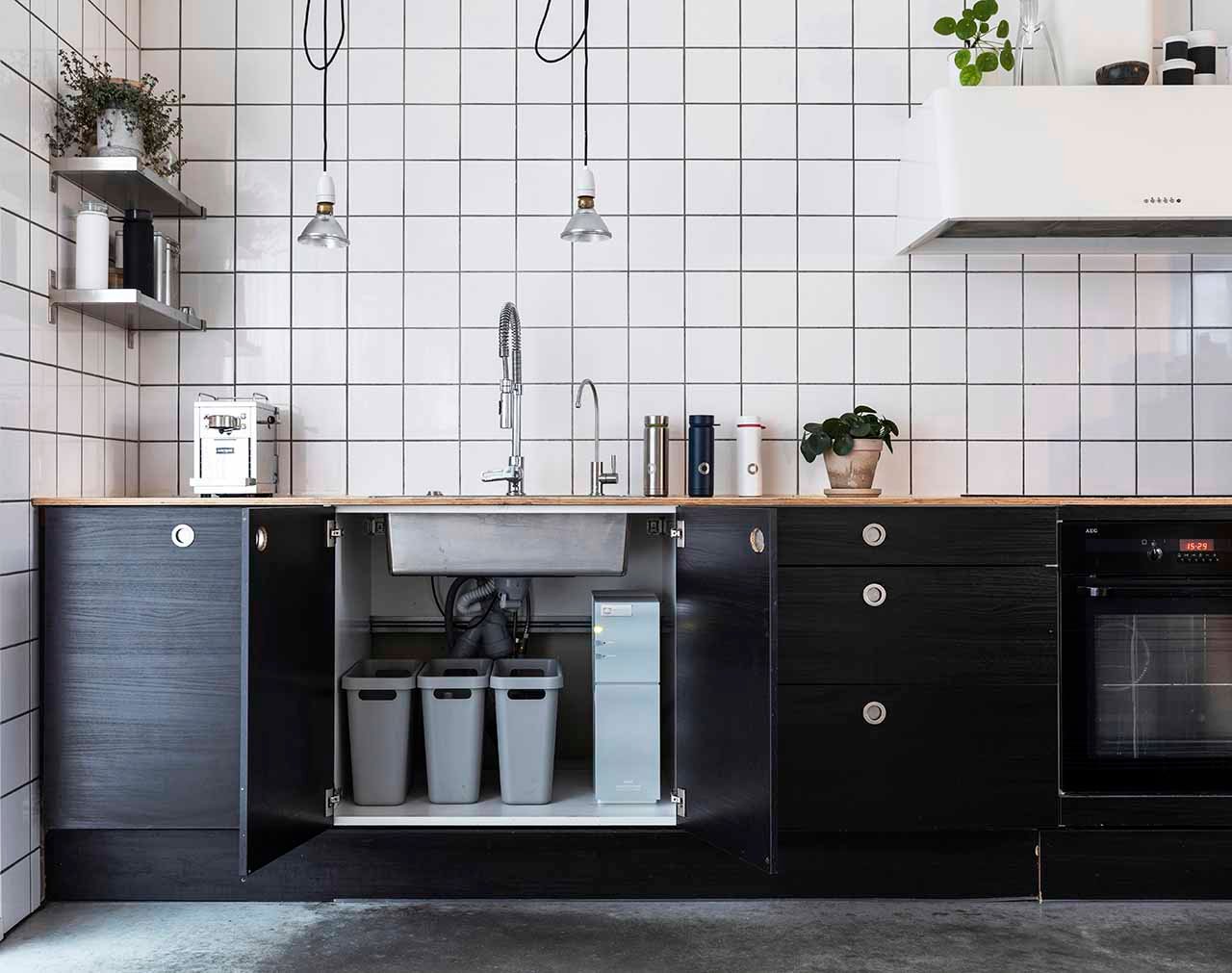

Introduction to Black Kitchens
The concept of black kitchens has gained significant traction in the realm of modern interior design, reflecting a shift towards more daring and defined color choices in home environments. Black, a color often associated with elegance and sophistication, serves as a versatile backdrop that can transform a mundane kitchen space into a striking focal point. As homeowners seek to cultivate unique aesthetic experiences, black kitchens emerge as a compelling option that balances contemporary trends with timeless appeal.
Historically, kitchens were designed with light, airy colors to evoke feelings of warmth and comfort. However, recent advancements in design philosophies have led to a re-evaluation of this norm. The inclusion of black in kitchen design challenges traditional perceptions, often imparting an air of modern sophistication. Glossy black cabinets, matte finishes, and black appliances contribute to a sleek and cohesive look that attracts attention without overwhelming the senses.
The timelessness of black in kitchen design lies not only in its aesthetic qualities but also in its adaptability. This color choice pairs effectively with an array of materials and textures, from natural wood accents to metallic fixtures, creating endless design possibilities. Whether utilized as the dominant shade or as an accent, black retains its status as a favorite in upscale kitchen designs. Furthermore, it tends to age gracefully, allowing for a fresh interpretation of space without succumbing to fleeting trends.
As we delve deeper into the various elements of black kitchens throughout this blog post, we will discover the myriad ways in which this classic color can enhance both functionality and style within the heart of the home. By exploring this trend, readers will gain insight into the enduring allure of black as a color choice for contemporary kitchens.
The Emotional and Aesthetic Appeal of Black in Kitchen Design
The color black has long been associated with elegance, sophistication, and timelessness, making it a popular choice for kitchen design. Black kitchens make a powerful statement, reflecting strength and confidence while serving as a backdrop that showcases culinary creativity. The deep, rich tones of black evoke a feeling of luxury that can transform an ordinary space into an extraordinary one.
One of the significant advantages of incorporating black into kitchen design is its versatility. Black complements a wide array of materials—from polished metal accents to natural wood finishes. It can create stark contrasts that draw attention to specific features, such as a beautiful island or unique cabinetry. For instance, pairing black cabinetry with white countertops can create a striking visual effect, ensuring that the kitchen remains eye-catching and timeless.
A black kitchen can also effectively convey various design philosophies. In a contemporary setting, high-gloss black cabinets can enhance a sleek, modern atmosphere, while matte finishes impart a more subdued, rustic charm. This adaptability makes black an excellent choice for various design styles—from industrial to minimalist—allowing homeowners to express their personal tastes seamlessly.
Moreover, the emotional impact of a black kitchen cannot be understated. The color black exudes a sense of calmness and grounding, providing a beautiful juxtaposition to the often-more vibrant hues found in food, décor, and personal items. By integrating black into kitchen design, individuals can create a balanced, serene space where they can focus on the culinary experience without distraction.
Choosing the Right Shade of Black
When incorporating black into kitchen design, selecting the appropriate shade of black is crucial, as it can significantly influence the overall aesthetic and mood of the space. There are a variety of tones available, each offering different attributes that can enhance your kitchen. Matte black provides a sophisticated, understated finish that is ideal for a modern look, while glossy black offers a sleek, reflective surface that can make smaller spaces appear larger and more open.
Moreover, textured black finishes, such as those resembling wrought iron or finely brushed metals, can add depth and dimension to your kitchen, allowing the black elements to stand out without feeling heavy. It is essential to consider how the chosen shade will interact with natural and artificial light within the kitchen. For instance, a matte finish may absorb light and appear more subdued, while a glossy finish can reflect light and create a vibrant atmosphere.
Balancing black with other colors is also key to achieving a harmonious look in your kitchen. Pairing black with warm hues such as deep red or gold can create a cozy and inviting environment, while cool tones like white, gray, or deep blue can provide a crisp contrast that enhances a contemporary feel. Additionally, introducing natural materials such as wood or greenery can soften the harshness of black, resulting in a well-rounded design.
Ultimately, the shade of black selected should align with personal preferences and the overall design vision for the kitchen. By carefully considering these factors, homeowners can effectively use black to create a modern yet timeless kitchen that serves as a focal point in their home.
Incorporating Black Cabinets
Black cabinets can transform a kitchen, providing a bold, sophisticated aesthetic that complements various design styles. Whether you are inclined towards a sleek modern look or prefer a more traditional ambiance, black cabinetry serves as a versatile foundation for any kitchen design. In contemporary settings, matte black finishes and minimalist hardware can create a striking visual impact, emphasizing clean lines and open spaces. In contrast, traditional styles may benefit from high-gloss black cabinets paired with ornate handles and detailed crown molding, enhancing the classic appeal without overpowering the ambiance.
When selecting black cabinets, consider the harmony they will create with various countertop materials. For a balanced design, pairing black cabinetry with light-colored quartz or marble countertops can provide a beautiful contrast, while also maintaining a cohesive look. Alternatively, integrating black countertops with the cabinetry can yield a seamless, monochromatic theme, adding a touch of modern sophistication to the space. Additionally, wooden countertops or butcher block options can soften the boldness of black cabinets, introducing warmth and texture into the kitchen.
Furthermore, the choice of sink and hardware plays a crucial role in enhancing the overall aesthetic of black cabinets. Stainless steel or brass faucets and pulls can provide a striking contrast, making them standout features in the kitchen. For those who favor a contemporary edge, matte black handles can be matched with the cabinetry for a sophisticated monochromatic effect. The combination of these elements—cabinetry, countertops, and hardware—allows for creativity, enabling homeowners to tailor their kitchen design to their specific tastes and lifestyle preferences.
Black Kitchen Islands: A Focal Point
Black kitchen islands serve as a striking focal point in modern kitchens, seamlessly blending style and functionality. Their versatility allows them to cater to various design aesthetics ranging from industrial to contemporary. When considering the shape of a black kitchen island, options include rectangular, square, or even circular designs. Rectangular islands are particularly popular due to their practicality and the additional work surface they provide, making them ideal for both cooking and entertaining.
The size of the black island is crucial for creating a harmonious kitchen space. A larger island can incorporate storage options, seating arrangements, and top-quality appliances, whereas smaller islands may serve as simple prep areas or breakfast nooks. The key is to ensure that the island complements the overall layout of the kitchen, allowing adequate space for movement and interaction.
Materials play a significant role in the overall aesthetic and durability of a black kitchen island. Options range from sleek granite and quartz countertops to durable wood finishes that radiate warmth. For a more contemporary feel, a matte black finish can offer a subtle elegance, while gloss finishes create visual impact and brightness. Additionally, combining materials—such as pairing a black stone countertop with wooden cabinetry—can enhance the island’s appeal significantly.
Accessorizing a black kitchen island involves selecting seating that harmonizes with the island’s design. Bar stools or high-backed chairs in contrasting colors can create visual interest, while cushions in bold patterns can introduce texture. Furthermore, decorative elements such as stylish vases, chic lighting fixtures, and themed art can further elevate the island’s look, ensuring it remains a prominent yet inviting feature within the kitchen.
Pairing Black with Other Colors
The color black is often perceived as a bold and sophisticated choice for kitchen design. However, its versatility shines through when paired with other colors, creating a balanced atmosphere that enhances the overall aesthetic. Understanding color theory can aid in selecting complementary hues that not only highlight black elements but also introduce warmth and character into modern kitchens.
One of the most effective combinations is black and white. This classic pairing creates a striking visual contrast that can lend an air of elegance and simplicity. White cabinetry against black countertops or vice versa can create a clean and timeless look, making spaces appear larger and more open. The reflective quality of white can also brighten the room, preventing it from feeling too dark.
Gray is another color that marries well with black, offering a softer contrast while maintaining a modern feel. Different shades of gray can contribute depth to the space and can evoke feelings of calmness and tranquility. Combining darker blacks with lighter grays can create a layered effect that is both stylish and inviting.
Incorporating natural wood tones into a black kitchen design can introduce warmth and a touch of nature that softens the starkness of black. Rich, earthy woods can contrast beautifully with black, promoting a sense of balance. For instance, black cabinetry complemented by wooden shelves or a timber dining table can enhance the kitchen’s inviting atmosphere.
Lastly, metallic accents, such as gold, silver, or copper, can add a touch of glamour to black kitchens. Metallics can reflect light and contribute luster, helping to break the monotony of an all-black scheme. By thoughtfully integrating these colors, homeowners can transform their black kitchens into spaces that are not only functional but also vibrant and visually appealing.
Lighting Considerations for Black Kitchens
In a black kitchen, the choice of lighting plays a pivotal role in establishing the overall mood and functionality of the space. The deep hues of black surfaces can absorb light, potentially creating a dim atmosphere if not adequately addressed. Employing a layered lighting approach—comprising ambient, task, and accent lighting—can significantly enhance the aesthetic appeal and usability of the kitchen.
Ambient lighting serves as the foundational layer of illumination, providing general light to the entire kitchen. This can be achieved through ceiling-mounted fixtures or recessed lighting that casts a soft glow across the space. For a black kitchen, selecting fixtures with chrome, brass, or white finishes can create a striking contrast, helping to brighten the area and prevent it from feeling overly enclosed.
Task lighting, on the other hand, focuses on specific areas where activities such as food preparation and cooking take place. Under-cabinet lighting is an excellent way to illuminate countertops, ensuring a well-lit surface for tasks. LED strip lights or puck lights installed beneath the cabinetry can enhance visibility and add a touch of sophistication without overwhelming the design.
Accent lighting is particularly valuable in a black kitchen, as it highlights certain features, such as artwork or unique architectural details. Pendant lights above the kitchen island can serve as elegant accent pieces that draw the eye upward and add character. Likewise, incorporating adjustable spotlights can create focus on particular areas or decor elements, further enriching the visual interest of the kitchen.
In essence, effective lighting design in black kitchens not only enhances functionality but also elevates the overall look. Choosing the right combination of ambient, task, and accent lighting can transform a black kitchen into a warm, inviting, and stylish environment.
Textures and Materials for Depth
In modern black kitchen design, the choice of textures and materials is crucial in creating depth and visual interest. While black is a strong, bold color, it can easily appear flat if not combined effectively with other elements. Incorporating various materials, such as wood, stone, glass, and metals, can enhance the overall aesthetic of a black kitchen.
Starting with wood, the natural warmth it brings contrasts beautifully with black cabinetry or countertops. Adding wooden shelves or a butcher block island can create an inviting focal point. Light woods, like oak or maple, can soften the intensity of black, while darker woods can add an air of sophistication. The grain of the wood provides an organic texture that complements sleek black surfaces.
Stone is another material that can elevate a black kitchen. Options such as granite or marble countertops can introduce unique patterns and hues that break the monotony of solid black. Textured stone backsplashes, in particular, can create visual dimensions, drawing the eye and providing a striking contrast to flat black cabinets. The durability of stone also makes it a practical choice in high-traffic kitchen areas.
Incorporating glass elements can further enhance the elegance of a black kitchen. Glass cabinet doors can add a sense of openness and allow for the display of carefully curated dishware. Frosted glass can add privacy and diffuse light, creating a soft ambiance while still maintaining a sleek, modern look.
Finally, various metal accents or fixtures can provide a contemporary edge. Brushed nickel or matte black hardware can help blend with the cabinetry, while gold or brass finishes can introduce a luxurious touch against a black backdrop. Mixing different metals can create a dynamic interplay that adds depth to the kitchen.
When thoughtfully combined, these textures and materials can transform a black kitchen into a sophisticated and visually appealing space, emphasizing both modernity and timeless elegance.
Final Thoughts: Achieving Timeless Elegance
Embracing a black kitchen design signifies a bold choice that merges modernity with timeless appeal. The benefits of integrating black into your kitchen are numerous. A black kitchen not only creates a sophisticated ambiance but also offers versatility, allowing for seamless integration with varying design elements and styles. This color choice can convey both elegance and strength, providing a canvas that complements various textures and finishes.
For those considering a black kitchen, it’s essential to balance its deep tones with lighter elements. Incorporating materials such as white or light-toned wood can evoke brighter accents, creating a harmonious fusion that enhances the overall aesthetic. Additionally, metallic finishes such as brass or stainless steel can add a touch of sophistication while ensuring the kitchen remains visually dynamic.
Lighting is another critical component when designing a black kitchen. Adequate lighting, both natural and artificial, should be a priority to prevent the space from feeling overly dark. Under-cabinet lights, pendant fixtures, and strategically placed windows can illuminate the richness of the black tones, making the space feel inviting and well-balanced.
Moreover, incorporating green plants or vibrant artwork can infuse life into the space, making it a warm and engaging environment. Finally, timeless materials such as granite or marble countertops can enhance elegance while also providing durability and functionality, essential for any kitchen. In essence, a well-designed black kitchen marries modernity with classic styles, offering an aesthetic that transcends trends.
Ultimately, whether you opt for an all-black design or pair it with contrasting shades, a black kitchen can be both a statement and a retreat. With careful consideration of elements such as lighting and complementary materials, it is possible to achieve a kitchen that is not only modern but also embodies timeless elegance for years to come.

