

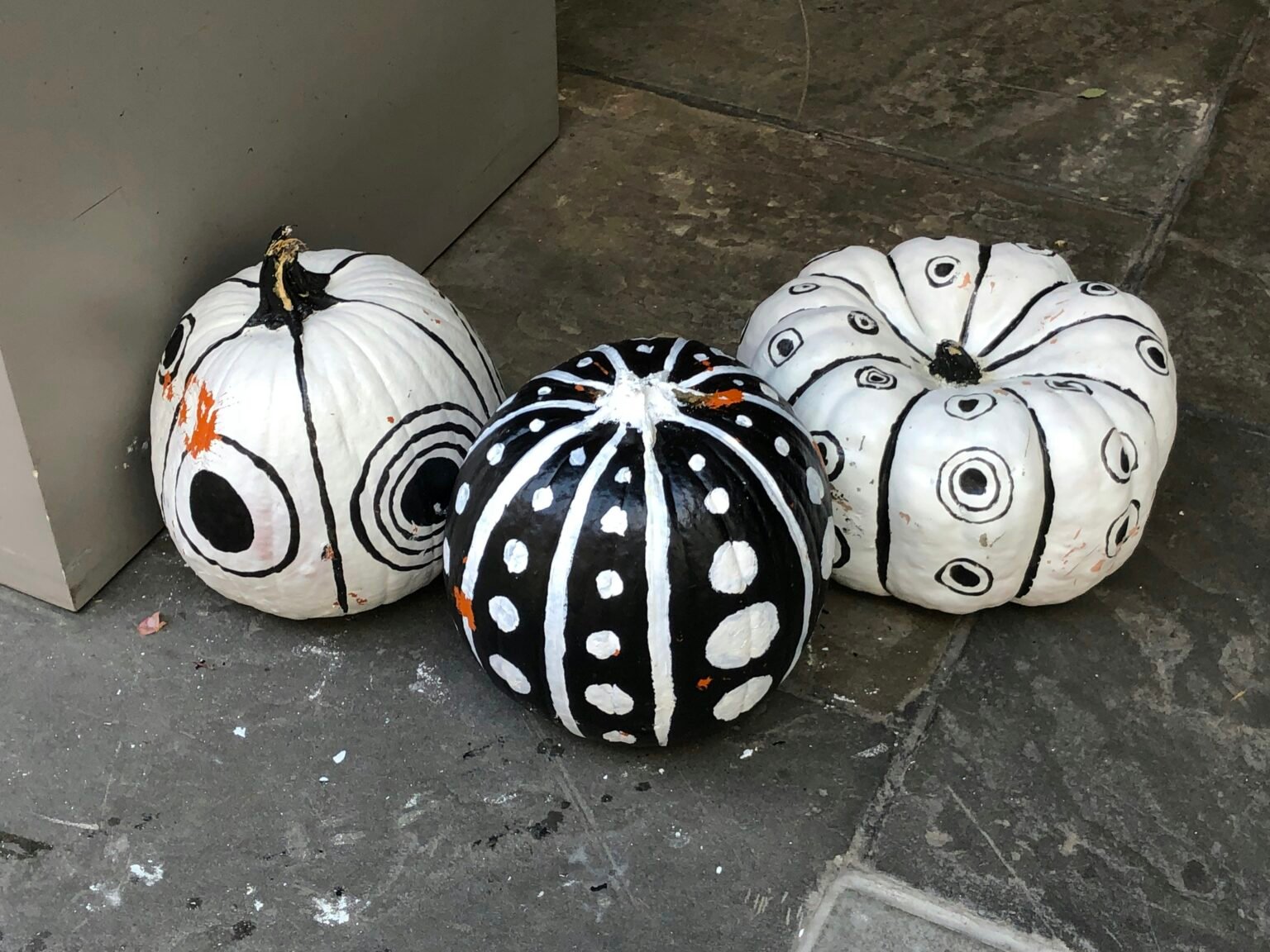

Introduction to Pumpkin Painting
Pumpkin painting has emerged as a popular creative outlet during the fall season, offering a delightful alternative to traditional carving. This engaging home improvement project allows individuals and families to express their artistic flair while transforming ordinary pumpkins into eye-catching masterpieces. As autumn approaches, the market sees a surge in interest towards pumpkin crafting, cultivating both community spirit and individual creativity.
Unlike the age-old tradition of carving faces into pumpkins, which can often lead to mess and waste, painting provides a clean and versatile medium for self-expression. From whimsical designs to intricate patterns, the possibilities are virtually limitless. Whether you are a parent looking for a fun activity with children, a DIY enthusiast wanting to enhance your seasonal decor, or an individual seeking a relaxing pastime, pumpkin painting caters to various interests and skill levels.
This blog post will delve into the best paints available for pumpkin decoration, highlighting options that enhance both aesthetic appeal and durability. Additionally, we will explore creative techniques and inspiring ideas that can elevate your pumpkin projects, encouraging readers to think outside the box and embrace this vibrant form of seasonal expression. By the end of this article, readers will be equipped with the knowledge necessary to select the ideal paint and methods for their pumpkin painting endeavors, ensuring a rewarding and enjoyable experience throughout the fall festivities.
Types of Paints Suitable for Pumpkins
When it comes to painting pumpkins, choosing the right type of paint can significantly impact the final result. Several paint options are appropriate for pumpkin painting, including acrylic paint, spray paint, and tempera paint.
Acrylic paint is one of the most popular choices for pumpkin decorating. Known for its vibrant colors and excellent adhesion, acrylic paint dries quickly and offers a durable finish, making it suitable for both indoor and outdoor displays. However, it is essential to consider that if the pumpkin is exposed to moisture, the paint may begin to peel or chip over time. Additionally, while acrylics are relatively easy to work with, they may require the use of a paintbrush, which can lead to a less uniform finish for some designs.
Spray paint is another viable option for painting pumpkins, particularly for those looking for a smooth and even coverage. This type of paint is convenient and allows for quick application, making it ideal for covering large surfaces rapidly. Furthermore, spray paint typically dries quickly and can create a sleek finish. However, it should be noted that proper ventilation is crucial when using spray paint, as inhaling fumes can be harmful. The downside is that it may be harder to control, which can lead to overspray if not applied carefully.
Lastly, tempera paint is an excellent option for children and those looking for a non-toxic solution. This type of paint is water-based and offers easy clean-up. While tempera can produce vibrant colors and works well for detailed designs, its durability is not on par with acrylic or spray paint. It tends to wash off more easily, especially in moist conditions, making it better suited for short-term decorations.
Preparing Your Pumpkins for Painting
To achieve the best results when painting pumpkins, it is essential to meticulously prepare the surface before applying any paint. The first step in this process is to clean the pumpkins, removing any dirt or debris. This can be done using a soft cloth and warm soapy water. Cleaning is crucial because any residual dirt or oils can prevent the paint from adhering properly, leading to uneven coverage or peeling.
Once the pumpkins have been cleaned, it is vital to ensure they are completely dry before moving on to the next step. Excess moisture can cause paint to bubble or not stick effectively. It is advisable to let the pumpkins air dry for several hours or gently pat them dry with a towel. This ensures that the surface is adequately prepared for paint application.
In some cases, especially if you are using certain types of paints, applying a primer can enhance the painting process. Priming the surface helps create a smooth base for the paint, improving adhesion and potentially allowing for richer color retention. While not always necessary, priming is particularly beneficial when working with porous pumpkin surfaces. Choose a primer that is compatible with your chosen paint for optimal results.
Preparing your pumpkins is a crucial step that cannot be overlooked. The cleaning and drying processes, along with the optional priming, establish a strong foundation for your painting. By ensuring the surface is clean and dry, you can significantly enhance the durability and aesthetic appeal of your painted pumpkins, thereby achieving a more polished and creative outcome.
Tips for Painting Techniques
When it comes to transforming pumpkins into vibrant canvases, various painting techniques can elevate your creative home improvement projects. Each technique offers different effects, textures, and styles, allowing you to customize your pumpkins to match seasonal aesthetics or personal preferences.
One popular method is stenciling. This technique involves using pre-made stencils to create intricate designs on your pumpkin’s surface. Begin by securing the stencil in place with tape, then use a small brush or sponge to apply paint over the cut-out areas. Choose vibrant colors to make your designs pop, and consider layering multiple stencils for a more complex look.
Sponge painting is another creative technique worth exploring. By using a natural sea sponge or a kitchen sponge, you can achieve a textured finish. Dip the sponge into your chosen paint color and dab it gently onto the pumpkin, varying the amount of paint you pick up for nuanced tones. This method is particularly effective for creating gradients or abstract patterns, making your pumpkins stand out in a unique way.
For those seeking to express their artistic flair, freehand painting is an excellent choice. Armed with high-quality acrylic paints and fine brushes, you can sketch and paint designs directly onto the pumpkin. Take your time with this technique, allowing for mistakes to happen—embracing spontaneity often leads to remarkable results. Start with lighter colors for the base layer and gradually add darker shades for depth.
Lastly, don’t forget to seal your artwork with a clear acrylic spray after your paint dries. This important step will not only enhance your design but also provide protection against the elements, helping to extend the life of your painted pumpkins. With these techniques, your creativity can flourish, resulting in beautifully painted pumpkins that are sure to impress.
Choosing the Right Colors and Patterns
When selecting the best paint for pumpkins, it is essential to consider how the colors and patterns will complement your home decor and seasonal themes. By choosing the right hues and designs, you can create visually appealing displays that enhance the festive spirit of Halloween and autumn.
Start by analyzing the predominant colors in your home. If your decor features warm tones such as reds, oranges, and browns, opt for pumpkin paints that align with these shades. Earthy colors can evoke the essence of fall and create a harmonious look within your residential space. On the other hand, if your decor adheres to cooler colors like blues or greens, consider using paints in analogous shades or complementary colors to ensure that your pumpkins stand out while still tying into the overall aesthetic.
Additionally, consider seasonal themes when selecting paint colors. For example, traditional Halloween palettes often include black, orange, and purple, while a more contemporary take may allow for softer pastels or metallics. Ultimately, the painting choices should evoke the desired atmosphere of the season—whether it be spooky or festive.
As for patterns, the options are vast. Classic designs such as polka dots, stripes, or chevrons can bring a charming touch to your pumpkins. For a modern aesthetic, consider geometric shapes or abstract designs that introduce a sleek look. Moreover, if painting with children, encourage them to express their creativity with whimsical patterns, cartoon characters, or their favorite motifs—ensuring that the process is fun and engaging for the whole family.
By thoughtfully integrating color schemes and patterns that resonate with your existing decor and seasonal aesthetics, you can enhance your home while enjoying the creative process of painting pumpkins.
Using Protective Finishes
Applying a protective finish after painting pumpkins is essential for enhancing the durability and longevity of the artwork. The colors and designs created through paint can be susceptible to environmental factors such as moisture, sunlight, and physical handling. A protective finish acts as a barrier to these elements, preventing premature fading and deterioration, thus ensuring that your painted pumpkins remain vibrant and intact throughout the season.
There are various types of sealants and sprays available that can be used specifically for painted pumpkins. These products are designed to be safe for use on surfaces like gourds and come in different formulations, including matte, satin, and glossy finishes. A popular choice among crafters is acrylic sealant, which provides a clear protective layer that enhances color depth while offering both water and UV resistance. Another option is a polyurethane spray, known for its robust protective qualities, although it may impart a more plastic-like finish.
When applying these protective finishes, it is essential to follow specific steps to achieve the best results. First, allow the paint to dry completely—typically 24 hours is recommended. Shake the can of sealant thoroughly before use, and apply it in thin, even layers. Holding the spray can about 12 inches away from the pumpkin, begin spraying in a sweeping motion, ensuring uniform coverage. It is advisable to spray outside or in a well-ventilated area to avoid inhaling fumes. Once the first layer is applied, allow it to dry, and if desired, add an additional coat for enhanced protection. This approach not only safeguards your artistic efforts but also enhances the aesthetic quality of your pumpkins, making them an eye-catching addition to your seasonal decorations.
Creative Ideas for Painted Pumpkins
As the autumn season approaches, painted pumpkins can elevate your home decor and showcase your creativity. There are various themes and designs that you can implement, allowing you to personalize your pumpkins while embodying the spirit of fall. One popular idea is to utilize seasonal motifs. For instance, consider painting pumpkins in earthy tones and adding leaf patterns or floral designs. This not only creates a cozy ambiance but also complements the natural colors of the season.
Another creative approach is to craft character designs. This can range from classic Halloween icons such as spooky ghosts and cheerful jack-o’-lanterns to beloved cartoon characters that can evoke nostalgia. Choose vibrant colors to bring these characters to life. By adding expressive eyes and whimsical features, you can create playful pumpkins that delight both children and adults alike.
For those with a more sophisticated taste, elegant finishes are an excellent choice. Painting pumpkins in muted tones such as metallic gold or silver can transform them into chic decor pieces. Adding intricate patterns such as damask or geometric shapes can enhance this elegance. You can also explore combining textures — for example, using matte paint alongside glossy finishes to create intriguing contrasts.
Don’t shy away from experimenting with different painting techniques. Stenciling can produce sharp, detailed designs, while sponging can create a soft, blended effect. You can also use various embellishments such as glitter, rhinestones, or even fabric accents for added flair. A faux marble finish or ombre effect can give your pumpkins a luxurious look that is sure to impress guests during fall gatherings.
Ultimately, the options for painted pumpkins are limitless. Whether you prefer whimsical designs, seasonal themes, or sophisticated touches, exploring these creative ideas can lead to stunning results that enhance your home decor during the autumn months.
Maintenance and Storage of Painted Pumpkins
Maintaining the vibrancy and condition of painted pumpkins extends their visual appeal beyond the Halloween season. To ensure that the colors remain vibrant and the pumpkins stay intact, it’s essential to follow some simple care techniques. First, it is advisable to apply a clear coat sealant after the paint dries completely. This creates a protective layer that helps guard against moisture and sunlight, which can cause fading and deterioration.
When caring for painted pumpkins, keep them in a cool, dry place, away from direct sunlight. Exposure to harsh environmental conditions can quickly degrade both the paint and the pumpkin’s structure. If placing your painted pumpkins outdoors, consider using a shaded area to reduce sun-related wear. Additionally, regularly dusting them with a soft cloth can remove dirt and buildup without damaging the painted surface.
Once the Halloween festivities are over, proper storage is crucial for preserving the condition of your painted pumpkins. Start by gently cleaning off any debris and ensuring the surface is dry to prevent mold growth. Ideally, a climate-controlled environment is best for storage to avoid temperature fluctuations that can lead to cracking or rotting. If possible, wrap each pumpkin in bubble wrap or soft cloth to prevent any dents or scratches during storage.
Keeping painted pumpkins in a container or a box will also protect them from dust and insects. Make sure the storage unit is well-ventilated to prevent moisture accumulation. For long-term preservation, monitor the pumpkins regularly for any signs of decay or damage and address them promptly. Following these maintenance and storage tips will help you enjoy your creative pumpkin decorations long after the Halloween season ends.
Conclusion and Encouragement to Get Creative
As we have explored, the right paint plays a significant role in transforming ordinary pumpkins into extraordinary pieces of art. With numerous paint types available, from acrylic to spray paints, the possibilities for creativity are truly endless. Each of these mediums offers unique benefits that can enhance the vibrancy, longevity, and character of your pumpkin designs. The use of paint not only beautifies your pumpkins but also allows for personal expression and experimentation.
Now that you are equipped with the necessary information about the best paint for pumpkins, it’s time to let your imagination run wild. Whether you choose to create a classic Jack-o’-lantern, a beautifully painted masterpiece, or thematic decorations for a festive gathering, the important thing is to embrace the process. Allow yourself to explore different colors, techniques, and styles, and don’t hesitate to make mistakes; sometimes those imperfections can lead to unexpected creativity.
We encourage you to share your pumpkin painting journey with others. Posting your creations on social media platforms can inspire friends and family or even attract the interest of your local community. You might also consider participating in community events that celebrate artistic expression and seasonal festivities. Engaging with others who share your passion for pumpkin painting can foster a sense of community and a mutual appreciation for this delightful fall activity.
So gather your supplies, engage in this artistic endeavor, and most importantly, have fun. The act of painting pumpkins is not just about the final product but also about the joy it brings to you and those around you. Happy painting!

