


Introduction to Banana Spiders
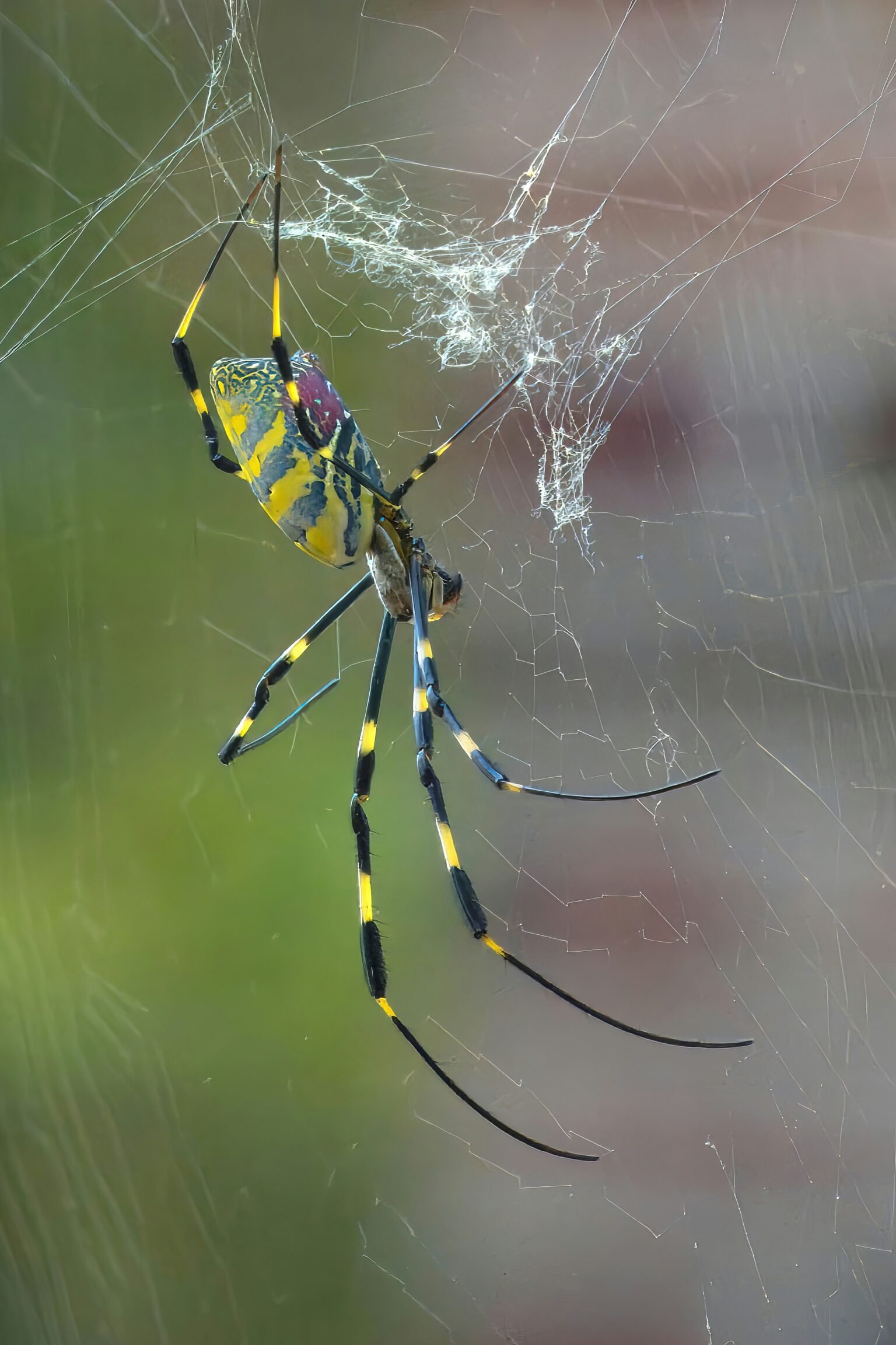
Banana spiders, scientifically known as Nephila clavipes, are large and colorful arachnids that belong to the orb-weaver family. Commonly found in tropical and subtropical regions, these spiders are often recognized by their distinctive yellow and black coloring, which can vary among individuals. Typically, banana spiders can be easily spotted due to their substantial size and intricate webs that can span several feet. Their web patterns are usually orb-shaped, providing a stark and artistic contrast against natural backdrops.
Despite their fearsome appearance, banana spiders are frequently mistaken for more venomous species, such as the black widow or brown recluse. This misconception is fueled by their size and vibrant coloration, which can elicit a fear response from those who encounter them. However, banana spiders are generally harmless to humans, with bites that resemble bee stings and typically require no medical intervention. Their venom is primarily adapted for subduing their prey, which mainly consists of insects.
Understanding banana spiders is essential for homeowners, particularly those living in regions where these arachnids are prevalent. Awareness can reduce unnecessary panic and promote coexistence. It is crucial for residents to recognize banana spiders as beneficial creatures that contribute to natural pest control, effectively minimizing insect populations around the home. Misidentification and subsequent eradication of these spiders can upset the ecological balance, resulting in an influx of common household pests.
In summary, education about banana spiders not only dispels myths surrounding their danger but also underscores their role in our ecosystems. Homeowners equipped with knowledge about these fascinating spiders are more likely to appreciate their presence rather than fear it.
Habitat and Distribution
Banana spiders, also known as golden orb-weavers (scientific name: Nephila clavipes), primarily inhabit tropical and subtropical regions across the world. These spiders are most commonly observed in areas such as Central and South America, southeastern parts of the United States including Florida, and the Caribbean. Their preference for warm, humid climates significantly influences their habitat choice, making them more prevalent in regions with these conditions.
In their natural habitats, banana spiders can be found residing in various types of vegetation, predominantly in forests, jungles, and near water bodies. These environments provide the necessary cover for their webs and a substantial supply of insects, which form their primary diet. They are particularly fond of building large, intricate webs in areas with abundant foliage, as this facilitates better prey capture and offers protection from predators.
The presence of banana spiders can vary significantly between urban and rural environments. In rural areas, where there are ample gardens and natural vegetation, these spiders thrive and are frequently encountered. Conversely, in urban settings, banana spiders might be less common due to habitat destruction and reduced exposure to suitable conditions for web construction. However, they can still be found in parks, gardens, and green spaces within cities, where they adapt to the available resources.
Banana spiders prefer specific conditions for web building. They tend to favor locations that provide support for their webs, such as shrubs, trees, or even man-made structures like fences and porches. Elevated positions are beneficial as they help in catching flying insects, their main source of sustenance. Therefore, understanding their habitat preferences can help homeowners manage spider populations while acknowledging the ecological role they play in pest control.
Physical Appearance
The banana spider, scientifically known as Nephila clavipes, exhibits several distinctive physical characteristics that make it easily recognizable. Adult banana spiders typically measure between 3 to 5 inches in total length, including their legs. Males tend to be smaller, averaging around 2 to 3 inches, while females are notably larger and can reach impressive lengths. The size variance is quite remarkable, reflecting the sexual dimorphism often seen in orb-weaving spiders.
In terms of color, the banana spider is most commonly characterized by a vibrant yellow and black pattern. The body is elongated and the cephalothorax, or the front part of the body, often displays a yellowish hue with black markings. The abdomen is typically bright yellow or gold, adorned with striking black spots or stripes that contribute to its distinctive appearance. This coloration not only helps in identification but also serves as camouflage among foliage, aiding in its survival against predators.
To accurately identify a banana spider, look for these distinctive features: the sizable body with a shiny, yellow abdomen and the unique patterning. Additionally, they possess long, lengthy legs that are often banded in black and yellow, which further adds to their recognition factor. While there are other spiders, such as the black widow, that may share similar shapes, the banana spider’s distinctive coloration and large size are differentiating factors. Observing these spiders in their natural habitat can be fascinating, but it is advisable to maintain a respectful distance, especially due to their potential for defensive behavior.
Behavior and Life Cycle
The behavior of banana spiders, also known as golden orb-weavers, is fascinating and complex. These spiders are primarily known for their distinctive and intricate webs, which they expertly construct to catch prey. The silk used in web-building is exceptionally strong and can stretch significantly, allowing the spider to trap larger insects. Banana spiders typically prefer to build their webs in sheltered areas, such as gardens, woodland edges, or even under the eaves of homes, where they can capitalize on the abundance of insects in the environment.
In terms of hunting, banana spiders are patient predators that wait for unsuspecting insects to become entangled in their webs. Once prey is caught, the spider quickly immobilizes it using venom, which both paralyzes and pre-digests the prey, making it easier to consume. This strategy not only conserves energy but also ensures successful feeding.
The life cycle of a banana spider consists of several distinct stages: egg, juvenile, and adult. Female banana spiders lay egg sacs that can contain hundreds of eggs, which are often hidden in the foliage to protect them from predators. After a few weeks, the eggs hatch into spiderlings. These juvenile spiders undergo a series of molts as they grow, gradually developing into adults. The time it takes to reach maturity can vary based on environmental factors such as temperature, food availability, and moisture levels.
The lifespan of banana spiders is typically between one to two years, with females generally living longer than males. Reproduction heavily influences their life cycle, as males often die shortly after mating. Thus, while banana spiders are not long-lived, their ability to produce numerous offspring ensures their survival in various habitats.
Venom and Bite Symptoms
The banana spider, often recognized for its distinctive yellow and black coloration, possesses venom that is primarily designed to subdue its prey rather than pose a significant threat to humans. These spiders are generally classified as non-aggressive, and their bites are uncommon. Although the bite of a banana spider can be painful, it is important to note that their venom is not considered deadly to humans. Most individuals will experience mild symptoms, similar to those of a bee sting.
In the event of a banana spider bite, one may encounter localized pain, swelling, and redness in the affected area. These symptoms usually resolve within a few hours and do not require medical attention. However, it is crucial to remain observant of any unusual reactions. If symptoms escalate to include difficulty breathing, chest pain, or severe swelling, seeking immediate medical help is advisable, as these may indicate an allergic reaction or secondary infection.
For homeowners concerned about banana spiders, precautions can be implemented to minimize encounters. Keeping spaces tidy and free of clutter is essential, as these spiders tend to hide in dense vegetation and corners. If you do find a banana spider in your home, it is recommended to capture it gently and relocate it outdoors rather than attempting to kill it. This approach is beneficial for both the homeowner and the spider, as it helps maintain the ecological balance and keeps unwanted pests in check.
Benefits of Banana Spiders
Banana spiders, also known as golden orb-weavers, possess numerous advantages that can positively influence both your home and garden environment. One of their primary benefits lies in their exceptional abilities as natural pest controllers. These spiders construct large, intricate webs that effectively capture various pests, including flies, mosquitoes, and other small insects. By keeping these populations in check, banana spiders contribute significantly to the overall health and balance of local ecosystems.
In addition to managing pest populations, banana spiders also play a vital role in the food web. As predators, they help regulate the abundance of their prey species, thereby supporting a dynamic and balanced ecosystem. This predation is crucial, particularly in gardens and landscapes, as it minimizes the need for chemical insecticides. Homeowners who embrace a more ecological approach to pest management may find that letting banana spiders thrive in their landscapes can lead to healthier plants and reduced agricultural harm.
Moreover, the presence of banana spiders can serve as an indicator of environmental health. When these spiders are present, it often indicates a diverse and stable ecosystem, as they require a rich habitat full of various insects for survival. By inviting these creators into your garden, you not only benefit from their pest control abilities but also contribute to the overall biodiversity in your area.
Ultimately, incorporating banana spiders into your garden can create a harmonious living space that minimizes ecological disturbances caused by common pest control methods. They exemplify nature’s ability to maintain balance as long as humans allow them to flourish. Acknowledging their presence as beneficial rather than threatening can lead to a more mutually beneficial coexistence, fostering environmental resilience and sustainability.
Common Misconceptions
Banana spiders, often associated with their vibrant coloration and notorious reputation, are frequently misunderstood. One of the most prevalent misconceptions is that they are highly dangerous to humans. While it is true that these spiders possess venom, their bites are generally not fatal. The majority of interactions between banana spiders and humans result in little more than mild irritation, similar to a bee sting. It is important to note that banana spiders would rather avoid humans than engage with them.
Moreover, the fear surrounding banana spiders is often fueled by misinformation regarding their size and appearance. The large, brightly colored body can evoke fear, leading many to assume that they are aggressive. In reality, banana spiders are relatively shy and prefer to retreat into their web or hide when confronted. They typically only bite in self-defense, such as when they feel threatened or cornered.
Another common myth involves the potential danger these spiders pose to pets. Many pet owners worry that a banana spider bite could harm their cats or dogs. While pet bites can indeed occur, they are quite rare, and similar to human bites, the effects are usually minor. It’s vital for pet owners to educate themselves about the natural behavior of banana spiders, understanding that these arachnids pose little to no risk and typically coexist peacefully in their environment.
There is also a notion that banana spiders are part of a larger trend of dangerous spiders overrunning homes. This exaggeration overlooks the ecological role these spiders play in pest control by preying on various insects. Recognizing the truth about banana spiders can help alleviate unnecessary fears and encourage a more balanced coexistence with nature within our living spaces.
Prevention and Control Measures
To prevent banana spiders from entering your home, homeowners can adopt a variety of simple yet effective strategies. First and foremost, it is essential to maintain clean surroundings both indoors and outdoors. Regularly sweeping up debris, fallen leaves, and garden waste can significantly reduce the habitats that attract banana spiders and their prey.
Another effective measure is to seal cracks and gaps around windows, doors, and the foundation of your home. These small openings can serve as entry points for pests, including banana spiders. Utilizing weatherstripping on doors and windows can further enhance your home’s defenses against these spiders.
In addition to structural prevention, natural deterrents can be beneficial. Many homeowners have found success using essential oils such as peppermint, tea tree, or citrus. Dilute these oils in water and spray the mixture around potential entry points. The strong scent is not only pleasant for humans but also acts as a natural repellent for spiders.
Should the banana spider population become problematic, it is advisable to implement safe control measures. Using a vacuum cleaner can quickly and effectively remove spiders without causing harm. For those who prefer a chemical-free approach, sticky traps can be placed in strategic locations to capture spiders as they traverse your home.
For homeowners uncomfortable with direct handling, it may be prudent to contact pest control professionals. They have the expertise to handle infestations while ensuring the safety of your household and the environment. Through these measures, maintaining a banana spider-free home is entirely achievable.
Conclusion and Final Thoughts
Understanding banana spiders is essential for homeowners who seek to create a harmonious living environment. These arachnids, often misunderstood, play a crucial role in our ecosystem by controlling pest populations and maintaining the balance of nature. By familiarizing ourselves with banana spider facts, we can alleviate any unnecessary fears associated with their presence indoors or in our gardens.
Knowledge about banana spiders equips homeowners with the ability to identify them correctly, distinguishing these benign creatures from harmful species. This awareness fosters a sense of respect towards such beneficial organisms, emphasizing their significance in the ecological chain. Given their dietary habits, they effectively manage insect populations, which can potentially protect homes from pest invasions.
Moreover, understanding the behavior and habitats of banana spiders allows homeowners to coexist with them peacefully, minimizing the need for extermination or removal. Acknowledging these arachnids’ natural contributions encourages a more positive outlook towards their presence. With the right approach, homeowners can learn to appreciate these fascinating creatures rather than fear them.
Ultimately, recognizing the importance of banana spiders and their role in our environment promotes a sustainable coexistence. By fostering a respectful attitude towards all living beings, including banana spiders, we can enhance our understanding of biodiversity and the delicate balance of ecosystems. In turn, this respect for nature can lead to healthier living spaces for both humans and wildlife alike.

