

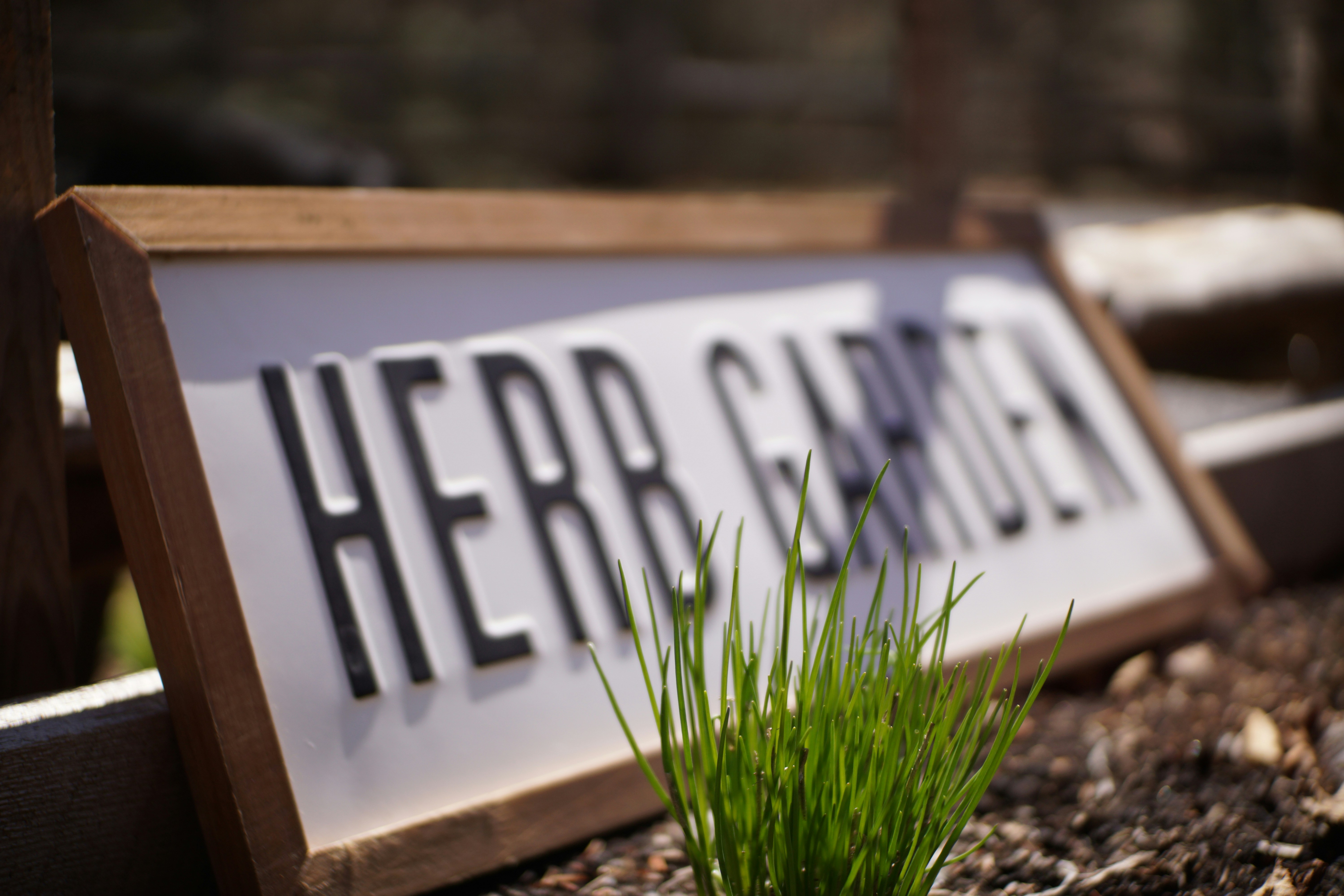

Introduction: Why Grow an Herb Garden?
Creating an herb garden in your backyard is not just a decorative endeavor; it offers numerous benefits that can enrich your culinary experiences and enhance your outdoor space. Growing herbs allows you to cultivate fresh flavors and aromas that can elevate any dish, providing a significant enhancement to your cooking. Imagine snipping fresh basil for your pasta or sprinkling parsley on your salad, all grown just steps away from your kitchen. This accessibility to fresh ingredients can instill a sense of joy and satisfaction, making your meals not only tastier but also more healthful.
Beyond enhancing flavors, an herb garden contributes to the overall aesthetics of your outdoor living space. Vibrant green foliage, coupled with the occasional burst of colorful flowers, can transform a mundane area into a visually appealing sanctuary. Additionally, herbs such as lavender and sage attract pollinators, adding life and vibrancy to your garden. This natural beauty encourages more time spent outdoors, fostering connections with nature and promoting relaxation and well-being.
From a practical standpoint, growing your own herbs can lead to significant cost savings. Fresh herbs can be expensive, especially when purchased from grocery stores, and often come pre-packaged with more than you need. By cultivating your own, you not only save money but also reduce your environmental footprint by minimizing plastic waste associated with packaging. Moreover, many herbs are resilient and easy to grow, making them suitable for both novice and experienced gardeners alike.
In sum, establishing a backyard herb garden is a rewarding investment in your culinary and aesthetic life. Whether for the convenience of fresh flavors, the beauty it adds to your garden, or the cost savings it provides, the benefits are numerous, encouraging many to embark on this fulfilling gardening journey.
Choosing the Right Location
When establishing a productive backyard herb garden, one of the most critical steps is selecting the right location. The success of your herbs largely depends on their environment, so careful consideration of various factors is essential.
Herbs generally thrive in areas that receive ample sunlight, typically requiring at least six hours of direct sunlight each day. Therefore, assess your yard for spots that are well-lit throughout the daylight hours. An ideal position could be near a south-facing wall or fence, where herbs can bask in sunlight and create a microclimate that is both warm and conducive to growth. Certain herbs, such as basil and rosemary, benefit from this exposure, while others, like mint and parsley, can tolerate partial shade.
In addition to sunlight, accessibility cannot be overlooked. Ideally, your chosen location should be near the kitchen, allowing for convenient harvesting during meal preparation. Placing your herb garden close to your cooking area will encourage regular use and maintenance, contributing to overall productivity. Consider raised beds or pots placed on outdoor patios or decks for easier access. This option can be particularly advantageous for individuals with limited mobility or those who prefer a more structured gardening approach.
Furthermore, it is imperative to ensure that the site has well-draining soil. Standing water can hinder the growth of herbs and promote diseases. Opt for locations that are elevated or amended with organic matter to improve drainage. Additionally, observe any wind patterns in your garden, as strong winds can damage delicate herbs, so make provisions to shield them, if necessary. By taking these factors into account, you can create the perfect conditions for a thriving backyard herb garden.
Preparing the Soil
Preparing the soil is a crucial first step in establishing a productive backyard herb garden. The type of soil you choose can greatly influence the growth and health of your herbs. Ideally, herbs thrive best in well-draining, loamy soil that has a good balance of sand, silt, and clay. If your existing soil is heavy with clay or overly sandy, consider amending it to create a more suitable growing environment for your herbs.
Good drainage is essential to prevent root rot, which can be detrimental to herb plants. To ensure your garden beds drain adequately, consider raised beds or adding organic matter such as compost or well-rotted manure to your soil. This not only improves drainage but also enriches the soil with essential nutrients, promoting robust growth.
Before planting, it is advisable to test the soil quality to determine its nutrient content and pH level. Soil testing kits are widely available at gardening centers or online, providing insights into your soil’s composition. For most herb varieties, a slightly acidic to neutral pH level of around 6.0 to 7.0 is ideal. If your test reveals that the pH is too low (acidic), you can add lime to raise it. Conversely, if it’s too high (alkaline), sulfur is a common amendment to lower the pH.
Enriching your soil with organic materials, like compost, not only improves fertility but also boosts microbial activity, which is beneficial for healthy herb growth. Mixing in these organic amendments thoroughly will ensure that all parts of the soil are nutrient-rich. By taking these steps to prepare the soil, you can create an optimal growing environment that supports healthy herb plants throughout the gardening season.
Choosing the Right Herbs
When embarking on the journey of creating a backyard herb garden, selecting the right herbs is essential for both novice and experienced gardeners. Certain herbs offer incredible versatility in culinary applications while being notably easy to grow. As you consider which herbs to incorporate into your garden, a few suggestions can help streamline the decision-making process.
Basil is a popular choice for beginners due to its fast growth and resilience. It thrives in warm weather and is best planted in full sunlight. Basil can be used in numerous dishes, notably in Italian cuisine, where it serves as a key ingredient in pesto and tomato sauces. Regular harvesting encourages bushier growth, making it a rewarding herb for any garden.
Another excellent option is rosemary, which not only adds aroma to your garden but also enhances various dishes with its distinct flavor. Rosemary is quite hardy and requires well-draining soil, making it suitable for beginners. It flourishes in sunny locations and can be used to season meats, vegetables, and even added to baked goods for an aromatic twist.
If you are seeking something refreshing, mint is a great addition. This herb grows well under a variety of conditions and is often considered one of the easiest to cultivate. Peppermint and spearmint can both be used in beverages, desserts, or savory dishes. Gardeners should note that mint can spread quickly, so planting it in pots or confined spaces may be advisable to control its growth.
Lastly, thyme is an excellent choice, known for its hardiness and minimal care requirements. It can flourish in poor soil and adapts well to various climates. Thyme pairs wonderfully with meats and vegetables and adds depth to soups and stews. Whether you select basil, rosemary, mint, or thyme, each herb brings unique flavors and benefits to your cooking and can contribute significantly to the success of your backyard herb garden.
Planting Techniques
Creating a productive backyard herb garden begins with understanding effective planting techniques. The proper spacing, depth, and choice between starting from seeds or seedlings play a crucial role in the development of herbs. Each herb has specific requirements, so familiarizing yourself with these is essential.
When it comes to spacing, herbs such as basil and cilantro thrive with a spacing of about 12 inches apart, while larger herbs like rosemary may need at least 24 inches. This spacing ensures adequate air circulation and sunlight exposure to each plant, reducing the risk of mold and diseases. Additionally, overcrowded plants may compete for nutrients, leading to stunted growth.
The planting depth should generally follow the guidance on seed packets. For most herbs, seeds should be sown at a depth of about 1/4 to 1/2 inch, while seedlings should be planted at the same depth they were growing in their nursery containers. A gentle tapering of the soil around the seedlings will ensure stability as they grow.
Choosing whether to start your herb garden from seeds or seedlings can depend greatly on personal preference and the time available. Seeds can be sown directly in the garden during the right season. For example, warm-weather herbs like basil and dill are best sown in spring, while some hardy varieties, such as parsley, can be sown in early spring or late summer. Conversely, purchasing seedlings can provide a head start. This option is especially beneficial for beginners, as it allows for immediate harvesting, often within a few weeks.
In conclusion, using proper planting techniques—focusing on spacing, depth, and the choice between seeds or seedlings—can significantly impact the success of your herb garden. Ensuring you follow seasonal recommendations will further support healthy and productive growth.
Watering and Maintenance Tips
Proper watering is paramount for the health of a backyard herb garden. Most herbs prefer well-draining soil, so it is essential to develop a consistent watering schedule. Generally, herbs require about an inch of water per week, though this may vary based on weather conditions and the soil type. Mornings are the ideal time for watering, as this allows moisture to reach the roots effectively before the sun’s heat evaporates it.
Identifying signs of overwatering or underwatering is crucial for maintaining the vitality of your herbs. Overwatered plants may show yellowing leaves, a mushy stem, or root rot. On the other hand, underwatering can lead to wilting leaves, dry soil, and stunted growth. Regularly checking the soil moisture by inserting a finger about an inch deep can help you gauge when to water.
In addition to careful watering, the use of mulch in your herb garden can significantly aid in moisture retention. Organic mulches such as wood chips, straw, or grass clippings not only help keep the soil moist but also prevent weeds from competing for nutrients. This is particularly helpful during warmer months when evaporation rates are higher.
Along with watering, routine maintenance tasks like weeding and pruning are essential. Weeding should be done regularly to prevent unwanted competitive growth that can sap your herbs of vital nutrients. Pruning herbs, especially during their active growing season, encourages bushier growth and ensures the plants do not become leggy. Always prune above a leaf node to promote healthy regrowth.
By adhering to these watering and maintenance tips, you can cultivate a thriving backyard herb garden that provides fresh, flavorful herbs for culinary use.
Pest Control and Disease Prevention
Maintaining a productive backyard herb garden requires careful attention to pests and diseases that can compromise plant health. Common pests such as aphids, spider mites, and whiteflies can significantly affect the growth and vitality of herbs. Additionally, diseases like powdery mildew and root rot can arise, particularly in poorly drained soils or humid environments. Understanding these threats is crucial for gardeners who wish to cultivate healthy herbs.
One effective method of pest management is organic pest control, which emphasizes natural solutions over chemical pesticides. Companion planting, for example, involves growing different herbs together to deter pests. For instance, mint can help repel aphids, and basil can thwart whiteflies. By strategically placing certain plants within your garden, you can create a natural pest deterrent.
Another valuable strategy is to attract beneficial insects, such as ladybugs and lacewings, which prey on harmful pests. Planting flowers like marigolds or dill can serve this purpose effectively. Furthermore, regular maintenance practices, such as removing dead leaves and weeds, can minimize habitats for pests and diseases. Keeping herbs well-watered but not overwatered is vital, as this helps prevent root rot and other moisture-related issues.
Additionally, monitoring plants regularly for any signs of distress allows for early detection of issues. If pests are spotted, hand-picking or using insecticidal soap can be an immediate response. Moreover, ensuring proper air circulation by spacing plants appropriately can help prevent fungal diseases, which thrive in damp conditions. By integrating these pest control and disease prevention practices, gardeners can create a robust environment that supports vibrant and productive herb growth.
Harvesting and Using Your Herbs
Harvesting herbs at the right time is crucial to ensure the best flavor and potency. Generally, the best time to harvest is in the morning after the dew has evaporated but before the sun reaches its peak, as this is when the essential oils are most concentrated. Begin by snipping off the top leaves and the flowering stems, as these parts contain the most flavor. For most herbs, it is advisable to remove no more than one-third of the plant at a time, allowing for continued growth.
Proper techniques for cutting herbs can greatly impact their quality. Use sharp, clean scissors or garden shears to avoid tearing the plant. Make clean cuts just above a leaf node, which will promote further growth. Avoid harvesting herbs that are flowering, as this can alter their taste. When harvesting annual herbs such as basil, parsley, or cilantro, aim to encourage bushier growth by consistently trimming back the tops.
Once you have harvested your herbs, it’s essential to store them properly to maintain their freshness. For short-term storage, place cut herbs in a glass of water, like a bouquet, and cover them with a plastic bag. Alternatively, wrap them in a damp paper towel and store them in the refrigerator. For long-term use, consider preserving techniques such as drying or freezing herbs. To dry, hang small bunches upside down in a cool, dark place with good airflow. Freezing is also effective; simply chop the herbs and mix them with water or oil in an ice cube tray for easy storage.
Fresh herbs can elevate any dish, lending depth and flavor. Incorporate them into salads, sauces, or as garnishes on a variety of meals. The versatility of herbs allows for countless culinary applications, enabling you to enjoy the fruits of your labor throughout the year.
Conclusion: Enjoying the Fruits of Your Labor
Maintaining a backyard herb garden offers numerous benefits that extend beyond mere aesthetics. Engaging in this rewarding hobby allows individuals to cultivate a sense of accomplishment while enhancing their culinary experiences at home. Fresh herbs, packed with flavor and nutritional benefits, can elevate everyday meals, making a noticeable difference in taste and quality.
One of the most immediate rewards of having your own herb garden is the accessibility of fresh ingredients at your fingertips. Recipes come alive with the addition of freshly picked basil, rosemary, or cilantro. These flavor-enhancing herbs can transform simple dishes into gourmet meals, providing both satisfaction and excitement during cooking. Moreover, using home-grown herbs encourages healthier eating habits, as they inspire creativity in the kitchen, making it easier to incorporate a variety of flavors in daily meals.
Beyond culinary delights, maintaining a backyard herb garden contributes to well-being and mental health. Gardening serves as a therapeutic activity, allowing individuals to connect with nature and find peace in their surroundings. As you tend to your plants, observe their growth, and eventually harvest your home-grown herbs, a sense of fulfillment often accompanies the process. The long-term benefits of gardening—such as improved mental clarity, reduced stress, and the physical activity involved—enhance overall quality of life.
Ultimately, the journey of cultivating an herb garden is as enriching as the rewards it yields. As you enjoy the fruits of your labor, remember that every time you use your home-grown herbs in a meal, you are not just enhancing flavor, but also nourishing your body and spirit. Embrace the experience, and let your backyard herb garden flourish into a source of joy and sustenance.

