

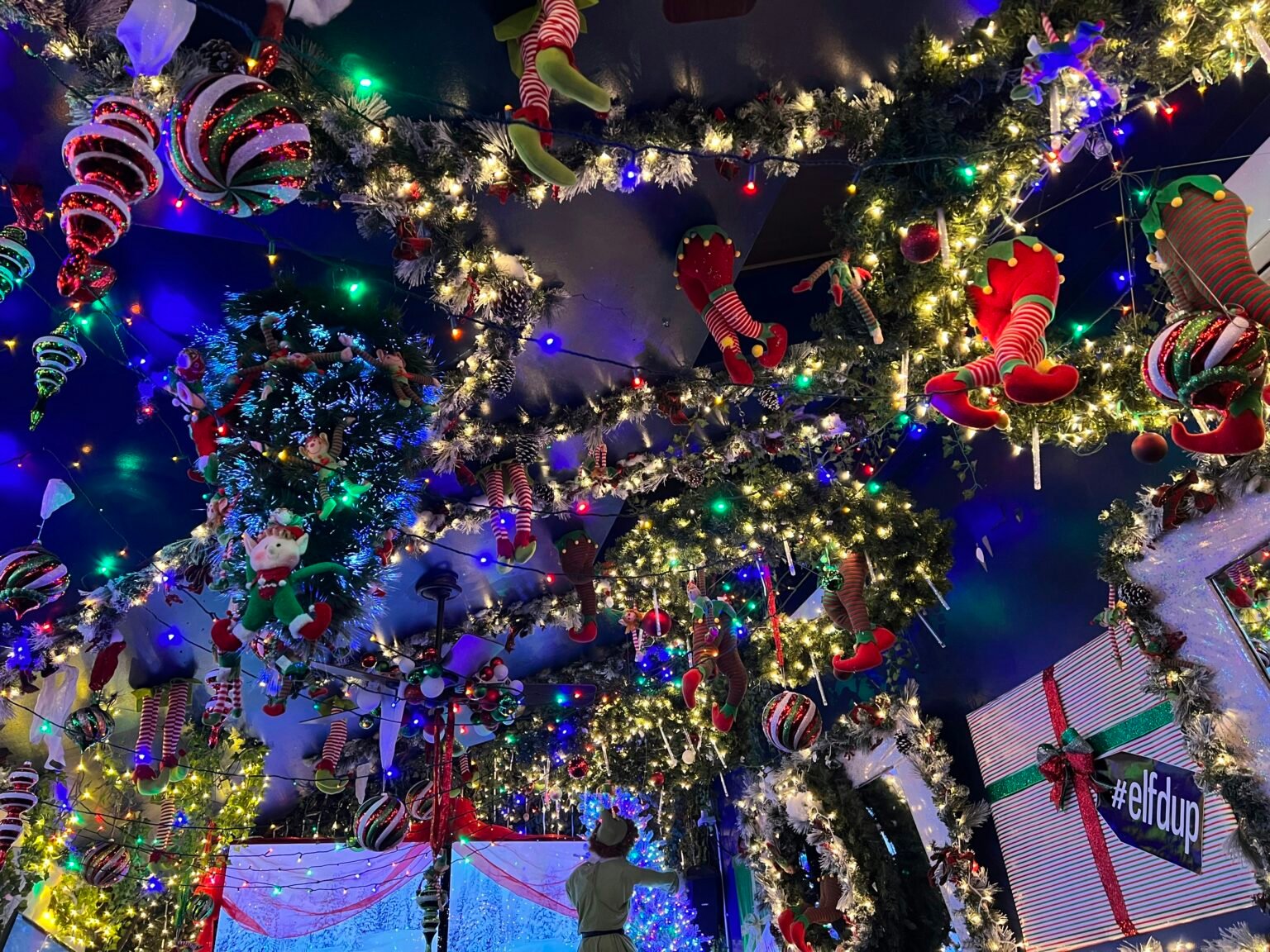

Introduction to Elf on the Shelf
The Elf on the Shelf is a unique holiday tradition that has captured the hearts of families around the world. The concept was introduced through a children’s picture book authored by Carol Aebersold and her daughter Chanda Bell in 2005. According to the story, these elves are magical scout companions sent from the North Pole to observe children’s behavior during the Christmas season. Each night, the elf flies back to Santa Claus and reports on whether the children have been naughty or nice, reappearing in a different location each morning. This element of surprise adds an exciting layer of fun to daily routines for children as they search for their elf’s new hiding spot.
Over the years, the Elf on the Shelf has become more than just a book; it has evolved into a beloved holiday custom for many families. The tradition typically begins at the start of Advent, with families naming their elf and explaining its purpose. The excitement builds as children eagerly await their elf’s arrival, enhancing their Christmas spirit. The presence of the elf fosters anticipation and joy, helping to create a magical atmosphere throughout the holiday season.
This whimsical elf not only serves as a tool for promoting good behavior, but it also encourages creativity and storytelling among children. Families often engage in imaginative scenarios and playful antics, positioning the elf in humorous or adventurous settings, thereby creating memorable moments during the holiday season. As a result, the Elf on the Shelf has truly become a cherished part of Christmas traditions, bringing families together and instilling a sense of wonder in children each morning as they discover what their elf has been up to while they slept.
Why Elf on the Shelf is Engaging
The Elf on the Shelf concept captivates children by weaving a narrative of magic, surprise, and creativity. This engaging tradition introduces children to the idea of a whimsical scout sent from the North Pole to observe their behavior in the lead-up to Christmas. The very notion that an elf is watching their actions and reporting back to Santa Claus fosters a sense of intrigue and anticipation.
Central to the Elf on the Shelf experience is the daily reveal of the elf’s new position, often accompanied by playful antics. Each morning, children rush to find where the elf has moved overnight, which sparks joy and excitement. This element of surprise transforms the ordinary routine of getting up in the morning into a delightful adventure. As the season unfolds, many parents become increasingly creative, incorporating the elf into various scenarios that are not only imaginative but also often humorous.
Furthermore, the theme of creativity is paramount in maintaining the engaging nature of this holiday tradition. As children see their elf participating in various activities, from mischief to holiday crafts, they are encouraged to use their imaginations. This fosters an environment where creativity thrives, as children may develop their own stories or scenarios for the elf, further enhancing their involvement. The combination of creativity and the magical belief in Santa encourages children to engage with the tradition in a dynamic manner.
Moreover, the collaborative spirit with family members also plays a vital role in the elf’s appeal. Parents and children often work together to set up the elf’s antics for the next day, making it an interactive experience that strengthens family bonds. The excitement generated from this tradition visits beyond mere fun; it cultivates a deeper connection between the holiday festivities and family interactions. In summary, the combination of magic, surprise, creativity, and family involvement makes the Elf on the Shelf an enduring and beloved holiday tradition among children.
Tips for Starting Your Elf on the Shelf Tradition
The Elf on the Shelf tradition has become a beloved practice for many families during the holiday season. If you’re new to this enchanting custom, here are some practical tips to help you navigate the delightful experience. First, selecting the right elf is essential. Consider picking an elf that resonates with your family’s style; options vary from traditional designs to more whimsical ones. The choice of your elf can enhance your children’s excitement and make the encounters even more special.
Once you have chosen your elf, it is crucial to establish clear rules regarding the elf’s behavior. Explain to your children that the elf’s primary role is to observe and report back to Santa. This understanding can create anticipation and a sense of responsibility in children. It might be helpful to outline specific behaviors, such as no touching the elf or talking to it directly, as it may lose its magical powers if disturbed.
Preparation for the elf’s arrival can also add to the fun. Engage your children by involving them in creating an elf welcome home party. Consider baking festive cookies or crafting decorations that your elf can enjoy. This kind of preparation sets the tone for a magical experience and helps children understand the excitement surrounding your new family tradition.
Lastly, maintaining the excitement throughout the month requires creativity and planning. Interchangeably integrate various themes and activities that your elf can partake in each night, surprising your children each morning. The anticipation builds with these nightly encounters, making the Elf on the Shelf a cherished aspect of your holiday celebrations.
25 Fun and Easy Ideas
Creating delightful Elf on the Shelf moments for children is a wonderful way to embrace the festive spirit. Here, we present a list of 25 whimsical and easy Elf on the Shelf ideas that will spark creativity and laughter in your household.
1. Snowball Fight: Set up mini marshmallows as “snowballs” and position your elf in the midst of the action, creating a fun snowy scene.
2. Cookie Thief: Place your elf next to an empty cookie jar to imply that he snuck in during the night for a tasty treat.
3. Portrait Gallery: Create miniature artwork and hang it around the elf to mimic a gallery opening.
4. Bath Time: Find a small bowl and fill it with water, placing your elf in a bathtub setup with rubber ducks and bath toys.
5. Toilet Paper Roll: Let your elf roll down a staircase, unspooling toilet paper behind him to create a messy yet fun sight.
6. Movie Night: Set the elf up with some popcorn and a small tablet, creating a cozy watching spot for your favorite holiday films.
7. Zip Line Adventure: Use string to create a zip line for your elf to slide between two locations in your home.
8. Gift Maker: Position your elf working with wrapping paper, scissors, and bows, suggesting he’s busy preparing gifts.
9. Pancake Party: Place your elf alongside small toy pancakes and syrup, giving the impression that he hosted a breakfast bash.
10. Hide and Seek: Find a clever spot for your elf to hide within the Christmas tree, making it an exciting game for kids each morning.
11. Reading Elf: Showcase your elf perched on a stack of holiday books, promoting the joy of seasonal stories.
12. Magic Potions: Set your elf near colorful liquids in small jars, implying a magical potion-making session!
13. Dress-Up Day: Outfitting the elf with doll clothes or accessories can lead to lots of laughs as children discover his new look.
14. Elf Olympics: Create a mini obstacle course and have your elf participate in “Elf Olympics” games.
15. Gamer Elf: Set up a video game session with toy gaming consoles and game controllers for an entertaining scene.
16. Nutcracker Ballet: Position your elf among nutcrackers and use a little creativity to stage a dance.
17. Present Stacking: Arrange small gifts for your elf to “stack” and watch their balance skills.
18. Mailroom Elf: Create a mini mailbox and have your elf collect letters for Santa.
19. Cooking Class: Place your elf next to toy cooking utensils, indicating a culinary lesson having taken place.
20. Decoy Elf: Encourage laughter by setting your elf next to toy soldiers to confuse children who come to find him.
21. Jingle Bells: Put your elf in a band with tiny musical instruments, fostering a festive musical atmosphere.
22. Elf Yoga: Set your elf in various yoga poses, promoting health and wellness during the holiday season.
23. Messy Chef: Make a mess of flour and sugar around your elf’s area to indicate a baking experiment that went awry.
24. Reindeer Games: Incorporate toy reindeer around your elf to create a charming winter wonderland scene.
25. Family Photo: Have your elf pose with family photos for a meaningful and connection-driven setup.
These ideas not only bring a smile but also encourage families to embrace the joy of the season while engaging in playful activities together. The simplicity of these placements ensures that parents can quickly set these delightful arrangements, making the Elf’s antics a cherished morning tradition.
Involving Kids in the Elf on the Shelf Activities
Engaging children in the planning and execution of Elf on the Shelf activities can significantly enhance their enjoyment and creativity during the holiday season. By allowing kids to contribute their own ideas, families can create a personalized experience that resonates deeply with the spirit of Christmas. One effective strategy is to host a brainstorming session ahead of the Elf’s arrival. Gather the family and encourage each child to share their thoughts on how the Elf should behave, where he or she should appear, and what fun surprises to unveil each morning.
For instance, setting up a festive craft day can inspire children to design accessories for the Elf or create little notes that the Elf might ‘write’ to them. If children feel that they have a stake in the Elf’s activities, they may approach the experience with much more enthusiasm. This can be as simple as letting them choose the Elf’s name or deciding the setting for a particular day’s antics. This collaborative effort fosters a sense of ownership, making the tradition even more meaningful.
Additionally, parents can motivate creativity through themed days based on winter festivals, seasonal activities, or literary themes. For example, children may select a favorite holiday story, and the Elf can enact scenes from that narrative. This not only makes the experience richer but also encourages imaginative play and storytelling skills. A suggestion box might also be introduced, where kids can submit their ideas anonymously if they feel shy about sharing them openly.
Ultimately, involving kids in the Elf on the Shelf activities allows them to express their creativity, leading to unforgettable memories and heartfelt moments that will resonate long after the holiday season is over. Such collaborative experiences lay the groundwork for sharing joy, laughter, and a deeper connection among family members.
Safety and Sensitivity Considerations
When introducing the Elf on the Shelf tradition to children, it is paramount to prioritize their emotional well-being and safety. This beloved holiday activity can quickly transform into a source of anxiety if not approached carefully. For younger children, the concept of a watchful elf might induce worry about their behavior being monitored. Thus, it is essential to frame the elf as a fun and whimsical character, rather than a judgmental figure.
Choose a suitable time to introduce the elf, ideally when children are more receptive to new ideas. Discuss with them the positive aspects of the tradition, emphasizing the elf’s fun role in helping Santa Claus and spreading the joy of the season. Encouraging imaginative play around the elf can help mitigate any fears or concerns that may arise. Additionally, ensure that the elf’s antics are playful and light-hearted to promote positive associations rather than anxiety-driven ones.
Moreover, parents should remain vigilant about safety considerations associated with the elf’s placement. Avoid locations that might pose a risk of injury, while creatively incorporating the elf into safe environments. Refrain from using high ledges or precarious spots where children might feel compelled to reach for the elf, resulting in potential accidents.
Importantly, it is crucial to respect and be sensitive to each child’s individual temperament. Some children may find the idea of an elf in their home daunting or confusing. In such instances, parents might opt to modify the tradition to suit their child’s comfort level, perhaps limiting the elf’s presence or ensuring the elf behaves in a nurturing manner. Ultimately, the goal is to foster a joyful atmosphere where the Elf on the Shelf can contribute to the season’s magic without evoking fear or distress.
Expert Tips for Busy Parents
Integrating the Elf on the Shelf tradition into your family’s holiday routine can be a delightful experience, but for busy parents, it can also become overwhelming. To make this magical time easier, consider these expert tips for managing daily elf activities without adding more stress to your schedule.
First, plan ahead. Dedicate an evening to brainstorm a list of creative ideas for how your elf can surprise your children each day. Write these ideas down in a planner or a designated notebook. This way, you’ll have a go-to resource at your fingertips, preventing last-minute scrambling. Aim for a mix of simple and elaborate setups to balance your time commitments throughout the month of December.
Second, keep it simple. Choose activities that require minimal setup or that involve items you already have at home. For instance, placing the elf in the middle of the kitchen table holding a note can be a quick and effective way to create a magical moment without extensive preparation. You can also reuse previous ideas or incorporate the same setup again, possibly with a slight twist, to save time.
Another practical strategy is to involve your children in the process. Encourage them to help come up with ideas or even participate in setting up the elf, transforming the whole experience into a family bonding activity. This not only reduces your workload but also enhances the magic of the tradition by including your children in the joy of anticipation.
Lastly, consider utilizing technology. Set reminders or use calendar apps to notify you when it’s time to move the elf or set up a new activity. Automating your reminders can alleviate the mental load of constantly remembering this additional responsibility.
By following these tips, you can enjoy the enchanting Elf on the Shelf tradition without feeling overwhelmed, making the season memorable for both you and your children.
Sharing Your Elf on the Shelf Moments
As the holiday season approaches, families across the globe embrace the delightful tradition of the Elf on the Shelf. This whimsical character offers not only a unique way to engage children but also creates precious moments that families often cherish. One of the most enjoyable aspects of this tradition is sharing those special Elf on the Shelf moments with others. Social media platforms such as Instagram, Facebook, and Twitter are buzzing with pictures and stories of elves participating in creative and hilarious antics. By sharing these moments, families can foster a sense of community and connection that transcends distances.
Sharing stories and images of your Elf on the Shelf introduces an element of joy and laughter into both local and online communities. When you post a picture of your elf swinging from the chandelier or making a snow angel out of flour, you inspire others to engage in their own creative traditions. This sense of camaraderie can be particularly impactful during a season often marked by hustle and stress, reminding us to find joy in the small things.
Furthermore, the act of sharing unique Elf on the Shelf antics can encourage other families to add their twist to the tradition. Every shared moment can spark inspiration; a simple gesture, like posing your elf with a book, might motivate another family to integrate reading into their celebrations. The beauty of this tradition lies in its adaptability and the excitement it creates – where one moment inspires the next.
So, don’t hesitate to showcase your Elf on the Shelf escapades. Documenting these experiences allows families to create lasting memories together while sharing laughter and joy. Whether through social media or community gatherings, let your Elf’s adventures shine and encourage others to do the same. The more we share, the more magic we create for one another during this festive season.
Conclusion: Continuing the Magic Beyond Christmas
The beloved tradition of the Elf on the Shelf does not have to be confined to the Christmas season. In fact, families can foster the magic of this enchanting character throughout the year by embracing various creative ideas and adaptations. This ongoing engagement can deepen the bond between parents and children, as well as keep the element of surprise alive within the family dynamic.
One of the most engaging ideas for continuing the Elf on the Shelf tradition is to introduce seasonal themes. Throughout the year, the Elf can adapt to different holidays such as Easter, Halloween, or even summer vacations. For instance, during Easter, the Elf could hide colorful eggs or participate in crafting activities. This not only maintains excitement but also creates opportunities for family activities centered around seasonal celebrations.
Additionally, families can assign their Elf new roles that facilitate learning and moral lessons. For instance, the Elf could act as a “homework helper” or promote good behavior by rewarding children with surprise gifts or notes of encouragement. This approach integrates valuable life lessons into the fun, making the Elf a character of inspiration and growth.
Moreover, the Elf can participate in family events throughout the year, such as birthdays or milestones, adding a whimsical touch to special occasions. Such engaging adaptations ensure that the Elf remains a treasured member of the household while reinforcing family values and togetherness.
Ultimately, as the holidays pass and life unfolds, families can find innovative ways to keep the spirit of the Elf alive. By continually adapting the tradition, the Elf on the Shelf can become not only a source of joy during Christmas but also a beloved figure that contributes to family fun, education, and connection year-round.

