

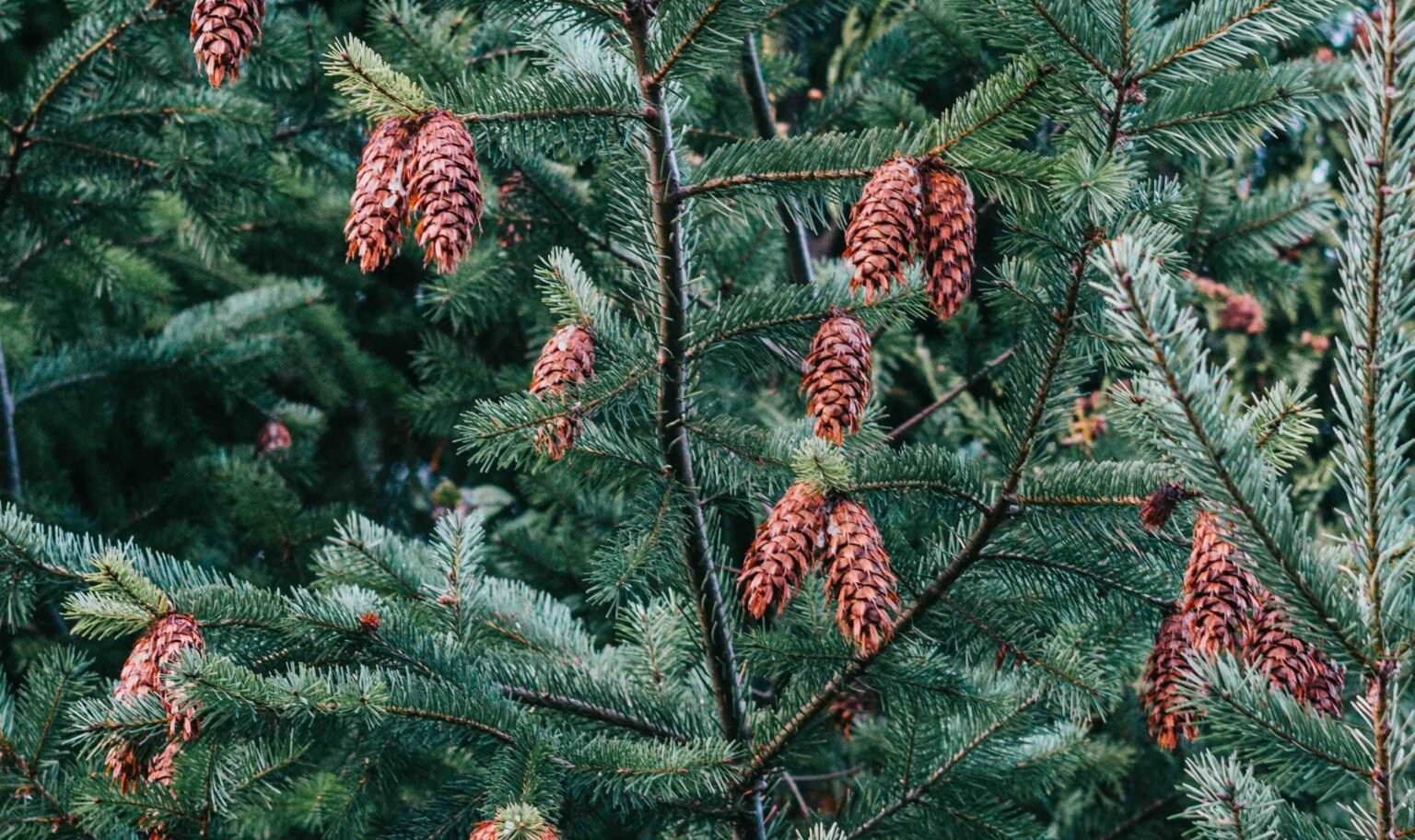

Introduction to Evergreen Trees
Evergreen trees are remarkable additions to any landscape, characterized by their ability to retain foliage throughout the year. Unlike deciduous trees, which shed their leaves seasonally, evergreens maintain a vibrant presence in gardens, parks, and public spaces regardless of the season. This unique quality makes them invaluable in landscaping, offering consistent greenery that enhances aesthetic appeal and provides essential environmental benefits.
The significance of evergreen trees extends beyond their visual contributions. They play a critical role in ecosystems by offering habitat and shelter for various wildlife species. By maintaining their leaves during winter months, evergreens not only serve as a food source for insects and birds but also provide protection from the harsh elements. Their sturdy structures often act as windbreaks and reduce soil erosion, contributing to a more stable environment.
Common varieties of evergreen trees, such as pines, spruces, and firs, are frequently utilized in garden designs for their diverse shapes, sizes, and textures. They can serve as focal points, hedges, or windbreaks, and their adaptability allows them to thrive in a range of climates and soil types. Furthermore, these trees offer practical benefits, such as improving air quality and providing shade, making them popular choices for urban and suburban landscaping projects.
In summary, evergreen trees are not only essential for their aesthetic qualities, but they also contribute significantly to the ecological balance and landscape integrity. With their year-round foliage and multifaceted utility, choosing the right evergreen tree can enhance the beauty and functionality of your outdoor space, creating a lush environment that supports both human enjoyment and wildlife prosperity.
Benefits of Choosing Evergreen Trees
Evergreen trees offer a multitude of benefits, making them a popular choice for homeowners and landscapers alike. One of their primary advantages is their aesthetic appeal. With their lush, green foliage that remains vibrant throughout the year, these trees provide a pleasing visual backdrop in any garden or landscape. Unlike deciduous trees that lose their leaves in winter, evergreens maintain their greenery, which can enhance the overall beauty of your property across all seasons.
In addition to enhancing visual appeal, evergreen trees serve as excellent privacy screens. Their dense foliage can create a natural barrier between your home and neighboring properties, fostering a sense of seclusion and tranquility. This is particularly valuable in urban settings where spaces can often feel crowded. Furthermore, when strategically planted, evergreens can act as effective windbreaks. They help to shield homes from harsh winds, which can not only improve outdoor comfort but also reduce heating costs by creating a buffer against cold air.
Ecologically, evergreen trees play a crucial role in providing habitat for various bird species and other wildlife, contributing to local biodiversity. Their root systems also aid in soil stabilization, preventing erosion and improving soil health, which is essential for surrounding flora. Additionally, the presence of evergreen trees can significantly enhance a property’s value, as many potential buyers appreciate the beauty and functionality they provide.
Moreover, strategically placed evergreen trees can contribute to energy efficiency by reducing heating and cooling needs. During the summer, their shade helps keep homes cooler, while in winter, they can act as a wind barrier, minimizing heat loss. By incorporating evergreen trees into your landscape, you not only invest in natural beauty and privacy but also in the long-term sustainability and efficiency of your home.
Top 10 Types of Evergreen Trees
Evergreen trees are an essential addition to any landscape thanks to their year-round foliage and ability to provide shelter and privacy. Below are ten popular types of evergreen trees, detailing their appearance, growth habits, and ideal planting conditions.
1. Douglas Fir (Pseudotsuga menziesii): Known for its tall and conical shape, the Douglas Fir boasts a dense, green foliage that can vary from dark to light green. It grows rapidly and prefers well-drained soils, thriving in full sun.
2. Blue Spruce (Picea pungens): Characterized by its striking bluish-grey needles, the Blue Spruce grows to a height of 30 to 60 feet. It adapts well to a variety of soils but prefers moist, well-draining conditions. This tree is notable for its symmetrical shape and is often used for ornamental purposes.
3. Noble Fir (Abies procera): The Noble Fir features a strong, upright growth habit and soft, dark green needles. It can reach heights of 60 to 100 feet and is commonly used as a Christmas tree. Ideal for cooler climates, it flourishes in acidic, well-drained soils.
4. Eastern Red Cedar (Juniperus virginiana): This versatile tree exhibits a tapered shape with bluish-green foliage that turns reddish-brown in winter. It grows up to 40 feet in height and is drought-tolerant, making it suitable for a range of soils and exposure conditions.
5. Leyland Cypress (× Cupressocyparis leylandii): A fast-growing tree, the Leyland Cypress can reach up to 70 feet. Its feathery, green foliage offers excellent screening, making it popular for hedges. It prefers full sun and well-drained soils.
6. Hemlock (Tsuga canadensis): Hemlock trees display a graceful appearance with drooping branches and soft, flat needles. They can grow up to 100 feet tall and thrive in cool, shaded environments with moist, well-drained soil.
7. Arborvitae (Thuja occidentalis): This compact evergreen showcases dense foliage and can vary in height from 10 to 50 feet, depending on the variety. Thriving in a variety of soils, Arborvitae prefers full sun and is often utilized for privacy screens.
8. Pine (Pinus spp.): Pines are diverse, with over a hundred species. These trees typically display needle-like leaves and can grow anywhere from 20 to 100 feet tall. They are highly adaptable to different soil types and climatic conditions.
9. Cedar (Cedrus spp.): Distinct for their aromatic wood and spreading branches, Cedars can reach heights of 40 to 80 feet. They prefer well-drained soils and full sunlight, making them suitable for larger landscapes.
10. Yew (Taxus spp.): Yews are evergreen shrubs or small trees with dark green foliage that can thrive in both sun and shade. They are relatively slow-growing but highly adaptable, making them ideal for formal hedges and borders.
How to Choose the Right Evergreen Tree for Your Landscape
Selecting the appropriate evergreen tree for your landscape is a critical decision that can significantly influence the aesthetic and functional aspects of your outdoor space. The first key factor to consider is the climate suitability of the tree species. Different evergreen trees thrive in varying climatic conditions, so it is essential to choose a tree that is well-adapted to your region, whether it be a cold climate or a warmer, temperate zone.
Secondly, the soil type in your area can greatly affect the health and growth of your chosen tree. Consider whether the soil is sandy, clayey, or loamy, and conduct a soil test if necessary. Some evergreen trees prefer well-drained soils, while others may tolerate heavier clay. Understanding your soil will aid in selecting a species that will flourish in your particular conditions.
Space requirements are another crucial aspect to evaluate when choosing evergreen trees. Assess the mature height and width of the tree and ensure that there is sufficient space not just for horizontal growth, but also for root development. It is advisable to allow room for expansion to avoid future overcrowding and competition for resources.
Furthermore, defining the purpose of the evergreen tree is essential. Are you looking for an ornamental feature to enhance the landscape’s beauty, or do you need a functional tree for privacy screening or windbreaks? The intended function can guide your selection process significantly.
Finally, consider the maintenance needs of the evergreen trees you are interested in. Some species require regular pruning, pest management, and seasonal care, while others are more self-sufficient. Matching the care level to your lifestyle and willingness to maintain the trees will ensure a successful tree-planting endeavor.
Assessing Climate and Growth Zones
When selecting the best evergreen trees for a particular landscape, it is essential to consider the local climate and growth zones. Understanding these factors can significantly impact the success of tree growth and long-term sustainability in your area. One of the most recognized systems for identifying climate suitability is the USDA Hardiness Zone Map, which divides North America into different zones based on the average minimum winter temperatures. Each zone can indicate which plants, especially evergreen trees, are likely to thrive in that environment.
Evergreen trees can vary widely in their ability to withstand specific climatic conditions, such as temperature extremes, humidity levels, and soil types. For instance, certain species may perform excellently in milder climates while struggling in areas prone to harsh winters. Therefore, it is critical to research and select trees that align with the appropriate USDA hardiness zone for your region.
To evaluate the correct hardiness zone for your location, you can use online tools or consult local gardening experts. Find out the average minimum temperatures in your area and compare them to the USDA map to determine your specific zone. Additionally, pay attention to local weather patterns, including precipitation levels and humidity, as these can also influence tree growth. Understanding these factors can help you select evergreen trees that are not only visually appealing but also resilient in the face of local conditions.
By incorporating the right evergreen species suited for your climate and growth zone, you can ensure that your landscape remains vibrant year-round, providing both aesthetic value and ecological benefits. Choosing wisely will ultimately lead to a more sustainable and enduring garden or property landscape.
Understanding the Maintenance Requirements
When selecting an evergreen tree, it is essential to understand the varying maintenance requirements associated with different species. The upkeep of these trees can significantly differ based on factors such as the tree’s specific needs for watering, fertilizing, pruning, and pest control. A homeowner considering adding an evergreen tree to their landscape must evaluate how much time and effort they are willing to commit to its maintenance.
Watering is a critical aspect of evergreen care. Newly planted evergreens often require regular watering to establish roots, while established trees may need less frequent moisture depending on the climate and soil conditions. Species like the Eastern White Pine thrive in moist soils but are drought-tolerant once established, while others such as the Leyland Cypress may require more consistent watering, particularly in dry spells.
Fertilizing can also vary across evergreen types. Some trees benefit from a spring application of a slow-release fertilizer, whereas others may thrive with minimal fertilization, supporting their growth primarily through the nutrients present in their soil. Understanding the nutritional needs of each species ensures proper growth and vitality.
Pruning practices differ as well. While some evergreens like the Arborvitae may require occasional trimming to maintain their desired shape, others, such as Spruce trees, generally need little to no pruning. It is also essential to prune at the correct time of year to avoid damaging the tree or hindering its growth.
Pest control is another consideration that varies by species. Some evergreen trees are more susceptible to specific pests or diseases, necessitating regular monitoring and potential intervention. Homeowners should research which trees pose higher risks and consider their willingness to implement preventive measures.
In summary, effectively matching a tree’s needs with your availability for care can lead to a thriving landscape. Understanding the specific maintenance requirements of various evergreen trees will empower homeowners to make informed decisions that suit their lifestyle.
Common Pests and Diseases Affecting Evergreen Trees
Evergreen trees are prized for their year-round foliage, but they can be susceptible to various pests and diseases that threaten their health. Understanding these common issues is essential for maintaining robust evergreens. One notable pest is the bark beetle, which can bore into the bark, disrupting the tree’s vascular system and leading to its decline. Signs of infestation include small holes in the bark and discolored needles. Regular inspection can help identify these pests early, allowing for prompt action.
Aphids are another prevalent pest affecting evergreen trees, particularly fir and pine species. These small insects feed on plant sap, weakening the tree and potentially causing needle drop. The presence of sticky honeydew or black sooty mold on the tree can indicate aphid activity. Implementing natural predators such as ladybugs or using insecticidal soap can help control aphid populations effectively.
In addition to pests, diseases like root rot pose a significant threat to evergreen trees. Root rot is often caused by overwatering or poorly drained soil, leading to fungal infections that can severely damage the root system. Signs of root rot include yellowing needles, wilting, and stunted growth. To prevent root rot, it is crucial to ensure proper drainage and avoid excessive watering.
To maintain the health of evergreen trees, regular monitoring for pests and diseases is recommended. Ensuring a suitable environment—such as adequate sunlight, humidity, and soil conditions—is essential. Implementing proper cultural practices, including mulching and proper irrigation techniques, can enhance tree resilience against potential threats. Maintaining a healthy tree not only prolongs its life but also enhances its beauty and functionality in the landscape.
Creating an Evergreen Tree Plan for Your Yard
When planning the incorporation of evergreen trees into your landscape, it is essential to consider several factors to ensure a cohesive and harmonious outdoor space. Start by assessing the size and shape of your yard, as these elements will influence your selection and placement of evergreen trees. Consider creating a scale drawing of your landscape to visualize the space that will be occupied by each tree.
One of the primary considerations is the spacing of the trees. Different varieties of evergreen trees can vary significantly in size as they mature. For instance, larger species such as pines or spruces generally require more space than smaller varieties like dwarf conifers. As a rule of thumb, allow for at least 10 to 15 feet between larger trees to prevent overcrowding and to promote healthy growth. For smaller evergreens, a spacing of 3 to 6 feet is typically adequate.
In addition to spacing, the design of your landscape plays an integral role in the successful integration of evergreen trees. Consider the overall aesthetic of your yard; evergreens can serve as focal points, privacy screens, or windbreaks. Position larger evergreens to delineate boundaries or to serve as a backdrop for perennial flowers and blooming shrubs, creating a layered effect. This not only enhances visual interest throughout the seasons but also ensures that the evergreens do not overshadow other plants.
Furthermore, pay attention to the seasonal changes in coloration and texture. Pairing evergreens with deciduous plants that bloom in spring and summer will create a dynamic landscape that transitions beautifully between seasons. Consider incorporating a mix of textures and colors by selecting a variety of evergreens, such as tall conifers, bushy shrubs, and ground-cover variants, to enrich the landscape design.
Conclusion and Final Thoughts on Selecting Evergreen Trees
As we have explored throughout this blog post, evergreen trees offer a myriad of benefits, from year-round color to environmental advantages such as providing habitats for wildlife and improving air quality. Understanding the various types of evergreen trees, including their growth habits, climate adaptability, and aesthetic qualities will empower you to make an informed decision when selecting the right species for your landscape.
In summary, consider key factors such as soil type, climate zone, and the specific purpose you want your evergreen tree to serve. Whether you are looking for a tall conifer to provide a windbreak, a bushy shrub for privacy, or a decorative specimen to accentuate your garden, the right selection will yield long-term rewards. Evergreen trees not only enhance the aesthetic appeal of your property but also contribute positively to the environment.
Moreover, once you have made your choice, remember that nurturing these trees is essential for their growth and longevity. Regular care, including proper watering, pruning, and protection against pests, will ensure that your evergreen trees thrive for decades. Planting an evergreen tree is more than just an immediate decision; it is an investment in the future of your landscape and the environment.
In closing, take time to assess your options and make a thoughtful choice in selecting evergreen trees that will harmonize with your landscape design. With proper care and attention, these trees will be a source of beauty and benefits for generations to come.

