

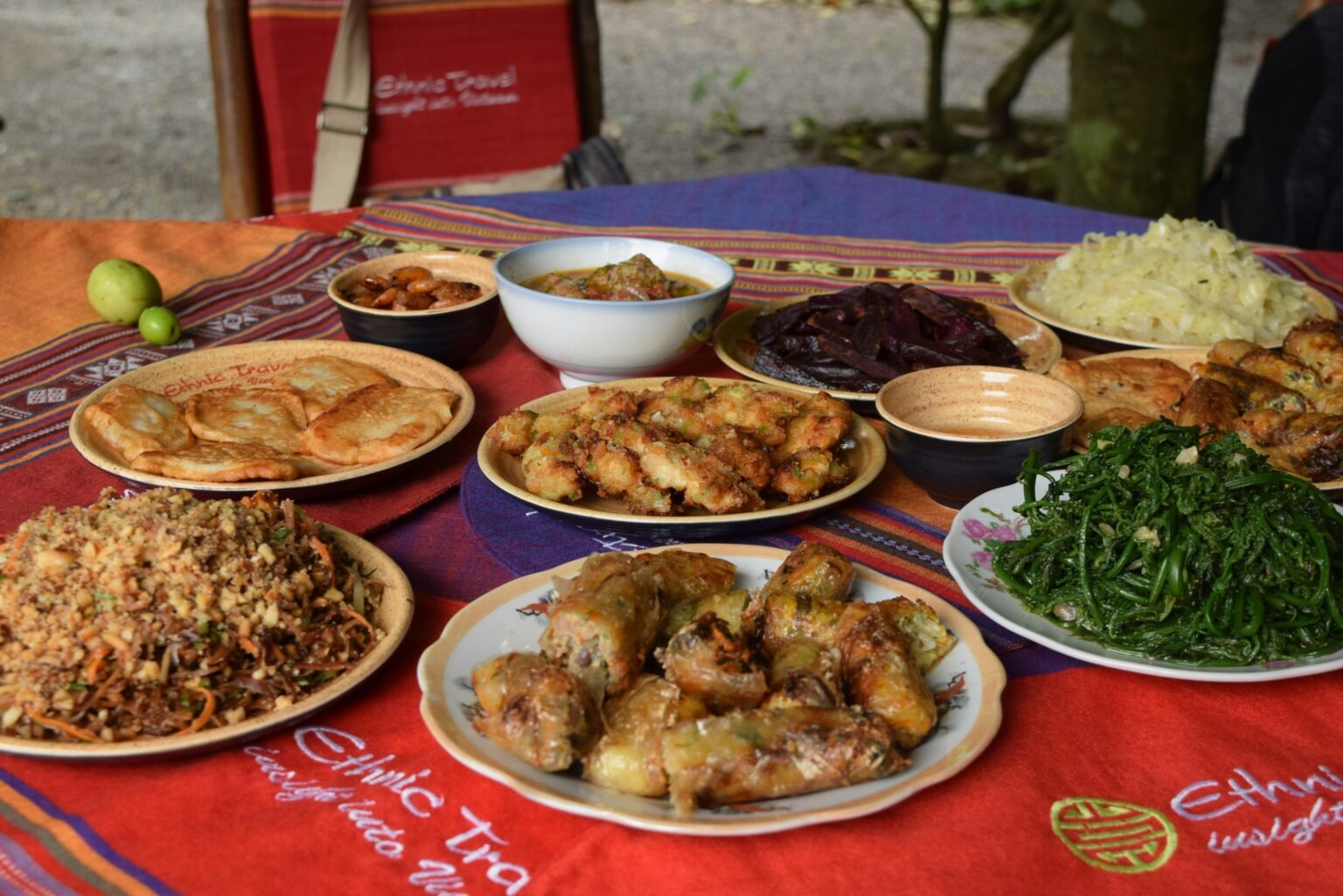

Introduction to Traditional Dishes
Traditional dishes are an essential aspect of cultural identity, representing the history, customs, and unique ingredients of a particular region. These culinary creations often tell a story, reflecting the agricultural practices, climate, and the cultural influences that have shaped a community’s palate over centuries. As we explore traditional dishes from various parts of the world, it becomes clear that they are more than just meals; they are symbols of heritage and cultural pride.
Each traditional dish often originates from local resources and the practices of cooking that have been passed down through generations. For instance, in Italy, traditional pasta dishes embody the regional variations in flavors, often using locally-grown grains and vegetables. In India, the vast array of traditional curries showcases the country’s diversity, with each region boasting its interpretation based on climatic conditions and available spices.
The significance of traditional dishes extends beyond mere nourishment. They are a focal point for social gatherings, celebrations, and rituals, fostering community and sustaining family bonds. When families come together to prepare traditional foods, they engage in a shared cultural experience that strengthens their connection to their ancestry and to each other.
As we embark on this exploration of traditional dishes around the world, one will notice that they often embody the unique traits of the region from which they hail. The ingredients used, the methods of preparation, and even the dining customs play a crucial role in defining these culinary delights. This diversity underscores the beauty of global gastronomy, inviting us to appreciate not only the flavors but also the cultural narratives embedded within each dish.
Highlighting Regional Ingredients
The unique flavors of traditional dishes across the globe are profoundly influenced by the ingredients sourced from their geographical locations. Local availability of produce, proteins, and even spices plays a crucial role in shaping the culinary landscape of a region. Climate, soil quality, and proximity to water bodies are significant factors that dictate what can be cultivated or harvested, thus impacting the traditional recipes that evolve over time.
For instance, the Mediterranean cuisine thrives on ingredients such as olives, tomatoes, and various herbs due to its warm climate and rich soil. Countries like Italy and Greece showcase these products in numerous dishes, creating a strong connection between their culture and cuisine. Similarly, in coastal regions, the abundance of seafood such as fish and shellfish makes these ingredients central to local diets, as seen in dishes like Spain’s paella or Japan’s sushi.
Furthermore, regions that experience distinct seasons often highlight their rich agricultural diversity through traditional dishes. For example, hearty meals characteristic of colder climates, like Germany’s sauerbraten, often feature root vegetables and preserved items that can withstand the winter months. On the other hand, warmer regions may focus on lighter, vegetable-based dishes, reflecting the seasonal produce available throughout the year.
In essence, local ingredients are not merely components of traditional dishes but serve as a tapestry that weaves together the history, culture, and practices of a region. Understanding how these elements come together elucidates why certain ingredients are cherished in specific locales, encouraging us to appreciate the local flavors that define each traditional dish. This connection to local agricultural practices ultimately illustrates the richness and diversity found in global cuisines.
Italy’s Risotto: A Creamy Classic
Risotto, an iconic dish of Italian cuisine, is celebrated for its creamy texture and rich flavor, making it a quintessential part of Italy’s culinary heritage. The origins of risotto can be traced back to the northern regions of Italy, particularly in Lombardy and Piedmont, where rice cultivation became prominent in the 14th century. Unlike pasta, which is made from durum wheat, risotto is made from Arborio or Carnaroli rice, which possess high starch content. This starch is key to achieving the desired creaminess without the addition of dairy.
One of the most famous variations of this beloved dish is Risotto alla Milanese, characterized by its saffron-infused rice that gives it a distinct yellow hue. This dish not only utilizes local ingredients, such as high-quality beef broth and butter, but also reflects the culinary traditions of Milan. The use of saffron is a mark of the luxurious flavors that regional risottos can convey, making it a favorite among locals and tourists alike.
Each region of Italy boasts its own unique take on risotto, adapting the ingredients to highlight local produce and flavors. For instance, in the coastal areas, seafood variations like Risotto al Nero di Seppia incorporate cuttlefish ink, presenting a striking black dish that is both visually impressive and flavorful. Similarly, in the south, risottos may feature ingredients like tomatoes and artichokes, illustrating the diversity found within Italian cuisine.
Experiencing risotto in Italy offers a deeper appreciation of its cultural significance and the skilled technique required for its preparation. The gentle stirring of the rice, known as risottare, is a vital process for releasing the starch and achieving the impeccable consistency. Whether enjoyed in a traditional trattoria or a modern restaurant, enjoying risotto in its homeland is an unparalleled culinary adventure that reflects the essence of Italian gastronomy.
Mexico’s Mole: A Flavorful Fusion
Mole is a quintessential element of Mexican cuisine, celebrated for its rich flavors and complex preparation methods. This traditional sauce, often made from a blend of various types of chiles, spices, chocolate, nuts, and seeds, comes in numerous varieties, each distinct to different regions of Mexico. The name “mole” derives from the Nahuatl word “molli,” which means sauce, and reflects the dish’s deep roots in indigenous culinary practices.
The significance of mole transcends mere taste; it symbolizes cultural heritage and community. Preparing mole can be an elaborate process that involves toasting, grinding, and combining numerous ingredients, often taking several hours. This meticulous preparation is usually a communal activity, with families coming together to celebrate special occasions such as weddings, birthdays, or festivals. The intricate craft of making mole is passed down through generations, ensuring that traditional methods are preserved and maintained.
Among the most notable variations are mole poblano, which combines dark chocolate and spices resulting in a complex flavor, and mole negro, characterized by its deeper color and exceptional depth of taste. Other regional versions include mole verde, which incorporates fresh herbs, and mole rojo, highlighting a mix of different chilies. These distinctions contribute to mole’s status as a culinary treasure in Mexican heritage.
Experiencing mole is more than just a meal; it is an insight into Mexican culture and tradition. During celebrations, mole often accompanies turkey or chicken, signifying festivity and festiveness. With its compelling history and abundant flavors, indulging in mole is a must for anyone seeking to explore the diverse gastronomic landscape of Mexico.
Japan’s Sushi: Art on a Plate
Sushi, an intricate dish that embodies the essence of Japanese culture, has a history that dates back centuries. Originally a method of preserving fish, sushi began as a way to ferment rice and fish together, allowing for longer preservation times. Over time, this culinary practice evolved into various forms, leading to the sushi we recognize today. In modern Japan, sushi is renowned not just for its taste, but for the meticulous craftsmanship involved in its preparation and presentation.
A key feature of sushi is the diversity in its types, ranging from nigiri, which consists of hand-formed rice topped with fish, to maki, a style that rolls ingredients in rice and seaweed. Each type showcases different techniques and flavor combinations, reflecting regional variations and seasonal ingredients. The choice of fish is paramount, as freshness and quality are considered essential to a delightful sushi experience.
The artistry of sushi extends beyond mere ingredients. Master sushi chefs, often termed “Itamae,” devote years to honing their craft. They are trained not only in the culinary aspects but also in the aesthetics of plating and the balance of flavors. The presentation of sushi is regarded as an art form, where colors, shapes, and even the arrangement of the pieces play a significant role in the dining experience. This dedication to detail is a testament to the Japanese belief that food should be enjoyed not just with the palate, but with all the senses.
Sushi holds profound significance in Japanese dining culture, often being served during celebrations and special occasions, symbolizing purity and harmony. It transcends mere sustenance, acting as a medium to connect with tradition and foster social interactions. Thus, sushi is not only a dish; it is an essential part of Japan’s cultural identity, entwining history, artistry, and community in every serving.
India’s Biryani: A Spice-Laden Feast
Biryani, a staple of Indian cuisine, is a fragrant and flavorful rice dish that has garnered immense popularity worldwide. Its roots trace back to the Indian subcontinent, where it is believed to have been introduced by Persian travelers and merchants. This dish, rich in spices and flavors, is often considered a regal meal, once served in royal courts to exemplify culinary artistry.
The foundation of Biryani lies in its carefully layered ingredients, primarily comprising of rice and meat, although vegetarian versions also exist. Traditional recipes call for marinated meats, which are cooked to perfection with a blend of aromatic spices like saffron, cardamom, and cloves. The cooking process generally employs a technique known as ‘Dum,’ where the ingredients are steamed together in a sealed pot, allowing the flavors to meld harmoniously.
Across India, various regional adaptations of Biryani highlight local ingredients and cooking methods. For instance, Hyderabadi Biryani, known for its spicy and rich flavor profile, incorporates marinated meat layered within basmati rice, topped with fried onions and boiled eggs. Conversely, Lucknowi Biryani, or Awadhi Biryani, emphasizes a subtle, aromatic taste by relying more on the technique of slow cooking and aromatic spices.
The diverse offerings of Biryani extend beyond the borders of India, with numerous international interpretations emerging. Each region infuses its unique cultural influences, making Biryani not just a dish but an experience. From street vendors to fine dining establishments, the allure of Biryani continues to captivate food enthusiasts globally.
France’s Coq au Vin: Rustic Elegance
Coq au Vin, a cherished French dish, beautifully illustrates the harmony between rustic simplicity and refined elegance in culinary tradition. Literally translating to “rooster in wine,” this dish embodies the essence of French gastronomy rooted in the use of quality ingredients and techniques that have been passed down through generations. While traditionally made with rooster, modern adaptations often utilize chicken, ensuring that this classic remains accessible to contemporary diners.
The preparation of Coq au Vin commences with marinating the chicken in red wine, typically Burgundy, along with aromatic vegetables such as onions, carrots, and garlic. This marination process not only infuses the meat with profound flavor but also tenderizes it. After marination, the chicken is seared to create a rich, caramelized exterior, which contributes depth to the overall taste of the dish. Following this, the marinated wine, along with broth and an array of herbs including thyme and bay leaves, is added, and the mixture is then gently simmered until the chicken reaches perfect tenderness.
Historically, Coq au Vin is believed to date back to ancient Gaul, with references appearing in texts as early as the Roman Empire. The dish gained prominence in the 20th century, particularly after its elevation by renowned chef Julia Child, who introduced it to American audiences in her famous cookbook. This tale of culinary heritage highlights how Coq au Vin has transformed from a humble peasant dish into a symbol of French culture, celebrated both at home and in fine dining establishments worldwide.
Today, Coq au Vin continues to captivate food enthusiasts, representing the beauty of traditional cooking that marries simplicity with intricate flavors. It serves as a reminder of the rich culinary history of France, encouraging those who partake in it to savor not just a meal but an experience woven with culture and tradition.
Thailand’s Pad Thai: Street Food Royalty
Pad Thai stands as a hallmark of Thai cuisine, celebrated not only for its harmonious balance of flavors but also as an iconic street food dish that has found its way into the hearts and stomachs of people worldwide. This stir-fried noodle dish features a delightful combination of rice noodles, eggs, vegetables, and a choice of protein, often shrimp or chicken, all brought together by a tangy tamarind sauce and a sprinkle of crushed peanuts. The culinary richness of Pad Thai can be attributed to its intricate layering of sweet, sour, and salty flavors, making it a vibrant and fulfilling meal.
Originally created to promote rice consumption in Thailand, Pad Thai’s history is intertwined with the country’s socio-economic shifts, particularly during the 1930s, when the Thai government sought to foster national identity amid a backdrop of globalization. The dish emerged as a symbol of Thai culture, showcasing local ingredients and cooking techniques while providing an accessible and affordable street food option for locals and tourists alike. Its popularity escalated not just on the streets of Bangkok but across the globe, often enjoyed as a quick yet nutritious meal.
Commonly, the preparation of Pad Thai involves several key ingredients, with rice noodles forming the base. These noodles are lightly stir-fried with a medley of garlic, shallots, and bean sprouts, creating a delightful texture and flavor profile. Garnish often includes fresh lime wedges, chili flakes, and, of course, crushed peanuts, which add a nutty crunch that heightens the overall experience. In Thai fast food culture, Pad Thai occupies a special place; it is not merely a dish but a reflection of the country’s culinary ethos, capturing the spirit of street-side dining with every delicious bite.
Conclusion: The Global Culinary Journey
Traditional dishes serve not only as sustenance but also as a window into the cultural heritage of various societies around the globe. Each plate is imbued with stories that reflect the history, environment, and customs of its origin, making the exploration of these culinary masterpieces a thrilling endeavor. From India’s rich biryanis to Italy’s delectable pasta, each recipe carries with it generations of tradition, adapting through time yet remaining rooted in cultural identity.
Experience is central to understanding our world, and food is a significant avenue for this exploration. As one savors a traditional dish, they are, in fact, engaging in a deeper understanding of the narratives and values that share a collective humanity. These meals tell tales of resourcefulness, seasonal changes, and communal traditions that are often passed down through generations. Thus, tasting these dishes not only tantalizes the palate but also elevates one’s appreciation for the diverse tapestry of human experience.
We encourage readers to actively participate in this global culinary journey. Seeking out and tasting traditional dishes from different cultures allows for a shared experience that fosters appreciation and respect for diversity. Whether dining in restaurants dedicated to ethnic cuisines or trying out recipes at home, the act of tasting these meals facilitates a connection to the stories and communities that they represent. Every bite becomes a bridge to a different narrative — a gesture of understanding and peace in an increasingly interconnected world.
In conclusion, the gastronomic journey through traditional dishes is an enriching avenue to explore cultural heritage and global diversity. By embracing these culinary traditions, we not only celebrate the flavors of the world but also honor the people and histories behind those dishes, reinforcing our shared humanity in the process.

