

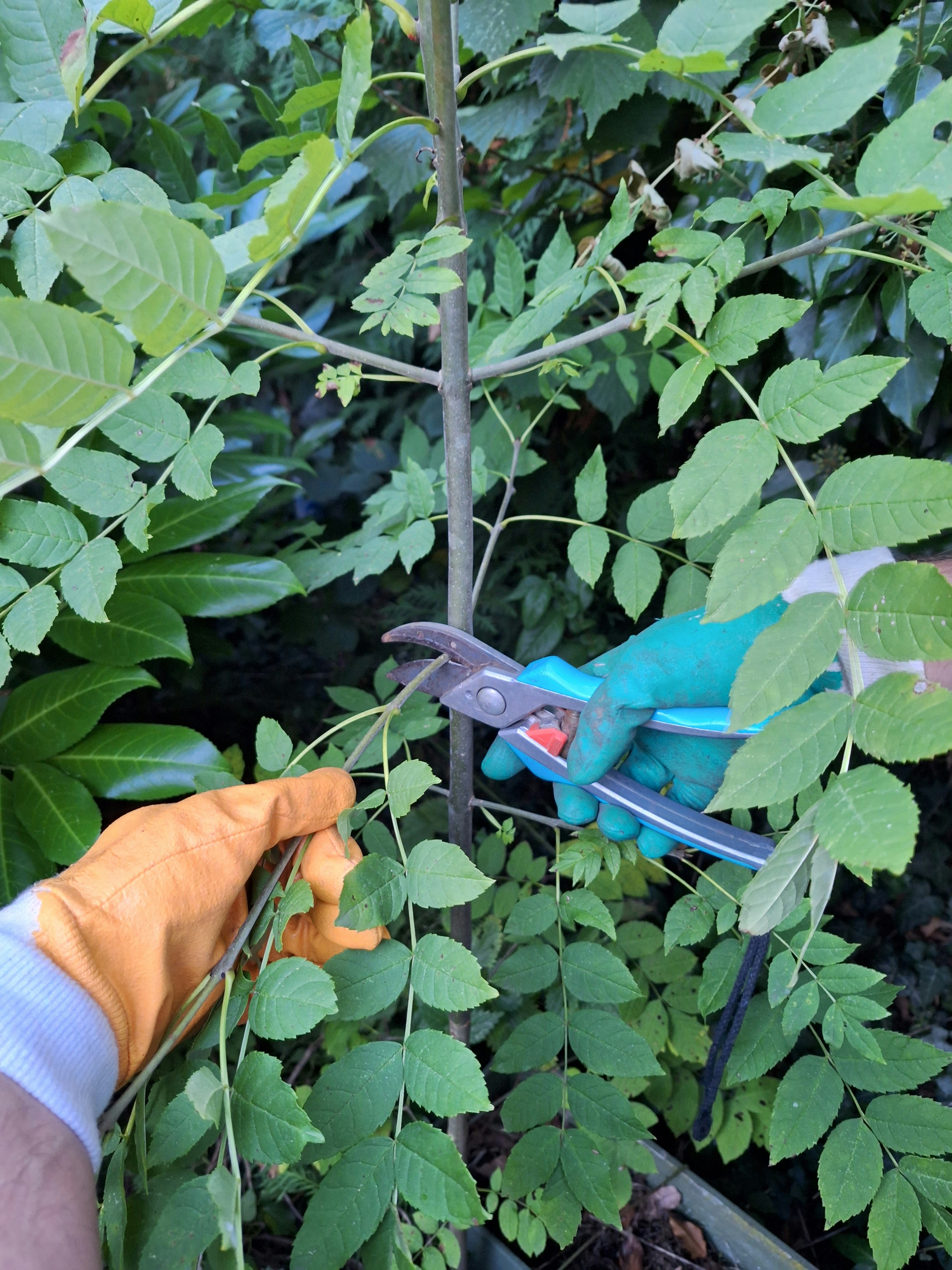

Introduction to Efficient Gardening
Efficient gardening is essential for those seeking to maximize productivity while minimizing time and effort. With a plethora of demands on modern lives, finding ways to optimize gardening practices is increasingly important. By implementing time management and effort-saving techniques, gardeners can enjoy a more fruitful gardening experience without the stress of labor-intensive tasks.
The approach to efficient gardening goes beyond merely planting seeds and watering plants. It involves the strategic planning of gardening activities to ensure that each task is completed in a timely manner. This can include the selection of appropriate plants that require less maintenance or utilizing tools and technologies designed to streamline garden care. As time is a critical resource, improving efficiency helps gardeners achieve sustainable results and relish the joy of gardening.
Moreover, adopting efficient gardening practices allows for a better relationship with nature. When gardeners save time and effort, they can allocate more time to enjoy their surroundings, observe plant growth, and learn more about the ecosystem. This transition from a labor-focused mindset to a more efficient one can make gardening a more rewarding hobby. Efficient gardening not only eases the workload but also contributes to a heightened awareness of environmental considerations such as water conservation, soil health, and biodiversity.
In this blog post, readers will discover practical tips designed to help them embrace efficiency in their gardening endeavors. These methods are aimed at simplifying garden maintenance and ensuring that even novice gardeners can achieve significant results with reduced strain. By focusing on effective techniques, the journey of gardening can transform into an enjoyable and gratifying experience.
Planning Your Garden Layout
A well-thought-out garden layout is essential for maximizing productivity and minimizing labor. Before you plant, taking the time to strategically map out your garden can yield several benefits. First, determining where each plant will thrive should be based on sunlight exposure, space requirements, and water access. Various plants have different sunlight needs; for instance, vegetables like tomatoes and peppers flourish in full sun, whereas leafy greens prefer partial shade.
Additionally, optimizing irrigation is crucial for a successful garden. Consider the placement of water sources and aim to arrange plants so that watering can be efficient. Grouping plants with similar watering needs together can enhance water conservation. Furthermore, leaving sufficient pathways is essential for easy access while tending to your garden. This consideration ensures that maintenance tasks, such as weeding or harvesting, can be carried out with minimal disturbance to the plants.
An important aspect of garden planning involves crop rotation and companion planting. Crop rotation helps to prevent soil depletion and minimizes the risk of pest infestations and diseases, as different plant families have varying nutrient requirements. By rotating crops annually, gardeners can maintain soil health and ensure a sustainable yield. Companion planting, on the other hand, involves placing mutually beneficial plants in proximity to each other. For example, growing basil alongside tomatoes can enhance flavors and deter pests, leading to improved growth.
In summary, a well-structured garden layout is the foundation of an efficient and productive gardening experience. It not only helps save time and effort but also creates a thriving environment where plants can flourish. By accounting for sunlight, water access, and employing effective gardening techniques such as crop rotation and companion planting, gardeners can cultivate their spaces with greater ease and success.
Tip 2: Choose Low-Maintenance Plants
One of the most effective strategies for saving time and effort in gardening is to select low-maintenance plants. These varieties are not only resilient but also require less frequent watering, pruning, and fertilizing, making them ideal for busy gardeners or those new to the hobby. By opting for low-maintenance plants, you can enjoy a lush and vibrant garden with minimal upkeep.
Examples of low-maintenance plants include lavender, which thrives in well-drained soil and sunny conditions, adding fragrance and attracting pollinators. Succulents are another excellent choice, as they need very little water and can withstand dry spells, making them perfect for those living in arid climates. Perennials such as black-eyed Susans and daylilies are also advantageous since they return year after year, minimizing the need for replanting.
In addition to choosing the right plants, it’s essential to consider the local climate and soil conditions. Selecting native plants is an effective way to ensure success, as they often require less water and are more resistant to local pests and diseases. For instance, bee balm and echinacea are native to many areas in North America, providing beauty and attracting beneficial wildlife while remaining relatively low-maintenance.
Ultimately, incorporating low-maintenance plants into your garden design not only beautifies your outdoor space but also significantly reduces the time and effort involved in gardening. By carefully selecting the right varieties and understanding their needs, you can achieve a stunning garden with minimal input, allowing you to enjoy your green space without the burden of excessive care.
Tip 3: Use Mulch Strategically
Mulching is a highly effective technique in gardening that offers a variety of benefits. One of the primary advantages of using mulch is moisture retention. By applying a layer of mulch around your plants, you create a barrier that minimizes evaporation, ensuring your soil remains consistently moist. As a result, plants require less frequent watering, ultimately saving time and effort in garden maintenance.
In addition to conserving moisture, mulch serves as an excellent weed suppressant. A thick layer of mulch can obstruct sunlight, which inhibits the germination of weed seeds. This not only reduces weeding tasks but also allows your plants to thrive without competition for nutrients and resources. Furthermore, mulch acts as an insulating layer, helping to regulate soil temperature. This insulation is especially beneficial during colder months, as it protects plant roots from temperature fluctuations, ensuring a more stable environment for plant growth.
When applying mulch, it is important to consider both the type and depth of mulch to achieve desired results. Organic mulches, such as wood chips, straw, or grass clippings, enrich the soil as they decompose, improving soil structure and fertility over time. On the other hand, inorganic mulches like pebbles or landscape fabric provide a more permanent solution with minimal breakdown. For optimal effectiveness, aim for a mulch depth of 2 to 4 inches, ensuring it is spread evenly and kept a few inches away from plant stems to prevent rot.
In summary, implementing mulch in your gardening routine will not only save time and resources but will also contribute to the overall health of your garden. Selecting the right type of mulch and applying it effectively can lead to significant improvements in both maintenance and plant growth.
Implement a Drip Irrigation System
A drip irrigation system is an efficient method for watering plants that offers numerous advantages, making it an essential tip for any gardener looking to save both time and effort. One of the primary benefits of implementing a drip irrigation system is its ability to conserve water, as this method delivers moisture directly to the plant roots, minimizing evaporation and run-off. This precise watering not only keeps plants healthy but also significantly reduces water usage compared to traditional irrigation methods.
Another notable advantage of a drip irrigation system is its effectiveness in suppressing weed growth. By delivering water directly to the intended plants, the surrounding soil remains drier, making it less conducive to weed growth. Fewer weeds mean reduced competition for nutrients and water, allowing your plants to thrive with less effort. This targeted approach not only lessens maintenance but also enhances the productivity of your garden.
Setting up a drip irrigation system is relatively straightforward and can often be accomplished as a DIY project. Begin by determining the layout of your garden and identifying the location of your plants. Next, you will need to select a drip irrigation kit that fits your garden’s requirements, which typically includes the mainline tubing, emitters, and connectors. After laying out the mainline tubing, position the emitters at the base of each plant to ensure precise watering. Finally, connect your system to a water source and establish a schedule for watering, ideally during the early morning or late evening to maximize efficiency.
Incorporating a drip irrigation system can significantly reduce the labor associated with maintaining a garden, allowing you to spend more time enjoying the fruits of your labor.
Tip 5: Start Seeds Indoors
Beginning the gardening journey with seeds is an exhilarating experience, and starting them indoors offers a range of advantages that can significantly enhance your gardening success. One of the primary benefits of starting seeds indoors is gaining an early start on the growing season. By nurturing seedlings inside before the outdoor conditions are favorable, gardeners can ensure a head start that may translate to an earlier harvest.
Certain types of plants particularly thrive when started indoors. Warm-season vegetables such as tomatoes, peppers, and eggplants require a longer growing period before they can be transplanted outside. By initiating the germination of these seeds in a controlled indoor environment, gardeners can bypass the risk of frost and adverse weather, setting the stage for robust plants that are more likely to flourish once relocated to the garden bed.
To successfully start seeds indoors, specific guidelines should be followed. Utilizing seed trays or pots with adequate drainage holes is critical to prevent waterlogging and root rot. A quality seed-starting mix, which is lighter and more sterile than conventional garden soil, provides the perfect medium for seedlings to establish. Furthermore, ensuring adequate light is crucial; using fluorescent or LED grow lights can simulate natural sunlight and promote healthy growth. Pay attention to the specific needs of the seeds, as different plants may require varying temperatures and moisture levels for optimal germination.
Monitoring and adjusting environmental conditions such as temperature and humidity will also contribute to the success of your indoor seed starting. Once seedlings emerge and develop their first set of true leaves, it is wise to acclimatize them gradually to outdoor conditions. This process, known as hardening off, prepares the plants for transplanting and reduces transplant shock. By incorporating these practices, gardeners can enjoy a bountiful and productive gardening season ahead.
Tip 6: Utilize Raised Garden Beds
Raised garden beds have gained popularity among gardeners for their numerous advantages, which enhance the gardening experience while saving time and effort. One significant benefit of raised garden beds is improved drainage. Elevated garden beds allow excess water to drain away, preventing waterlogging and ensuring that plant roots receive optimal moisture without fear of drowning. This characteristic is especially critical in areas prone to heavy rainfall, making raised beds a practical choice.
Additionally, raised garden beds reduce the physical strain on the gardener. Traditional gardens often require bending over, which can lead to back pain and discomfort. With raised beds, the plants grow at a higher level, enabling gardeners to tend to them without excessive bending or stooping. This ergonomic advantage is particularly beneficial for individuals with mobility issues or those who wish to maintain gardening as a long-term hobby without physical limitations.
Furthermore, constructing raised garden beds provides an opportunity to improve soil quality. By building beds with specific soil mixes, gardeners can create an ideal growing environment. A suitable mix typically consists of a combination of high-quality topsoil, compost, and other organic materials, offering essential nutrients and maintaining proper aeration. When creating raised beds, ensure that they are at least 12 to 24 inches deep to accommodate plant roots adequately.
When setting up raised garden beds, consider using untreated wood or recycled materials to avoid chemical leaching into the soil. The dimensions can vary; however, a width of four feet is recommended, so that plants are easily accessible from either side without stepping onto the bed. Ultimately, by utilizing raised garden beds, gardeners can experience an efficient, sustainable approach to growing their plants, leading to healthier crops and a more enjoyable gardening experience.
Tip 7: Grow Perennials Over Annuals
When considering the best plants for a garden, one of the most beneficial choices is to opt for perennials instead of annuals. Perennials are plants that come back year after year, establishing themselves in the garden and providing a lasting display of color and beauty. This long-term investment can significantly reduce the time and effort needed for replanting each year, which is one of the primary reasons many gardeners are making the switch.
Annuals may provide a vibrant display for a single season, but they require sowing, nurturing, and replanting every year. This ongoing cycle can be labor-intensive and often discouraging for gardeners who want to enjoy their outdoor spaces with minimal maintenance. In contrast, perennials grow robustly with proper care, allowing gardeners to focus on other tasks instead of starting from scratch annually.
Some notably hardy perennials, such as coneflowers, daylilies, and sedums, not only withstand various weather conditions but also attract pollinators, contributing to a flourishing ecosystem in your garden. Perennials typically thrive once established, requiring less water and care, thus saving valuable time. Planting these species gives the garden a sense of permanence and a more tailored appearance as they mature, allowing for strategic placement and groupings that enhance the overall aesthetic.
By selecting a diverse array of perennial plants, gardeners can create a beautiful landscape that evolves over time with different blooms each season. Reducing the need for constant replanting frees up more time for other leisurely gardening activities, ultimately enhancing the gardening experience. Making the choice to grow perennials over annuals, therefore, not only saves时间和 撸功 but also leads to a more sustainable approach to gardening.
Adopt Organic Pest Control Methods
Maintaining a thriving garden requires not only attention to plants but also an effective strategy for pest management. Organic pest control methods are an invaluable component of sustainable gardening, offering numerous benefits while minimizing the use of harmful chemicals. By adopting these natural practices, gardeners can enhance the health of their plants and effectively reduce pest populations.
One of the most effective organic pest control techniques involves the use of natural repellents. Substances such as neem oil, garlic spray, and diatomaceous earth can deter a range of garden pests without harming beneficial insects. These natural alternatives not only safeguard your plants but are also safer for the environment and human health. When applying these solutions, it is advisable to focus on areas with high pest activity while ensuring that the application does not disrupt the ecosystem.
Beneficial insects can also play a crucial role in organic pest control. Ladybugs, lacewings, and parasitic wasps are known to prey on common garden pests like aphids and caterpillars. By attracting these beneficial insects to your garden, either through companion planting or creating biodiversity, you can establish a natural balance in your garden ecosystem. Additionally, planting flowers such as marigolds and yarrow can help draw these helpful species while simultaneously repelling harmful ones.
Companion planting is another important strategy that can enhance pest control in a more organic manner. Certain plants can naturally repel pests when grown alongside specific crops. For instance, basil is known to deter tomato hornworms, while nasturtiums can attract aphids away from more valuable crops. This strategic approach not only protects your plants but also fosters a diverse and vibrant garden environment.
Ultimately, integrating organic pest control methods not only promotes healthier gardens but also reduces unnecessary time spent grappling with pest issues. By utilizing natural repellents, beneficial insects, and companion planting strategies, you can create a harmonious space that thrives sustainably.
Conclusion: Embracing Efficient Gardening
In conclusion, embracing efficient gardening practices can significantly enhance your gardening experience. The ten tips discussed throughout this blog post are designed to help you save both time and effort while cultivating a vibrant garden. By applying strategies such as implementing a proper planting schedule, using mulching techniques, and selecting native plants, you will create a low-maintenance garden that thrives with minimal intervention.
Moreover, utilizing tools that streamline the gardening process, such as drip irrigation systems and ergonomic hand tools, will also contribute to reducing physical strain and enhancing productivity. These innovative methods allow you to focus on the most rewarding aspects of gardening, such as nurturing your plants and enjoying the aesthetics of your landscape.
As you consider these gardening tips, it is essential to tailor them to fit your specific gardening needs and environment. Every garden is unique, and as such, adopting a flexible approach will help you achieve the best results. By continuously evaluating and adjusting your practices, you can foster an environment where your plants flourish.
In the end, the ultimate goal of efficient gardening is to cultivate a space that brings you joy and satisfaction without overwhelming your schedule. With the implementation of these proven tips, you will find that maintaining a thriving garden is not only possible but also enjoyable. Dive deeper into your gardening passion, and let these strategies empower you to create the garden you have always dreamed of, one that requires less time and effort to maintain.

