


Understanding Home Value
Home value is a term that encompasses the monetary worth of a residential property, determined by various factors that can fluctuate over time. It is crucial for homeowners to understand what contributes to their home’s value and how these components interact in the real estate market. Understanding home value can empower individuals to make informed decisions regarding selling, purchasing, or renovating their properties.
One of the primary methods of determining home value is through a professional appraisal. During an appraisal, a certified appraiser evaluates the property based on comparable sales in the area, the condition of the home, and its unique features. This process helps establish a fair market value, which is essential for both buyers and sellers in negotiations. Additionally, conducting a market analysis can provide insights into how similar homes are valued in the current real estate landscape.
The importance of location cannot be understated in the realm of home value. Properties situated in desirable neighborhoods typically command higher prices due to factors such as proximity to schools, parks, shopping, and public transportation. Moreover, local crime rates, economic conditions, and community amenities also play a pivotal role in determining how much a home is worth. As such, investing in a home that is located in a vibrant, sought-after area often leads to a better return on investment.
Finally, real estate market trends significantly impact home values. When demand outpaces supply, property values tend to rise, while in a market experiencing oversupply, values may stagnate or even decline. Understanding current market conditions, such as buyer preferences and interest rates, can help homeowners anticipate changes in their property’s value over time and enable them to strategize accordingly.
Curb Appeal: First Impressions Matter
Curb appeal plays a pivotal role in boosting the value of your home, as it is the first aspect potential buyers will notice. An attractive exterior not only enhances the aesthetic charm of your property but also creates an inviting atmosphere. To maximize your home’s value, consider focusing on landscaping, paint colors, and outdoor renovations.
Start with landscaping; well-maintained gardens and tidy yards can significantly elevate your property’s curb appeal. Regularly mowing the lawn, trimming hedges, and planting seasonal flowers can create a vibrant and welcoming look. Furthermore, incorporating native plants requires less maintenance and conserves water, which resonates well with environmentally conscious buyers.
In addition to landscaping, the exterior paint of your home should not be overlooked. Choosing the right color can massively impact potential buyers’ perceptions. Neutral tones, such as soft grays or warm beiges, are generally appealing and allow buyers to envision their personal style. Additionally, make sure to maintain the paint quality by touching up any worn-out areas and ensuring the front door is freshly painted, as this often serves as a focal point of the façade.
Outdoor renovations also contribute to increasing curb appeal. Applying a new layer of siding, updating old fixtures, or even adding a porch can make a considerable difference. For example, installing energy-efficient windows can enhance both the visual appeal and functionality of your home, appealing to modern buyers looking for sustainability solutions.
Ultimately, improving your home’s curb appeal is an investment in its value. By enhancing the exterior through thoughtful landscaping, color selection, and renovations, you can create an attractive environment that captivates potential buyers from the first glance. A well-maintained exterior signals that the property has been cared for, increasing the likelihood of a favorable sale.
Interior Upgrades that Add Value
Enhancing the interior of a home is a strategic way to increase its overall value. Remodeling specific spaces, such as the kitchen and bathroom, generally yields a higher return on investment (ROI). For instance, a kitchen remodel can significantly improve functionality and aesthetics, making it a major selling point for prospective buyers. Upgrading to modern appliances, installing granite or quartz countertops, and refreshing cabinetry are all impactful changes that can elevate the kitchen’s appeal. Studies show that a well-executed kitchen renovation can recoup a significant portion of its costs upon resale, often exceeding 70% ROI.
Similarly, bathroom upgrades can provide impressive value boosts. Updating fixtures, increasing storage solutions, and improving lighting can transform a dated bathroom into a luxurious retreat. Incorporating features such as heated floors or a walk-in shower may captivate buyers, thereby broadening the market appeal. On average, a bathroom remodel can yield around 60-65% ROI, confirming its worth as a valuable investment.
Flooring selections also play an essential role in enhancing a home’s interior appeal. Opting for hardwood floors is often favored due to their timeless aesthetic and durability. Homes with hardwood flooring can fetch a higher price compared to those with carpets, as many buyers prefer the low maintenance and classy look of wooden surfaces. Further, if hardwood is not feasible, luxury vinyl flooring is an excellent alternative, offering an appealing appearance at a lower cost, while also being more resistant to wear and tear.
Lastly, integrating smart home technology is becoming increasingly appealing to potential buyers, further enhancing a home’s value. Features such as smart thermostats, security systems, and lighting controls not only provide convenience but also promote energy efficiency. Investing in these technologies can place a home a step ahead in a competitive market, demonstrating modern livability. Collectively, these interior upgrades serve as significant contributors to increasing a home’s overall value.
Energy Efficiency Upgrades
Investing in energy efficiency upgrades is a highly effective strategy to increase your home’s value. Such enhancements not only contribute to significant savings on utility bills but also enhance the property’s appeal to potential buyers. Key improvements include the installation of new windows, insulation, and energy-efficient appliances, each playing a crucial role in reducing energy consumption.
New windows can substantially elevate a home’s energy performance. They are designed to minimize heat loss in winter and reduce heat gain in summer, which means lower heating and cooling costs for homeowners. Furthermore, modern windows often come with added features such as UV protection and noise reduction, making them highly desirable in the real estate market.
Insulation is another vital upgrade that can dramatically improve energy efficiency. By ensuring that a home is well insulated, you create a more comfortable living environment while reducing the reliance on heating and cooling systems. This upgrade not only translates to financial savings but also contributes to the overall sustainability appeal of the property, making it a more attractive option for environmentally conscious buyers.
In addition to windows and insulation, the integration of energy-efficient appliances plays an essential role in boosting a home’s value. Upgrading to appliances that have a high Energy Star rating can save homeowners money on electricity and water bills. Buyers often prioritize homes equipped with modern, efficient appliances, as these items signal a commitment to sustainability and long-term savings.
Overall, the impact of energy efficiency upgrades extends beyond just lower utility costs. By enhancing the comfort, sustainability, and financial viability of a home, these improvements can lead to a significant increase in property value, making them a sound investment for any homeowner looking to enhance their property’s marketability.
Keeping Up with Maintenance and Repairs
Regular maintenance and timely repairs are crucial in preserving and enhancing the value of a home. A well-maintained property is not only more appealing to potential buyers but also significantly reduces long-term costs associated with neglect. Homeowners should prioritize routine inspections of essential systems such as plumbing, roofing, and electrical to ensure they remain in optimal condition.
Routine maintenance includes tasks such as checking for leaks in plumbing, ensuring the roof is intact and free of debris, and verifying that all electrical systems are functioning correctly. These inspections can help identify minor issues before they escalate into costly repairs. For example, a small leak in plumbing can lead to significant water damage if left unattended, thereby reducing the overall value of the home.
In addition to inspections, timely repairs are equally important. When damage occurs, whether from natural wear and tear or unexpected events like storms, addressing these repairs promptly can prevent further deterioration. This approach not only maintains the functionality of the home but also enhances its curb appeal, which is critical when considering resale value.
Moreover, adopting a proactive maintenance schedule can help homeowners keep track of system lifespans and necessary updates. This foresight allows for budgeting and planning for replacements, whether it be an aging roof or outdated electrical systems. Investing in high-quality materials during repairs can also prove beneficial, as these can increase the home’s longevity and value. Ultimately, consistent maintenance and repairs should be viewed as integral aspects of homeownership that contribute significantly to long-term value retention.
Adding Usable Square Footage
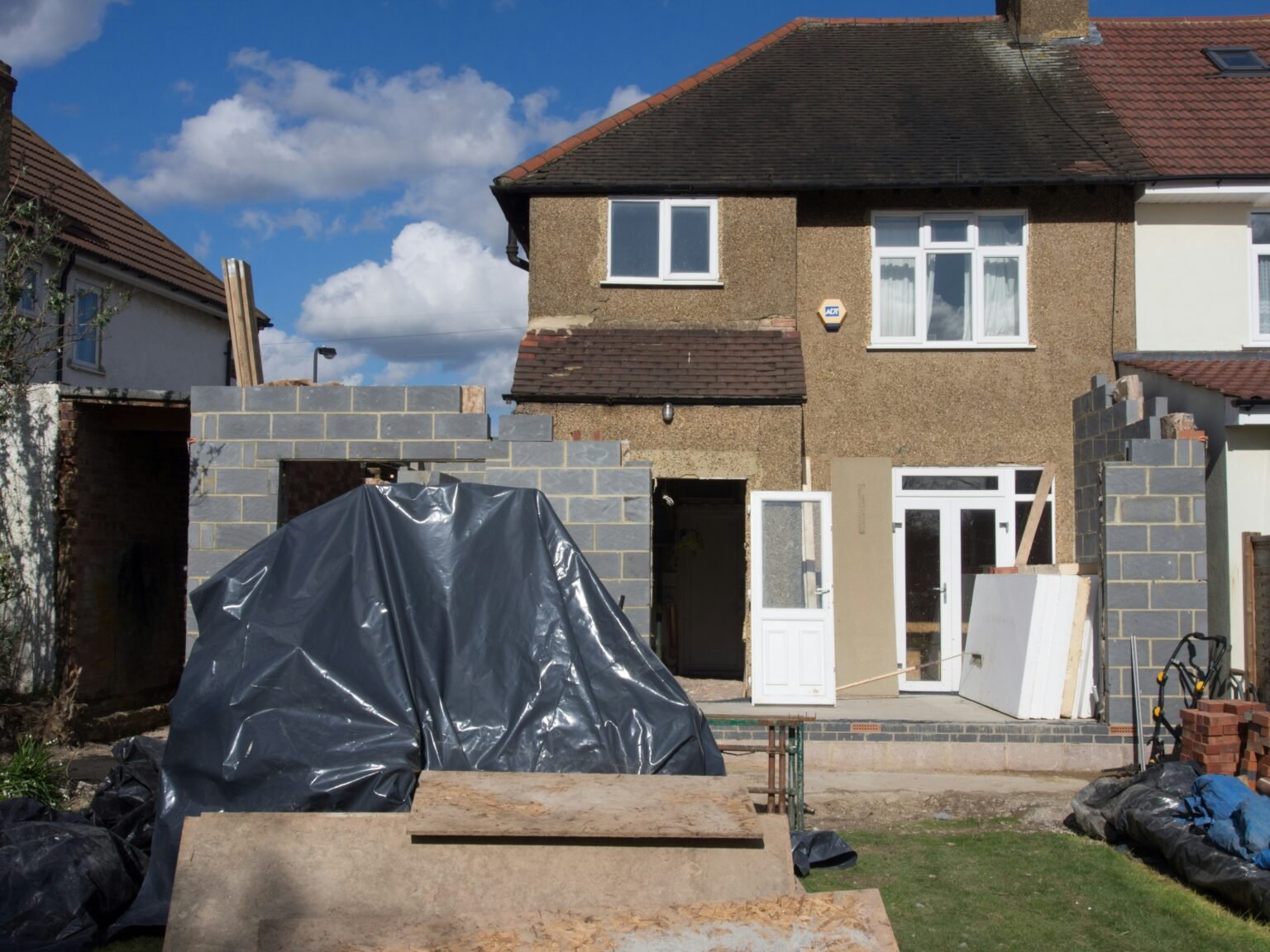
Expanding a home’s usable square footage can significantly enhance its value, making it a sought-after property in the real estate market. Homeowners have various options to consider when aiming to increase living space, including home additions, basement conversions, and attic finishes. Each of these strategies can provide tangible benefits, but they also require careful planning and adherence to local laws.
Home additions typically involve extending the existing structure by building extra rooms or expanding current layouts. This option, while more costly, often results in increased property value, especially if the additions are well-integrated into the home’s design. It is crucial to research local zoning laws and building codes, which may dictate the extent of the additions and their permitted uses.
Converting basements and attics into livable spaces is another appealing strategy. Finishing a basement can create usable square footage that functions as an additional bedroom, guest suite, or recreational area. Additionally, transforming attics into usable living spaces like home offices or playrooms can significantly increase a home’s marketability. However, these conversions must ensure proper insulation, ventilation, and compliance with safety regulations.
Affordability is often a primary concern when considering these projects. Homeowners should meticulously budget for construction costs, including materials, labor, permits, and potential unforeseen expenses. Moreover, it is wise to evaluate the current market conditions and consult with real estate professionals to ensure that the investment aligns with the overall objective of increasing property value.
In conclusion, adding usable square footage through strategic modifications can greatly enhance a home’s appeal and financial worth. By investing in thoughtful expansions, homeowners not only enjoy immediate benefits but also set the stage for future returns on their property investment.
Consider Smart Home Technology
In recent years, the integration of smart home technology has become a pivotal factor in enhancing the attractiveness and functionality of residential properties. These innovations not only elevate a home’s appeal to prospective buyers but also significantly contribute to energy efficiency and security. As more consumers seek out homes equipped with cutting-edge features, investing in smart devices can be a prudent strategy to increase your home’s value.
Smart security systems, for instance, provide a higher level of safety that appeals to homeowners. These systems can be monitored remotely via smartphones, allowing residents to keep an eye on their property at all times. Features such as doorbell cameras, motion sensors, and smart locks enhance security while also providing the convenience of managing home access from anywhere. The strong emphasis on safety in the housing market underscores the desirability of homes featuring such technology.
Additionally, smart thermostats can significantly reduce energy consumption, an appealing factor for environmentally conscious buyers. They learn occupants’ habits and adjust heating and cooling accordingly, leading to both comfort and savings on utility bills. By showcasing energy-efficient attributes, properties equipped with smart technology can command higher prices and attract buyers who prioritize sustainability.
Furthermore, home automation features, which enable synchronization of various smart devices, simplify daily activities. From controlling lighting to managing entertainment systems, the convenience offered by automation enhances the everyday living experience. This innovation aligns with current lifestyle trends aimed at promoting efficiency and ease of use.
Incorporating smart home technology into your residence offers a multifaceted approach to increasing its value, providing not just a modern edge but also improving functionality and responsiveness to potential buyers’ needs.
The Power of Staging
Staging your home is a strategic approach to real estate that enhances its appeal to potential buyers. By carefully arranging furniture, minimizing clutter, and creating an inviting ambiance, staging can significantly transform how a house is perceived. One of the fundamental benefits of staging is its ability to showcase the home’s strengths, drawing attention to its unique features and maximizing its appeal. For example, an open living area can be dressed with comfortable seating and artful decor to evoke a welcoming atmosphere that resonates with buyers.
Moreover, staging establishes an emotional connection between the prospective buyer and the home. By presenting a lived-in, yet uncluttered space, buyers can envision their own lives unfolding within those walls. This psychological impact is vital, as many buyers make decisions based on feelings rather than just rational evaluations of square footage or layout. Effective staging creates narratives that enable buyers to visualize how their family might make memories in that space.
In addition to enhancing the emotional aspect, staging also contributes to the overall perceived value of the home. A well-staged property can often result in higher offers and quicker sales. Buyers are typically willing to pay a premium for homes that are move-in ready; thus, the upfront investment in staging can yield substantial returns. The difference in perceived value between a staged home and one that is not staged is often marked. Home staging not only boosts aesthetic appeal but also elevates the overall marketability of the property, making it an essential strategy for any homeowner looking to increase resale value.
Consulting with Real Estate Professionals
Engaging with real estate professionals, such as agents and appraisers, can significantly influence the value of your home. These experts possess extensive knowledge of the housing market, including trends, pricing strategies, and regional developments that can impact property values. When considering how to effectively increase your home’s value, consulting these professionals should be a top priority.
Real estate agents, for instance, can provide insights into what potential buyers are looking for in a home within your area. They can conduct a comparative market analysis (CMA), offering details on recently sold properties that are similar in size and location to yours. This analysis serves as a valuable guide in establishing a competitive price point for your home, which is essential for attracting serious buyers.
On the other hand, working with a real estate appraiser can help you understand your home’s current market value. An appraiser evaluates aspects such as location, condition, and comparable sales to provide a formal valuation. This information is not only crucial for setting a sale price but can also inform your renovation decisions—highlighting which improvements will yield the greatest return on investment.
Additionally, real estate professionals can connect you with trusted contractors, interior designers, and inspectors who can assist in the enhancement process. Their network can ensure that any upgrades you make align with the market’s demands and standards.
By leveraging the expertise and resources of real estate professionals, homeowners are better equipped to make informed decisions regarding their property. Ultimately, collaborating with these experts will ensure that you strategically increase your home’s value while also maximizing your potential return on investment.

